- Category
- Latest news
Russia Hits Two-Century Low in Birth Rates Despite Kremlin Push for Large Families
 Prefer U24 Media on Google
- Authors

-72b63a4e0c8c475ad81fe3eed3f63729.jpeg "Photo of Cyril Barabaltchouk")

Russian leader Vladimir Putin’s calls to increase the birth rate, combined with abortion restrictions and the promotion of “traditional values,” have failed to halt Russia’s demographic decline, The Moscow Times reported on April 23.
The number of births in Russia has declined for the 11th consecutive year, according to estimates by demographer Alexei Raksha, as quoted by The Moscow Times. In the first quarter of 2026, roughly 272,000 babies were born—a 6% drop from the previous year.
We bring you stories from the ground. Your support keeps our team in the field.
For context, the first quarter of 2025 saw 289,000 births, which Raksha noted was already the lowest figure recorded since the turn of the 18th and 19th centuries.
This year, that 200-year floor was shattered. Compared to the first quarter of the pre-war year of 2021, the number of births plummeted by 12.5%. When compared to Russia’s modern record high in 2014, the decline has reached a staggering 38%.
The Moscow Times notes that official demographic data in Russia has been classified since the spring of 2025, halting the state publication of figures on births, deaths, and the overall population size.
The last available annual data from Rosstat , covering 2024, revealed that births had dropped to 1.222 million. That was the lowest number since 1999, a year marked by extreme economic crisis and soaring inflation following the country’s default. According to Raksha’s calculations, the number of newborns fell another 4% in 2025 to 1.178 million, marking the absolute lowest point in the country’s modern history.
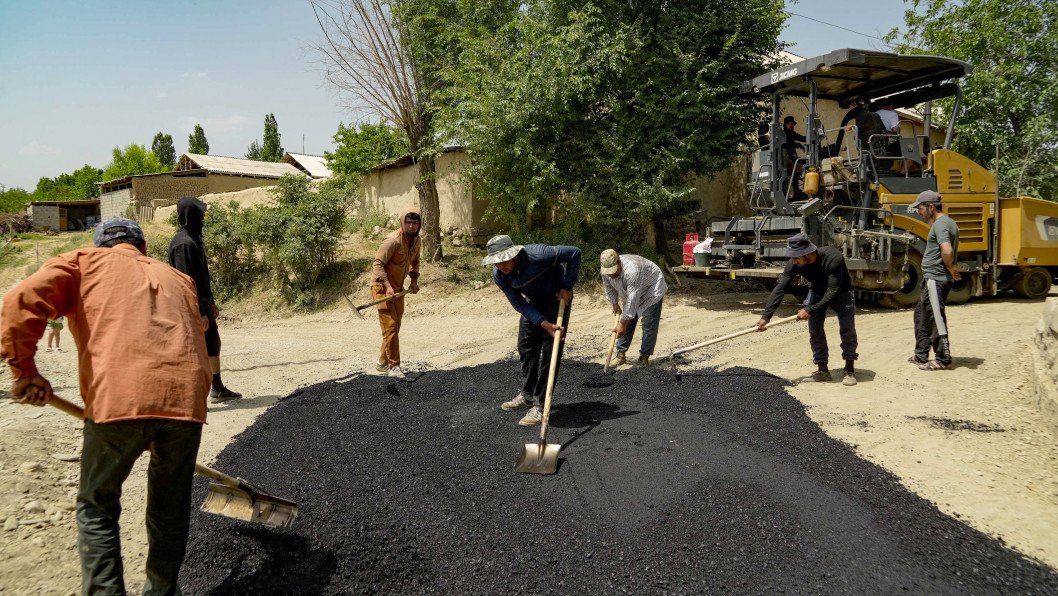
Despite heavy state campaign promoting large families, the total fertility rate (TFR)—the average number of children per woman of childbearing age—continues to sink. In 2025, the TFR hit 1.418, which is 20% lower than the rates seen a decade ago.
Back in 2018, Putin set a national goal to halt the natural population decline that began shortly after the annexation of Crimea. Yet, despite launching a “Demography” national project costing 4 trillion rubles ($52.8 billion), Russia lost approximately 4 million people between 2018 and 2024 due to the mortality rate heavily outweighing the birth rate.
The Moscow Times writes that, in 2020, the Kremlin pushed its population recovery targets back to 2030. At the start of Putin’s sixth term, he mandated a new “family-centered” demographic strategy. The plan demands that the country’s fertility rate rise to 1.6 by 2030 and 1.8 by 2036. Achieving this would mean reaching the highest levels since the Soviet era.
As part of this strategy, Russian officials intend to “strengthen the institutions of family and marriage.” The government plans to heavily feature images of large families in advertising and media content, while introducing state awards for grandparents with numerous grandchildren.
The Russian authorities have recently been prosecuting officials tasked with implementing the state’s demographic programs. In February, law enforcement arrested the director of the Institute for Demographic Development in Nizhny Novgorod on large-scale fraud charges after his state-funded projects to increase fertility and promote family values failed to produce results.
The institute, established by the regional government, was tasked with creating measures to support fertility, conducting social research, and promoting “family values.”
Discuss this article:

-c439b7bd9030ecf9d5a4287dc361ba31.jpg "Photo of Katherina Popilnichenko")