- Category
- World
Russia Turns to Kazakhstan for Oil Refining, With 70% of Fuel to Be Shipped Back
 Prefer U24 Media on Google
- Authors


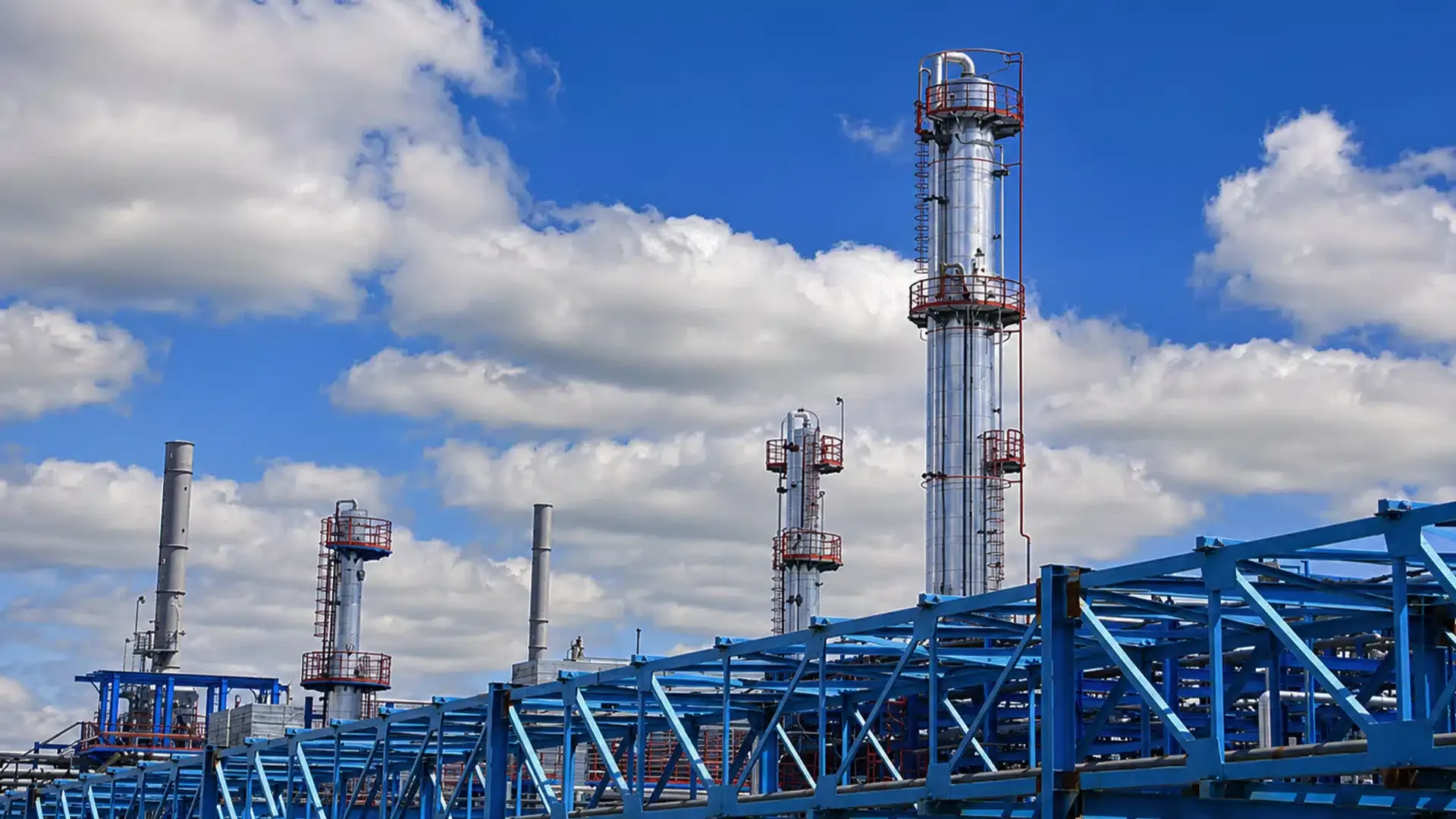
Kazakhstan’s Kondensat oil refinery will process Russian crude under an arrangement that will see 70% of the resulting petroleum products shipped back to Russia, Kazakh Energy Minister Yerlan Akkenzhenov said, according to The Moscow Times on August 25.
Under the agreement, Kazakhstan will retain 30% of the refined products for its domestic market, while the remainder will be exported to Russia.
We bring you stories from the ground. Your support keeps our team in the field.
“The agreements are that up to 30% will remain in Kazakhstan, while the rest will be sent to Russia. I believe these are normal conditions,” Akkenzhenov told journalists.
The minister said the owner of the Russian crude is not subject to sanctions but did not identify the company involved.
According to Akkenzhenov, the crude will be transported to the Kondensat refinery by rail, with the timing and volume of shipments dependent on available railway capacity.
Kazakhstan’s Energy Ministry had previously confirmed that it was negotiating with Moscow over plans to process Russian crude at Kazakh refineries. Under the proposed arrangement, the resulting petroleum products would be sold both on Kazakhstan’s domestic market and supplied to Russia.
The Kondensat refinery already processes Russian naphtha alongside Kazakh crude oil. In July 2026, the facility also exported motor gasoline to Russia for the first time.
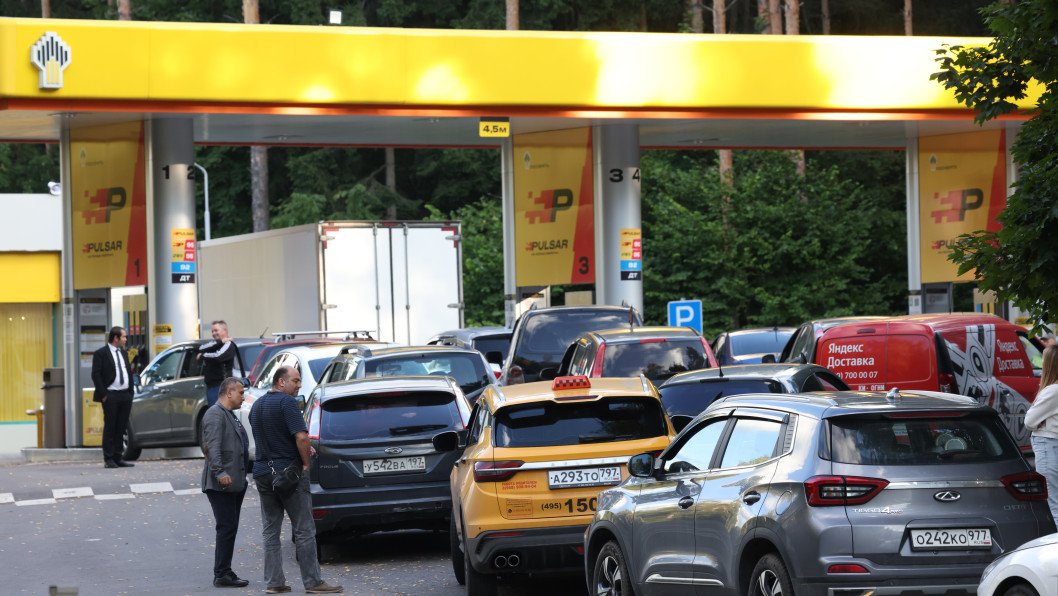
The agreement comes as parts of Russia face pressure on domestic fuel supplies. Gas stations in the Volgograd region have reintroduced restrictions on gasoline purchases, with Lukoil and Gazprom stations limiting sales to a maximum of 40 liters per vehicle.
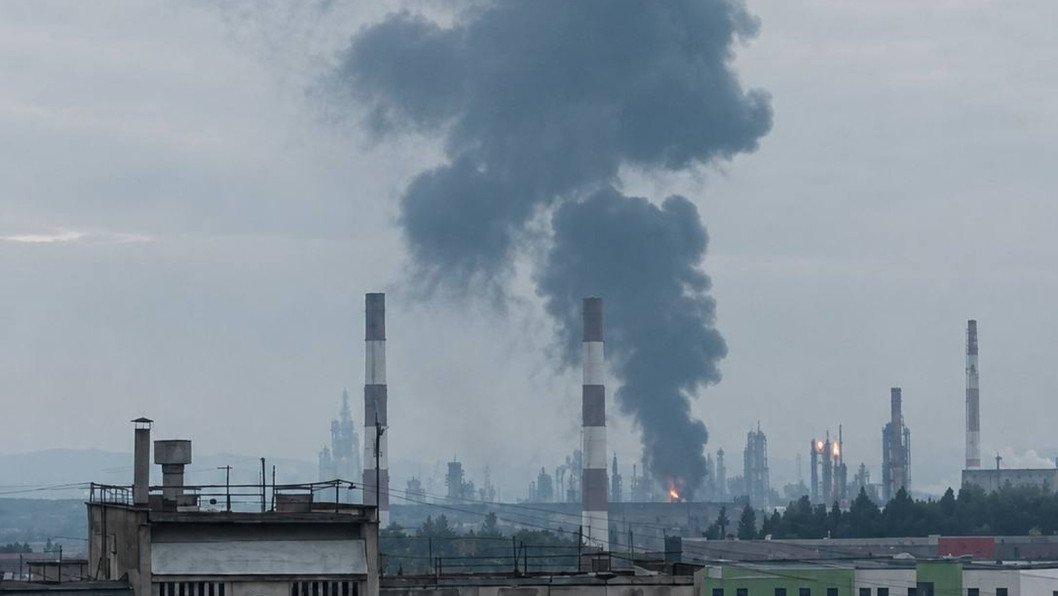
The restrictions followed an overnight drone attack on an energy facility in southern Volgograd on July 31. Satellite data subsequently detected thermal activity at the Lukoil-Volgogradneftepererabotka refinery, which has an annual processing capacity of more than 15 million tons of crude oil.
Meanwhile, Russia’s trade relations with another regional partner, Armenia, have also shifted amid restrictions affecting Armenian goods. Armenia recorded a sharp increase in exports to the European Union during the first half of 2026, while its trade with Russia declined.
Discuss this article:
-4a56a6b482ec132402c16ef6fcabf9a2.png)


-c439b7bd9030ecf9d5a4287dc361ba31.jpg "Photo of Katherina Popilnichenko")