- Category
- World
Russian Navy Disappeared From Mediterranean for Two Months for First Time in a Decade
 Prefer U24 Media on Google
- Authors


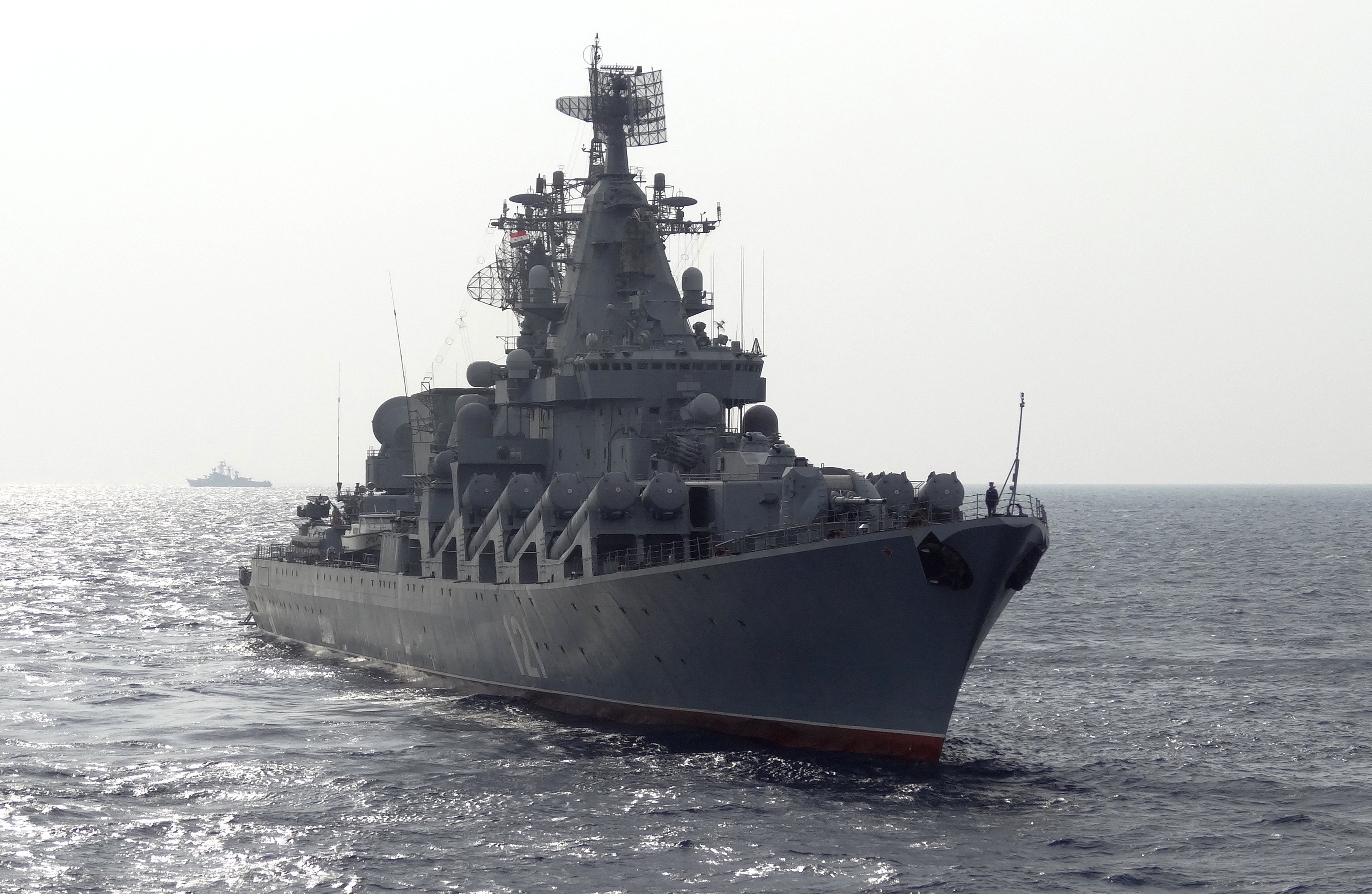
Russia’s Navy had no warships operating in the Mediterranean Sea for approximately two months between July and early September 2026, marking the first complete absence of Russian naval vessels from the region in a decade, according to a NATO official.
We bring you stories from the ground. Your support keeps our team in the field.
According to Breaking Defense on October 20, a NATO official speaking anonymously confirmed that the alliance had recorded a significant decline in Russia’s naval presence in the Mediterranean. The last comparable absence occurred in 2016.
🇷🇺🌊‼️ Russia’s naval presence in the Mediterranean Sea reportedly disappeared for two months in 2026, marking the first such prolonged absence in more than a decade, according to Breaking Defense.
— NSTRIKE (@NSTRIKE1231) October 24, 2026
The report suggests that Moscow has been forced to reconsider how it deploys its… pic.twitter.com/hGcpdJKoNo
The official attributed the decline to several factors, including Russia’s reduced access to naval facilities in Syria, shortages of logistical support vessels, and the growing need to escort Russian commercial ships, including vessels associated with Moscow’s shadow fleet.
Russia’s naval operations were further complicated after Syria’s new government terminated Moscow’s lease on the port of Tartus in 2025. Although an agreement reached in August 2026 allows Russia to use military facilities at Tartus and the Hmeimim air base as joint training centers, its previous logistical arrangements have been disrupted.
According to Breaking Defense, Russian warships have increasingly been assigned to escort commercial vessels in the Baltic Sea and other European waters, limiting their availability for deployments elsewhere.
“These escorting activities take up valuable days at sea for the Russian Navy, and it places strain on their ability to generate naval forces for other missions,” the NATO official said.
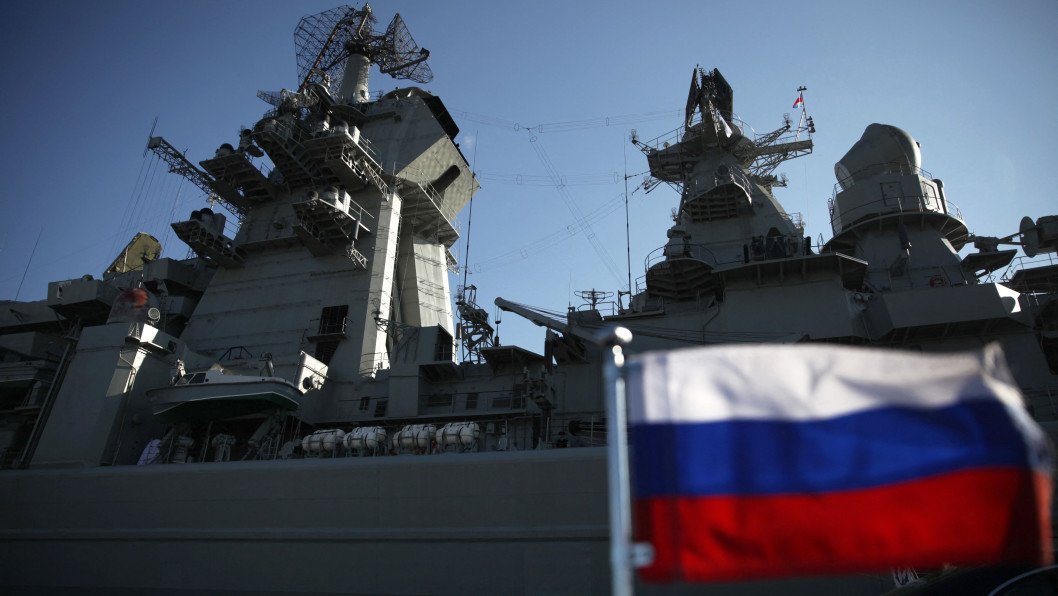
Basil Germond, a professor of international security at Lancaster University, also highlighted Turkey’s restrictions on the passage of belligerent warships through the Turkish Straits, which prevent Russia from routinely rotating its Black Sea Fleet vessels into the Mediterranean.
Despite the decline, Russian warships returned to the Mediterranean in September. Germond cautioned that Moscow retains both the strategic interest and the military capacity to maintain a naval presence in the region over the longer term.
In May 2025, Finnish Defense Minister Antti Häkkänen confirmed that Russia had begun deploying military vessels to escort shadow fleet oil tankers through the Gulf of Finland. The move marked a new use of Russian military forces to protect commercial shipping in the Baltic Sea, highlighting the growing demands placed on Moscow’s naval resources.
Discuss this article: