- Category
- World
Russia’s Sabotage Campaign in Europe Is Strengthening Support for Ukraine, NATO Official Says
 Prefer U24 Media on Google
- Authors

-111f0e5095e02c02446ffed57bfb0ab1.jpeg "Photo of Roman Kohanets")
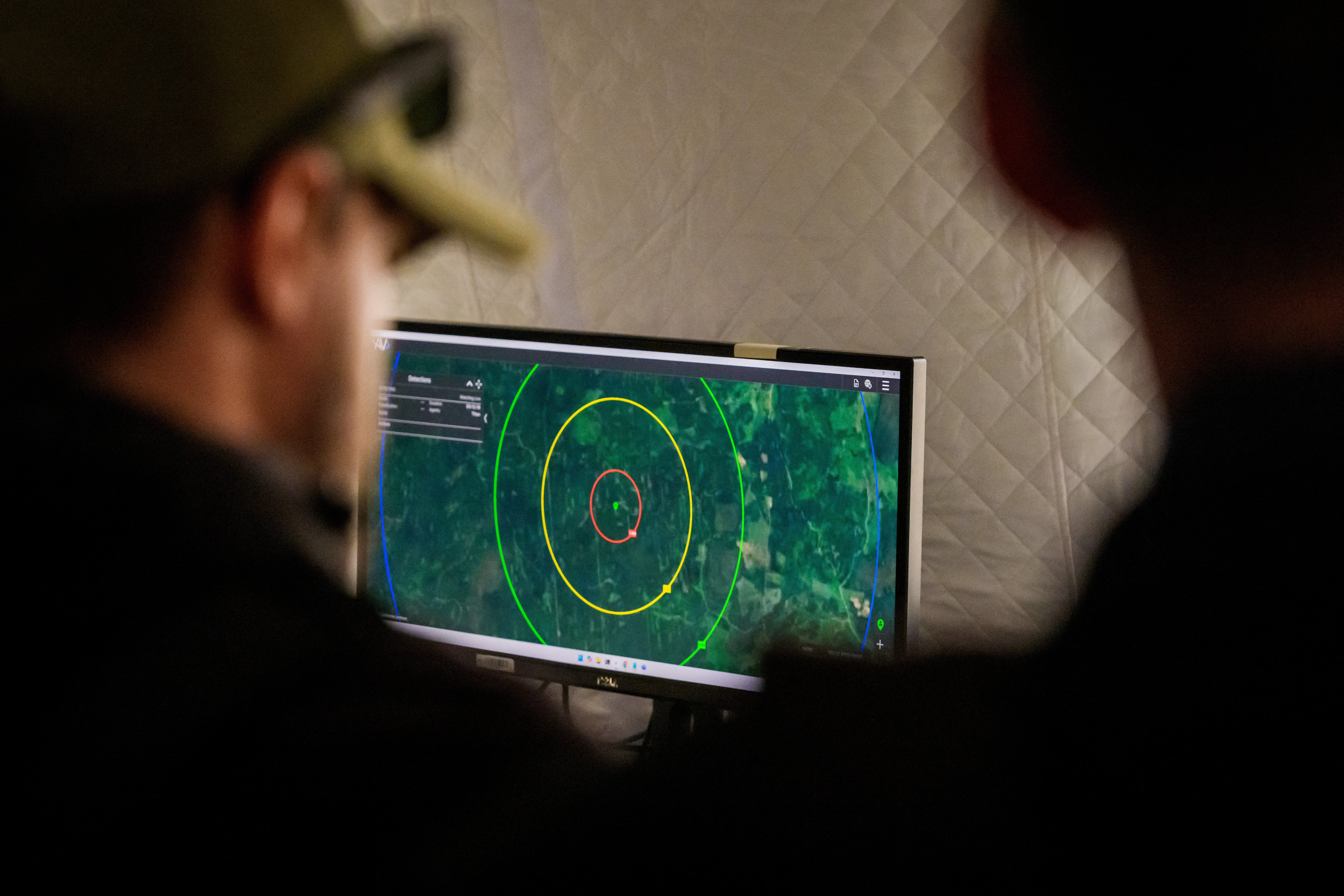
Today, at the NATO Defense Ministers meeting, ahead of the Ukraine Defense Contact Group (UDCD), also known as the Ramstein group, a NATO official assessed that Russia’s escalating campaign of sabotage, arson, and targeted assassinations across Europe is aimed at undermining Western support for Ukraine.
Instead, the effort is proving counterproductive, reinforcing allied unity and driving closer cooperation in response to the perceived threat, the official told UNITED24 Media correspondent on June 17.
We bring you stories from the ground. Your support keeps our team in the field.
Speaking on the alliance's reading of Moscow's intentions, the official set out two overarching objectives behind the hostile activity documented across the continent in recent years.
The stakes extend beyond any single incident: the campaign targets the infrastructure and the public consensus that keep weapons and aid flowing to Kyiv, turning warehouses, railways, and European opinion itself into targets.
The first objective, the official noted, is to weaken European backing for Kyiv. "Number one, most immediately, is to undermine support for Ukraine," the official stated.
"And that means that if you are planning arson against a warehouse that is involved in support to the war in Ukraine—and that certainly is one way they are trying to further that objective—or targeting railway infrastructure on allied soil, or even doing disinformation campaigns that are meant to undermine support for Ukraine amongst the population, then those are all things that Russia's trying to do."

The official rejected the term "hybrid" as too soft for what is unfolding.
“I don't like the term hybrid because Hybrid doesn't scare me that much, but sabotage, assassinations, killing Russian dissidents or plotting against you know senior figures who are helping provide support to Ukraine on allied soil, that's certainly what bothers me a lot.”
The second objective, in the official's telling, has yielded the outcome Moscow least wanted. By compelling allied capitals to face a common danger, the sabotage has given them a powerful incentive to work far more closely together, sharing intelligence and moving against the threats more effectively than before.
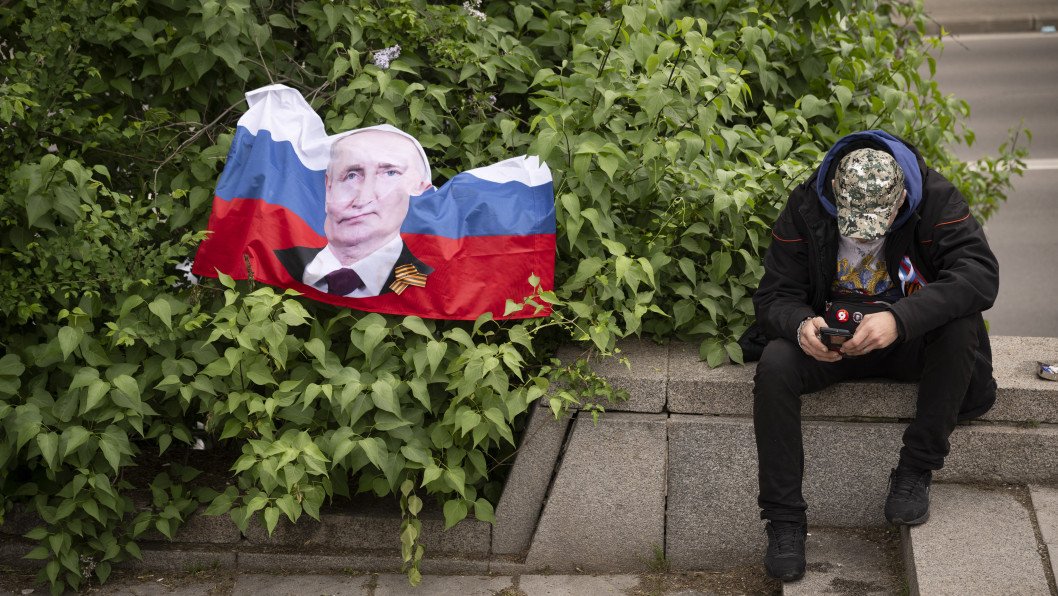
As with most of these operations, the official concluded, the result has backfired, producing "the opposite of the effect of what Moscow is actually trying to do."
Recent reports indicate that hostile activity is no longer carried out directly by Russian operatives. This dependence on criminal intermediaries has become a hallmark of Russia's reach onto allied soil, with European investigators linking the wave of sabotage and attempted assassinations to Russian-tied organized crime networks recruited as disposable proxies, an arrangement that gives Moscow a layer of plausible deniability.
The campaign abroad unfolds as the war inside Ukraine has drawn open backing from the alliance's leadership for Kyiv's strikes on Russian soil. NATO Secretary General Mark Rutte has defended Ukraine's right to hit military targets inside Russia, framing the operations as legitimate self-defense and arguing that Ukraine has every right to defend itself.
Discuss this article:



-c439b7bd9030ecf9d5a4287dc361ba31.jpg "Photo of Katherina Popilnichenko")



-72b63a4e0c8c475ad81fe3eed3f63729.jpeg "Photo of Cyril Barabaltchouk")