- Category
- World
Russian Confidence in the Future Plunges to 1990s Lows
 Prefer U24 Media on Google
- Authors

-c439b7bd9030ecf9d5a4287dc361ba31.jpg "Photo of Katherina Popilnichenko")
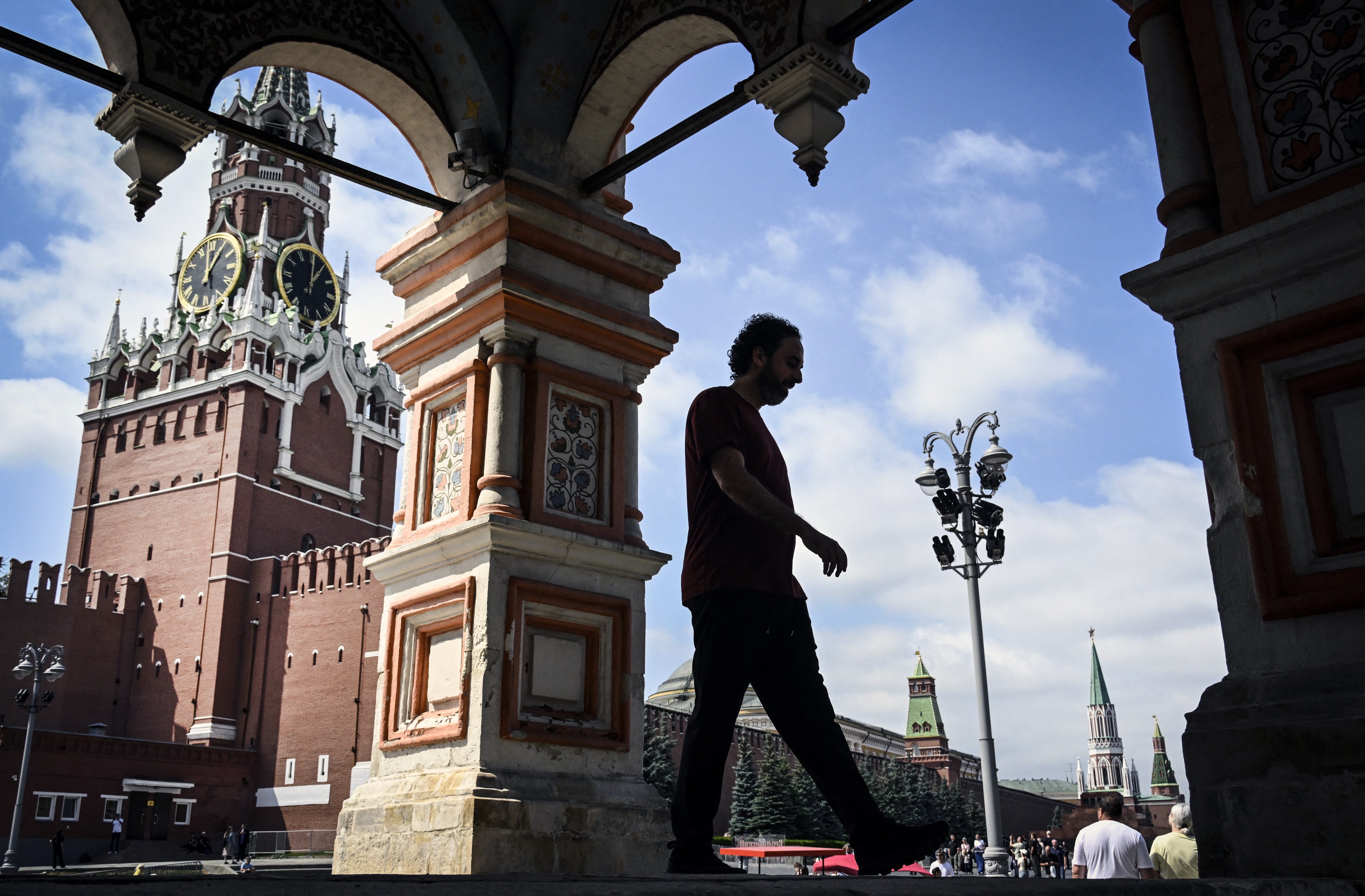
A poll conducted by the state-run VTsIOM agency in July 2026 revealed that 66% of Russian citizens believe "difficult times" lie ahead for the country, as reported by The Moscow Times on August 19.
Public apprehension regarding the future has grown by one-third (+16 percentage points) since the beginning of the year. This shift reflects growing public pessimism driven by Russia’s full-scale invasion of Ukraine, economic deterioration, and regular drone strikes targeting oil refineries and storage facilities from Moscow to the Urals.
We bring you stories from the ground. Your support keeps our team in the field.
The current levels of fear and anxiety about what lies ahead rank among the highest in modern Russian history.
According to VTsIOM data, similar figures of 66% to 67% were recorded in 1991, just months before the collapse of the Soviet Union, and in 1992, when citizens faced widespread impoverishment and hyperinflation reaching 2,500%.
Even during the economic crisis of the mid-1990s, public anxiety was lower than today, with figures ranging between 46% and 60% in various years.
The proportion of pessimists was higher only once, reaching 72% in April 2020 during the initial COVID-19 lockdowns and economic downturns prior to vaccine development.
Long-range Ukrainian strikes, which triggered a fuel shortage in Russia and destroyed over 20 Wildberries warehouses, are having a noticeable effect on public morale, particularly in major cities, according to John Lough, a senior research fellow at the NEST Centre.
Lough notes that an increasing number of people are questioning the necessity of the war, stating: "As the number of attacks increased over the past nine to twelve months, many realized that this is a long war, and there is no way out of it in the near future."
Political analyst Abbas Gallyamov observed that Vladimir Putin came to power twenty-five years ago promising security and a stable life free from explosions and violence, yet that security has now been completely dismantled.
"In today's Russia, no one can feel safe anymore—neither a general who went to a restaurant to celebrate his anniversary; nor a vacationer who finally made it to the beach in Gelendzhik; nor a resident of the Moscow region sleeping peacefully in their bed during a night drone attack; nor a Wildberries warehouse worker," Gallyamov explained.
Vadym Skibitskyi, Deputy Chief of Ukraine’s Defense Intelligence, noted that looking toward the autumn and winter months, Russian forces intended to continue targeting military positions, defense industry facilities, energy infrastructure, logistical hubs, and gas stations across Ukraine.
He pointed out that electrical power and heating networks would remain the most vulnerable areas during the winter period, adding that Russian forces had recently engineered a specialized drone designed to destroy power lines using explosive components integrated into its wings to cut through metal.
Discuss this article:



-111f0e5095e02c02446ffed57bfb0ab1.jpeg "Photo of Roman Kohanets")
-a1738cb523135070a26ed61c09a8eb5e.jpg "Police stand in front of the Russisches Haus in Berlin, Germany. (Source: Getty Images)")
-72b63a4e0c8c475ad81fe3eed3f63729.jpeg "Photo of Cyril Barabaltchouk")