- Category
- World
Russia Classifies Beer, Wines and Vapes as “Strategic Goods” Under New Law
 Prefer U24 Media on Google
- Authors

-c439b7bd9030ecf9d5a4287dc361ba31.jpg "Photo of Katherina Popilnichenko")
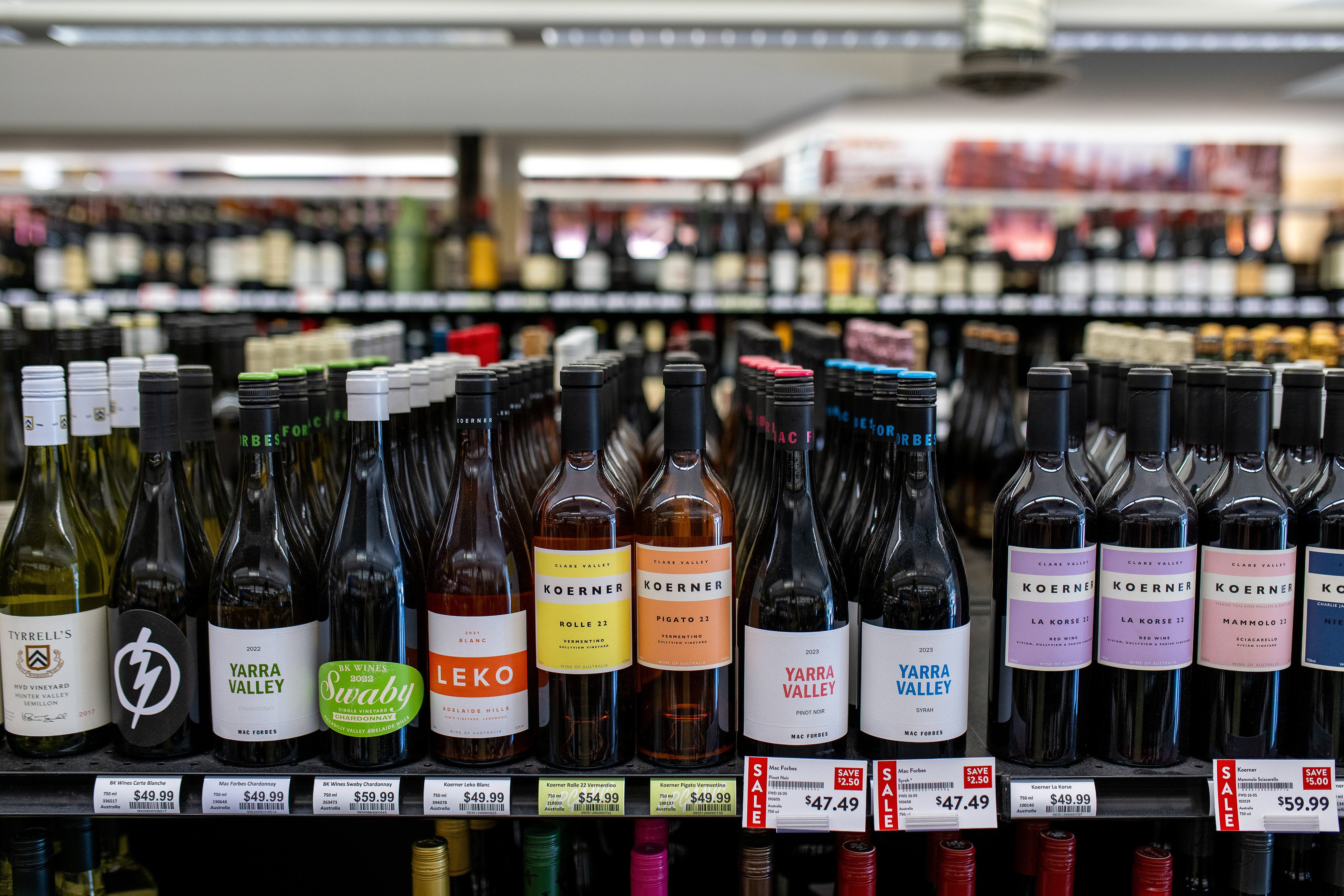
The Russian government has added light alcoholic beverages—including still and sparkling wines, beer, and ciders—along with electronic cigarettes, vape liquids, and nicotine salts to its list of strategically important goods, as reported by The Moscow Times on August 18.
Under the newly effective updates to Article 226.1 of the Russian Criminal Code, individuals caught bringing these items across the Russian border or the Eurasian Economic Union without proper customs clearance face up to five years in prison if the shipment exceeds 100,000 rubles ($1,100).
We bring you stories from the ground. Your support keeps our team in the field.
Previously, undeclared transport of these specific products was treated as an administrative violation resulting in monetary fines or compulsory labor.
Prior to 2022, criminal charges for illegal alcohol and tobacco transport applied only to shipments worth over 250,000 rubles ($2,750), with prison sentences restricted to cases involving organized crime groups or officials abusing their positions.
Although hard spirits and traditional tobacco were added to the strategic goods list in 2022, other alcoholic drinks and electronic smoking devices were omitted, creating a legal gap that operated for over three years.
-5a8bd55bb11f6f8a7f68714365b98e2f.png)
Under the new regulations, bringing just two bottles of premium vintage wine or high-end champagne without declaring them can trigger criminal penalties.
Illegal transport of high-value wine in personal luggage has remained common practice, with Federal Customs Service data showing attempted illegal alcohol imports reaching 413.5 million rubles ($4.5 million) last year, up from 266.7 million rubles ($2.9 million) the year prior.
Primary origin points include Georgia, Thailand, Estonia, and Turkey. In one recent incident on August 9, customs officers at Domodedovo Airport discovered 15 bottles of 2021 Sassicaia wine valued at 2 million rubles ($22,000)—roughly 133,000 rubles ($1,460) per bottle—in a flight attendant’s luggage from Vietnam.

The individual faced administrative fines equal to twice the goods' value alongside total confiscation. Legal personal imports into Russia remain strictly limited to five liters of alcohol above 0.5% ABV, with any amount over three liters requiring formal declaration and a duty of 10 euros ($10.80) per excess liter.
Direct exports of European wines priced above 300 euros ($325) are prohibited under international sanction measures, while standard import routes face elevated Russian protective tariffs, recently raised from 20% to 25% with a minimum charge of 2 euros ($2.15) per liter.
Former government economist Oleg Vyugin noted that due to complex transport routes and rising tariffs, "European wines in restaurants cost like an airplane wing," adding that "if you want to drink good wine, you have to spend everything you earned over the last two months, or be an oligarch."

Previously, it was reported that spirits company Bacardi launched full-scale commercial bottling of its Martini brand in Russia, significantly expanding its footprint while boosting revenues.
Its subsidiary, Bacardi Rus LLC, saw its annual revenue increase by 71.45%, rising from approximately $380.5 million in 2021 to $572.6 million in 2025.
Production was handled in Dagestan by Alvisa, which planned to produce approximately 10 million liters of vermouth annually for the Russian market to bypass elevated import duties.
Discuss this article:






-72b63a4e0c8c475ad81fe3eed3f63729.jpeg "Photo of Cyril Barabaltchouk")