- Category
- World
Swedish Citizens Campaign Against Global Brands Supporting Russia's War Economy
 Prefer U24 Media on Google
- Authors

-c439b7bd9030ecf9d5a4287dc361ba31.jpg "Photo of Katherina Popilnichenko")
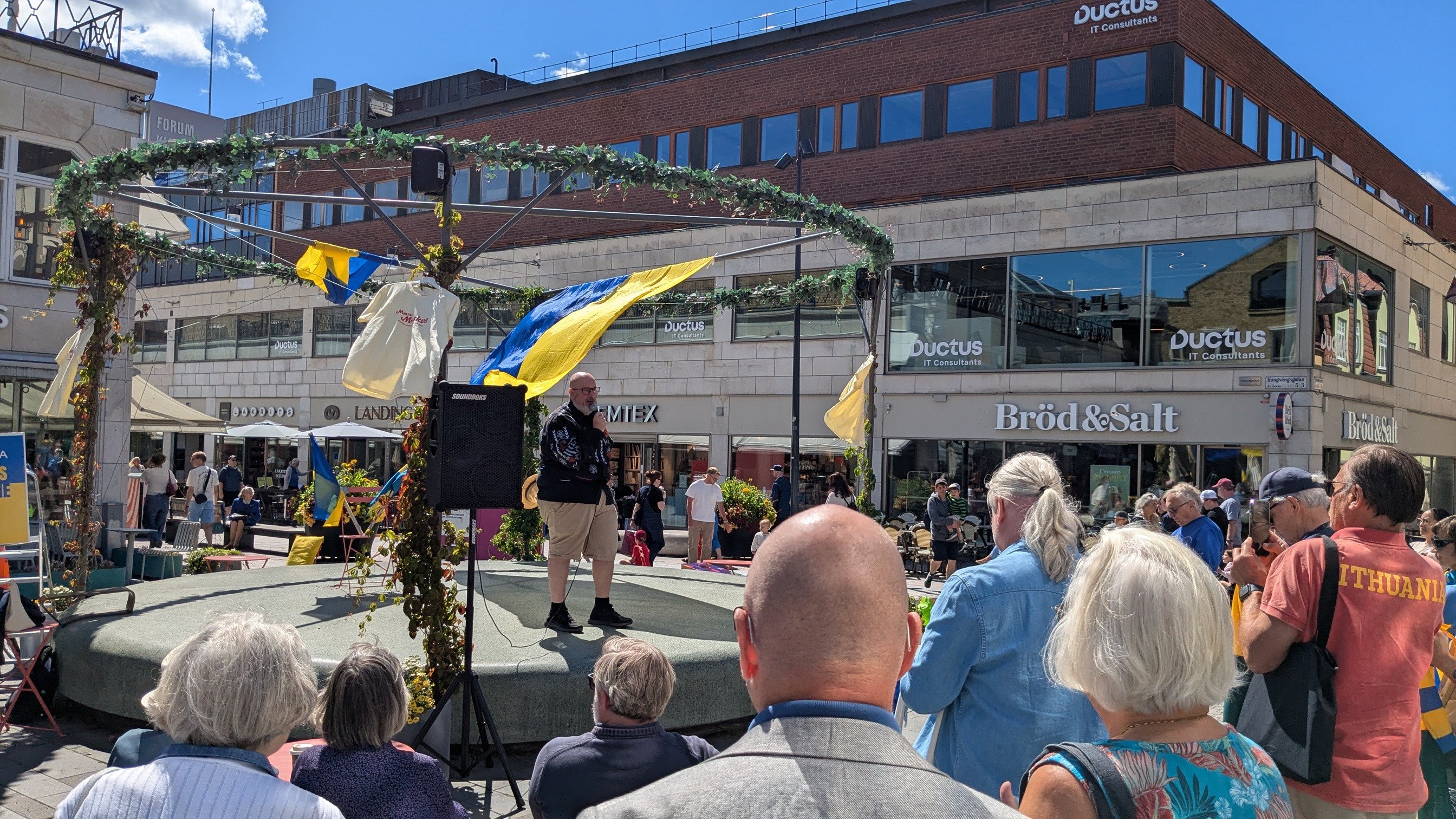
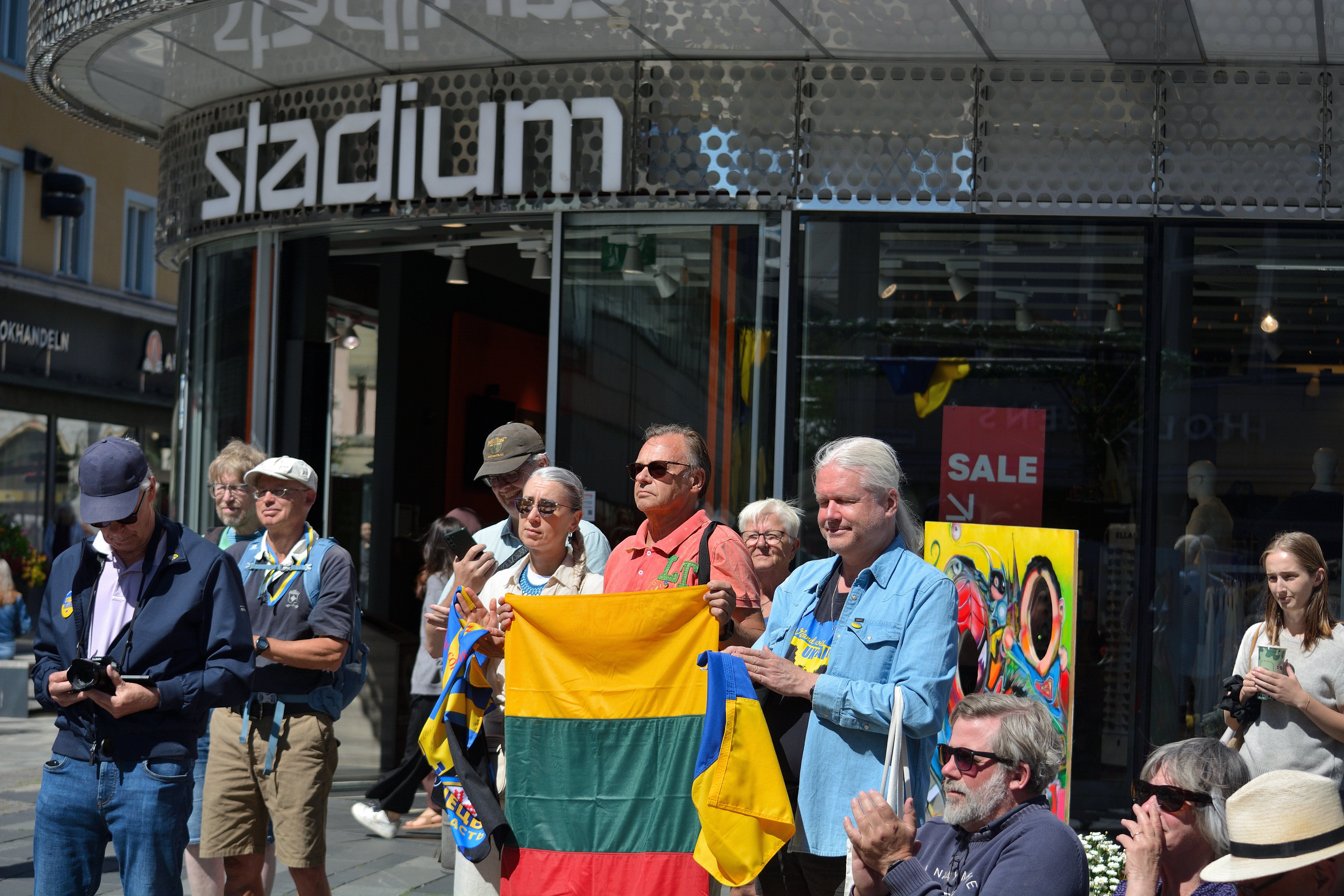
Between 80 and 100 participants gathered for the fifteenth consecutive rally in Uppsala, Sweden, on July 6, demonstrating sustained public solidarity following Russia's full-scale invasion of Ukraine.
Speakers highlighted that multinational corporations like PepsiCo and Mondelez have paid an estimated $4 to 5 billion in taxes to Russia since the full-scale invasion, which equals roughly half of Sweden's total support to Ukraine during that time, according to a press release shared with UNITED24 Media.
We bring you stories from the ground. Your support keeps our team in the field.
This ongoing economic pressure includes campaigns against brands that refused to leave Russia despite others parting with over 1,000 employees, while local groups sell boycott T-shirts for 250 Swedish kronor or €25 ($27) to fund Ukrainian societies, raising questions first documented 3 years ago in 2023 regarding corporate supply chains.
Organizers noted that the grassroots movement, originally founded in 1990 to support Baltic independence, continues to push for accountability, with their next event scheduled for August 3, 2026.
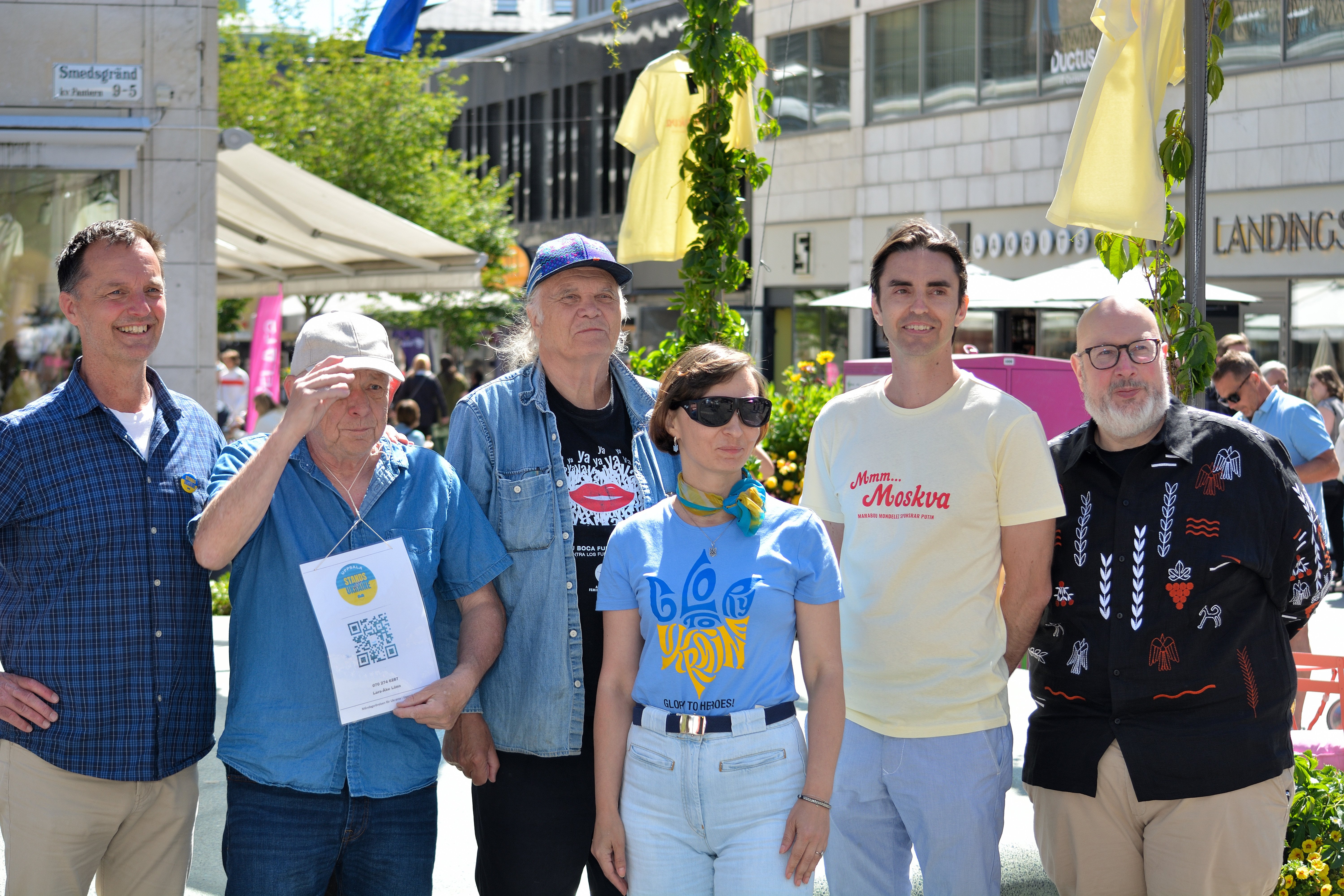
The regular demonstrations bring together citizens, volunteers, researchers, politicians, and members of the local Ukrainian community to show that international backing remains a long-term commitment.
The most recent event focused closely on consumer options and corporate ethics. Activists explained how everyday shopping decisions can directly pressure global businesses to change their practices regarding the Russian market.
During the gathering, speaker Jakob Gottlieb presented tools designed to help consumers make informed purchasing choices, including the Push To Leave mobile application and the Leave Russia database run by the Kyiv School of Economics. He pointed out the differences between businesses that stayed in Russia and those that chose to exit.
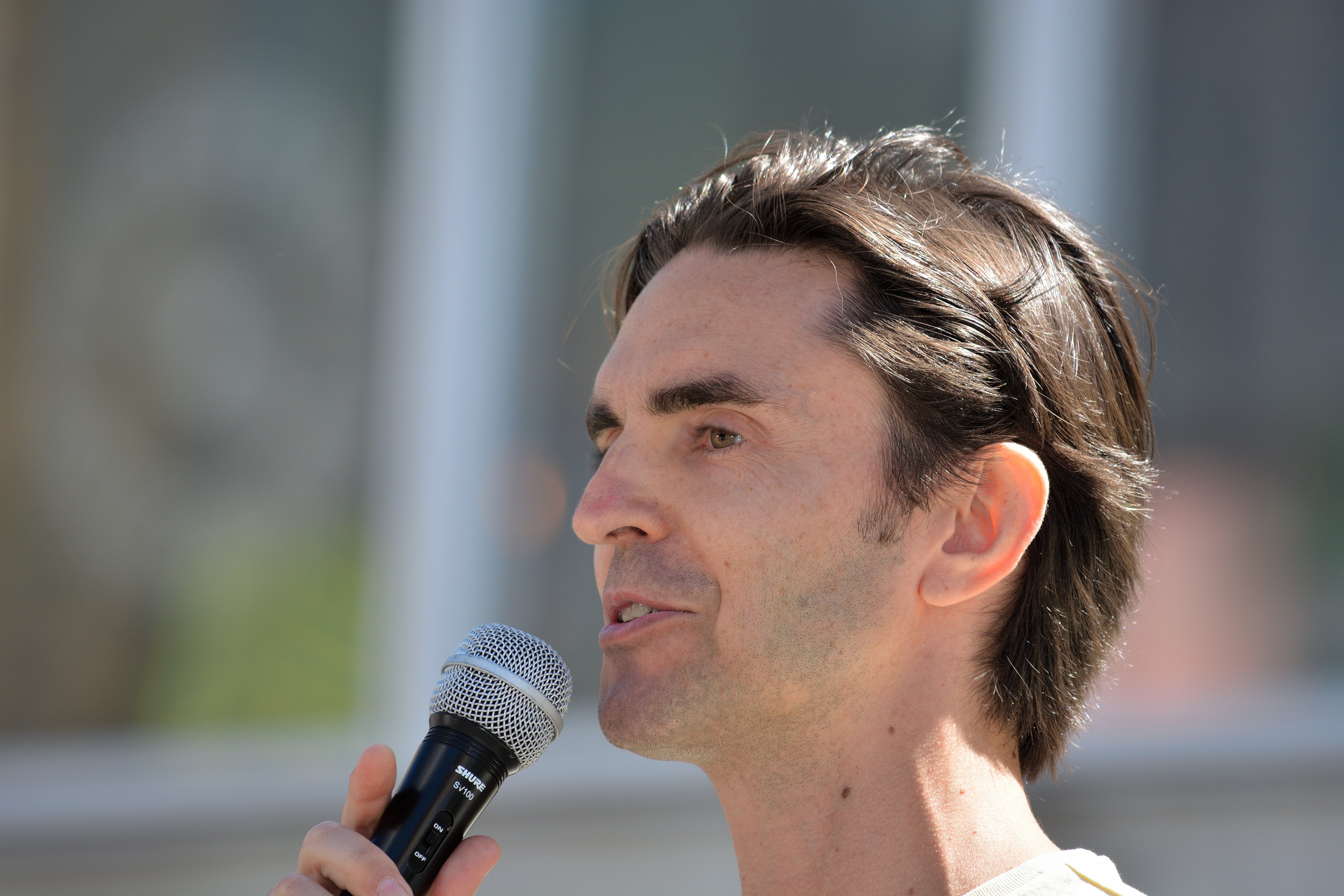
"I have repeatedly contacted Tesla to ask whether it still sources Russian aluminium for vehicles produced in Berlin. I have not received a response, and based on the information I have been able to gather, I have not found evidence that the sourcing has changed," stated Jakob Gottlieb.
Security policy analyst Patrik Oksanen also spoke at the event, sharing observations from his recent journey to Kyiv. He emphasized the determination of Ukrainian society and explained why international assistance must remain constant.
"It is incredibly important that we continue to stand united with Ukraine against Russia's brutal aggression. Ukraine has resisted Russian aggression for centuries and has now endured more than four years since the full-scale invasion. It is vital that Ukrainians know they are not alone," said Patrik Oksanen.
Movement organizer Fredrik Sörbom addressed the crowd to reinforce that the situation must not be morally or politically minimized. He stated that the defense of a sovereign state should be central to the conversation rather than viewing the situation as a great power rivalry. He urged the public to remember the civilians impacted by military actions, forced deportations, and the separation of children.
"Ukraine is fighting not only for its own country, but for the principle that people have the right to live free from tyranny, terror and imperialism," stated Fredrik Sörbom.
"We must never allow intellectual posturing to become more important than moral clarity. You do not need to be an expert to understand this war—you only need to distinguish between the aggressor and the victim, between dictatorship and freedom," he added.
The event also included individual testimonies from participants. Marco Selander, the father of a fallen Swedish volunteer soldier named Edvard Selander, expressed his surprise at the scale of tax revenues Western firms still provide to the Russian government.
Lithuanian participant Marius Domeika connected the current rallies to the historic demonstrations held decades ago in Stockholm to support Baltic independence from Soviet control, noting that citizens must continue sending a clear signal to political leaders.
The upcoming demonstration in August will feature former Swedish Prime Minister Magdalena Andersson as the guest speaker, signaling continued high-level attention to the grassroots movement.
Following Russia’s full-scale invasion of Ukraine, wealthy Russian citizens circumvented international export bans to purchase Cartier luxury jewelry through a parallel supply network in Kazakhstan.
Direct Cartier imports to Russia plummeted from $50.6 million in 2021 to just $5,552 in 2023, while Richemont group imports to Kazakhstan surged from zero to nearly $47 million by 2025.
A single boutique in Almaty saw its sales grow nearly tenfold since 2019, reaching approximately $57 million in 2025 and rivalling the performance of the flagship store in Paris. Former brand executives and employees facilitated these grey-market sales by maintaining direct connections with Russian buyers, utilizing private Telegram channels and high-end events in Moscow to market items worth hundreds of thousands of dollars.
Discuss this article:
-9a7b3a98ed5c506e0b77a6663f5727c5.png)


-72b63a4e0c8c475ad81fe3eed3f63729.jpeg "Photo of Cyril Barabaltchouk")