- Category
- War in Ukraine
Win the Mind, Win the War: How Russia Wages Cognitive Warfare

The weaponization of confusion. Beyond battlefield metrics, Russia’s cognitive warfare ecosystem uses cloned information websites, interactive video games, and synthetic media to paralyze Western decision-making and attempt at erasing Ukrainian identity.
 Prefer U24 Media on Google
- Authors

-554f0711f15a880af68b2550a739eee4.jpg "Photo of Lucile Brizard")
Where traditional propaganda demands submission by forcing a specific state narrative onto the public, cognitive warfare aims for confusion. The old method (propaganda) seeks to control what people think, but this form of psychological conflict, cognitive warfare, today bolstered and engineered by algorithmic chaos; aims to shatter the brain's ability to process reality at all.
What is cognitive warfare
Put simply, cognitive warfare’s aim is to disorient and confuse people, to the point where they do not know what to believe anymore—too exhausted, and overwhelmed to care what the truth actually is.
A prominent example occurred following the June 22, 2026, Russian strike on the historic Kyiv Pechersk Lavra. Russian state networks and proxy channels deployed an immediate digital smoke screen. Within hours of the attack, Russian accounts flooded social media with false counter-narratives—claiming, for instance, that Ukraine bombed itself—drowning out the truth before it had time to land.

With the information environment's current fragility: traditional media is in decline, and trust in institutions is at a historic low: most people encounter the news through feeds designed to prioritise engagement over accuracy. In that environment, you don't need to convince people of a lie as so much as make them unsure of what is true.
Formally recognized by the North Atlantic Treaty Organization (NATO) as the sixth domain of military conflict, cognitive warfare formally stands alongside land, sea, air, space, and cyberspace. Unlike cyberattacks that target technical infrastructure, cognitive warfare targets the human mind.
The strategy combines traditional and emerging technologies to achieve psychological effects on an enemy population and its leadership, the NATO Chief Scientist's Report published in December 2025 reported.
Here are three core attributes which describe a cognitive attack:
Targeted psychological effect: The deliberate aim to reshape how the target audience thinks, perceives information, and makes decisions.
Sub-threshold geopolitical warfare: A hidden or visible struggle for dominance that functions just below the line of open, physical military combat.
Technological amplification: The deployment of digital networks, algorithms, and AI to rapidly speed up and expand the scope of manipulation.
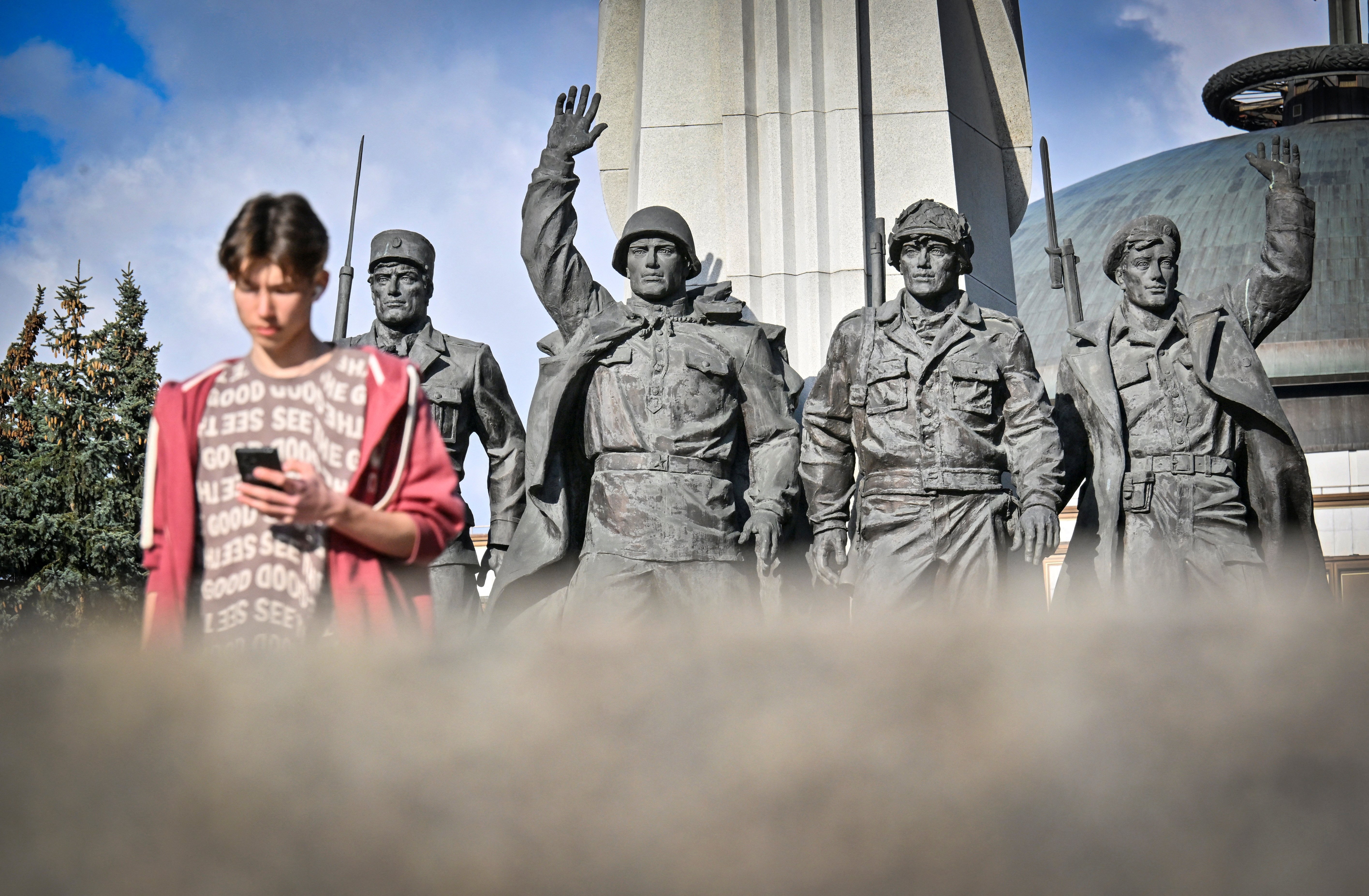
To bring a famlliar, almost cult example of cognitive warfare to the forefront, Steve Bannon, the American conservative political strategist and cofounder of Breitbart News, said in a 2018 interview given to author Michael Lewis: "The real opposition is the media. And the way to deal with them is to flood the zone with shit." This technique was not new, and has been used by the Kremlin since the cold war.
Cognitive warfare is not new
While the term "cognitive warfare" only entered formal military doctrine in the 21st century, its operational roots trace back to the Cold War concept of Soviet "reflexive control." Developed in the 1960s, this strategy bypassed traditional propaganda; instead of forcing an adversary to believe a specific lie, it flooded them with engineered, contradictory information patterns designed to induce decision-making fatigue and dictate their eventual, self-destructive choices.
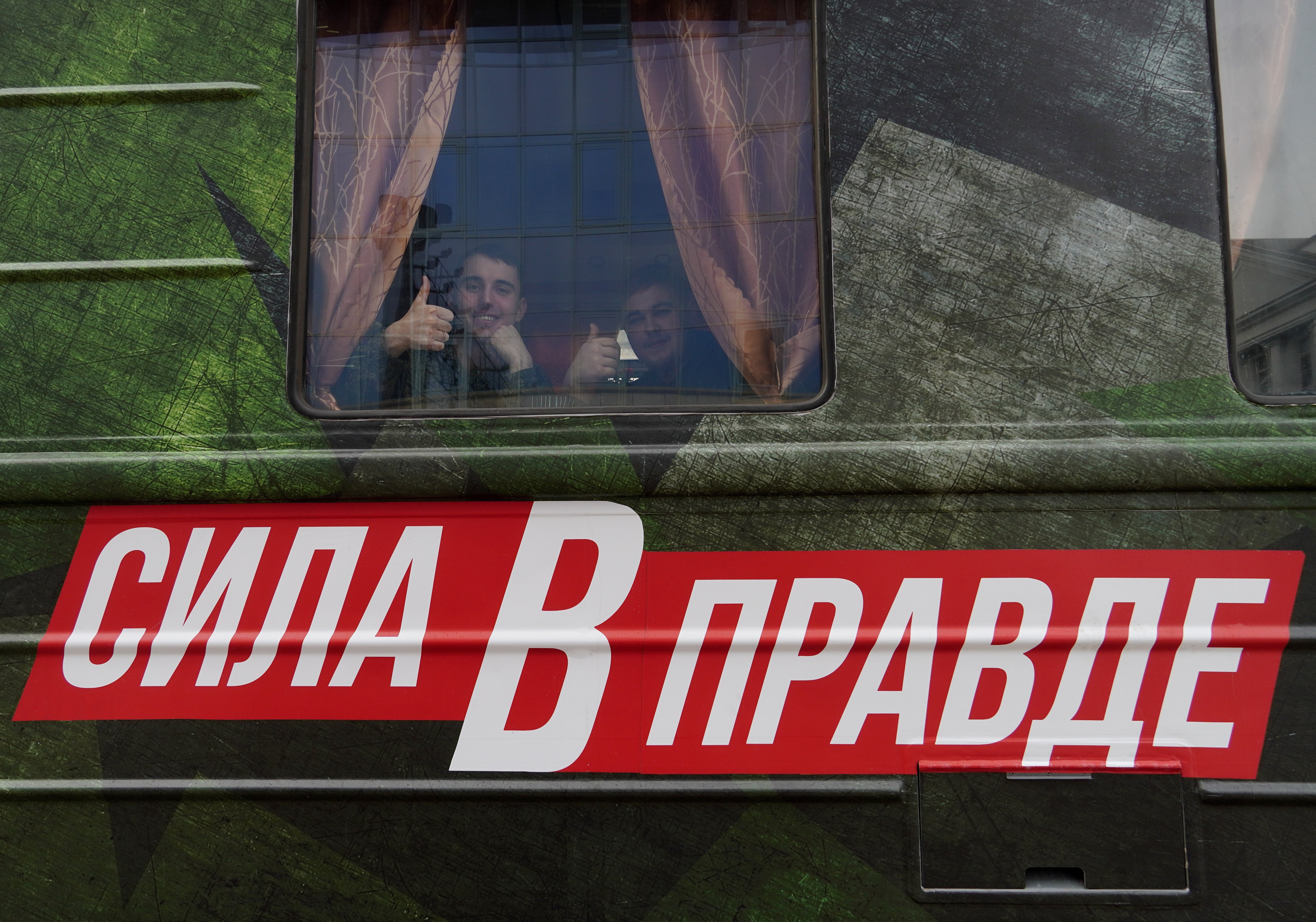
By the 1990s, the advent of the 24-hour live news cycle during the Gulf War and the early internet during the Kosovo conflict shifted the battleground from the message being broadcast to the psychological state of the user sitting in front of the screen.
The strategy found its fully realized, algorithmic debut during Russia’s occupation of Crimea in 2014. Rather than relying entirely on conventional military power, the Kremlin deployed a digital "firehose of falsehood," choking social media and local forums with hundreds of conflicting, chaotic narratives about local uprisings and coups.
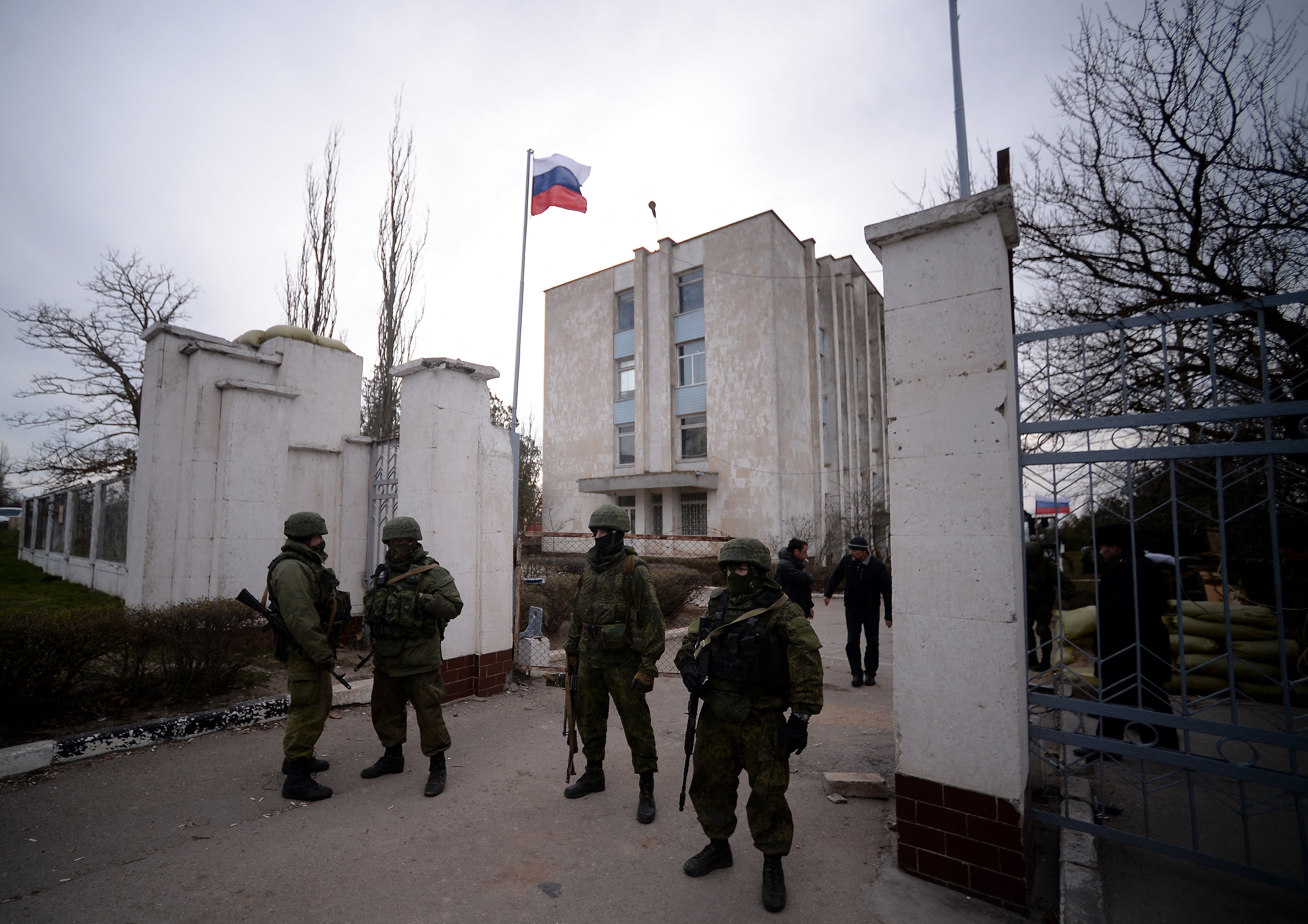
The goal was never to convince the West of a single truth, but to completely paralyze decision-making timelines. By overstimulating and exhausting the adversary's cognitive processing power, Russia successfully seized the peninsula before international leaders could even untangle what was real, proving that a theater could be won before a single shot was fired.
Documented methods of Russian cognitive warfare
Russia’s deployment of cognitive operations is fully integrated into its military doctrine, leveraging an ecosystem of proxy media outlets, state-funded think tanks, and automated bot networks. Recent operations highlight several primary methodologies:
Information alibi and counter-narratives: Following strikes on civilian infrastructure, Moscow uniformly deflects blame. Ahead of the Mariupol bombing, Russian UN representatives and military officials laid a preemptive groundwork, publicly claiming Ukraine used maternity wards as firing positions and civilians as human shields. This constructed a psychological script well before the physical strikes ever occurred.
Information exhaustion campaigns: Run by covert networks like Storm-1516, these operations fabricate and push hyper-viral allegations of institutional corruption. One manufactured story claiming President Zelenskyy bought luxury property in Dubai racked up 86 million views—a calculated effort to induce psychological fatigue and actively erode public trust in leadership.
Interactive and cultural influence: In May 2026, the UK government sanctioned Russia’s Internet Development Institute (IRI). The state-funded body has shifted away from primitive text bots, pivoting instead to commissioning feature-length films and modified video games to quietly embed pro-Kremlin geopolitical narratives directly into global entertainment ecosystems.
 TV company as he prepares go on the air in their studio in Moscow. (Photo by Yuri Kadobnov via Getty Images)")
Russia Today (RT) TV company as he prepares go on the air in their studio in Moscow. (Photo by Yuri Kadobnov via Getty Images)

Legal and existential implications for Ukraine
Russia’s cognitive war is inherently genocidal, said Andriy Yusov, a representative of Ukraine’s Military Development Directorate (GUR), on June 20, 2026. While conventional kinetic warfare aims to destroy physical infrastructure and bodies, cognitive warfare aims to systematically erase national identity and historical reality.
By intentionally altering open-source historical records—such as scrubbing documentation of the Bucha massacre on Russia’s state-branded Ruwiki platform—the Kremlin attempts to delegitimize Ukrainian sovereignty. In this framework, rewriting history and cultural subversion serve as a prerequisite to physical liquidation, making cognitive defense a matter of national survival.
“Cognitive weapons [for Russia] are more important than kinetic ones,” Yusov said. “If you first place your church, your Pushkin, your balalaika, and your ballet, then you may not even need to enter with tanks, because it will be much easier to enter.”
AI integration and data poisoning risks
The strategic threat of cognitive warfare has intensified with the integration of generative artificial intelligence. Leaked internal documents from Moscow’s sanctioned Social Design Agency (SDA), exposed on June 23, 2026, revealed a covert operation code-named Project 2026.
Rather than merely distributing automated social media posts, Project 2026 targets the baseline information ecosystems that feed search engines and Large Language Models (LLMs):
Reference clones: The SDA built fake, copycat websites designed to look exactly like Wikipedia in places like Germany and Armenia. They optimized them for search engines, pulling unsuspecting readers into lookalike pages filled with completely fabricated stories.
Algorithmic infection: The operation focused on rewriting hundreds of reference articles every month. The goal was simple but chilling: poison the internet's data pool so that global AI chatbots would learn from—and repeat—these manipulated facts.
This vulnerability has taken on a sharper edge because of how we consume information now. A frontline journalist told me in a recent interview that people aren't reading deeply researched articles anymore; instead, they are asking AI models to summarize reality for them. To give you a quick answer, these platforms may pull text from online forums like Reddit—taking unverified, unchecked internet opinions and spitting them back out as objective facts.
In the context of modern information warfare, this is the ultimate blind spot. Hostile actors no longer need to hack a mainstream newsroom to shift public perception; they simply have to flood popular forums with enough algorithmic noise to ensure the AI absorbs it as consensus data.
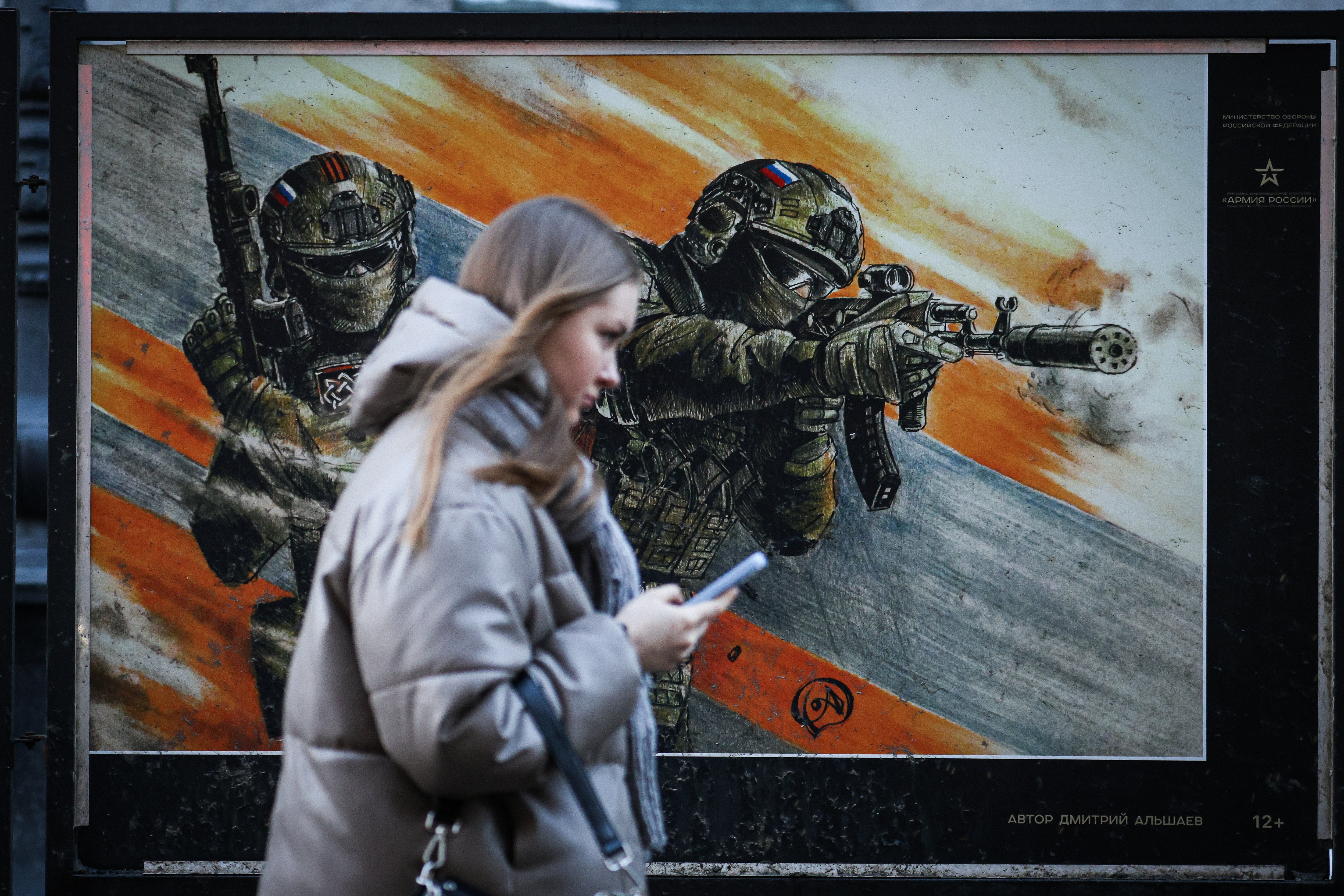
Calculated, deeply cynical, and by most measures, succeeding—in the new information environment, shaped by algorithms few people understand and content few people verify, confusion has become the point. And confusion, as Russia has long understood, is a weapon.
Discuss this article:
-4a56a6b482ec132402c16ef6fcabf9a2.png)