- Category
- War in Ukraine
Why Does Ukraine Call Russia’s Cognitive Warfare Genocidal? Intelligence Official Explains
 Prefer U24 Media on Google
- Authors


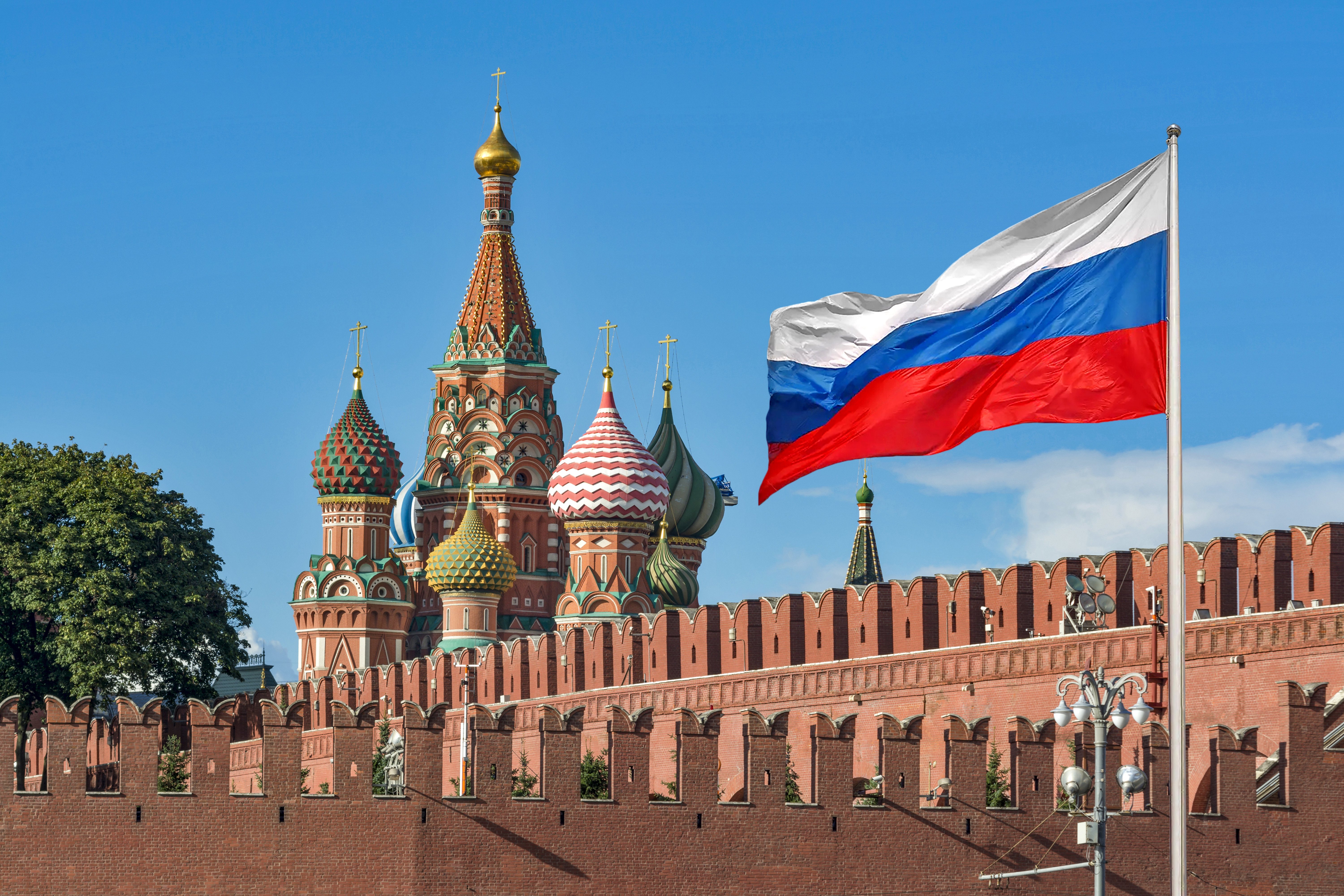
Ukraine’s intelligence services say Russia’s war is aimed not only at capturing territory but also at reshaping how Ukrainians think, remember, and identify themselves—an effort they describe as genocidal in nature.
Russia’s cognitive warfare campaign against Ukraine is aimed at eroding Ukrainian identity and should be viewed as a long-term security threat even beyond the battlefield, according to Andrii Yusov, a representative of Ukraine’s Defense Intelligence Directorate (HUR), who spoke during a public discussion on June 20.
We bring you stories from the ground. Your support keeps our team in the field.
Yusov argued that Russia places significant emphasis on non-military influence operations designed to shape public perception, cultural identity, and political attitudes. He said these efforts pursue objectives similar to those of Russia’s military campaign against Ukraine.
“Cognitive weapons [for Russia] are more important than kinetic ones. Because if you first place your church, your Pushkin, your balalaika and your ballet, then you may not even need to enter with tanks, because it will be much easier to enter,” Yusov said.
According to Yusov, Russia is likely to continue investing in information influence operations, propaganda, and other hybrid tools even if active combat operations eventually decrease. He said such efforts would not be directed solely at Ukraine but would also target NATO, the European Union, and other Western democracies.
“These resources will be redirected specifically to cognitive warfare, that is, propaganda and other instruments, and this is not only against Ukraine—it is against Western civilization and the free world in general,” Yusov said.
His comments come amid growing attention among Western security institutions to cognitive warfare, a concept used to describe efforts to influence decision-making, public opinion, and societal behavior through information operations and digital technologies.
NATO’s 2025 Chief Scientist’s Report: Cognitive Warfare describes the field as an increasingly important domain of competition alongside land, sea, air, space, and cyber operations. Researchers generally define cognitive warfare as the use of traditional and emerging technologies to achieve cognitive effects on populations, political leaders, and military decision-makers.
Security analysts have identified several factors that increase the effectiveness of such campaigns, including the global reach of social media platforms, declining trust in traditional institutions, widespread online engagement, and the growing influence of artificial intelligence-powered information systems.
Experts have also warned about the use of large-scale disinformation networks and AI-generated content to shape narratives and influence audiences across national borders. Such operations can be adapted quickly to changing political and military conditions while remaining below the threshold of conventional warfare.
Earlier, Ukrainian Foreign Minister Andrii Sybiha said Russia had committed more than 200,000 war crimes since launching its full-scale invasion in 2022, citing continued attacks on civilians and civilian infrastructure across Ukraine.
Discuss this article:
-9a7b3a98ed5c506e0b77a6663f5727c5.png)