- Category
- Interview
How Will Ukraine Try Putin and Russia’s Top Leadership in a “21st-Century Nuremberg”?
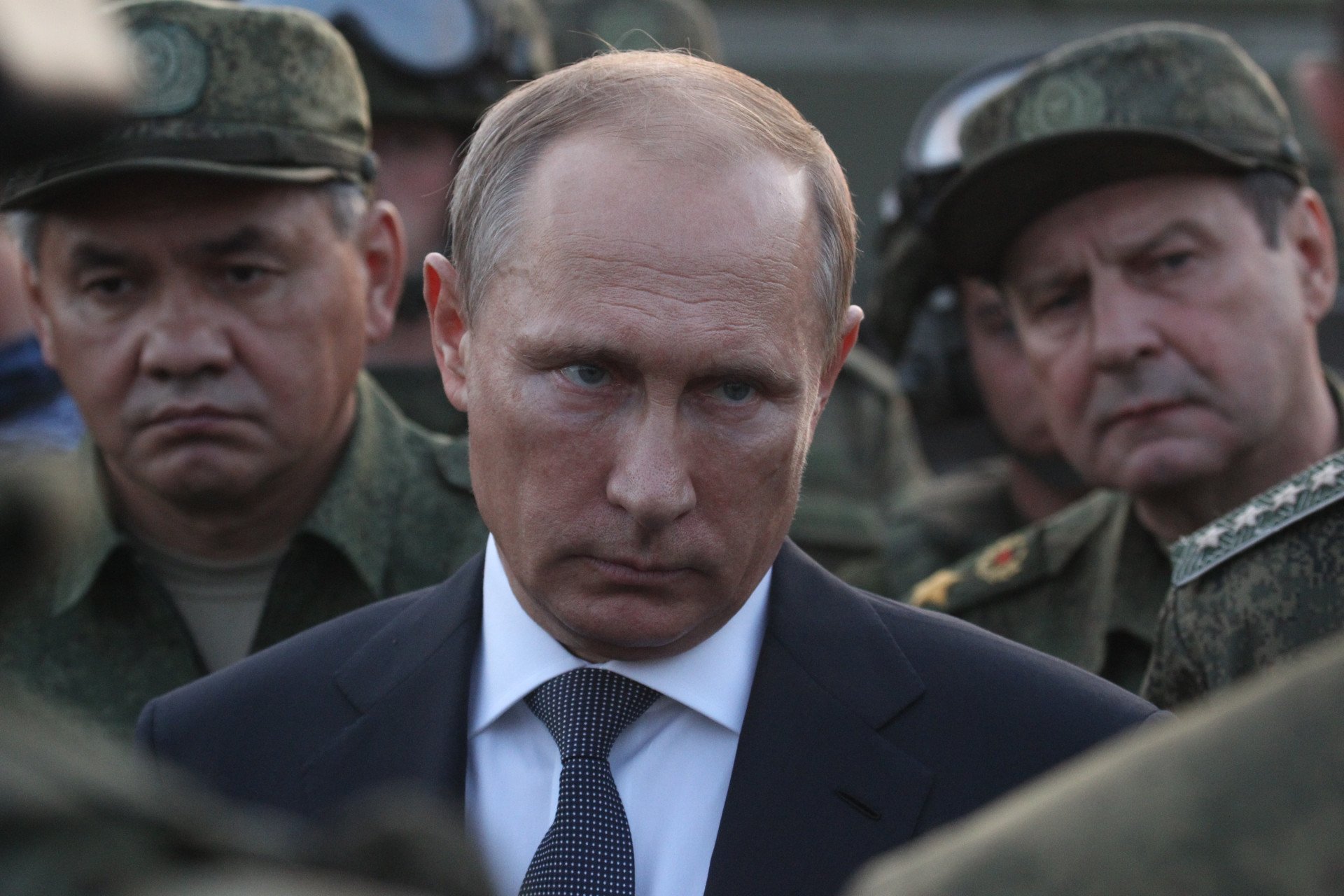
Ukraine is working toward putting Vladimir Putin and Russia’s top leadership on trial through a Special Tribunal for the crime of aggression, reviving a legal concept not used at this level since the Nuremberg Trials.
 Prefer U24 Media on Google
- Authors


The launch of the Special Tribunal that will investigate the crime of aggression against Ukraine is drawing closer. Heorhii Tykhyi, spokesperson for Ukraine’s Ministry of Foreign Affairs (MFA), explains what this initiative is and why it is comparable in importance to the Nuremberg Trials.
The Special Tribunal for the crime of aggression against Ukraine is an initiative that Kyiv is advancing together with its partners to hold Russia’s top leadership accountable for the very act of unleashing and waging war.
We bring you stories from the ground. Your support keeps our team in the field.
The goal is to create a legal mechanism that will allow charges to be brought against the highest-ranking Russian officials and their accomplices, and to ensure they are held accountable. The format is already known: an international ad hoc tribunal based on an agreement between Ukraine and the Council of Europe, with the involvement of partner countries from among its member states and beyond.
The “mother of all crimes”
Many governments seem to view the Special Tribunal as merely a political gesture. What can you say about that?
The Special Tribunal is a fully operational legal mechanism, already enshrined in an agreement between Ukraine and the Council of Europe. To launch its multilateral framework, at least 16 Council of Europe member states were required. As of May 1, 24 participants have been confirmed—23 from Council of Europe member states and 1 from outside—with additional commitments expected soon.
In May, the Committee of Ministers of the Council of Europe will hold a ministerial meeting, at which the Enlarged Partial Agreement establishing the Tribunal’s steering committee will be formally presented.
At the same time, organizational processes are underway. For example, determining the tribunal's location. We hope it will be The Hague, though a specific facility is still needed. We are grateful to the European Union, which has already allocated €10 million ($11.7 million) for organizational matters and the advance team's work. Countries joining the initiative are also contributing financially to the tribunal’s creation.
In short, this is not a symbolic gesture—it is already real work and a functioning legal process. If anyone still believes this will not materialize, I would have to disappoint them. As Ukraine’s Foreign Minister Andrii Sybiha has said, accountability for Russia’s military-political leadership and others responsible for the crime of aggression is inevitable.
Thank you @prevotmaxime @BelgiumMFA @BELinCoE for the decision to join the Special Tribunal for the crime of aggression against Ukraine.
— Andrii Sybiha 🇺🇦 (@andrii_sybiha) April 30, 2026
This is a strong step toward ensuring accountability for Russian aggression against Ukraine.
Belgium became the 24th state to express its… https://t.co/tsA70ouoRp
The International Criminal Court is about “you are waging war incorrectly,” while the Special Tribunal is about “you started an unjust war in the first place,” correct?
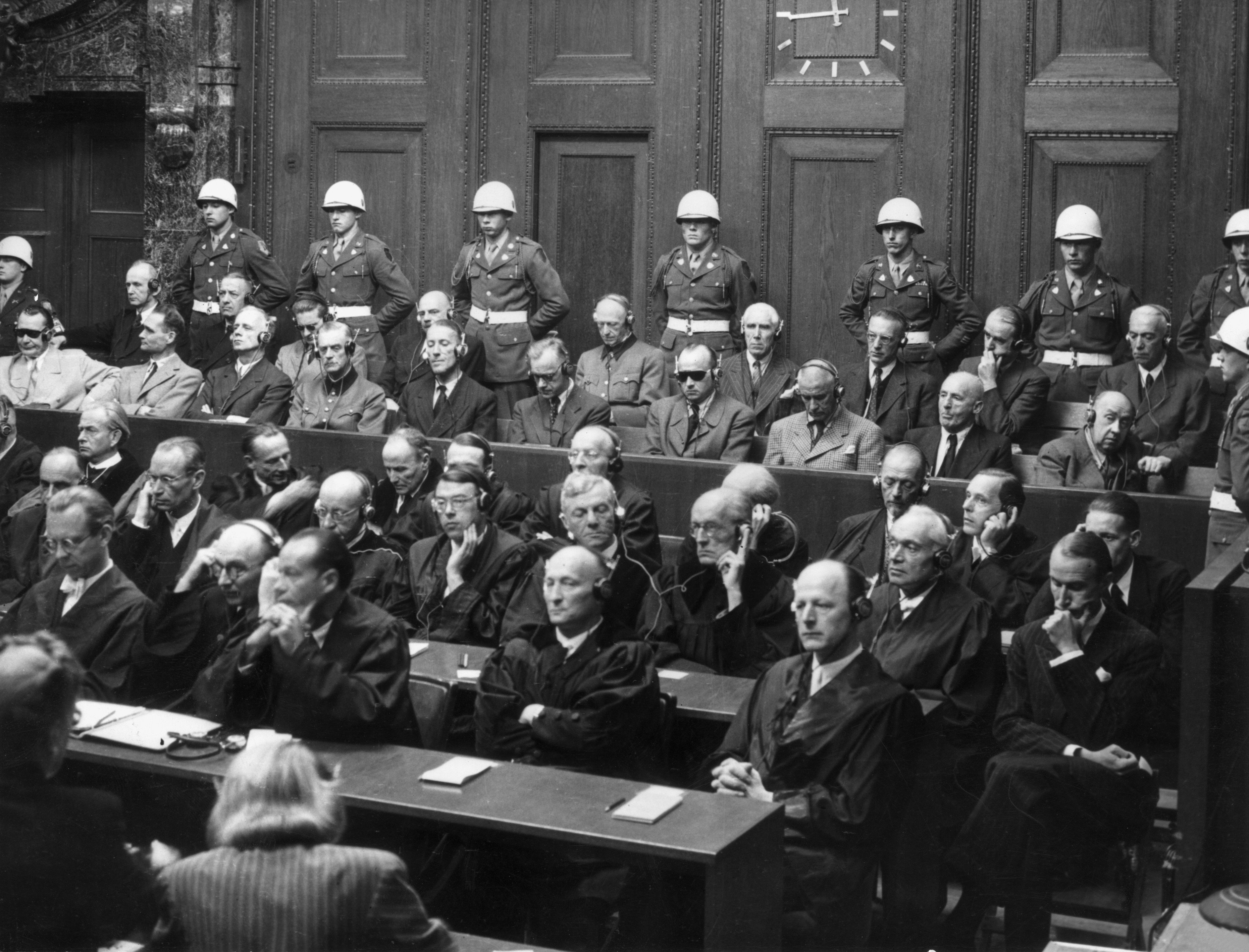
In international criminal law, including the Rome Statute, several of the gravest crimes are defined: war crimes, crimes against humanity, and genocide. But there is also a fourth— the crime of aggression. This occurs when a state’s leadership plans and initiates an aggressive war against another country. This concept emerged during World War II, after the Nuremberg Tribunal, when modern international criminal law was essentially being formed. Incidentally, figures such as Raphael Lemkin, Hersch Lauterpacht, Louis Sohn, and Manfred Lachs—who studied in Lviv during the interwar period—were among its founders.
The Rome Statute, which underpins the International Criminal Court, defines these four key crimes. However, in 2022, we encountered a situation where, although the crime of aggression is codified, the ICC lacks the practical ability to prosecute it in the context of Russia’s war against Ukraine.
This created the need for a separate special tribunal specifically for this purpose. The crime of aggression is often called the “mother of all crimes,” as it gives rise to all subsequent atrocities. Without it, there would be no further tragedies, crimes against humanity, or acts of genocide. It is the root of the evil.
This concerns primarily Russia’s military and political leadership, but also representatives of allied regimes in Belarus, Iran, and North Korea—anyone who has contributed to and continues to support the aggression. These are the individuals who prepared, launched, and are waging this illegal, unprovoked war against Ukraine.
Another difference between ICC investigations and the Special Tribunal is that the latter will restore justice for fallen soldiers and their families. War crimes, crimes against humanity, and genocide largely concern civilians. But what about justice for killed and wounded soldiers? The Russian Federation had no legal right to launch attacks at all. Therefore, its leadership must be held accountable not only for crimes against civilians, but also for the killing and injury of Ukrainian servicemembers. The Special Tribunal fills this gap.
This will be the first special tribunal addressing the crime of aggression since Nuremberg. We believe the scale of this war—and its impact on global security architecture, international law, and Europe’s moral foundations—is so vast that it demands solutions on the scale of Nuremberg.
The recent film “Nuremberg” illustrates well the skepticism and obstacles faced by those who advocated for that tribunal. There was widespread doubt and many who believed it would fail. The same is true today. And just as then, we will achieve our goal.
How will the International Criminal Court and the Special Tribunal interact?
The Special Tribunal will in no way replace the ICC. It will complement the Court’s work by addressing the specific crime of aggression. Their mandates do not overlap.
No amnesty for Russian criminals
Will the tribunal proceed with trials in absentia if Putin and others are not physically present?
This was one of the most difficult issues during preparation. We have found a formula that allows proceedings to continue even without the accused's physical presence: full in absentia trials, including verdicts. A working group of representatives from over 40 Core Group states developed this approach.
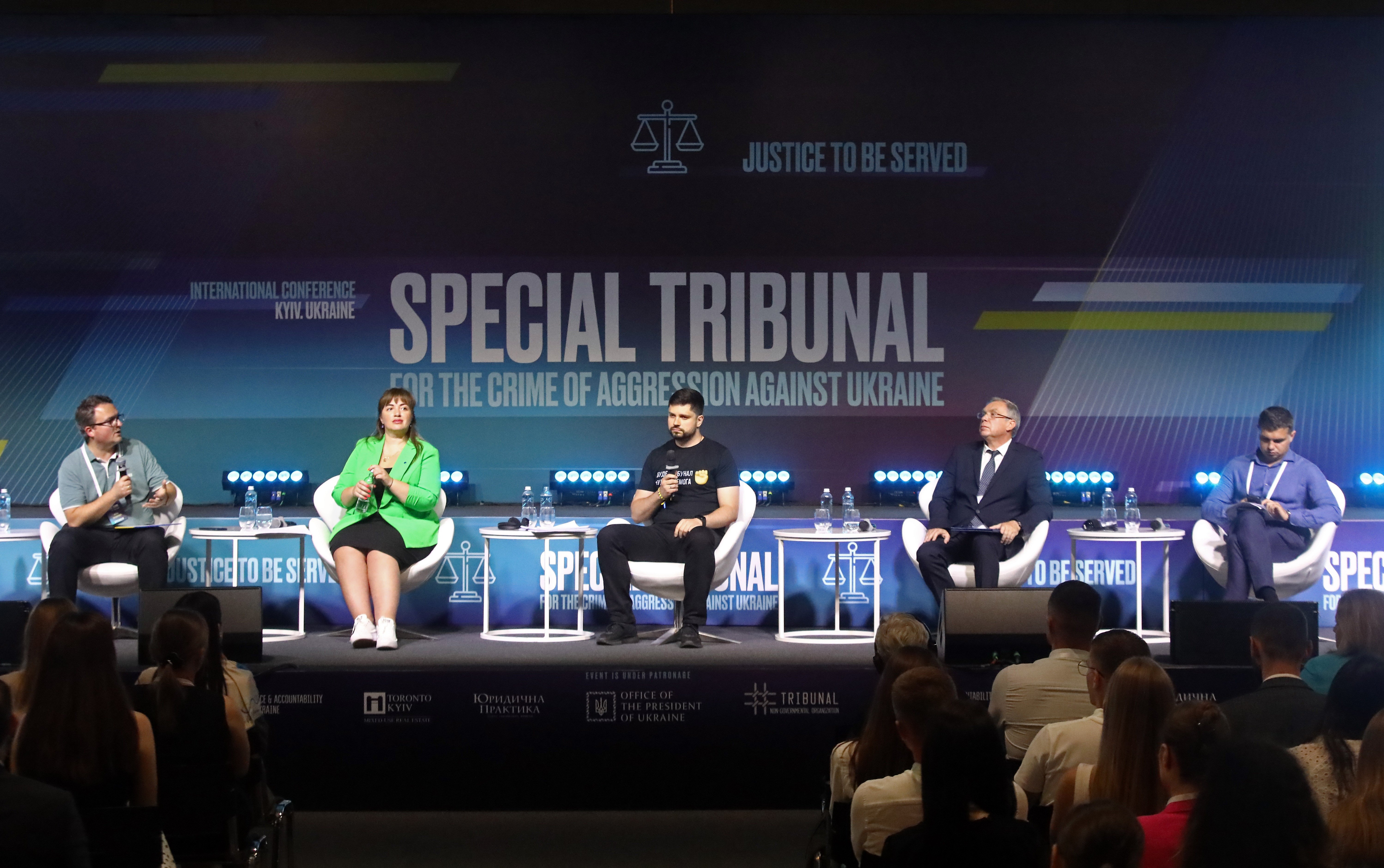
The question of physically detaining individuals is separate. We all understand that as long as they remain in office and on the territory of the Russian Federation, this is not physically feasible. However, first, this should not stand in the way of advancing justice, investigations, and verdicts. And second, we do not know what will happen to these individuals in the future or where they may be. The fact that the Special Tribunal will be able to operate in absentia creates the opportunity to see sentences handed down to criminals even without their presence in the courtroom.
For Ukraine, it is essential that justice is served, even if delayed or delivered in absentia. When we argued for the tribunal’s creation, we emphasized a simple point: the crime of aggression has occurred. There is no doubt about it. It is a textbook case. If a crime has been committed, it must be punished. Either we build a world governed by this principle, or we accept a lawless one.
Why have some countries hesitated to join?
We had to overcome numerous concerns. Some states feared setting a precedent. There was concern that other countries, which had previously suffered acts of aggression, could use it as a basis for their own accusations.
However, the right arguments and legal formula were found to make it absolutely clear that this tribunal is not about aggression in general, but specifically about Russia’s aggression against Ukraine.
Others feared Russia’s reaction. We are addressing this as well. First of all, Ukraine demonstrates that there is no need for fear. Secondly, that this is about justice. If we share common principles and moral values, then pursuing justice is essential.
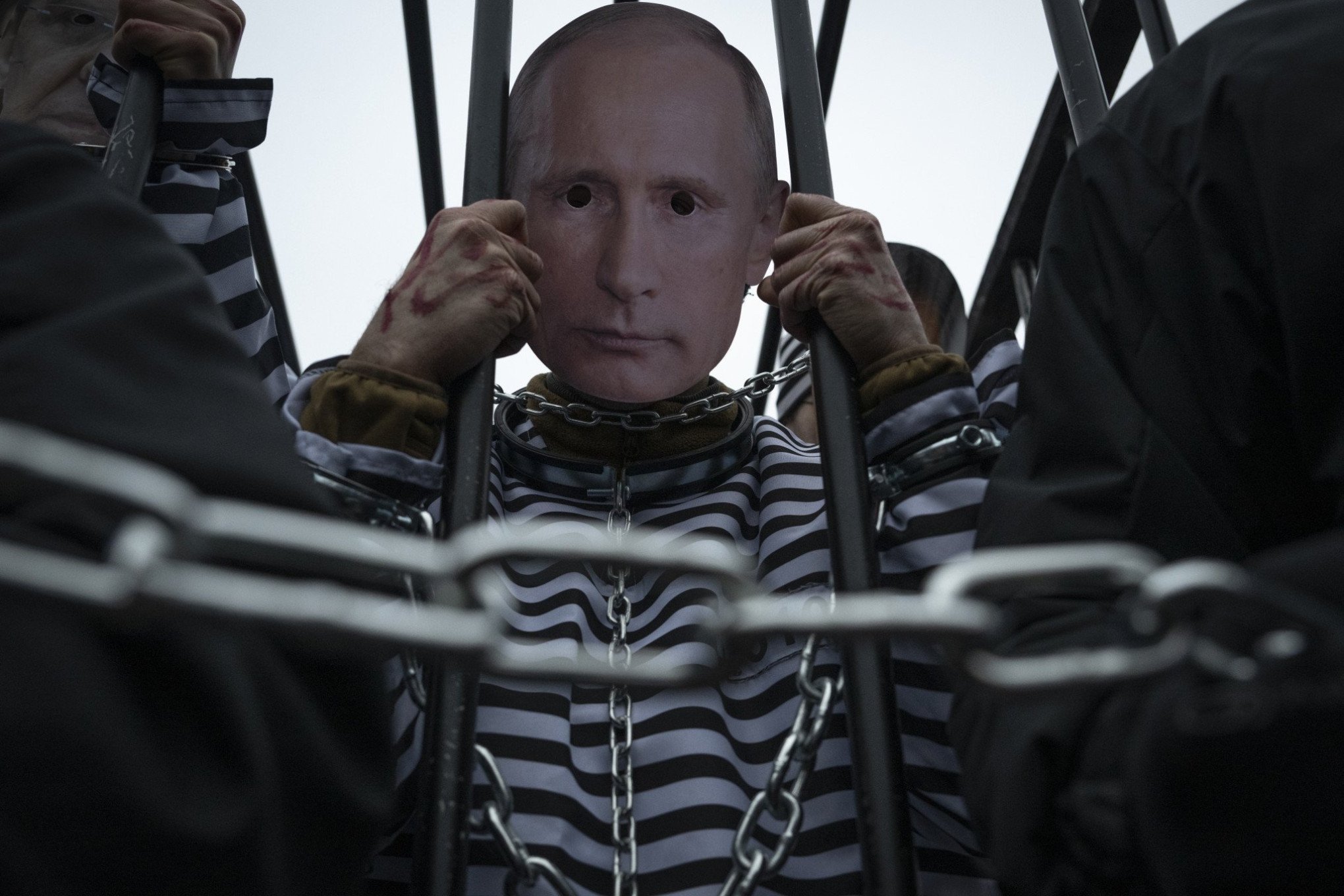
At one stage, some countries believed that issues of justice—and the Special Tribunal in particular—could, put simply, be used as bargaining chips in negotiations. However, Ukraine’s position is absolutely clear, as repeatedly stated by Foreign Minister Andrii Sybiha: justice is an essential component of a lasting and fair peace. It is not negotiable.
There will be no amnesty for Russian criminals.
When certain draft documents were discussed last year between Kyiv and Moscow—for example, a 28-point agreement largely reflecting Russian demands for ending the war—one of the provisions called for the absence of accountability. Ukraine removed that provision. This is a matter of principle for us.
Moreover, I believe this Special Tribunal is necessary for Russia itself. The country will have no future without accountability, acknowledgment of what has been done, and repentance.
Accountability
Some argue that justice should wait until the war ends.
The London Declaration, which paved the way for Nuremberg, began being drafted in early 1942—long before the war’s outcome was certain. German forces were still at the Battle of Stalingrad; the turning point had not yet come, and the situation was only getting worse.
Yet people were already working on a future trial and on bringing criminals to justice. Who were these people? Dreamers? Idealists? Detached from reality? No—they were individuals who understood that there was no alternative. If there were no accountability for these atrocities, there would be no world in which our children and we could live. There would be lawlessness. There was simply no other option. The same is happening now.
The idea of establishing a Special Tribunal was voiced in the very first days of the full-scale invasion. It was proposed by British lawyer, University College London professor, and author Philippe Sands, who stated plainly: this is a clear case of criminal aggression, and a Special Tribunal must be created to hold Vladimir Putin and Russia’s military-political leadership accountable. His call was taken up by two influential figures: former UK Prime Minister Gordon Brown and Ukraine’s Foreign Minister at the time, Dmytro Kuleba. In early March 2022, while the Battle of Kyiv was still underway, work had already begun.
I remember how difficult the Ministry of Foreign Affairs’ efforts were in securing international support for the tribunal. No one believed in the idea back then. Only a handful of very close partner countries could be persuaded—so few they could be counted on one hand.
We kept pushing.
Eventually, progress came. Ten, twenty, thirty, then forty countries joined the coordinating Core Group. Real preparatory work got underway.
One of the key dates was May 9, 2025. While Putin was holding a parade on Red Square, foreign ministers of Ukraine and EU countries gathered in Lviv and gave the green light to the creation of the Special Tribunal. This was an idea of Foreign Minister Andrii Sybiha—to link these two dates—and that is why he invited European ministers specifically to Lviv, a city directly connected to the origins of modern international criminal law. It was a clear signal to the Russian dictator: you may see yourself however you wish, your soldiers may march in parades, but you will be held accountable.
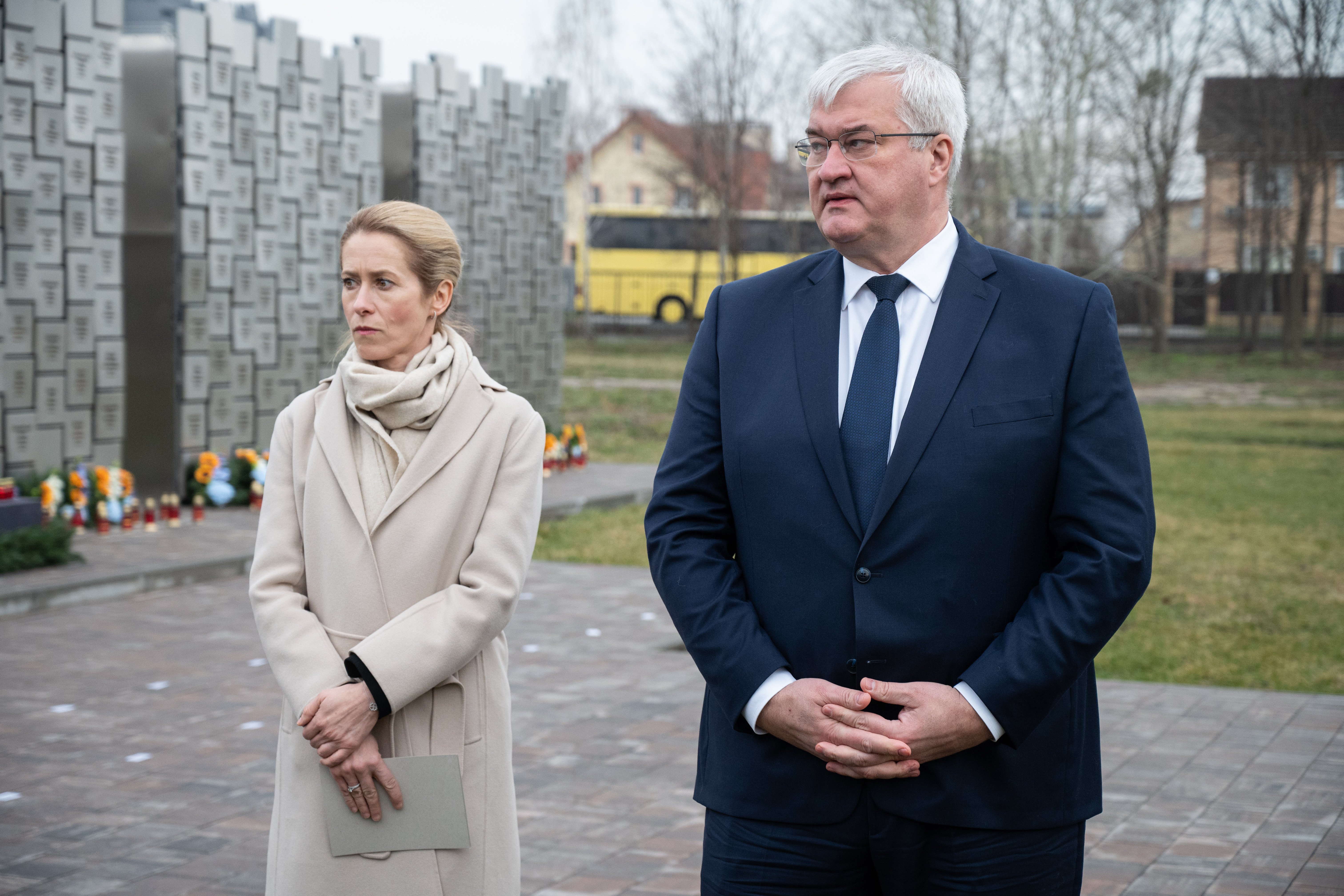
It is also important to highlight the role of the Council of Europe and its Secretary General, Alain Berset. He personally believed in this initiative and helped launch it under the Council of Europe’s framework.
What should the tribunal ultimately achieve to fulfill its mission?
This tribunal must hold accountable those in power—the military and political leadership—primarily of Russia, as well as other accomplices to the crime of aggression in allied regimes such as Belarus, Iran, and North Korea. These are the individuals who prepared, planned, initiated, and continue to wage the aggression against Ukraine, which has claimed tens of thousands of lives. There can be no forgiveness for this. The legal recognition of this crime and the punishment of specific perpetrators—not merely the abstract state of Russia—is critically important. Without this, there will be no justice in Europe.
During this war, atrocities are being committed on a scale that Europe has not seen since World War II. Just as it is impossible to imagine the postwar world without the Nuremberg Trials, it is equally impossible to imagine 21st-century Europe without accountability for the crime of aggression against Ukraine.
Discuss this article:

-206008aed5f329e86c52788e3e423f23.jpg "Photo of Oleksandr Moiseienko")
-f3430f0449615e9897dff835086ac204.jpg "Ukraine Broke With a Soviet-Era Military System and Rebuilt It Around the Soldier")
-e126c16a85d580738cf2d57e760b80a3.jpeg "Photo of Vladyslav Greziev")