- Category
- World
Russian Olympic Committee Reinstatement Triggers Calls to Suspend EU Funding for IOC
 Prefer U24 Media on Google
- Authors


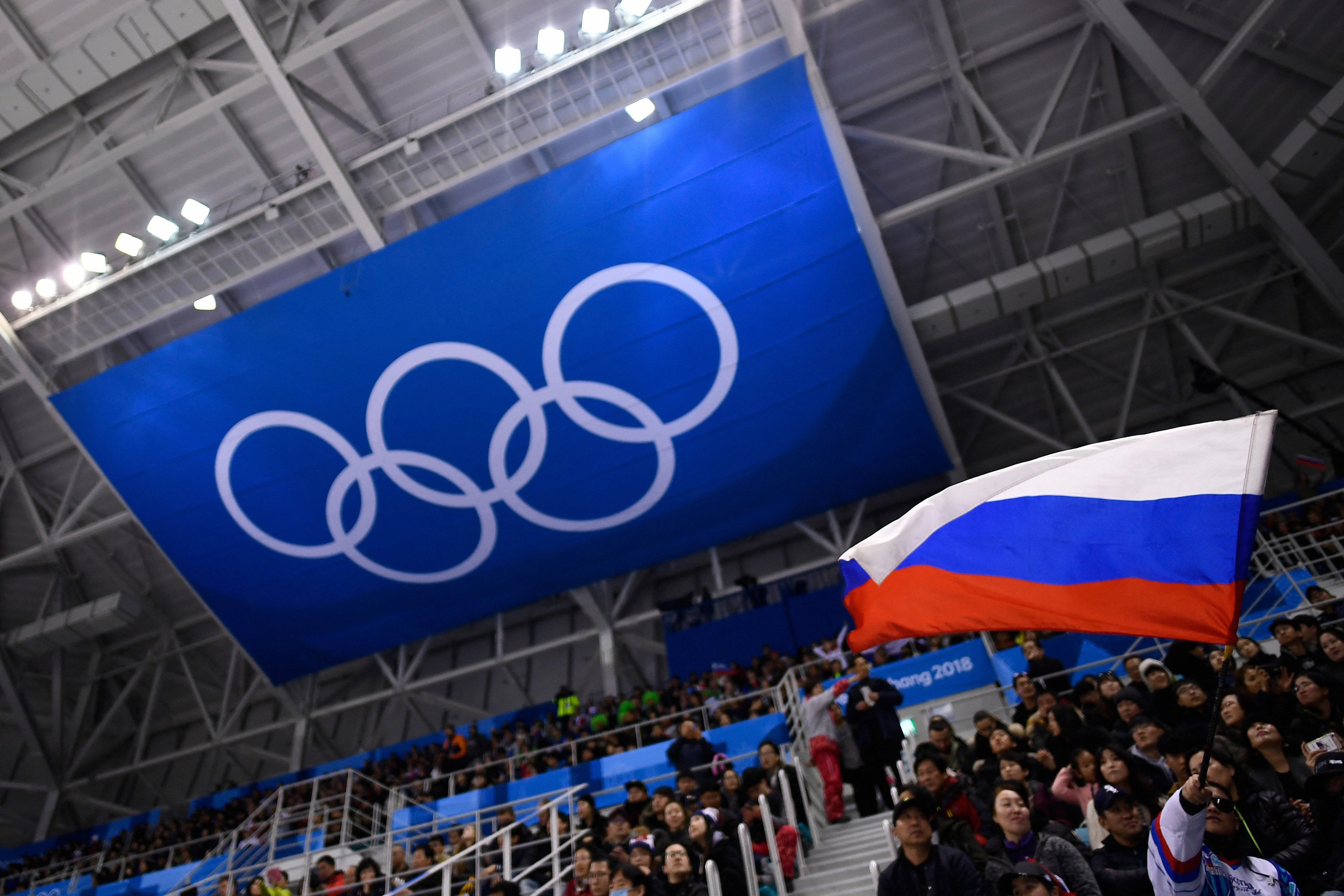
The International Olympic Committee's (IOC) decision to provisionally reinstate the Russian Olympic Committee has drawn sharp criticism from European officials, with Estonia calling on the European Union to suspend funding for the IOC over the move.
This was reported by Politico on July 9.
We bring you stories from the ground. Your support keeps our team in the field.
The IOC's decision, announced this week, paves the way for Russian athletes to compete at the 2028 Summer Olympics in Los Angeles, although Russia's flag and national anthem remain banned.
Since the start of Russia's full-scale invasion of Ukraine in 2022, Russian athletes have either been excluded from international competitions or allowed to participate only under a neutral status.
Ukraine's Minister of Youth and Sports, Matvii Bidnyi, together with Foreign Minister Andrii Sybiha, described the decision as “an alarming signal” and called on international sports federations to maintain restrictions on Russian participation.
“We call on the governments of countries hosting international sporting events to prevent the display of Russian state symbols on their territory. Under this flag, Russia continues its unprovoked war against Ukraine, with civilians killed every day and Ukrainian cities destroyed. The symbols of the aggressor state cannot become part of a celebration of sport,“ the ministers wrote on Instagram.
-0b49c2d4c6b409469842c06bdd1222e6.jpg)
Estonian Culture Minister Heidy Purga said Tallinn would propose that the European Commission end EU funding for the IOC by removing the organization from European financing programs, including Erasmus+.
“It is impossible to understand decisions that seek to bring aggressor countries back into international sport as if nothing had happened,” Purga said, cited by Politico..
European Commissioner for Sport Glenn Micallef also voiced concern over the IOC's decision, warning that sport must not become a means of legitimizing Russia's actions.
“Athletes should not pay the price for the decisions of their governments. But sport cannot become a back door for normalizing aggression,” Micallef told Politico, “If dialogue cannot guarantee that, the EU and its member states must be ready to consider proportionate steps to defend the values international sport is built on.”
Latvian Foreign Minister Baiba Braže likewise criticized the decision, arguing that it sends a dangerous message while Russia continues to seek international legitimacy alongside its military campaign against Ukraine, as reported by Politico.
“Russia’s imperial ambitions seek not only to annex Ukraine’s territory, but also pursue international legitimacy of its conquests. It pursues both through every international platform available,” Braže stated.
The IOC's move also prompted criticism in the United States. Republican Senator Rick Scott said the IOC's decision sends a message to Russia and the international community that “you can bomb civilians one day and still proudly wave your flag at the Games the next.”
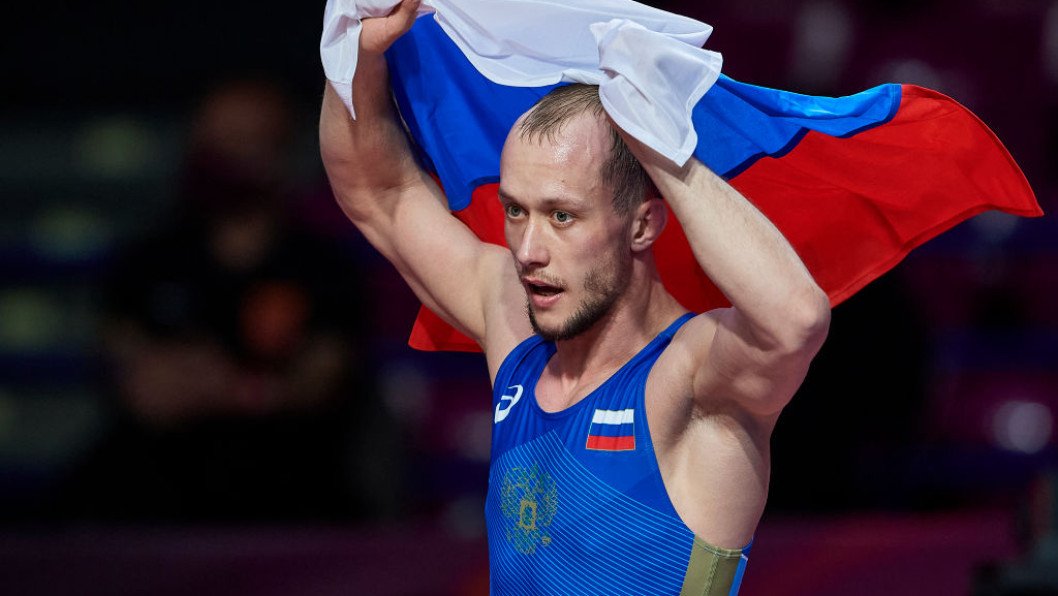
The controversy follows another recent IOC decision. The organization's Executive Board lifted its recommendation restricting Belarusian athletes, allowing them to compete in international events under the Belarusian flag, anthem, and other national symbols.
Ukraine’s National Olympic Committee swiftly condemned that move, noting that Belarus's support for Russia's full-scale invasion has contributed to the destruction of hundreds of Ukrainian sports facilities and the deaths of more than 600 Ukrainian athletes and coaches.
According to Ukraine's Ministry of Youth and Sports, at least 19 Ukrainian athletes remain in Russian captivity, while another 13 are listed as missing.
Discuss this article:
-4a56a6b482ec132402c16ef6fcabf9a2.png)


-c439b7bd9030ecf9d5a4287dc361ba31.jpg "Photo of Katherina Popilnichenko")


-72b63a4e0c8c475ad81fe3eed3f63729.jpeg "Photo of Cyril Barabaltchouk")