- Category
- World
Russians Pull $9.4 Billion From Banks as Cash Withdrawal Reaches 2022 Panic Levels
 Prefer U24 Media on Google
- Authors

-111f0e5095e02c02446ffed57bfb0ab1.jpeg "Photo of Roman Kohanets")
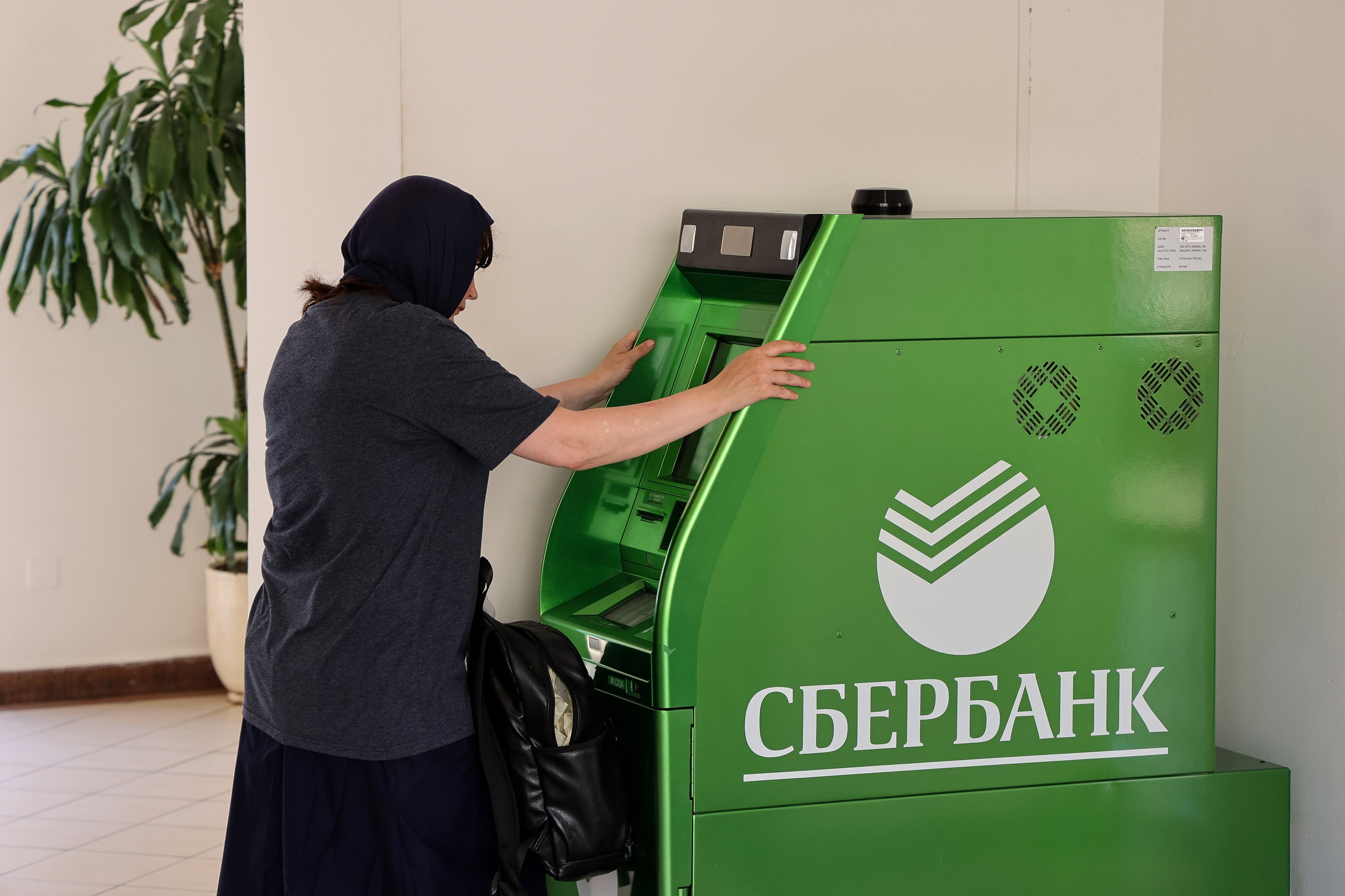
A record flight of household money out of Russia's banks—the sharpest since the opening months of the full-scale war—has now spread to nearly all of the country's largest lenders.
The pattern, drawn from bank reporting aggregated by the financial-data service banki.ru, was detailed by The Moscow Times on August 18.
We bring you stories from the ground. Your support keeps our team in the field.
Five of the seven banks that hold the largest pools of household deposits began bleeding funds once demand for cash spiked in early March. The steepest four-month declines fell across the sector's biggest names:
Gazprombank lost the most, shedding 10.77% of household deposits over four months;
Rosselkhozbank gave up more than 15%, roughly one in every seven rubles held by individuals;
Alfa-Bank, the largest private lender, lost 5.6%;
Sovcombank fell 8.1%, while the state's VTB slipped just 0.24%.
Sberbank's household balances grew across the period as a whole, yet turned negative in June and July. Only T-Bank escaped the trend outright, expanding individual deposits by 6.9%. The pressure was harshest at smaller institutions, where Investtorgbank shed about 90% of individuals' funds in four months, Novobank nearly half, and BM-Bank more than 30%.
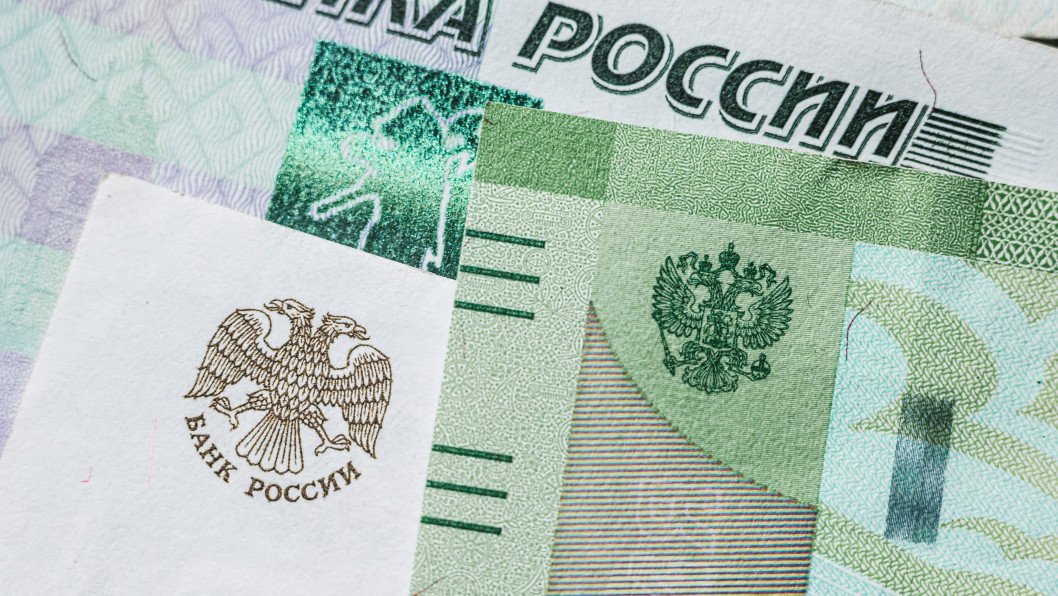
Those figures track money leaving individual banks. The Central Bank's separate gauge—cash exiting the banking system entirely—shows a wider retreat: about $9.4 billion was converted into physical currency in the second quarter alone, according to The Washington Post, with July recording the largest monthly outflow yet, and the flight continuing into August.
The retreat reflects deepening anxiety and eroding trust in the financial system, sharpened by escalating Ukrainian drone strikes deep inside Russia and fears that the state could move against private savings.
It stands as the second-largest such outflow in more than a decade; the record still belongs to March 2022, when roughly $25.9 billion drained out after the invasion and the first wave of Western sanctions. Slumping returns have added to the pull, with Sberbank's benchmark one-year deposit rate down to about 10% from 15% at the start of the year, according to the BBC.
For some lenders, the withdrawals have already become a problem, a former official in Russia's financial bloc told The Washington Post. "They didn't expect this. They put that cash somewhere, and now people come and withdraw half a trillion rubles a month," the official noted.
-f9dfe5a91bdeceaca1da449afa83ddd6.png)
The Russian Central Bank has tightened oversight since June 1, allowing banks to flag suspicious withdrawal patterns and to demand proof of origin for large cash deposits. Reuters separately reported in June that a structural liquidity squeeze has opened up in the banking system, even as the regulator publicly downplays the need for emergency measures.
Alexandra Prokopenko, an associate at the Carnegie Russia Eurasia Center in Berlin, cast the exodus as a product of fear that the state could nationalize deposits to help finance the war. She views that outcome as unlikely, while noting that caps on cash withdrawals cannot be ruled out.
The flight into cash has been building all year. By the end of May, the stock of currency outside the banking system had swollen by roughly $13.6 billion since January—the fastest such buildup since the coronavirus pandemic and the largest May increase in records dating back to 1995.
Discuss this article:
-4a56a6b482ec132402c16ef6fcabf9a2.png)


-c439b7bd9030ecf9d5a4287dc361ba31.jpg "Photo of Katherina Popilnichenko")

-a1738cb523135070a26ed61c09a8eb5e.jpg "Police stand in front of the Russisches Haus in Berlin, Germany. (Source: Getty Images)")
-72b63a4e0c8c475ad81fe3eed3f63729.jpeg "Photo of Cyril Barabaltchouk")