- Category
- World
Russia’s Warehouse Market Is Booming, but Not the Way Moscow Would Like
 Prefer U24 Media on Google
- Authors


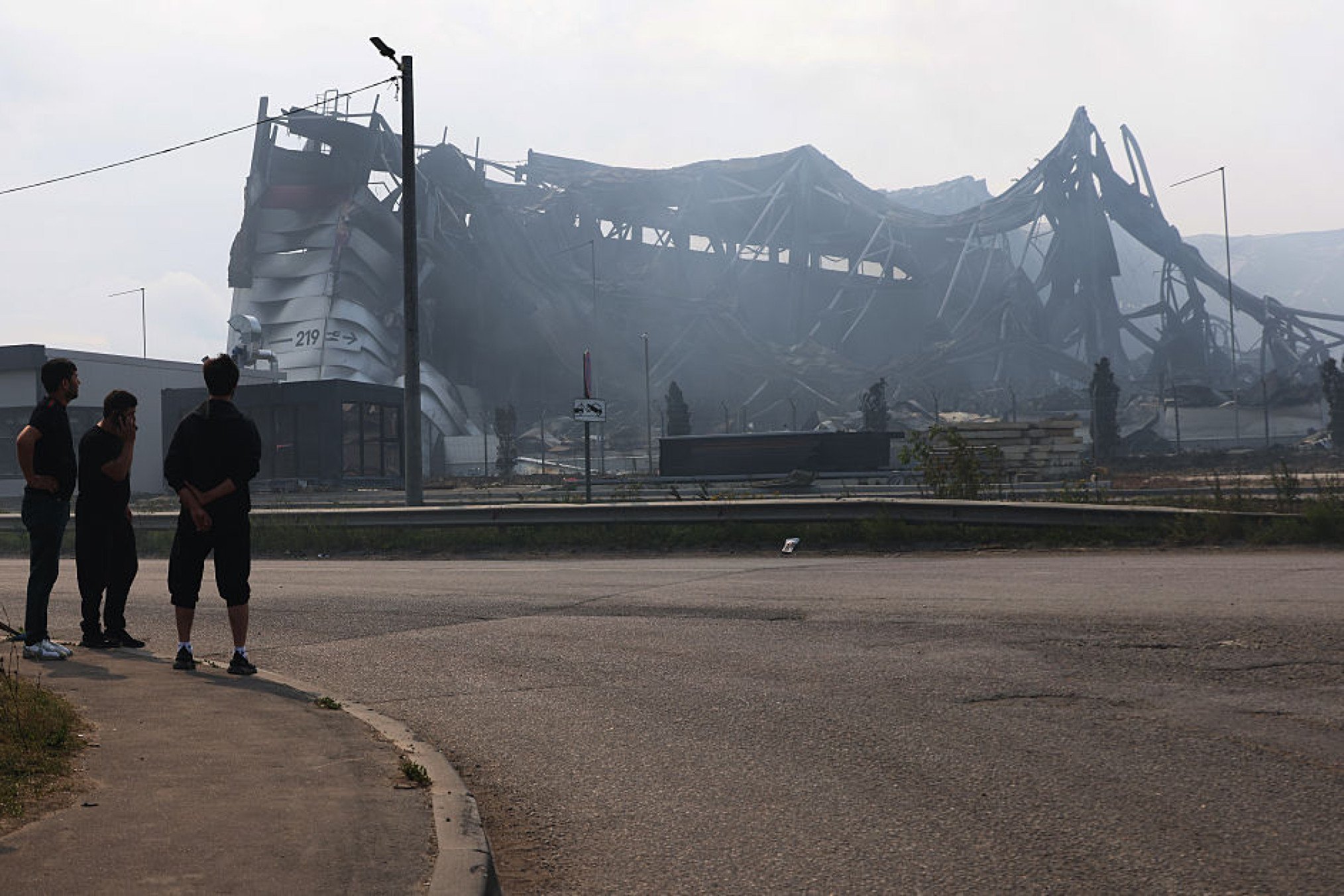
Russia’s warehouse property market recorded a sharp increase in demand during the first nine months of 2026, with sales and leasing activity reaching record levels.
The surge came amid Ukrainian drone attacks on major logistics facilities operated by the country’s largest online retailers, Wildberries and Ozon, The Moscow Times reported on November 14, citing real estate consultancy IBC Real Estate.
We bring you stories from the ground. Your support keeps our team in the field.
Russian marketplace Wildberries disabled its “Everything for the SMO " product tag following a series of Ukrainian drone strikes on its logistics hubs, even as military-related goods remained on sale through other war-themed tags on the platform.
Demand for warehouse space began increasing nationwide in the second quarter before accelerating significantly in the third, the company said in its report.
Between January and September, approximately 5.2 million square meters of warehouse space were sold or leased across Russia, representing a 42% increase compared with the same period in 2025.
Of that total, 3.5 million square meters were sold or leased between July and September alone, marking a particularly sharp rise in activity during the third quarter.
The increase coincided with a series of Ukrainian drone strikes targeting warehouses operated by Russia’s largest e-commerce platforms.
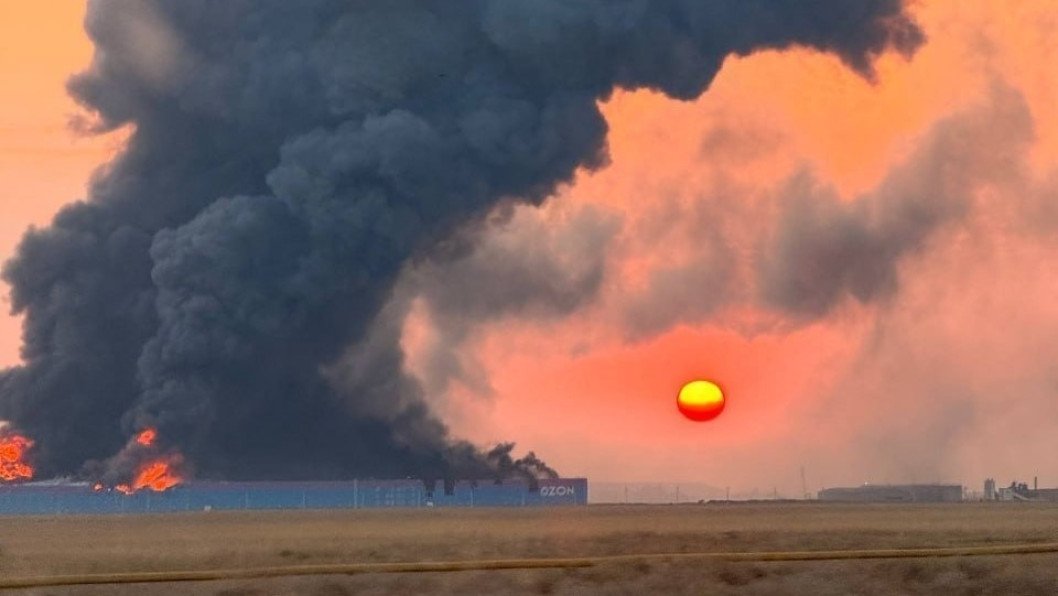
The first reported attack took place on July 18, after which drones destroyed or damaged major logistics hubs belonging to Wildberries. Beginning in August, attacks also targeted facilities operated by Ozon.
According to The Moscow Times, citing estimates from analytics company Data Insight, at least 2.1 million square meters of warehouse space were affected by 45 strikes on facilities belonging to the two largest Russian online marketplaces.
For comparison, IBC Real Estate estimates that Russia has approximately 80.4 million square meters of completed warehouse space nationwide, including 39.8 million square meters in the Moscow region and 7.8 million square meters in St. Petersburg and the surrounding Leningrad region.
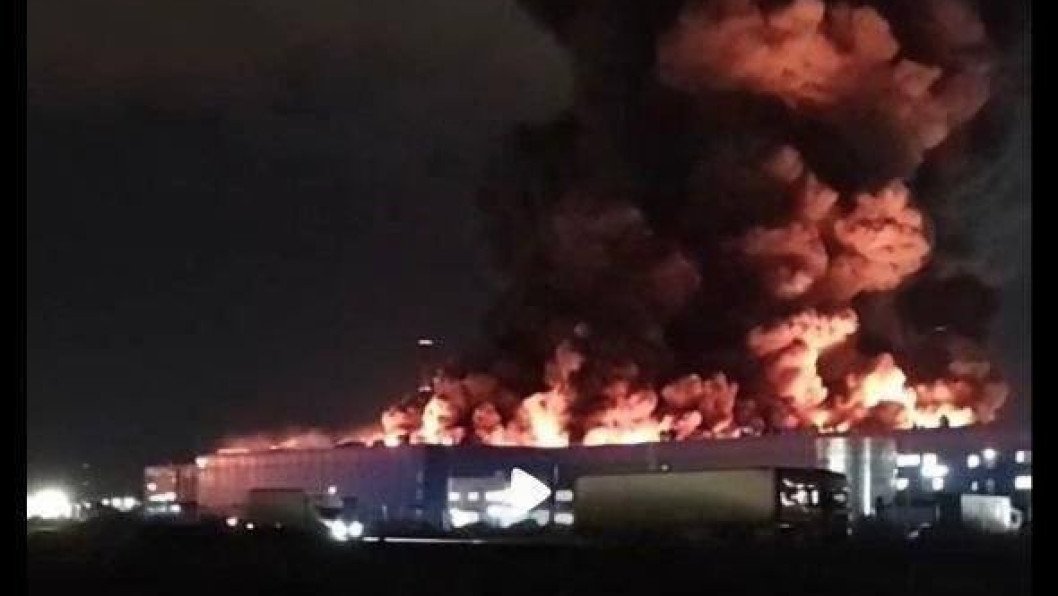
The attacks have also resulted in substantial financial losses for businesses using the affected facilities.
Although the IBC Real Estate report does not explicitly mention the attacks, its analysts effectively acknowledge that fires caused by drone strikes have been the main driver of the market’s recovery.
“The increase in demand is driven by external pressures that are forcing warehouse users to reconsider their logistics arrangements, distribute inventories across multiple facilities, and rapidly adapt to changing conditions. The need for quick decision-making has shifted end users’ focus toward existing vacant warehouse space with the lowest rental rates, leading to these properties being taken up first,” the company stated.
According to the consultancy, warehouse operators have increasingly sought to redistribute inventory across multiple facilities, revise supply chains, and adapt quickly to changing operating conditions.
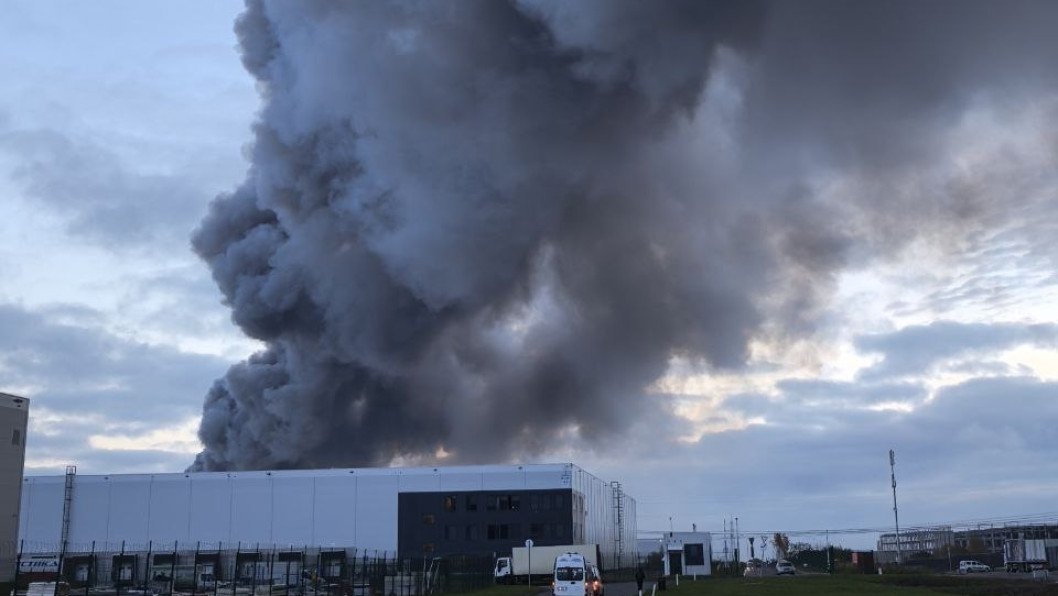
The need for rapid decisions has also shifted demand toward existing vacant warehouses offering comparatively low rental rates, accelerating the absorption of available space.
By the end of 2026, IBC Real Estate expects these rates to increase to approximately 10,000 rubles (around $141) per square meter in the Moscow region and 9,500 rubles (about $115) in St. Petersburg and the Leningrad region.
The reported disruption to Russia’s logistics infrastructure comes amid a broader campaign of Ukrainian strikes targeting facilities that support the Russian economy and military operations.
According to Ukraine’s General Staff, Ukrainian forces have struck Russia’s five largest oil refineries since October 30, targeting facilities that supply fuel to the Russian military and generate revenue used to finance Moscow’s war against Ukraine.
The strikes targeted major oil-processing facilities in Omsk, Kirishi, Ryazan, Nizhny Novgorod, and Yaroslavl.
Discuss this article: