- Category
- World
Sochi Airport Limits Flights and Rosneft Halts Refueling After Ukrainian Drone Strikes
 Prefer U24 Media on Google
- Authors

-72b63a4e0c8c475ad81fe3eed3f63729.jpeg "Photo of Cyril Barabaltchouk")
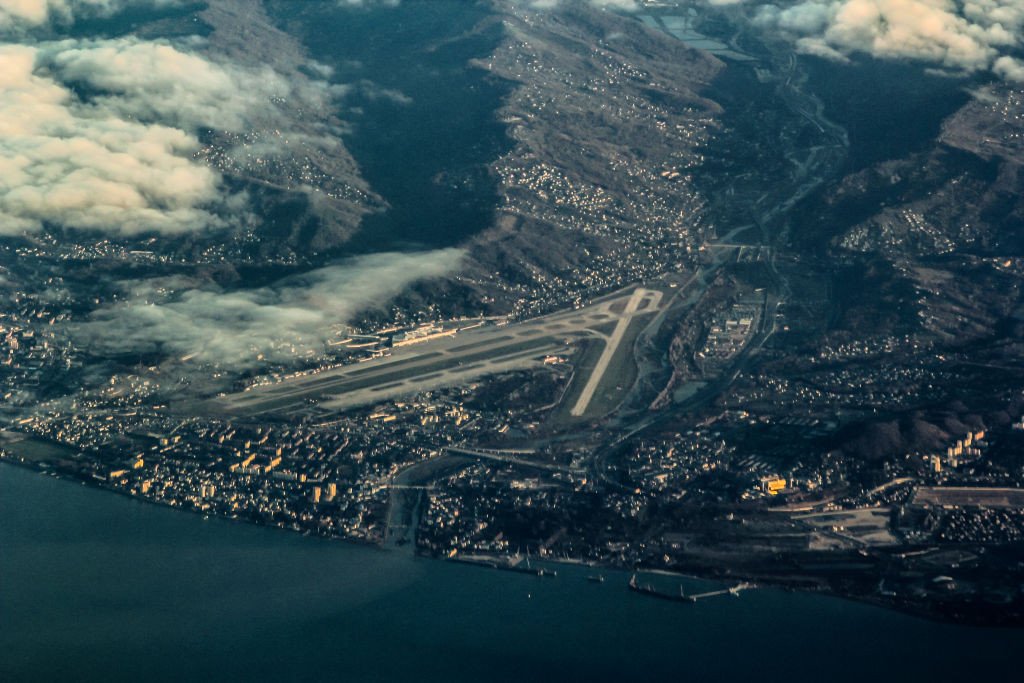
Operations at Sochi International Airport have been severely disrupted following overnight drone strikes, forcing a subsidiary of state oil giant Rosneft to halt aircraft refueling services and prompting strict limits on incoming flights, an independent Russian news outlet ASTRA reported on September 3.
Since September 4, following the Ukrainian strikes, only Lukoil is currently authorized to refuel planes at the major Black Sea hub.
We bring you stories from the ground. Your support keeps our team in the field.
The reliance on Lukoil in Sochi comes as the oil giant faces severe operational strain across Russia due to escalating Ukrainian drone strikes. Just days earlier, Lukoil’s massive LUKOIL-Nizhegorodnefteorgsintez refinery in Kstovo—which accounts for up to 11% of Russia’s total gasoline production—was forced to completely halt operations.
According to reports, an August 26 drone attack caused significant damage to multiple primary crude-processing units and a vacuum gas oil hydrotreatment unit, effectively forcing the facility to suspend all refining activities while repairs are carried out.
An official international Notice to Airmen (NOTAM) cited by ASTRA informed pilots that aircraft refueling in Sochi is exclusively being provided by the Lukoil fuel operator due to “technical reasons.” The directive, which requires airlines to confirm refueling availability in advance, remains in effect until September 5 afternoon, according to the independent outlet.
Under normal circumstances, the airport is serviced by both Lukoil-Aero-West and Rosneft-Aero, ASTRA noted, adding that Rosneft has not yet issued an official comment regarding its subsidiary’s suspension.
A separate aviation notice highlighted by ASTRA restricted the airport’s capacity to a maximum of eight landings per hour, explicitly citing “security measures introduced due to the threat of unmanned aerial vehicles (UAVs) in the airport area.” Airlines are now required to re-confirm their arrival slots with the airport operator under these heightened restrictions, which remain active until early Saturday morning, ASTRA reported.
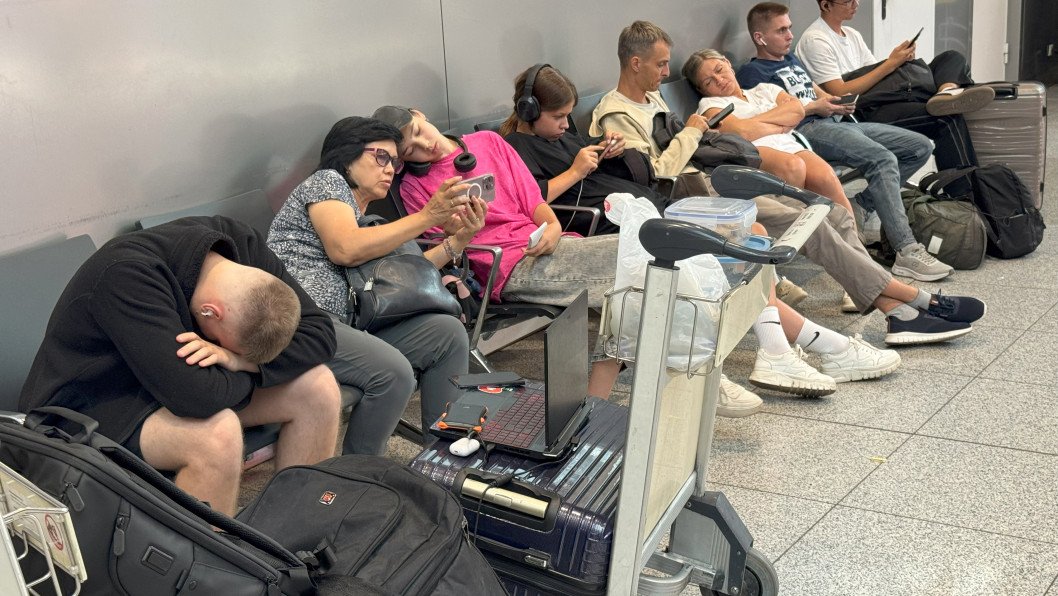
The airport disruptions follow Ukrainian drone strikes on local military and energy infrastructure. An OSINT expert for ASTRA determined that an air defense division in Sochi was attacked overnight, resulting in a fire.
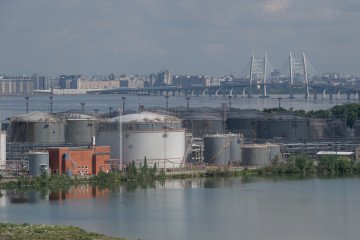
While local authorities acknowledged a blaze at a fuel depot that blanketed the resort city in black smoke, ASTRA established that fires actually broke out at two separate facilities—one owned by Rosneft and another by LUKOIL-Yugnefteprodukt—noting that physical anti-drone barriers failed to protect the sites.
In the aftermath of the strikes, Russia’s consumer protection agency, Rospotrebnadzor, began conducting air quality measurements across Sochi, ASTRA reported.
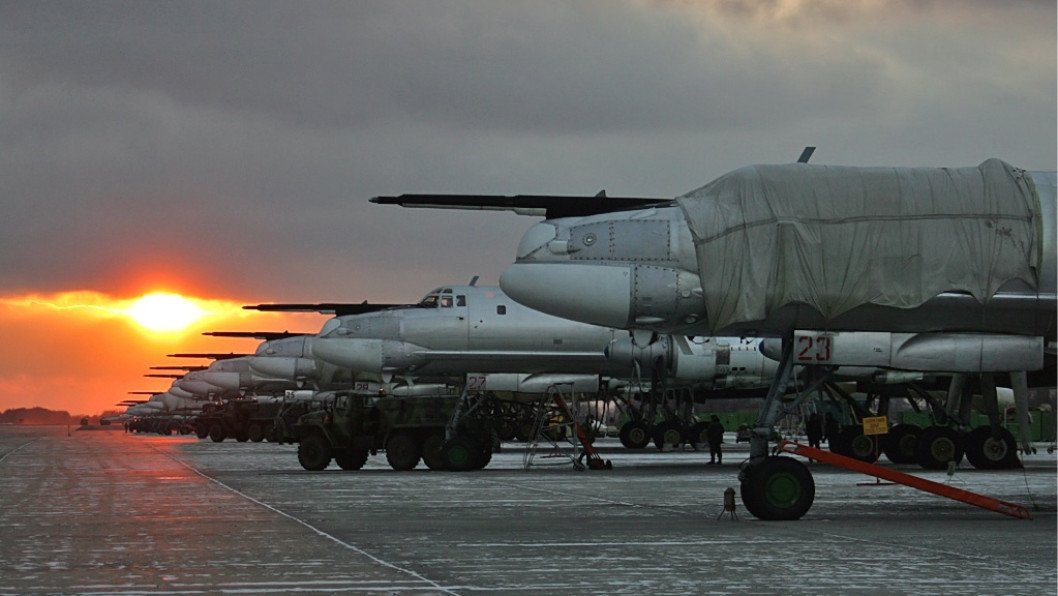
Meanwhile, residents described to the independent outlet the surreal contrast of watching massive fuel fires burning outside their windows while state television broadcast footage of Rosneft CEO Igor Sechin laughing and clapping at a forum.
The disruption in Sochi comes amid record-breaking disruptions across Russia’s civilian aviation network driven by escalating Ukrainian drone operations. Russian airports have previously temporarily shut down 993 times in August alone, a more than 30% increase from July.
An estimated 16,000 Ukrainian drones entered Russian airspace during the month, and from June through August, Russia experienced 2,182 temporary airport shutdowns, already surpassing the 1,923 total closures recorded throughout all of 2025.
Discuss this article:
-4a56a6b482ec132402c16ef6fcabf9a2.png)

-c439b7bd9030ecf9d5a4287dc361ba31.jpg "Photo of Katherina Popilnichenko")