- Category
- World
South Korea Shipped 176,000 Tons of Fuel to Russia as Sanctioned Tankers Hid Their Destinations
 Prefer U24 Media on Google
- Authors


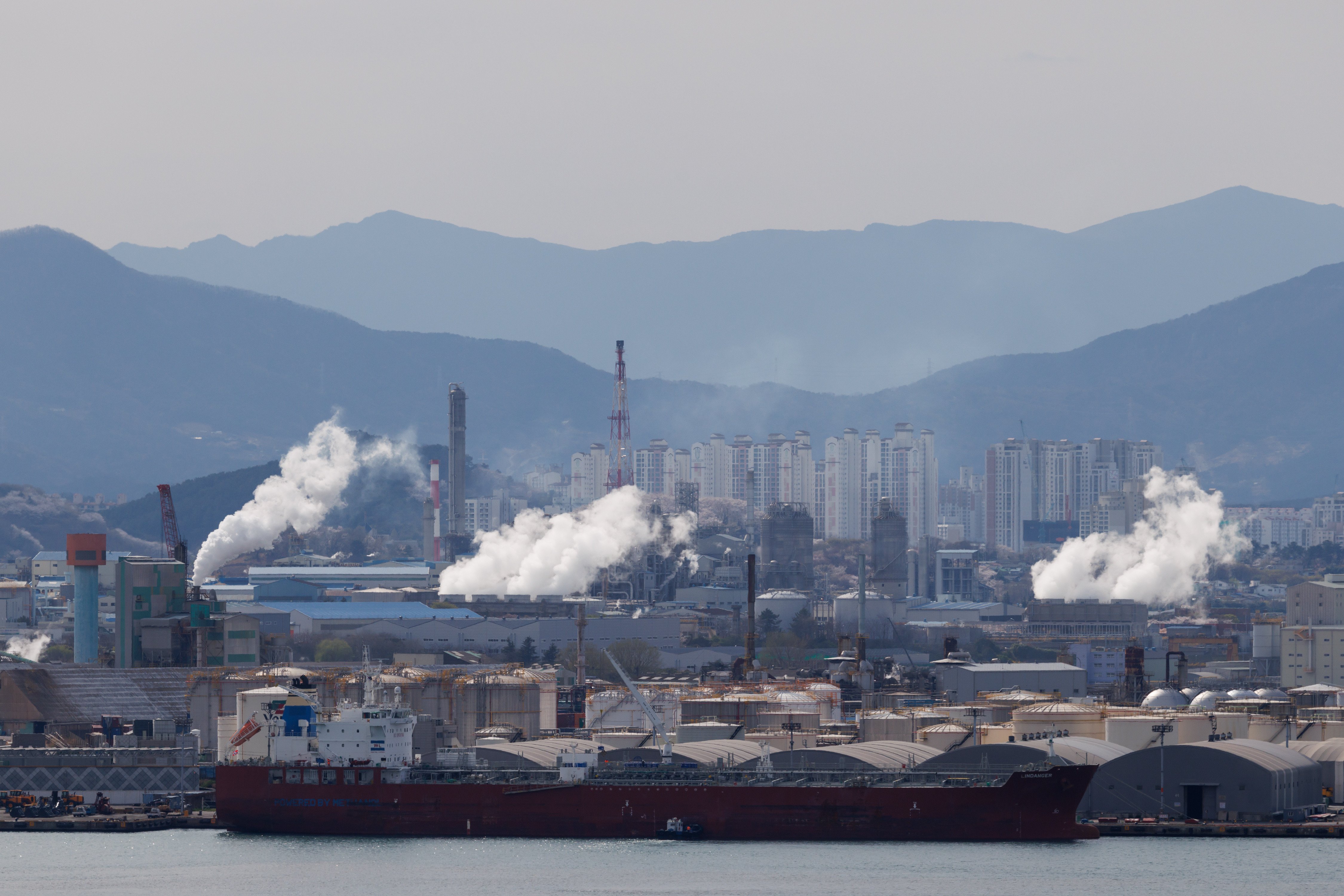
South Korea supplied Russia with more than 176,000 tons of fuel in July and August, including cargoes carried aboard sanctioned tankers that declared destinations in Japan and Singapore before sailing to Russian ports, according to a Guardian investigation published on October 6.
We bring you stories from the ground. Your support keeps our team in the field.
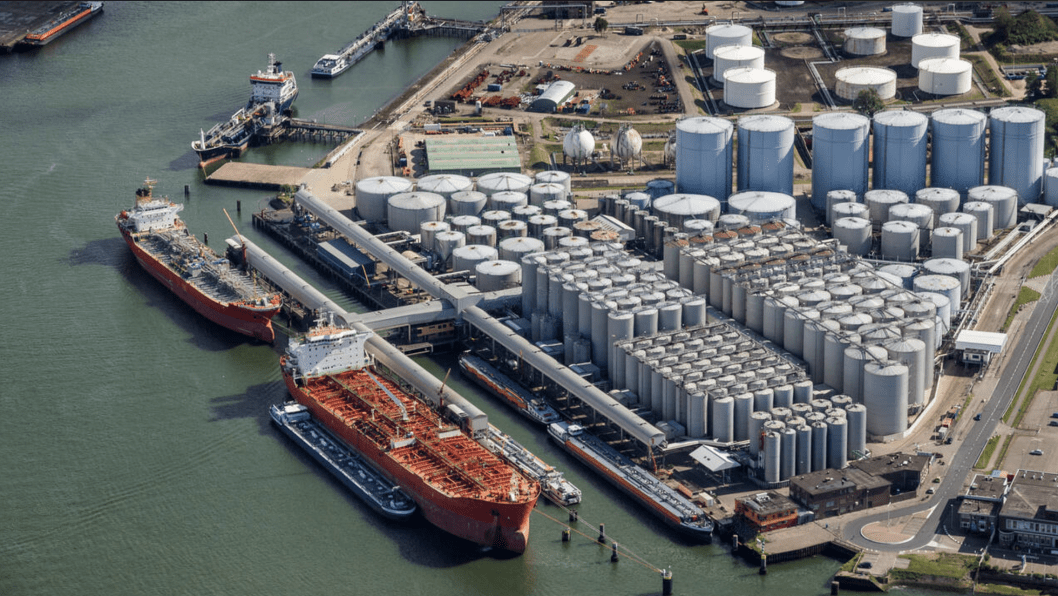
The deliveries, consisting largely of diesel, came as Russia faced mounting fuel shortages following repeated Ukrainian strikes on its oil refineries. Seven tankers made 14 voyages from South Korean ports to Russia in July and August, including three vessels under UK and EU sanctions.
The sanctioned tanker Layla carried about 57,000 tons of diesel from Ulsan to Vladivostok in two voyages, The Guardian reported. Before its second trip, it listed Niigata, Japan, as its destination.
The Russian-flagged Astoria, also under sanctions, loaded nearly 11,000 tons of fuel in Ulsan and declared a destination in Japan before sailing to Vladivostok. A third sanctioned vessel, Chongchon, received roughly 26,000 tons during a ship-to-ship transfer near Yeosu before heading to Vladivostok despite initially listing Singapore as its destination.
According to maritime analytics company Kpler, Russia imported 368,000 tons of petroleum products by sea in August—more than seven times the July volume and the highest monthly level since the start of Russia’s full-scale invasion. South Korea supplied about 112,000 tons, or 31%, making it Russia’s second-largest supplier after India.
Buyers included Rosneft, sanctioned by the US, UK, EU, and Australia, as well as Russian oil group NNK, whose owner Eduard Khudainatov and NNK-Oil are under UK sanctions.
“It is shocking that tankers sanctioned by the EU were loading fuel in South Korean ports and delivering it to Russia,” Isaac Levi, an analyst at the Centre for Research on Energy and Clean Air, told The Guardian. “This undermines the sanctions regime and South Korea’s support for Ukraine.”
The Guardian noted that the shipments themselves do not violate South Korean law, as Seoul’s export controls primarily cover industrial equipment, technology, and electronics rather than petroleum products.
Earlier, Russia began importing gasoline by sea from India to offset growing fuel shortages caused by Ukrainian strikes on its refining infrastructure. At least 60,000 metric tons had already been dispatched, while Moscow was reportedly planning to import up to 400,000 metric tons per month from foreign suppliers.
Discuss this article:


-c439b7bd9030ecf9d5a4287dc361ba31.jpg "Photo of Katherina Popilnichenko")
-72b63a4e0c8c475ad81fe3eed3f63729.jpeg "Photo of Cyril Barabaltchouk")

-111f0e5095e02c02446ffed57bfb0ab1.jpeg "Photo of Roman Kohanets")