- Category
- World
Ukraine's Strikes Push Russia to Import Gasoline From India Amid Growing Fuel Shortages
 Prefer U24 Media on Google
- Authors


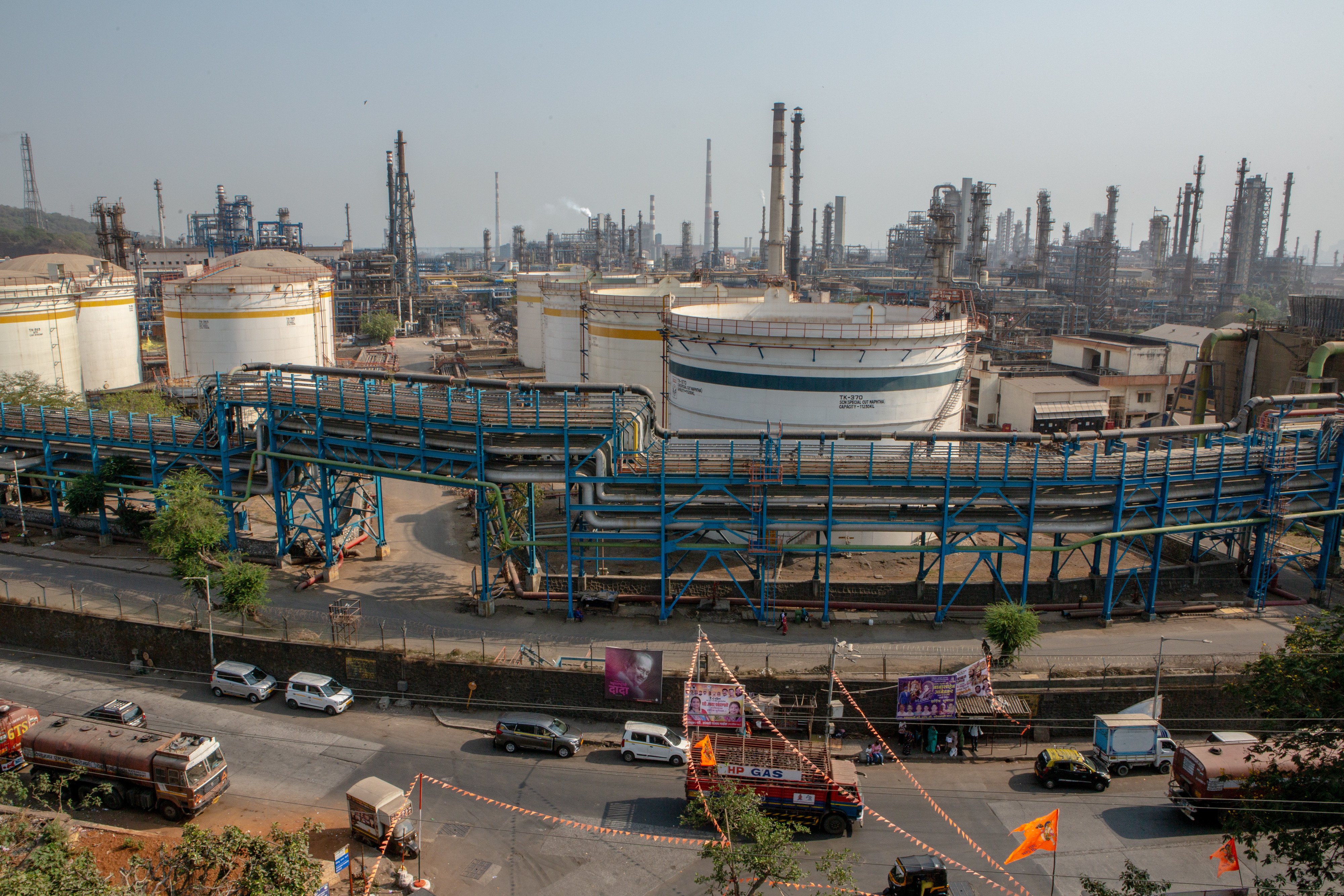
Russia has begun importing gasoline by sea from India in an effort to ease growing fuel shortages caused by Ukrainian strikes on the country's energy infrastructure, according to industry sources cited by Reuetrs on July 1.
According to one industry source, at least 60,000 metric tons of gasoline have already been dispatched from India to Russia. A second source said two tankers carrying between 30,000 and 40,000 metric tons each had been sent.
We bring you stories from the ground. Your support keeps our team in the field.
A third industry source said Moscow plans to import up to 400,000 metric tons of gasoline per month from multiple foreign suppliers, including neighboring Belarus, which has already been exporting fuel to the Russian market.
Russia's gasoline consumption reaches at least 110,000 metric tons per day during the summer months, when seasonal demand is at its highest.
On June 24, reports indicated that Russia was preparing to begin large-scale gasoline imports from India in an effort to stabilise its domestic fuel market and compensate for mounting shortages caused by Ukrainian drone strikes on its oil refining infrastructure.
-2615f219e2e8004cf32c4a00b4acf174.jpg)
Industry data cited by Reuters showed that Russia's refining output had fallen by approximately 25%, creating a fuel supply gap estimated at around one-fifth of domestic gasoline demand.
According to The Moscow Times, Russia's summer fuel consumption reaches around 110,000 metric tons of gasoline per day, while the country's remaining operational refineries produce only about 85,000 metric tons daily, leaving a deficit of roughly 25,000 metric tons. Existing imports from Belarus alone have reportedly been insufficient to close the gap.
To address the shortages and contain rising retail fuel prices, Russian authorities have drafted amendments to the Tax Code that would provide state subsidies to oil companies importing gasoline from abroad.
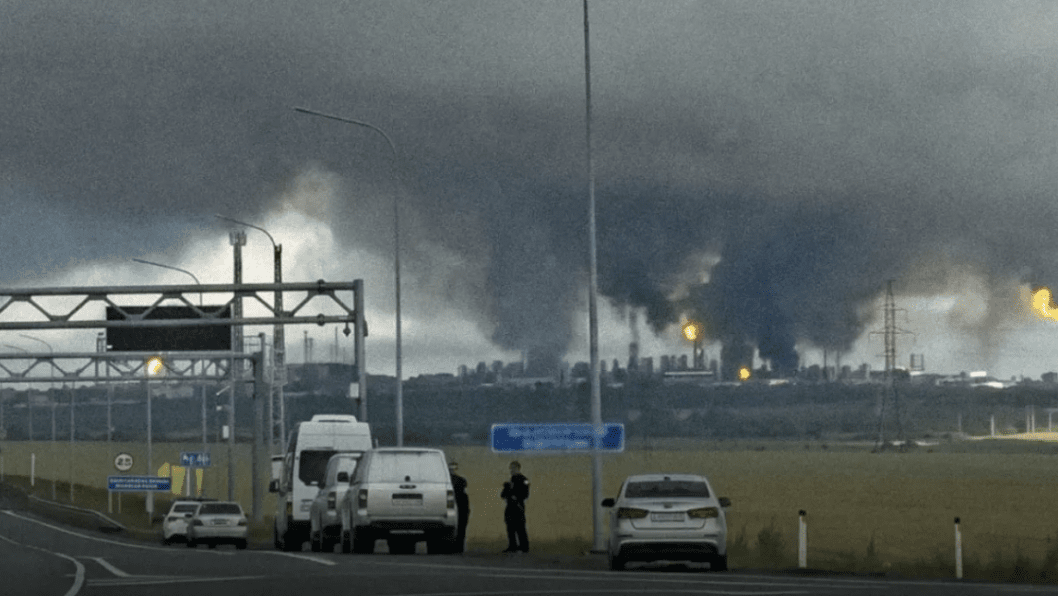
The move follows months of Ukrainian long-range strikes targeting Russia's oil refining and fuel logistics infrastructure. According to the recent assessment, Ukrainian forces have carried out more than 20 strikes against Russian oil refineries since the beginning of 2026, with several facilities targeted multiple times. Eight of Russia's ten largest refineries have reportedly been hit.
The Moscow refinery in the Kapotnya district sustained some of the most severe damage after being struck twice, on June 16 and 18.
Several other refineries have reportedly suspended operations, significantly reduced output, or experienced major disruptions, including facilities in Moscow, Saratov, Volgograd, Kirishsky (KINEF), Ryazan, TANECO, Kuybyshev, Novokuibyshev, Syzran, Tuapse, and Yaroslavl, among others.
-21184aca428c83d82224de69f7c9f403.jpg)
The strikes are part of Ukraine’s wider campaign aimed at weakening Russian logistics networks, command-and-control systems, drone coordination infrastructure, and supply routes both in occupied territories and inside Russia.
According to official reports, Ukrainian President Volodymyr Zelenskyy approved a 40-day strategic influence operation carried out by the Security Service of Ukraine, intended to intensify pressure on Russia to end its war.
Discuss this article:
-9a7b3a98ed5c506e0b77a6663f5727c5.png)





-c439b7bd9030ecf9d5a4287dc361ba31.jpg "Photo of Katherina Popilnichenko")