- Category
- War in Ukraine
Reported High-Altitude Interception Near Moscow Fuels Speculation of Ukrainian Ballistic Missile Test
 Prefer U24 Media on Google
- Authors


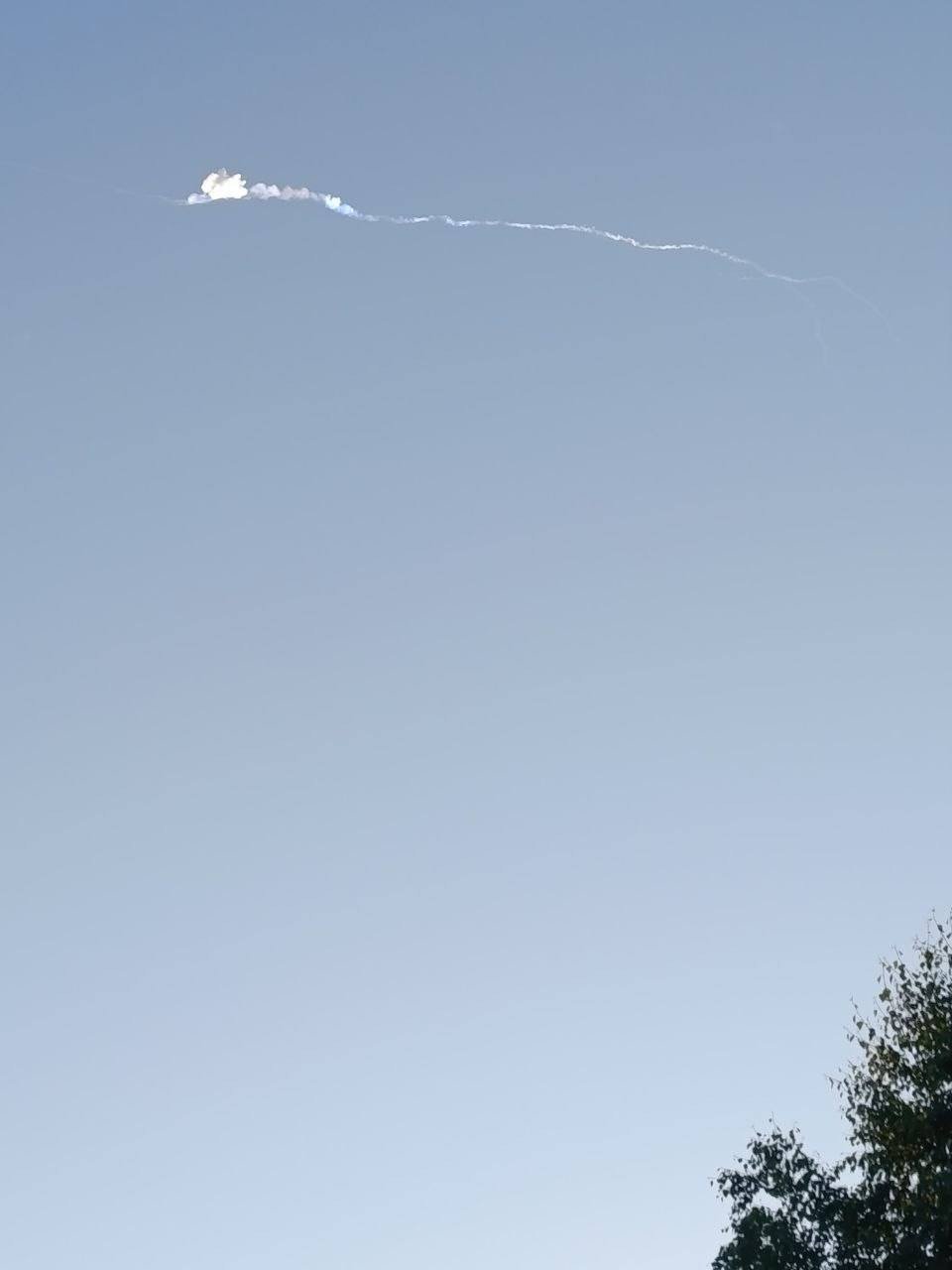
An unusual aerial incident over Russia’s region during an air raid alert on June 30 has prompted speculation among OSINT analysts that Ukraine may have conducted one of the first known long-range flights of a domestically developed heavy ballistic missile, according to an analysis published by Defence Blog on July 1.
We bring you stories from the ground. Your support keeps our team in the field.
Neither Ukraine nor Russia has officially confirmed such a launch, and the available evidence remains based on open-source intelligence and indirect observations.
According to Defence Blog, the assessment is based on reports from Russian and Ukrainian OSINT sources examining an incident that occurred during an air raid alert over Russia’s Moscow region on June 30.
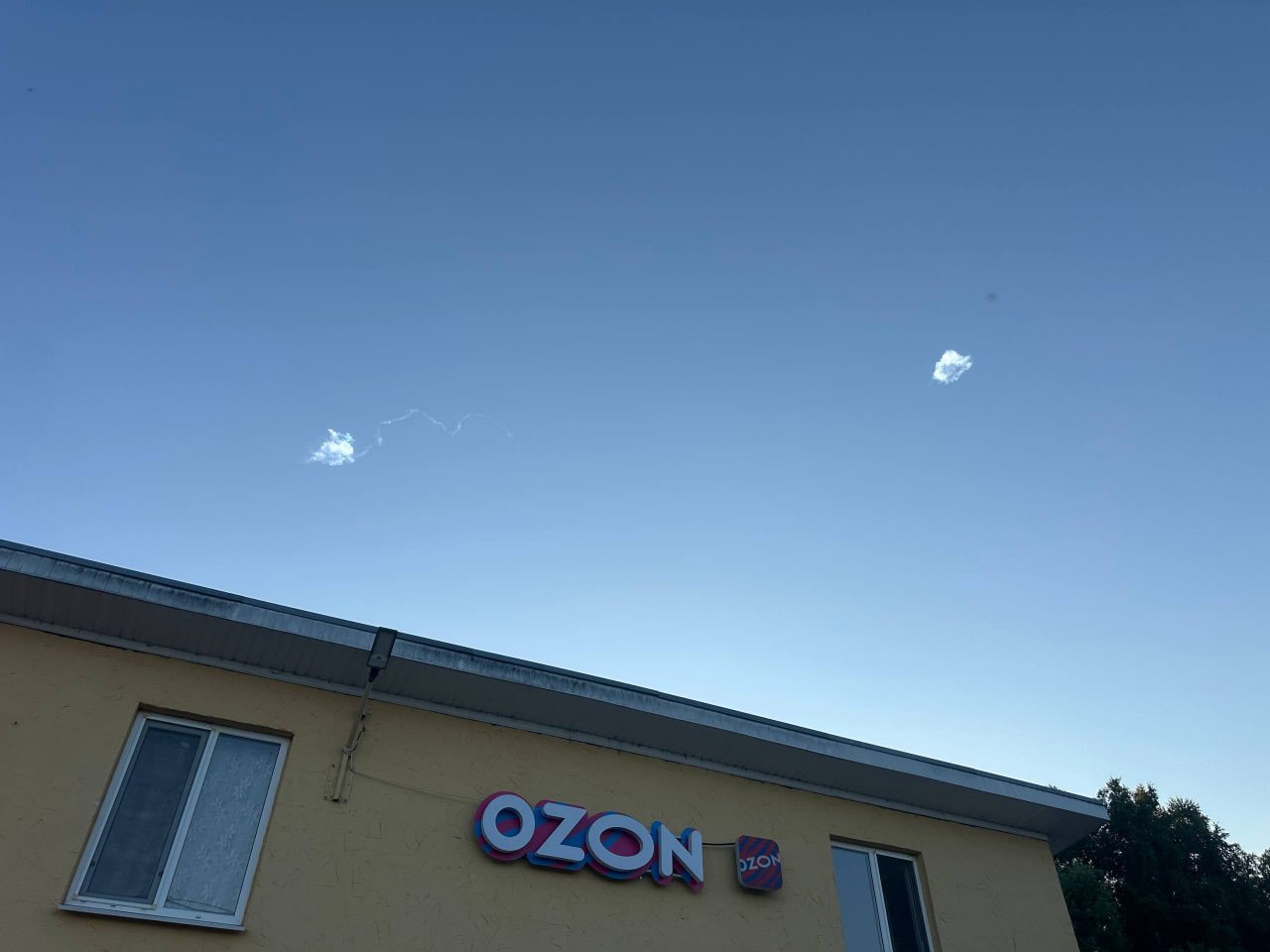
A pro-Russian Telegram channel, Voyennyy Osvedomitel, reported that Russian S-300 and S-400 air defense systems engaged a target at an unusually high altitude during the alert.
The channel also noted the discovery of a large impact crater, adding: “It is not excluded that this could be an intercept of a Ukrainian ballistic missile, but so far there is little information for unambiguous conclusions — only indirect signs.”

According to Defence Blog, several OSINT analysts have suggested the object could have been the FP-9, a heavy ballistic missile under development by the Ukrainian defense company Fire Point. The publication stressed that this assessment remains unconfirmed and is based on circumstantial evidence rather than visual identification or official statements.
The publication also linked the incident to previous public comments by Fire Point co-founder and chief designer Denys Shtilerman, who said in an interview published on the Pressing YouTube channel that engine testing for the FP-9 was nearing completion and that flight tests could begin shortly afterward.
“We have everything for the FP-9, which can reach Moscow, except the engine,” Shtilerman said. “We will test the engine this month and expect to begin test flights soon. As soon as a test flight shows that everything is working properly, the next flight should be launched toward Moscow.”
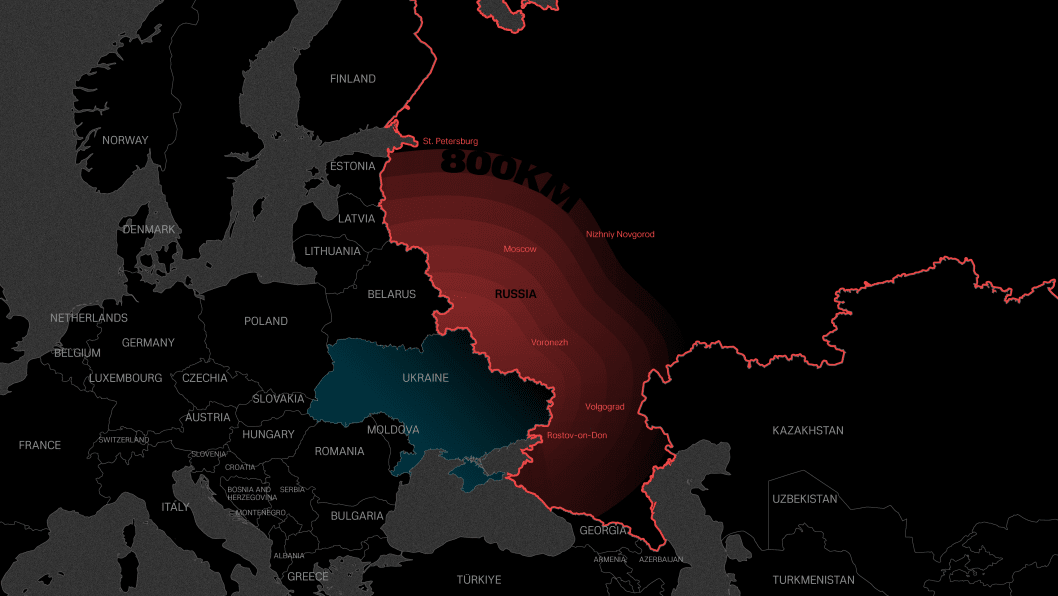
The FP-9 is designed with a reported range of up to 855 kilometers, an 800-kilogram warhead, and a maximum speed exceeding Mach 7. If accurate, those characteristics would place Moscow within range from Ukrainian-controlled territory.
At the time of publication, neither the Ukrainian government nor Russia’s Ministry of Defense had commented on the reported incident or confirmed the launch of a ballistic missile toward Moscow.
Earlier, Ukraine carried out at least 13 long-range strikes against Russian defense-industrial facilities in June—the highest monthly total recorded this year. The campaign targeted missile, electronics, ammunition, shipbuilding, and other military production sites across Russia, reflecting an increased focus on degrading the country’s defense manufacturing capacity.
Discuss this article:
-9a7b3a98ed5c506e0b77a6663f5727c5.png)


-639d0a97447a85a7c7fbc14489070252.png "Footage showing a Ukrainian FPV interceptor drone deploying a net to bring down a Russian Molniya-2 attack drone. (Source: Ptashka Drones)")