- Category
- War in Ukraine
Russia Claims Over 63,000 Ukrainian Drones Intercepted in First Half of 2026
 Prefer U24 Media on Google
- Authors

-72b63a4e0c8c475ad81fe3eed3f63729.jpeg "Photo of Cyril Barabaltchouk")
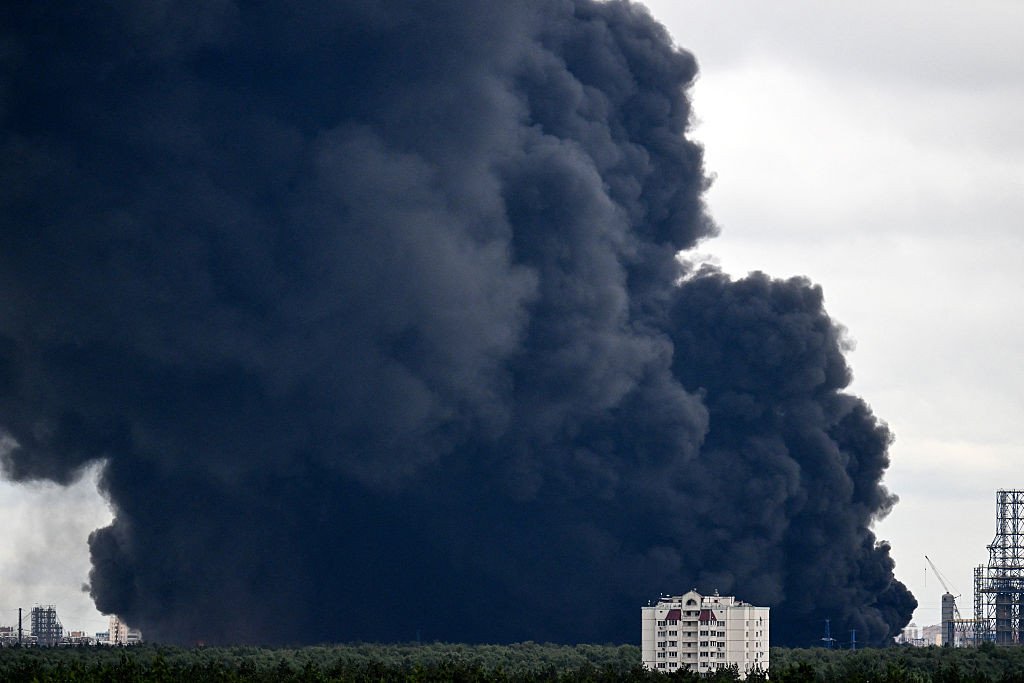
Moscow claims that Russian air defense systems intercepted at least 63,933 Ukrainian drones over Russian regions and occupied territories during the first six months of 2026, The Moscow Times reported on July 1, citing calculations based on Russian Ministry of Defense data.
Ukraine has not released the real numbers, but this Russian data coincides with Ukraine’s powerful aerial campaign targeted at Russian oil refineries, military infrastructure, and defense-industrial enterprises.
We bring you stories from the ground. Your support keeps our team in the field.
According to the reported data, the intensity of drone activity spiked as the year progressed. In January and February, the number of downed drones reportedly did not exceed 6,000 per month. However, half of all destroyed drones were recorded in just two spring months, with 14,195 intercepted in May and 17,832 in June.
The highest single-day interception was recorded on May 17, with 1,054 drones allegedly shot down. Other peak days included June 18, with 992 drones, and June 30, with 927 drones. Overall, Russian forces claim to be shooting down an average of 223 Ukrainian drones per day, The Moscow Times wrote.
This campaign aligns with a classified 40-day strategic influence operation previously approved by Ukrainian President Volodymyr Zelenskyy, aimed at pressuring Russia to conclude the war. Executed by the SBU’s Special Operations Center “Alpha,” the launch of the initiative coincided with deep-strike drone attacks targeting the Poltavskaya oil depot in Krasnodar Krai and two major oil refineries in Ufa, Bashkortostan.
The regions bordering Ukraine, such as Belgorod, Kursk, and Bryansk, along with temporarily occupied Crimea, faced the highest concentration of drone flights. The Moscow region, Rostov, and Krasnodar Krai also ranked in the top 10 most targeted areas, with over 400 drones destroyed over the Black and Azov seas.
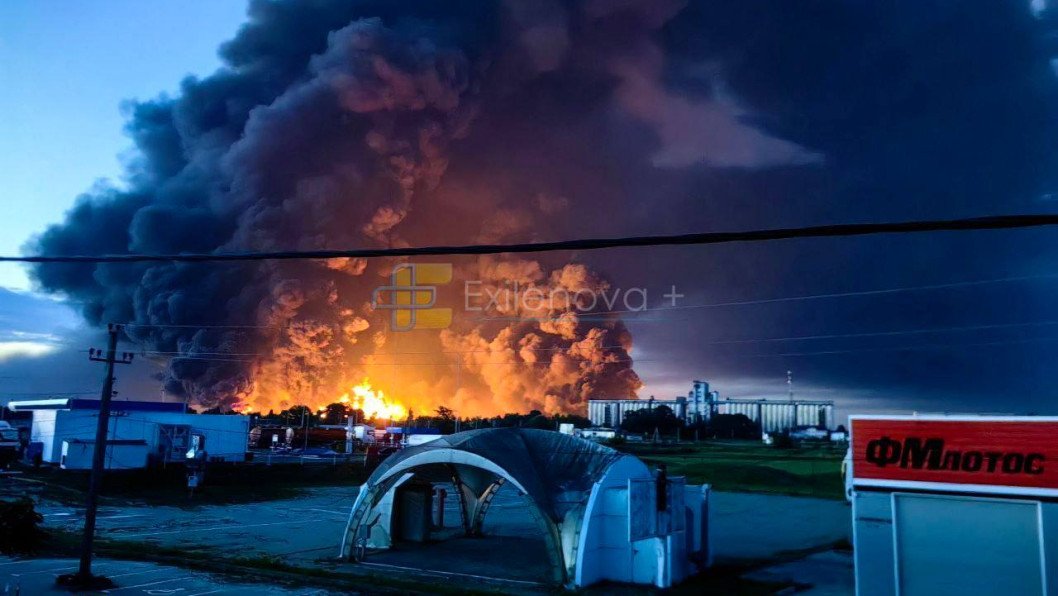
While Russia highlights its interception numbers, the increased drone density has yielded tangible results for Ukraine. Large numbers of drones used in single attacks are capable of overloading Russian air defense systems. This swarm tactic has increased the rate of successful strikes, according to The Moscow Times.
The consequences have been severe for the Russian energy market. In May alone, Ukrainian forces struck a record 16 oil refineries. These strikes effectively halted operations at all refineries in central Russia, which triggered a widespread fuel crisis that swept across more than 50 Russian regions in June.
This campaign is illustrated by the recent strike sequence, which targeted primary processing units across several distinct operators. During this period, the Syzran oil refinery became the sixth major Russian facility knocked completely offline in a single month after its main crude distillation unit was disabled.
The streak similarly forced operational suspensions at several of Russia’s largest processing plants, including Kirishinefteorgsintez, Permnefteorgsintez, the Ryazan Oil Refinery, the Moscow Oil Refinery, and the Lukoil-Nizhegorodnefteorgsintez facility.
Discuss this article:




-80134f2dc17b4a887d01513a1c7bc929.png "Illustration of Russian military infrastructure targeted by Ukrainian strikes in temporarily occupied eastern Ukraine. (Source: General Staff of the Armed Forces of Ukraine)")