- Category
- World
St. Petersburg Metro Plans to Convert 9 Stations Into Civil Defense Shelters
 Prefer U24 Media on Google
- Authors

-c439b7bd9030ecf9d5a4287dc361ba31.jpg "Photo of Katherina Popilnichenko")
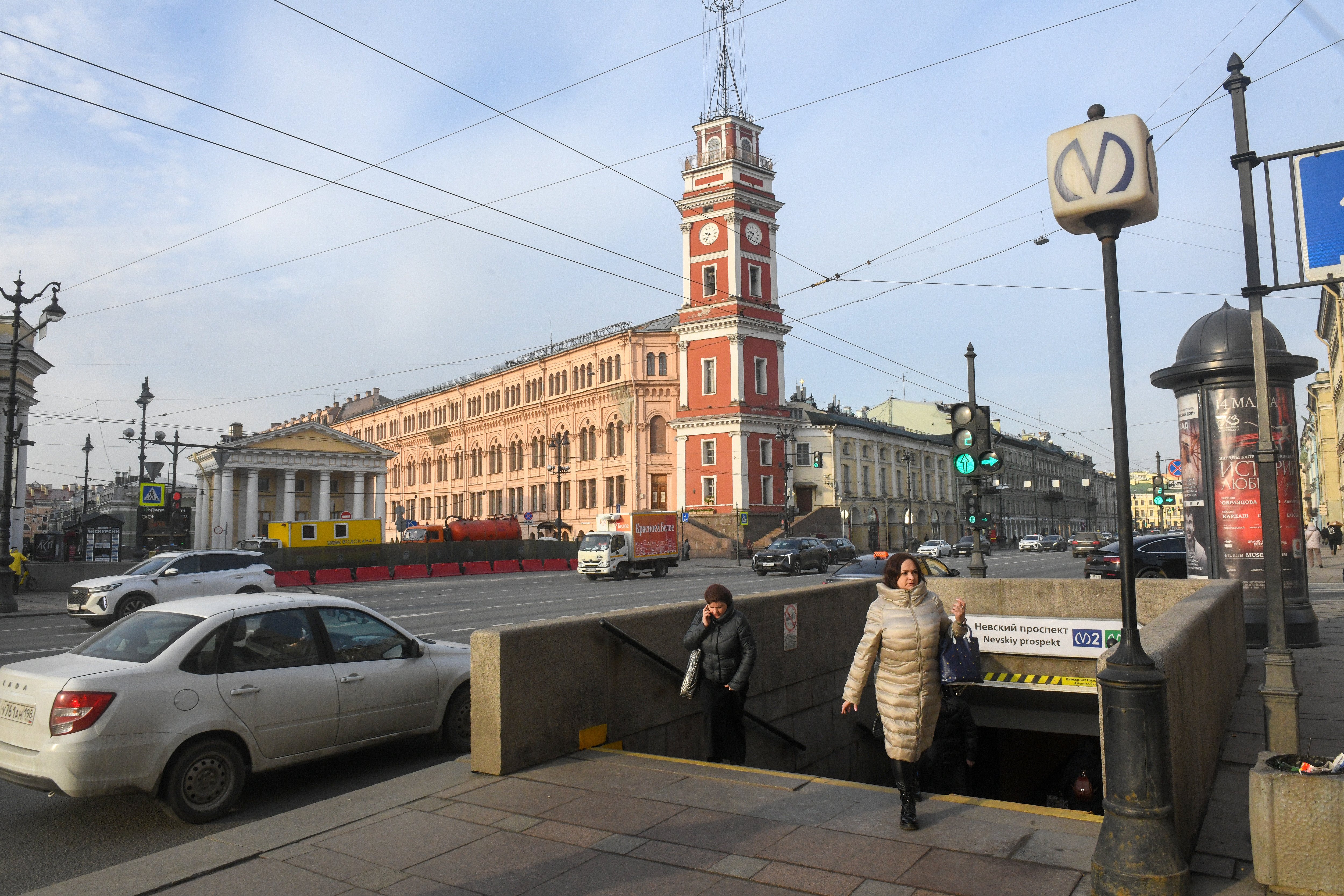
The St. Petersburg metro operator has launched an initiative to adapt 9 subway stations, 4 separate tunnel sections, and nearly 35 kilometers of tracks into functional civil defense shelters.
On September 10, local subway authorities posted a public procurement request to select a contractor tasked with completing a technical and economic feasibility study for the project, as reported by Meduza.
We bring you stories from the ground. Your support keeps our team in the field.
The chosen contractor must determine which facilities need to be completed, which require additional equipment, and which sections can be retrofitted to serve as protective structures.
Contractors must evaluate external risk factors, including fluctuating groundwater levels, nearby urban development, and aging equipment. Beyond these structural preparations, growing security challenges are also increasingly impacting Russian transport and airspace safety. As Russia continues to escalate its full-scale invasion of Ukraine, Ukrainian counter-responses are increasingly affecting critical infrastructure and transport security deep inside Russian territory.
On September 1, 2026, Ukrainian President Volodymyr Zelenskyy issued an explicit warning to global commercial carriers, aviation insurers, and operators functioning out of key Russian transit hubs regarding deteriorating safety inside Russian airspace.
The statement cautioned that Russian skies were becoming completely unsafe for air travel due to ongoing aerial activity connected to Russia’s full-scale invasion of Ukraine.
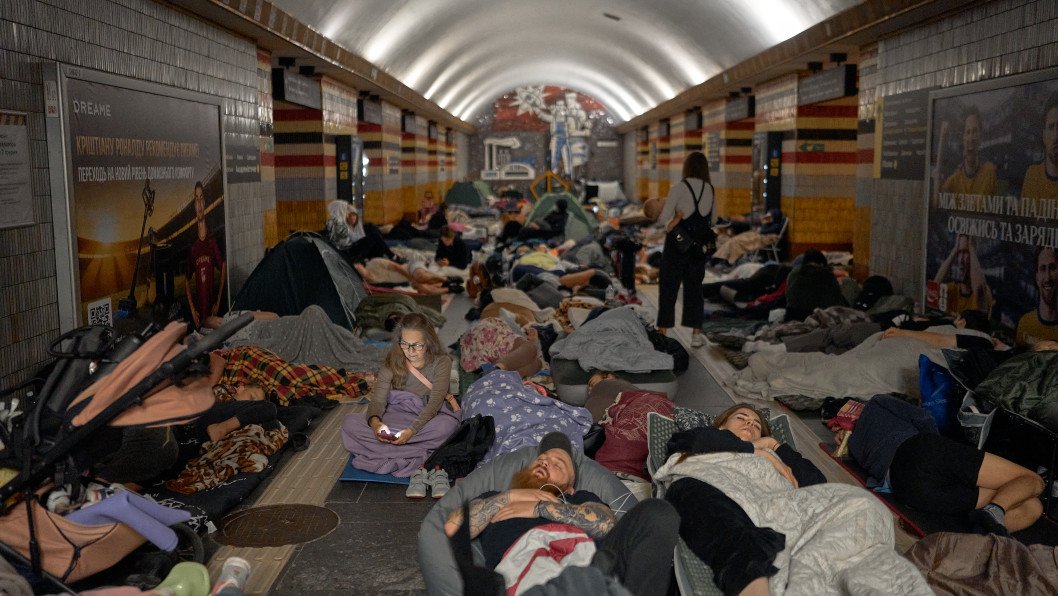
Ukrainian leadership clarified that these conditions stemmed directly from the operational reality of unmanned aerial vehicles active over Russian territory, while Russian authorities failed to issue standard aviation warnings or properly report these hazards to international flight operators, resulting in a de facto closure of the airspace.
In May 2026, Russia announced plans to impose sweeping restrictions on civilian aviation over the Moscow region, effectively closing much of the airspace for flights operating below 5,100 meters.
The Interregional Public Organization of Pilots and Aircraft Owners (AOPA) reported that these measures were designed to create a restricted zone extending toward the Belarusian border, St. Petersburg, and the Yekaterinburg region.
While scheduled commercial passenger and medical evacuation flights were granted exemptions, the move was a direct response to a massive drone operation, during which nearly 600 drones targeted Russian military-industrial and fuel infrastructure.
Discuss this article:
-9a7b3a98ed5c506e0b77a6663f5727c5.png)



-111f0e5095e02c02446ffed57bfb0ab1.jpeg "Photo of Roman Kohanets")

-a1738cb523135070a26ed61c09a8eb5e.jpg "Police stand in front of the Russisches Haus in Berlin, Germany. (Source: Getty Images)")
-72b63a4e0c8c475ad81fe3eed3f63729.jpeg "Photo of Cyril Barabaltchouk")