- Category
- World
FSB Hackers Pose as Pro-Ukraine NGO to Target French Journalists and MP
 Prefer U24 Media on Google
- Authors


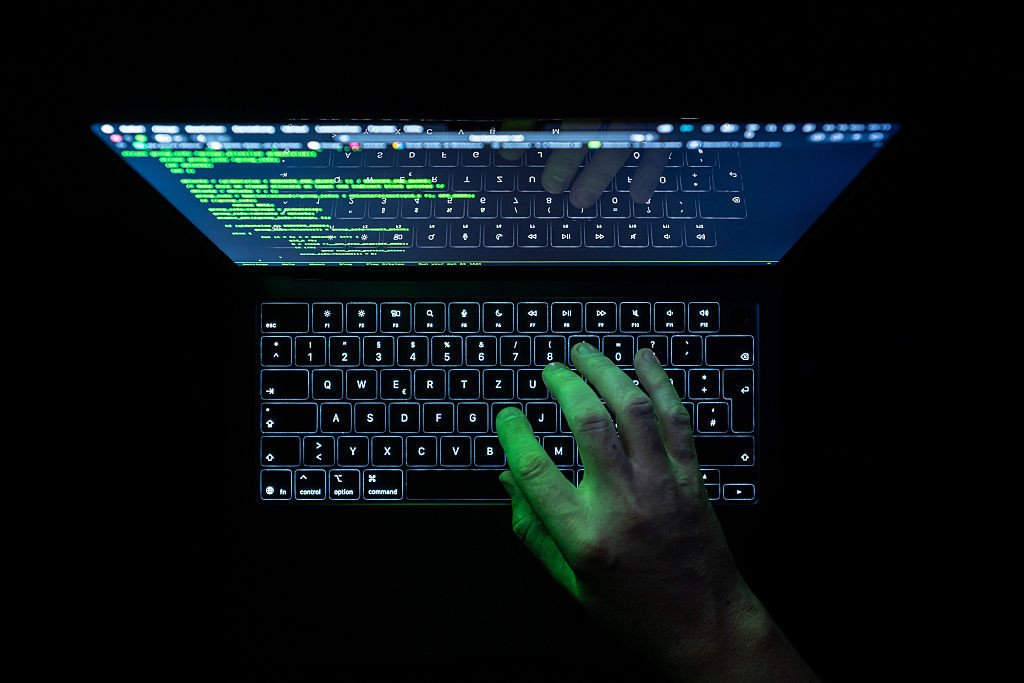
Russian intelligence-linked hackers impersonated a pro-Ukraine organization as part of a phishing campaign targeting journalists, a French lawmaker, and civil society figures across Europe, Le Monde reported on November 20.
The campaign has been active since at least mid-October and was carried out by a specialized unit of Russia’s Federal Security Service (FSB), according to Le Monde.
We bring you stories from the ground. Your support keeps our team in the field.
On November 17, three Le Monde journalists received messages on Signal appearing to come from a European journalist they had previously contacted. The messages invited them to join a video conference concerning Russia’s war against Ukraine and Russian-Ukrainian negotiations.
The link instead directed the journalists to a phishing page designed to connect an attacker-controlled device to the victim’s Signal or Telegram account, potentially giving the hackers access to past and future messages.
The hackers additionally impersonated the French pro-Ukraine organization “Pour l’Ukraine, pour leur liberté et la nôtre” (For Ukraine, For Their Freedom and Ours) to target people involved in supporting Ukraine.
The organization has campaigned against Russian war crimes, including the deportation of Ukrainian children to Russia. In 2022, it submitted documentation on the issue to the International Criminal Court before arrest warrants were issued for the Russian leader, Vladimir Putin, and Russian children’s commissioner Maria Lvova-Belova.
Le Monde reported that the technique had previously been used against targets in Ukraine before being expanded and automated across Europe.
The campaign targeted French civil society figures, journalists elsewhere in Europe, and French lawmaker Eric Bothorel. The account of a cybersecurity company executive was also compromised, according to the report.
European security sources linked the campaign to a group known in the cybersecurity industry as UNC5792, Frontier Blizzard, or Sentry Bear.
“This activity corresponds to UNC5792,” John Hultquist, chief analyst at Google’s threat intelligence group, told Le Monde after reviewing technical details of the campaign.
“These actors primarily target individuals connected to Russian affairs in journalism, politics and defense through messaging platforms such as Signal,” he added.
US authorities have linked the group to a specialized team within an FSB border guard unit. Washington has offered rewards of up to $10 million for information about the group.
Among the targets was Bothorel, who publicly disclosed a phishing message sent through the compromised Signal account of one of his contacts.
The malicious link led to a fake Telegram page requesting the target’s phone number and verification code, which could then be used to seize control of the account, according to analysis cited by Le Monde.
Bulgarian investigative journalist Christo Grozev, known for reporting on the Kremlin and Russian intelligence services, was also targeted.
The phishing operation comes amid a broader increase in Russian-linked cyber and influence activity across Europe. On November 16, the European Union sanctioned 30 individuals and two entities over Russian foreign information manipulation, interference, and malicious cyber operations targeting EU states, institutions, and partners.
Discuss this article: