- Category
- World
France Targeted in Unprecedented AI Hacking Operation With Russian-Language Code
 Prefer U24 Media on Google
- Authors


Hackers using Russian-language instructions have deployed an autonomous artificial intelligence system to target French media, entertainment, and educational websites, the Google Threat Intelligence Group (GTIG) reported on November 16.
Google researchers discovered an exposed server containing an AI-powered hacking framework called "exploit_agent," stolen victim data, and configuration files with comments written in Russian.
We bring you stories from the ground. Your support keeps our team in the field.
The system autonomously identifies security flaws and exploits vulnerable software. Researchers also found tools designed to support subsequent stages of cyberattacks, including gaining deeper access to compromised networks.
One tool could even remove web shells installed by rival hackers, potentially allowing attackers to eliminate competitors from compromised servers.
Information retrieved from the server indicates that the hackers aimed at French websites within the media, entertainment, and education industries.

Russian-language comments in the framework’s configuration file suggest its operators speak Russian.
Researchers noted that autonomous hacking frameworks currently sacrifice stealth for speed, leaving detectable traces of their activity.
Google also uncovered evidence that a China-linked hacking group was developing a similar autonomous framework, likely for cyberespionage.
Russia-linked cyber activity targeting France and other European states has also prompted a coordinated response from Brussels.
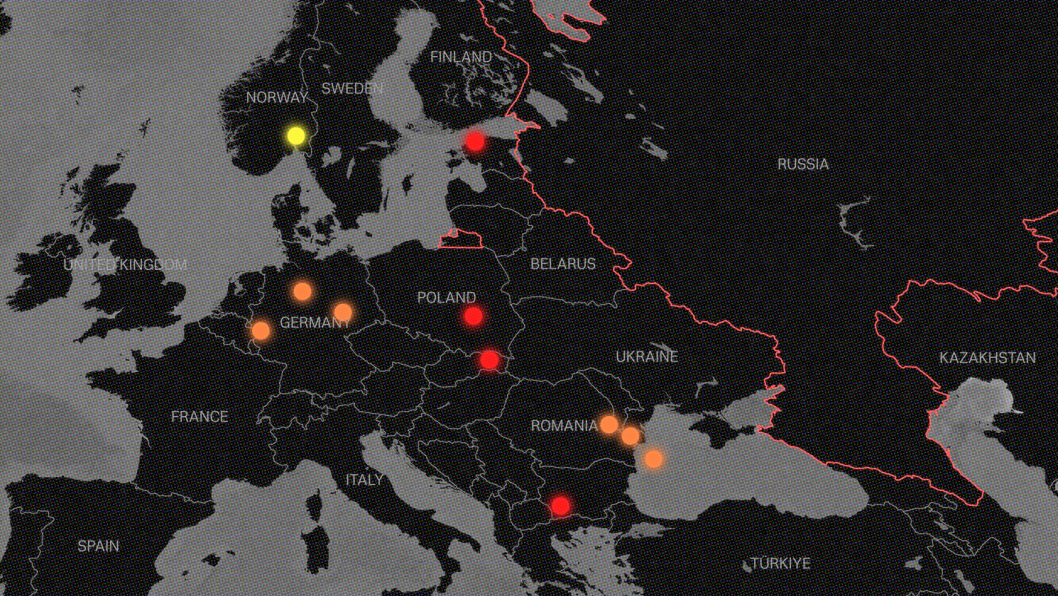
On November 16, the European Union sanctioned 30 individuals and two entities for Russian information manipulation and malicious cyber operations, including the pro-Russian hacker group NoName057(16), which has been active since March 2022.
The group has used distributed denial-of-service attacks against websites in the energy, finance, transport, water supply, and electoral sectors across the bloc. The package also targeted the Moscow-based Social Design Agency, linked to influence campaigns aimed specifically at France and Germany.
Discuss this article: