- Category
- World
Trump Eases Russia Sanctions “for Peace” as Zelenskyy Warns of Forced Ukraine Capitulation
 Prefer U24 Media on Google
- Authors


US President Donald Trump has defended his decision to suspend sanctions against Russia as an effort to preserve peace negotiations, even as Ukrainian President Volodymyr Zelenskyy warns that Washington’s recent actions increasingly resemble pressure on Kyiv to capitulate to Moscow.
We bring you stories from the ground. Your support keeps our team in the field.
According to BBC News on October 19, Trump blocked several sanctions against Russia just two days before they were scheduled to take effect, arguing that imposing additional restrictions could drive Moscow away from negotiations.
Q: Can you tell us about your decision to waive the sanctions on Russia?
— Vince D. Monroy (@vincedmonroy) October 18, 2026
Trump: pic.twitter.com/K4rWq6MMoD
“I am in the process of negotiating Peace in the war between Russia and Ukraine,” Trump wrote on Truth Social, adding that he did not want to “do anything that will drive, foolishly, Russia away from the bargaining table”.
The decision effectively delayed sanctions previously approved by the US Congress and signed into law in September. US Secretary of State Marco Rubio described the move as a 60-day suspension intended to assess the potential impact of the restrictions on the American and global economies.
Moscow welcomed the decision. Russian envoy Kirill Dmitriev called it “an important and truly historic moment,” claiming the sanctions would have caused serious damage to the US and global markets.
Marco Rubio on Ukraine:
— Clash Report (@clashreport) October 19, 2026
Trump suspended the sanctions for 60 days because he wants to see if there's an opportunity for the talks that are going on right now. pic.twitter.com/cfGgWpnMx8
While the Trump administration presents the suspension as a diplomatic measure, Zelenskyy has raised concerns that Washington’s broader approach could leave Ukraine facing increasing pressure to accept Russian demands.
In an interview with Bloomberg on October 18, Zelenskyy said recent US decisions appeared to be pushing Ukraine toward surrender. “I believe steps were taken to convince Ukraine to capitulate,” Zelenskyy said.
The Ukrainian president clarified that he was describing the apparent consequences of Washington’s actions rather than accusing American officials of deliberately seeking Ukraine’s surrender.
“I don’t want to think that our American partners believe the war can be ended faster at Ukraine’s expense. But that is what it looks like,” he added.
Zelensky:
— Clash Report (@clashreport) October 18, 2026
If the U.S. supports Putin, I mean, it's unbelievable. It's a tragedy, a historic mistake and a big tragedy.
If the U.S. officially takes the side of Russia, of course we will not prevail. We will not be able to stand. pic.twitter.com/orMhjmT5aS
His concerns extend beyond sanctions policy. Zelenskyy cited restrictions on Starlink satellite connectivity, delays in deliveries of Patriot interceptor missiles already purchased by Ukraine, and interruptions in intelligence sharing as examples of decisions affecting Kyiv’s ability to defend itself against Russian attacks.
Trump has rejected accusations that Washington deliberately restricted Starlink services or stopped sharing defense intelligence with Ukraine.
The disagreement has also deepened over Washington’s decision to purchase Russian diesel amid rising energy prices linked to the war involving Iran.
Zelenskyy criticized the arrangement, arguing that American purchases of Russian fuel would effectively contribute revenue to Moscow while its forces continue attacking Ukraine.
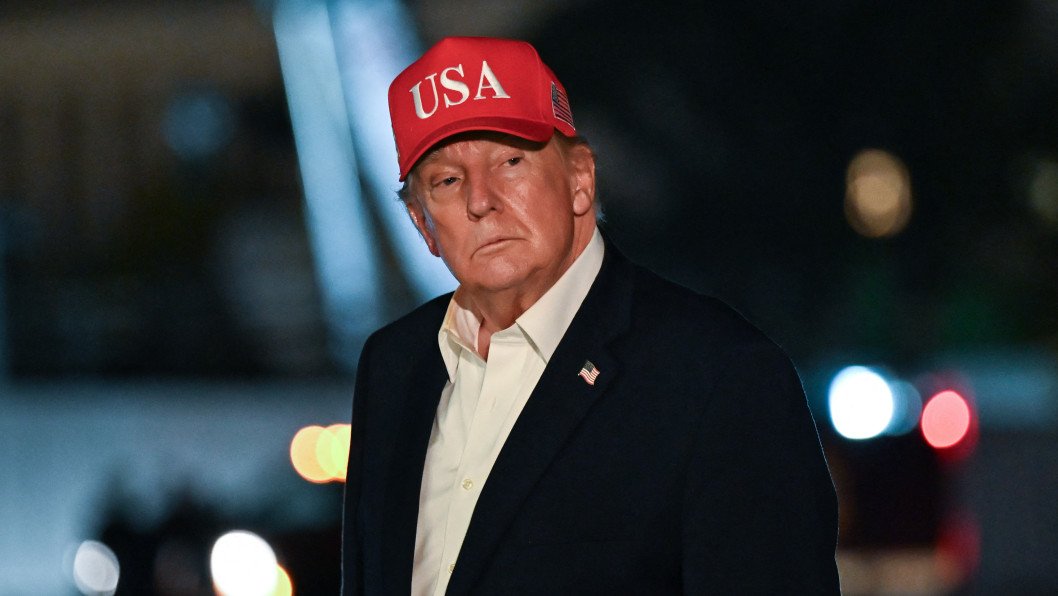
Despite international sanctions, Russia remains a major oil exporter. According to the Centre for Research on Energy and Clean Air, China purchases approximately half of Russia’s crude exports, while India accounts for around 37%.
Trump has also accused Zelenskyy of obstructing negotiations, claiming that the Ukrainian president “doesn’t want to end this war, and probably never did”.
Zelenskyy, meanwhile, has maintained that Russia must face sustained international pressure to reach an agreement that does not come at the expense of Ukraine’s sovereignty.
Zelenskyy also said that recent US decisions, including restrictions on military assistance and Starlink connectivity, appeared to be aimed at pressuring Ukraine into capitulation to Russia.
“I believe steps were taken to convince Ukraine to capitulate,” Zelenskyy told Bloomberg, while clarifying that he did not necessarily believe Washington intended that outcome.
Zelenskyy also said the US is currently supplying Ukraine with just 12 Patriot interceptor missiles per month, roughly four times fewer than under the Biden administration, while delaying approval for additional weapons Kyiv has already paid for.
Discuss this article: