- Category
- World
What Russia’s 300,000-Tonne Diesel Deal Is Really Worth

Russia's initial diesel shipment could cover less than two hours of global demand. We break down the numbers to see whether the deal could bring down US fuel prices, how much Moscow stands to gain, and what it could mean for Russia's war in Ukraine.
 Prefer U24 Media on Google
- Authors


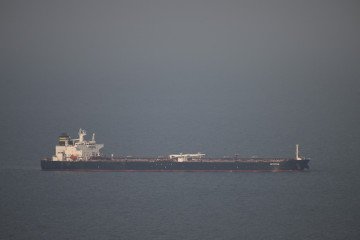
The deal made headlines around the world: Russia will supply more than 300,000 tonnes of diesel to the US and global markets immediately, with another 500,000 tonnes planned in November, and a million tonnes after that. If conditions allow, according to US President Donald Trump, Moscow could potentially deliver another 3 million after that.
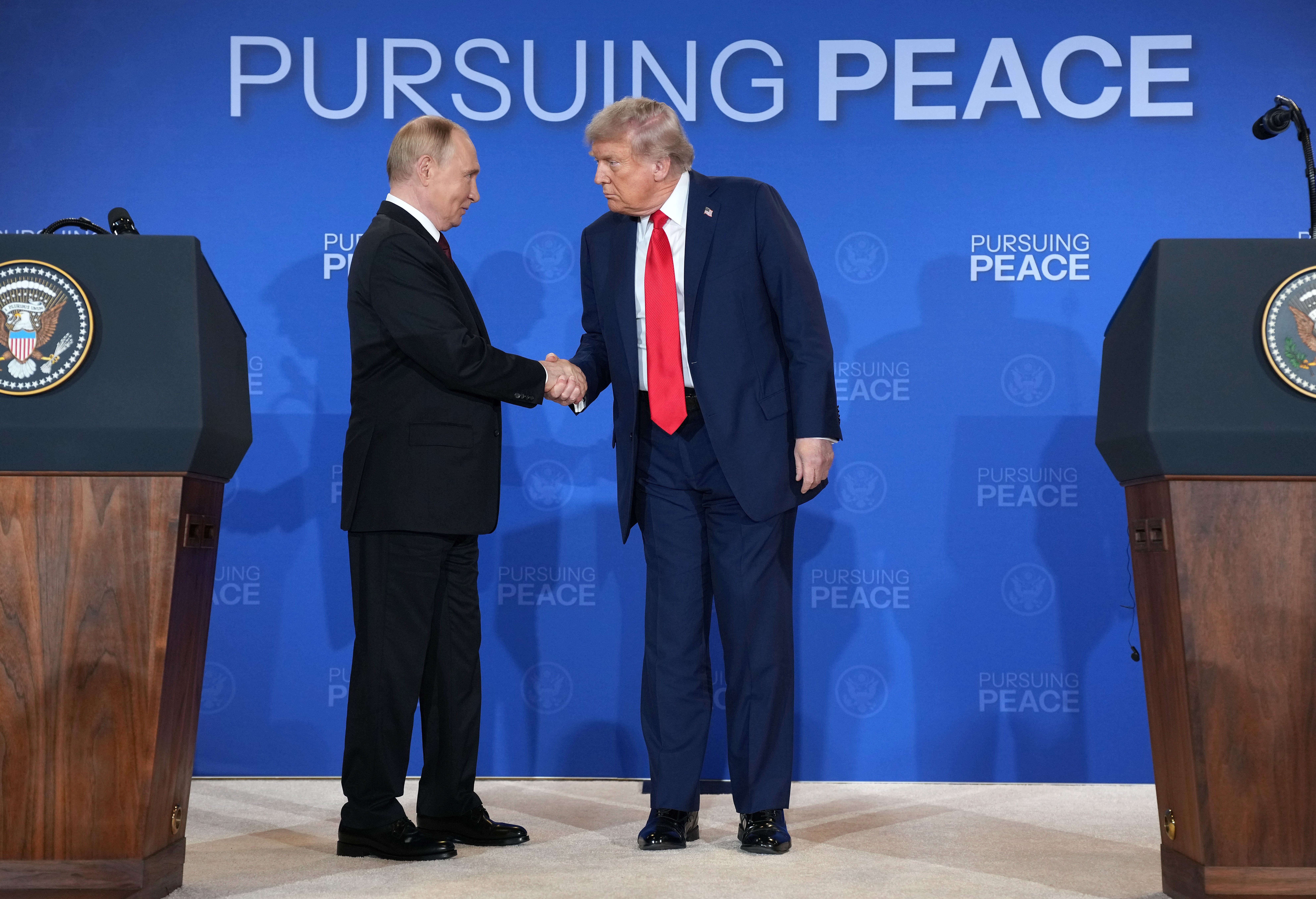
This is a diesel deal, not a crude oil deal. Advocates hope that the deal will bring down record fuel prices in the US. Critics say it amounts to an immediate sanctions relief for Russia. There is a third question: What can Russia buy with the money it receives?
The numbers get a little technical, but even with these rough estimates, we can get some pretty clear answers, so, before we dive in, let me give you exactly that in normal words:
Is 300,000 tonnes, or even 1.8 million tonnes, a lot of fuel for the US and the World? No.
Will the delivery of this amount to the US-American and global market bring gas prices down? No.
Is it nonetheless money to buy a decent amount of weapons for Russia? Yes.
Let’s start with the physical scale. 300,000 tonnes is about 2.25 million barrels. An energy data counter based on Energy Institute and IEA figures puts diesel use at about 28.5–29 million barrels per day in 2023. Forecasts say diesel demand is roughly flat in 2026, so it should still be close. An energy analyst told Euronews on 2 October 2026 that 300 million barrels of European reserves would cover only about 10-11 days of the world’s diesel demand. That works out to about 27-30 million barrels per day, which matches the first figure.
So, to sum it up, 300,000 tonnes would cover around world diesel demand for roughly 110–115 minutes. That’s less than two hours. The State of Texas consumes 450,000 to 550,000 barrels of diesel a day, so that would be enough for 4-5 days.
So why make this deal?
The announcement also came weeks before the US midterm elections. The US has not imported Russian oil or gas since 2022. It is less clear who the fuel is for and whether Russia can deliver it. Trump speaks of the American and global marketplace, and the Treasury Department issued a general temporary license for Russian diesel rather than a US-specific one. Sanctions will not apply until April 2027 to diesel already loaded on tankers.
Meanwhile, Moscow said on Saturday it had partially lifted the ban on diesel exports in place since July with immediate effect. Russian refineries have cut refining by about 14% in the first nine months of the year. Ukraine’s military says it has hit more than 45% of capacity, and Russian regions have reintroduced fuel rationing.
So what about prices?
The effect on prices looks marginal. Diesel futures fell about 4.8% to $4.64 a gallon on the news, and the US pump average was around $6.20, against a record of $6.52 in September. Analysts are skeptical. One called the deal a “nothing burger” because Russia normally exports far more, and another argued that fuel sent to the US simply comes out of the supply of Russia’s existing customers, leaving the global price roughly where it was.
For Russia, the gross numbers are modest but not trivial.
To put a price on the fuel, we used the US diesel futures price after the announcement: $4.64 per gallon. A barrel holds 42 gallons, so that is about $195 a barrel. It is an American benchmark price, not what Russia would actually be paid. Nobody has said yet what the US pays per barrel for Russian diesel. The export of 300,000 tonnes of diesel would be worth roughly $400 million, according to Reuters. Using this, that means 1.8 million tonnes would fetch about $2.4 billion, and the full 4.8 million tonnes up to about $6.4 billion, assuming the price per tonne stays the same.
These are gross sales values, not what Russia keeps. The state takes taxes, refiners keep a margin, and receive subsidy payments tied to domestic prices. Who receives what is all very unclear. The point is, we don’t know how much money the government actually makes from this deal.
What we do know: Russia’s 2026 defense allocation of 12.9 trillion rubles (about $153.5 billion) amounts to roughly $0.42 billion per day. So the gross value of the first tranche equals about one day of military spending, and the 1.8 million tonnes about six.
Alexander Kolyandr, Europe director at political risk consultancy Eurasia Group, in a comment to the Financial Times, says that an export of 3 million tonnes per month would generate just $100 million in additional earnings for the federal budget, which can be used to finance Russia's war against Ukraine.
Now, for the sake of argument, let’s say that the US and Russia go through with the deal, and the Russian state earns only what Kolyandr estimates: $100 million for every 3 million tonnes, or about $33 per tonne. Translated into war terms, that means: the first tranche (300,000 tonnes) would bring in about $10 million, enough for about 200 to 285 Geran-2 (Shahed-type) drones at an estimated price of $35,000 to $50,000 each, which is roughly 2 to 3 days of warfare at the September 2026 launch rate of about 105 a day. The 1.8 million tonnes would bring in about $60 million, covering around 1,200 to 1,710 of these drones. The full 4.8 million tonnes would bring in about $160 million and pay for 3,200 to 4,570. That seems less than the gross figures suggest, but it is still thousands of drones. Between 1 and 24 September alone, the UN Mission recorded at least 200 civilians killed and 1,234 injured in Ukraine due to Russian strikes.
-802c286ddd890d3337be4f93c0ca3941.jpg)
Beyond the numbers, the deal carries political weight for Russia. The temporary exemption allowing Russian diesel (however small the volume) into the US market is a shift in how Russian energy exports are being treated under sanctions. For Russia, it is an opportunity to regain access to a market that was mostly closed to its fuel since the full-scale war in Ukraine.
Discuss this article:



-206008aed5f329e86c52788e3e423f23.jpg "Photo of Oleksandr Moiseienko")

-c439b7bd9030ecf9d5a4287dc361ba31.jpg "Photo of Katherina Popilnichenko")