- Category
- World
What’s Really Behind the Global Diesel Shortage—and How Much Is Actually About Ukraine?
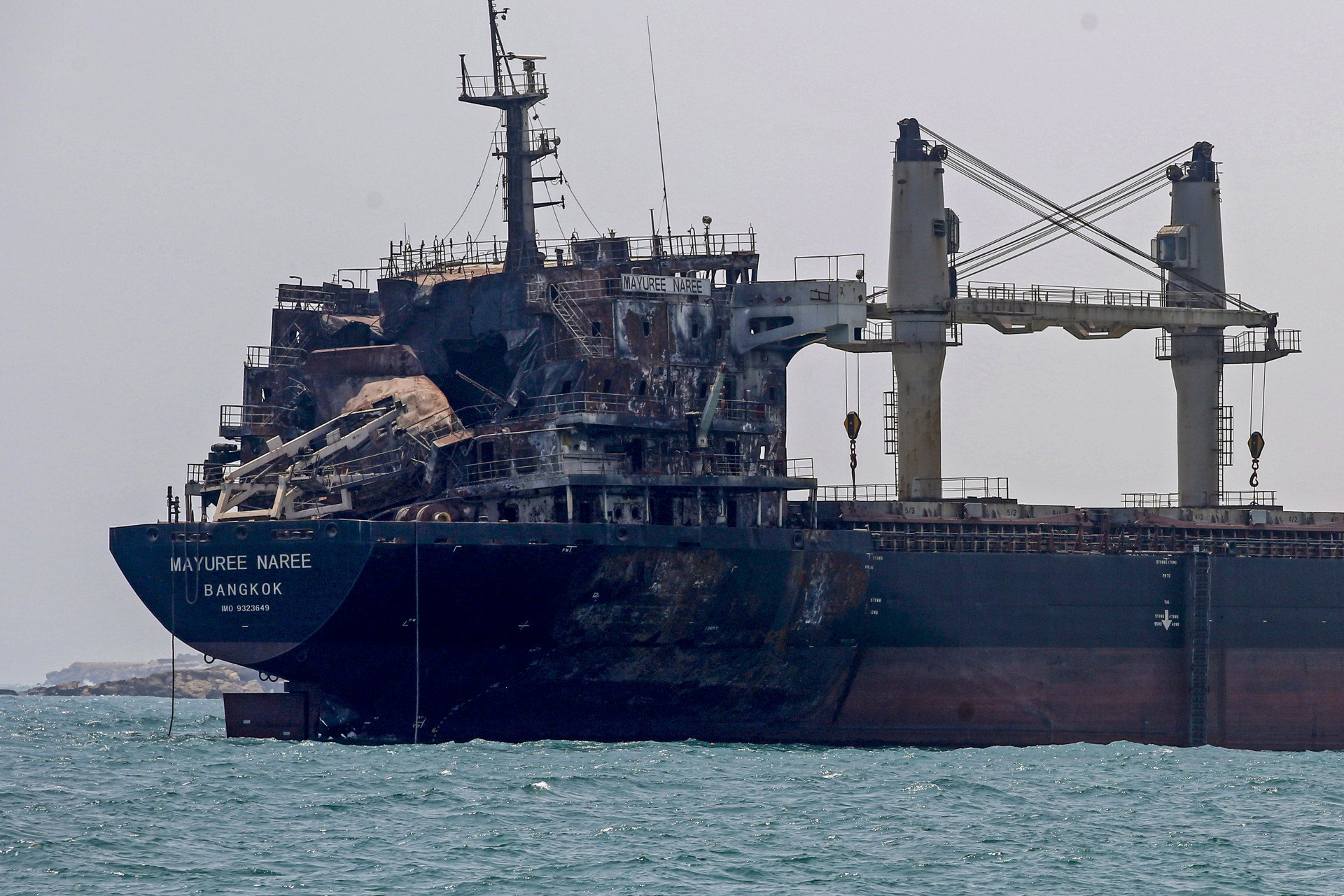
Global diesel supplies are tightening as Persian Gulf exports collapse and Russian refinery output falls. So what is really driving the shortage—and how much of it is actually about Ukraine?
 Prefer U24 Media on Google
- Authors


The global diesel shortage has increasingly been linked to Ukrainian strikes on Russian refineries, but market data shows that the larger supply shock began thousands of kilometers away—in the Strait of Hormuz, where severely restricted shipping has slashed fuel exports from the Persian Gulf.
We bring you stories from the ground. Your support keeps our team in the field.
According to the International Energy Agency’s September Oil Market Report, Gulf countries and Russia together exported 1.6 million barrels per day less diesel and gasoil in August than in February, when they accounted for almost 45% of global seaborne trade in the fuels.
Powerful regional-level jamming has hit the Strait of Hormuz again, with major location and AIS spoofing seen over the last couple of hours.
— OSINTtechnical (@Osinttechnical) May 5, 2026
Seen here, AIS ship tracks on @MarineTraffic disappearing and jumping around. pic.twitter.com/SKXstOzK2h
The IEA said Gulf diesel and gasoil exports alone had fallen to just 390,000 barrels per day—slightly more than one-quarter of their pre-war level.
That means the Gulf lost roughly 1 million barrels per day of diesel and gasoil exports, making disruption in and around the Strait of Hormuz the larger component of the combined Gulf-Russia decline.
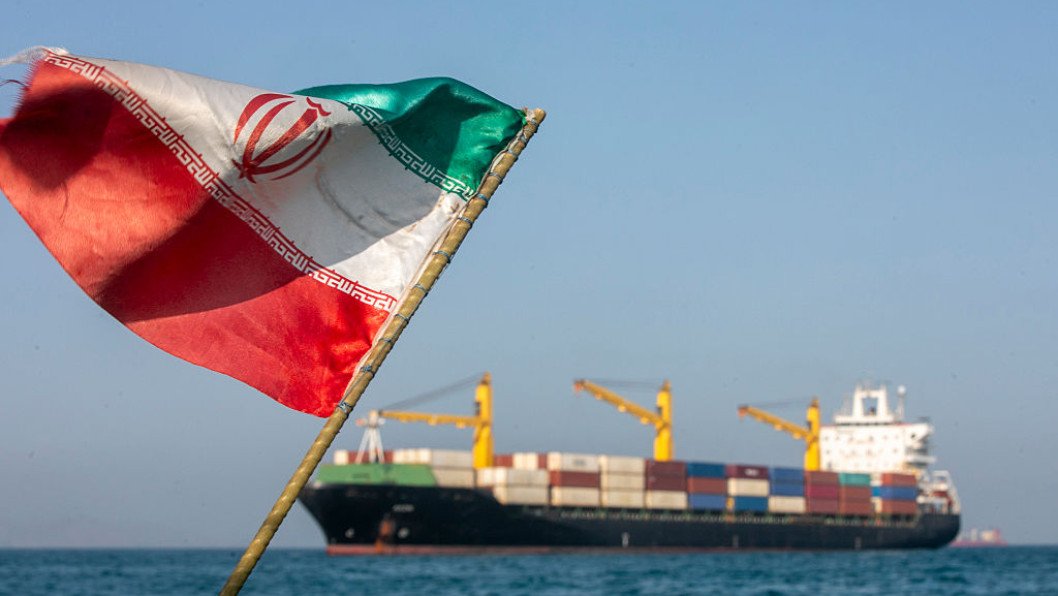
Iran closed the Strait of Hormuz following US-Israeli strikes at the end of February, Reuters reported, cutting Europe off from roughly one-quarter of its diesel and jet fuel supply and helping push fuel inventories at Northwest Europe’s main trading hub to their lowest level in 12 years.
Footage shows the launch of a ballistic missile from Iran toward the Strait of Hormuz. The missile appears to be an anti-ship ballistic missile (ASBM). https://t.co/YAVBHmi703 pic.twitter.com/DQlECWM0bU
— OSINTWarfare (@OSINTWarfare) September 13, 2026
Traffic through the chokepoint remains heavily restricted. According to Reuters on September 16, only four vessels were visibly recorded crossing Hormuz the previous day, compared with a 10-day average of 18. Some ships are believed to be making so-called “dark” crossings with their tracking systems switched off.
The IEA has described the Middle East disruption as the largest oil supply disruption in the history of the global market, noting that around 15 million barrels per day of crude and another 5 million barrels per day of oil products normally passed through Hormuz.
The agency said restoring transit through the strait is the single most important measure for easing pressure on global oil and fuel prices. Ukraine’s strikes on Russian refineries have added another significant supply loss.
The IEA said disruptions to Russia’s refining system and the near-halt in product exports following intensified Ukrainian strikes compounded the decline from the Gulf.
Reuters reported on September 15 that six of Russia’s leading diesel-producing refineries—which together account for roughly half of the country’s diesel production—had reduced or halted output following drone attacks.
Russia has also removed additional supply from the international market through its own policy decisions. Moscow has restricted diesel exports as it tries to protect its domestic market amid refinery outages and fuel shortages, and is preparing to keep restrictions in place through October.
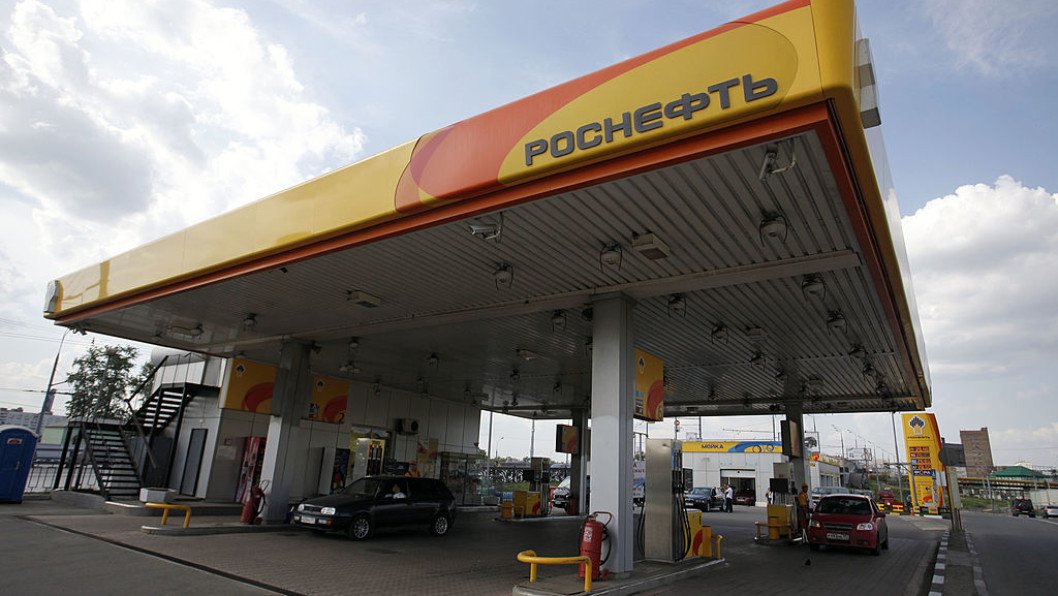
According to Reuters, not all of the Russian diesel missing from the global market reflects refinery outages alone. Moscow has also restricted diesel exports in an effort to stabilize domestic fuel supplies following disruptions at Russian refineries.
Meanwhile, the scale of the Middle Eastern disruption remains larger. The IEA estimates that refined-product and LPG exports from Gulf producers remain almost 60%, or 3.7 million barrels per day, below February levels, while nearly 3 million barrels per day of Gulf refining capacity has been shut because of attacks and limited export routes.
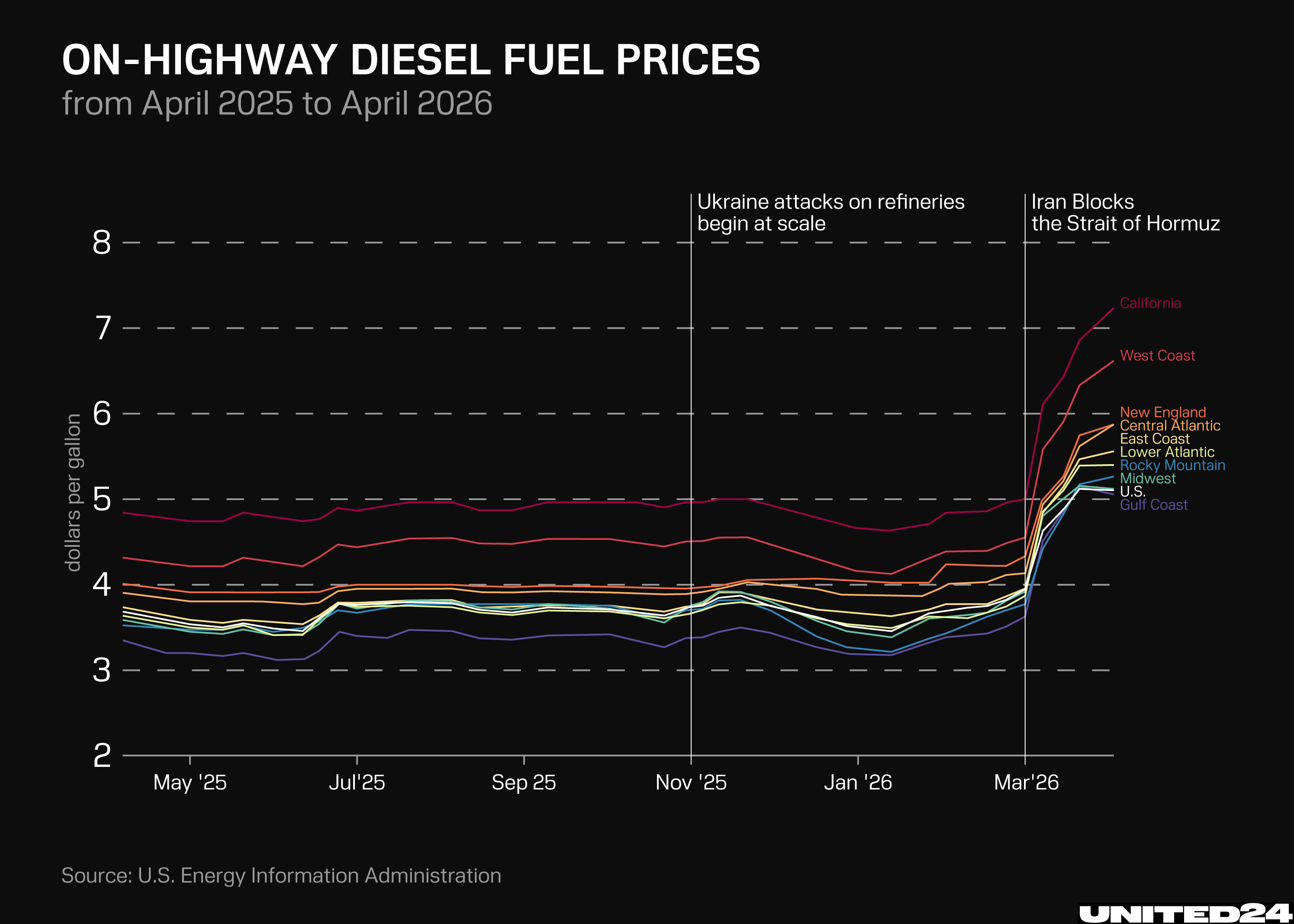
The consequences are now visible worldwide. US diesel and gasoil prices exceeded the equivalent of $200 per barrel in early September, according to the IEA, while Asian diesel refining margins reached a record of more than $87 per barrel on September 16.
Industry executives also warn that there is little spare refining capacity available to replace the missing barrels. Vitol CEO Russell Hardy said in September that the global market was missing large volumes of refined products from both Russia and the Middle East, while US refineries were already operating close to maximum levels.
The figures therefore point to a broader picture than Ukrainian refinery strikes alone. Those attacks have reduced one major source of global diesel supply, but they hit a market that was already severely constrained by the collapse in Persian Gulf fuel exports following the disruption of the Strait of Hormuz. And for now, the Gulf remains the larger part of that supply shock.
Discuss this article:
-9a7b3a98ed5c506e0b77a6663f5727c5.png)


-c439b7bd9030ecf9d5a4287dc361ba31.jpg "Photo of Katherina Popilnichenko")



-111f0e5095e02c02446ffed57bfb0ab1.jpeg "Photo of Roman Kohanets")