- Category
- War in Ukraine
Ukraine Is Hitting Russia’s Diesel Production. How Much Does It Hurt the Kremlin’s War Machine?
Russian oil helps bankroll its war in Ukraine, allowing Moscow to pour roughly $150 billion a year into its military. For Ukraine, cutting that revenue is a way to make the war too expensive for the Kremlin to continue and bring Putin to the negotiating table.
 Prefer U24 Media on Google
- Authors

-29a1a43aba23f9bb779a1ac8b98d2121.jpeg "Photo of Illia Kabachynskyi")
In 2025, Russia’s oil and gas revenues totaled 8.48 trillion rubles (~$100 billion), the lowest level since 2020. In 2024, by comparison, the country collected 11.3 trillion rubles ($133.8 billion). At the same time, Russia had planned a record-large budget for 2025, with 40 trillion rubles ($473.6 billion) in revenue and nearly 42 trillion rubles ($497 billion) in expenditures. The oil and gas sector was expected to account for about 25% of total spending; ultimately, that figure came to 23%.
The oil and gas sector nevertheless remains the primary source of foreign currency for the Russian budget, allowing the country to continue earning money from exports and finding allies despite launching the largest war in Europe since World War II.
That is why Russia’s oil sector in general—and its oil infrastructure in particular—has been one of the Ukrainian military’s primary targets over the past three years, since domestic manufacturers began mass-producing Deep Strike drones.
-5b9bb1d42a6ea3f8375dd1da8095f27a.jpg)
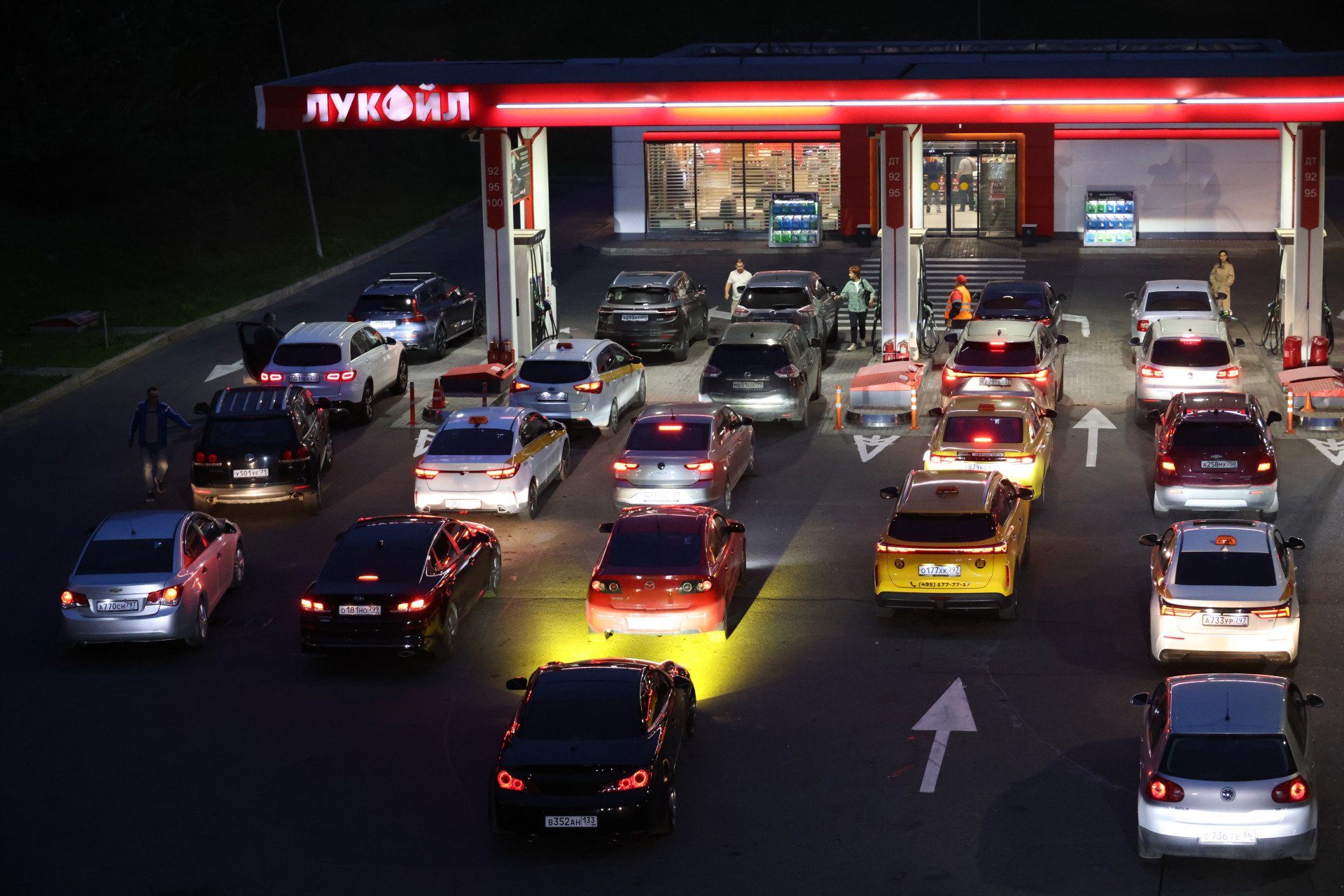
Today, those attacks are producing results. Russia has long been described as a “gas station country,” but successful strikes on its refineries have changed what everyday life there looks like. A country awash in oil has been forced to launch apps showing drivers which gas stations still have gasoline and diesel available, as fuel shortages have spread across much of the country.
As a result, Ukraine is now facing accusations that its strikes on Russian refineries are responsible for rising global diesel prices. The reality is more complicated and requires some explanation.
Weakening Russia’s war economy
Before Russia’s full-scale invasion, Ukraine’s military budget stood at around $5 billion. The outbreak of the full-scale war forced the country to increase its spending several times over, to more than 1 trillion hryvnias ($22.3 billion)—a ninefold increase. Much of the state budget was redirected toward defense.
Even that, however, was not enough to match Russian spending, which exceeded 3.5 trillion rubles by the end of 2022 and remained significantly higher than Ukraine’s.
In subsequent years, Russia’s military budget reached $150 billion in direct expenditures recorded in the federal budget alone. According to several journalistic investigations, the actual figure may have been as much as $100 billion higher each year because of bank lending to defense companies.
With the support of its partners, Ukraine has sought to bring its annual defense spending closer to Russia’s, but even with sustained assistance, its defense budget remains smaller and dependent on continued backing from the world’s leading democracies.
That leaves Kyiv with little choice but to work in the opposite direction: reducing the amount of money Russia earns and, consequently, the amount it can spend on the war. Two measures are being pursued simultaneously:
Economic sanctions.
Deep strikes inside Russia against the sources that generate the most revenue—oil exports and exports of refined petroleum products.
Both types of “sanctions,” as they are called in Ukraine, are having an effect, as Russia’s 2025 oil and gas revenue figures demonstrate. Russia earned about 1.34 trillion rubles ($15.86 billion) from the sector in the first quarter of 2026, compared with 2.6 trillion rubles ($30.78 billion) in the first quarter of 2025.
Continued strikes on refineries inside Russia, as well as on logistics infrastructure, including ports, have prevented Moscow from fully capitalizing on rising oil prices. The fuel crisis has also been exacerbated by the way Russia’s domestic market is regulated.
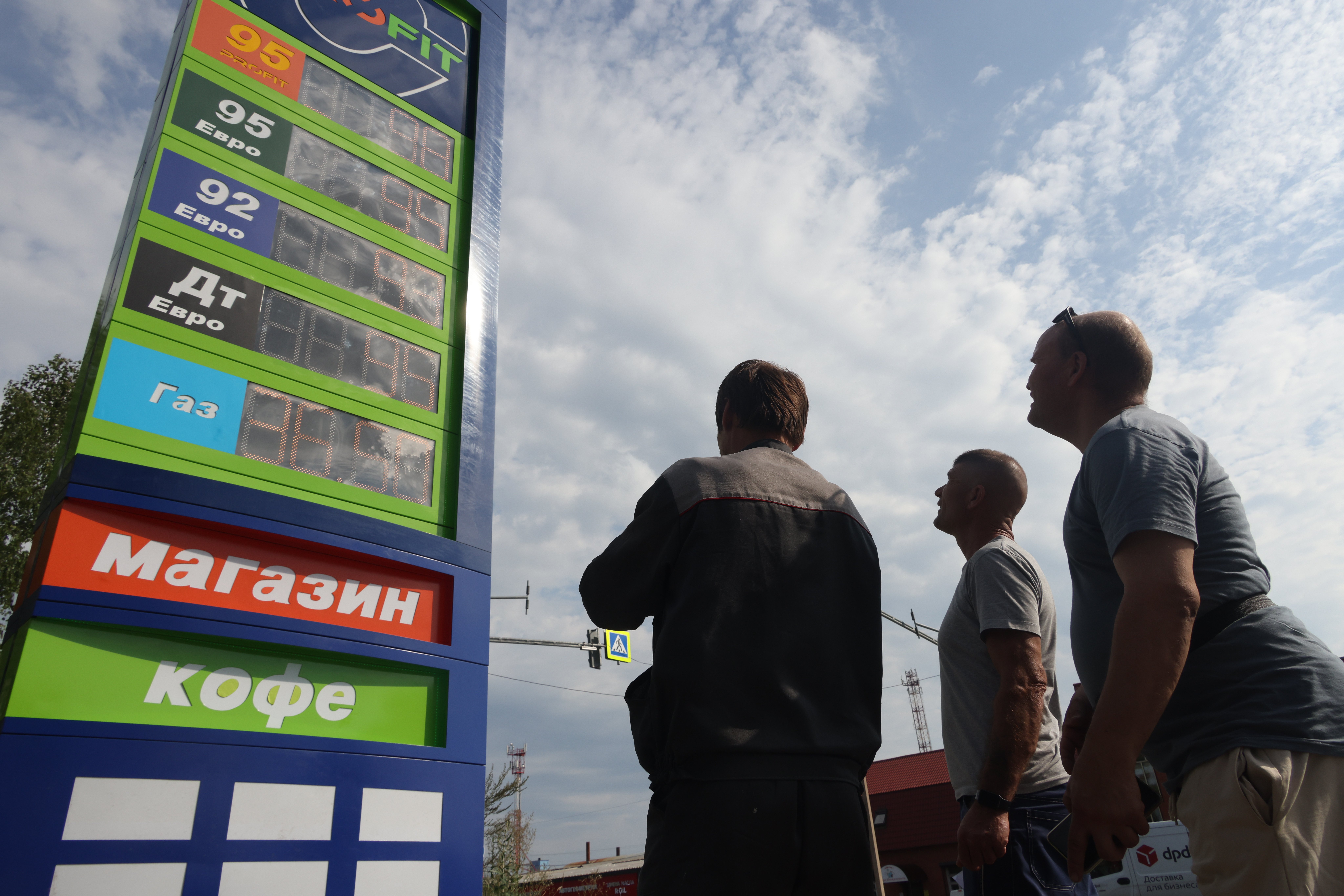
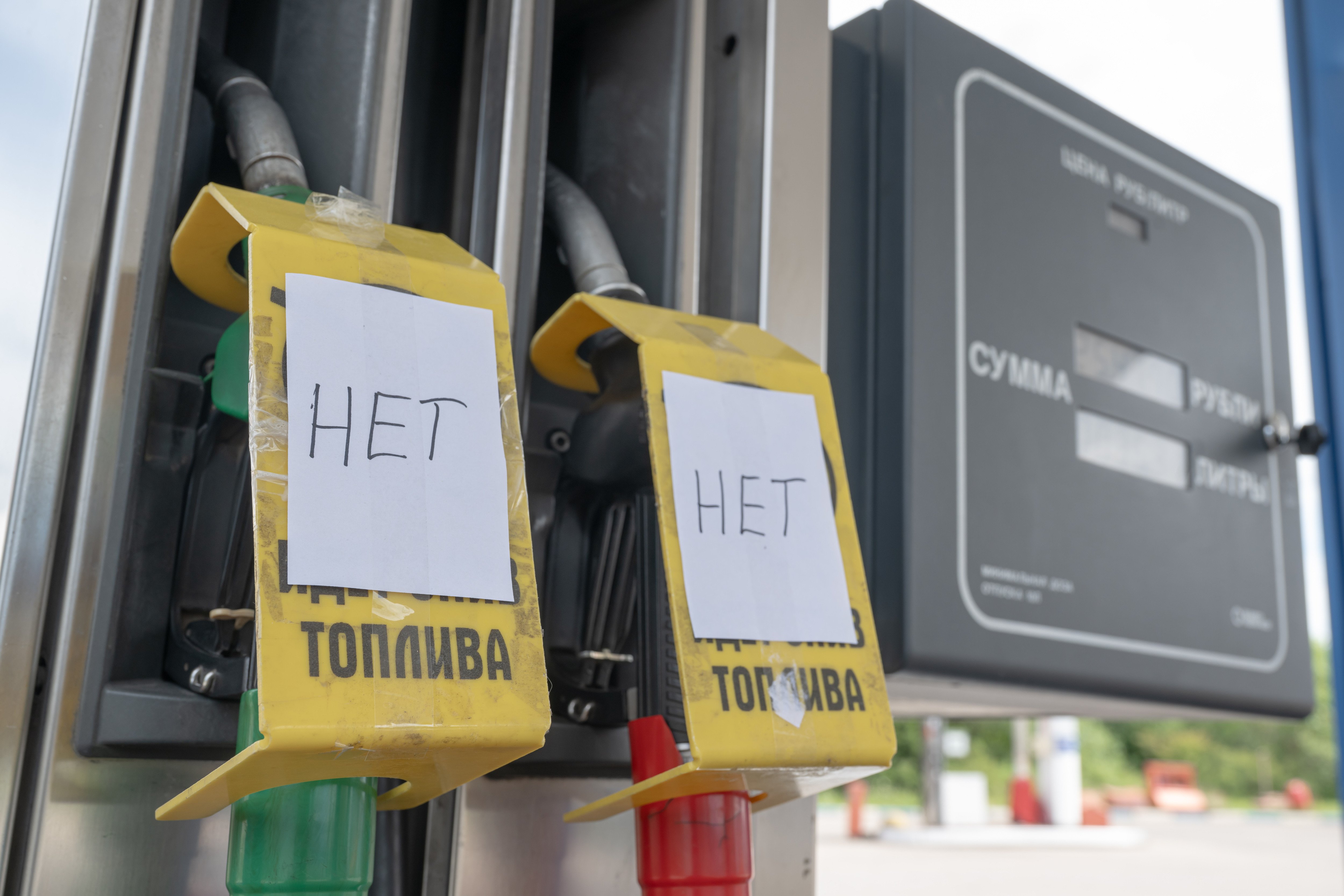
Russia operates a mechanism known as the fuel damper—essentially, money the government pays to domestic oil companies to prevent gasoline prices from rising. In the summer of 2026, this mechanism was “eating up” hundreds of billions of rubles each month in revenue generated by higher oil prices. Because the fuel shortage caused by successful Ukrainian strikes would ordinarily have pushed prices higher, the damper mechanism was used to offset those increases for consumers, leaving the Russian budget with less revenue.
Ukraine’s actions are producing tangible results. Russia’s total federal budget revenue in 2025 amounted to 37.3 trillion rubles ($441 billion), compared with the roughly 40 trillion rubles ($473 billion) originally planned. Expenditures, meanwhile, were higher, reaching 42.93 trillion rubles ($508 billion). The situation has not improved this year: after seven months, the deficit exceeds 6.5 trillion rubles ($76.94 billion), with Russia so far having no clear means of covering the shortfall.
There is also a more direct military effect. Diesel powers much of the heavy transport and machinery behind Russia’s war—from logistics trucks moving ammunition and supplies to engineering equipment and generators. Refineries, therefore, do more than generate export revenue: they produce a commodity Russia needs to sustain military operations.
Iran’s disruption of the Strait of Hormuz shipping
For Ukraine, attacks on Russia’s oil infrastructure are a matter of survival. But even these strikes have not been the actual cause of rising global diesel prices.
Since the start of the full-scale invasion, Russia has imposed nationwide bans on gasoline exports four times and on diesel exports three times. In 2026, this happened only once. In other words, the previous export bans did not affect global market prices.
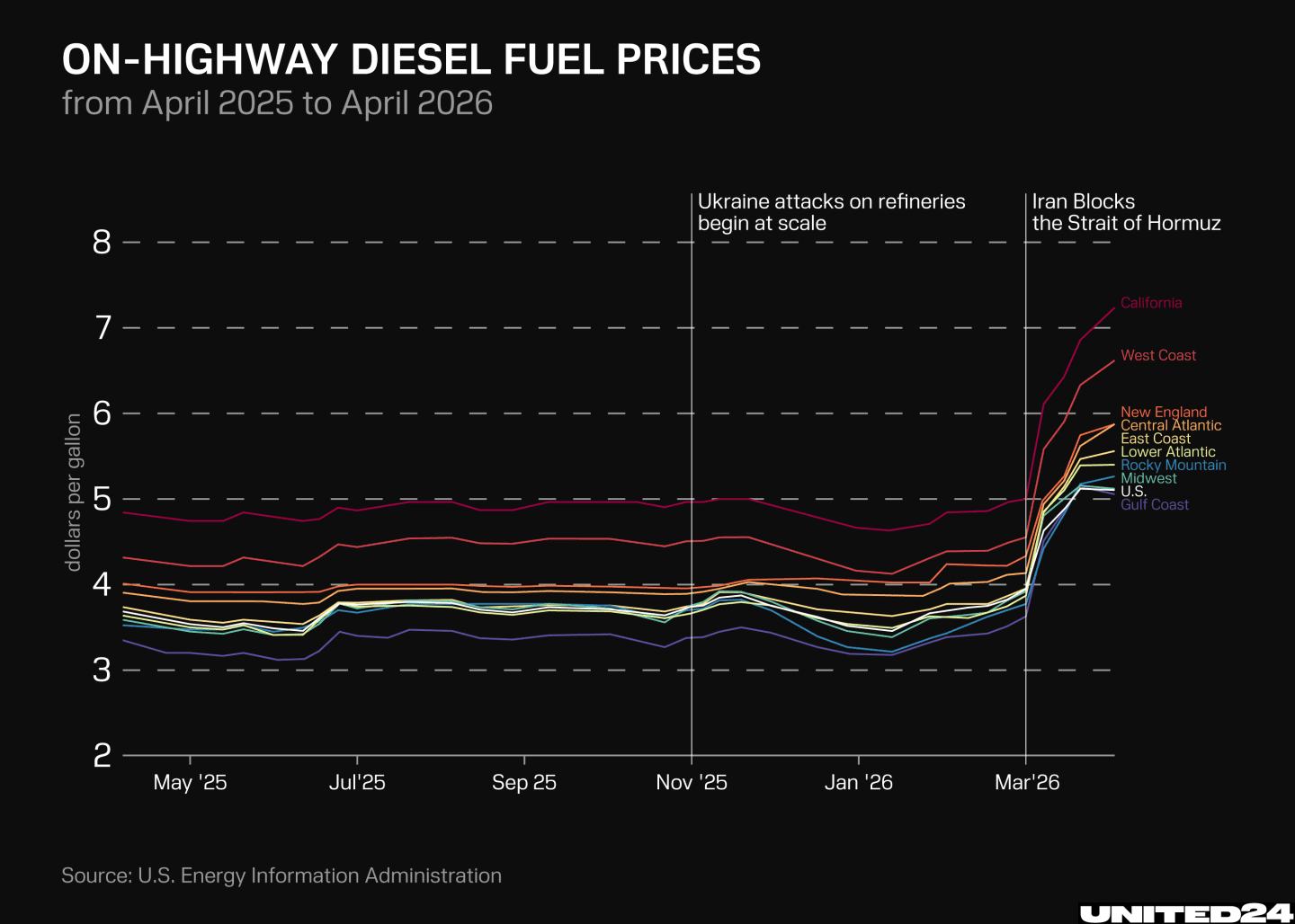
In 2025, Ukraine also carried out at least 70 targeted strikes on nearly three dozen Russian refineries, along with roughly the same number of attacks on other Russian oil infrastructure, including port facilities. Yet those attacks did not affect diesel prices either; prices remained roughly the same throughout the year.
The shift began at one specific moment: when the Iranian government effectively decided that the Strait of Hormuz belonged to it alone. Each time an agreement with Iran was reached, prices fell. All of this happened even as Ukraine continued striking Russian refineries with remarkable consistency, recording 12 successful hits in August 2026 alone.
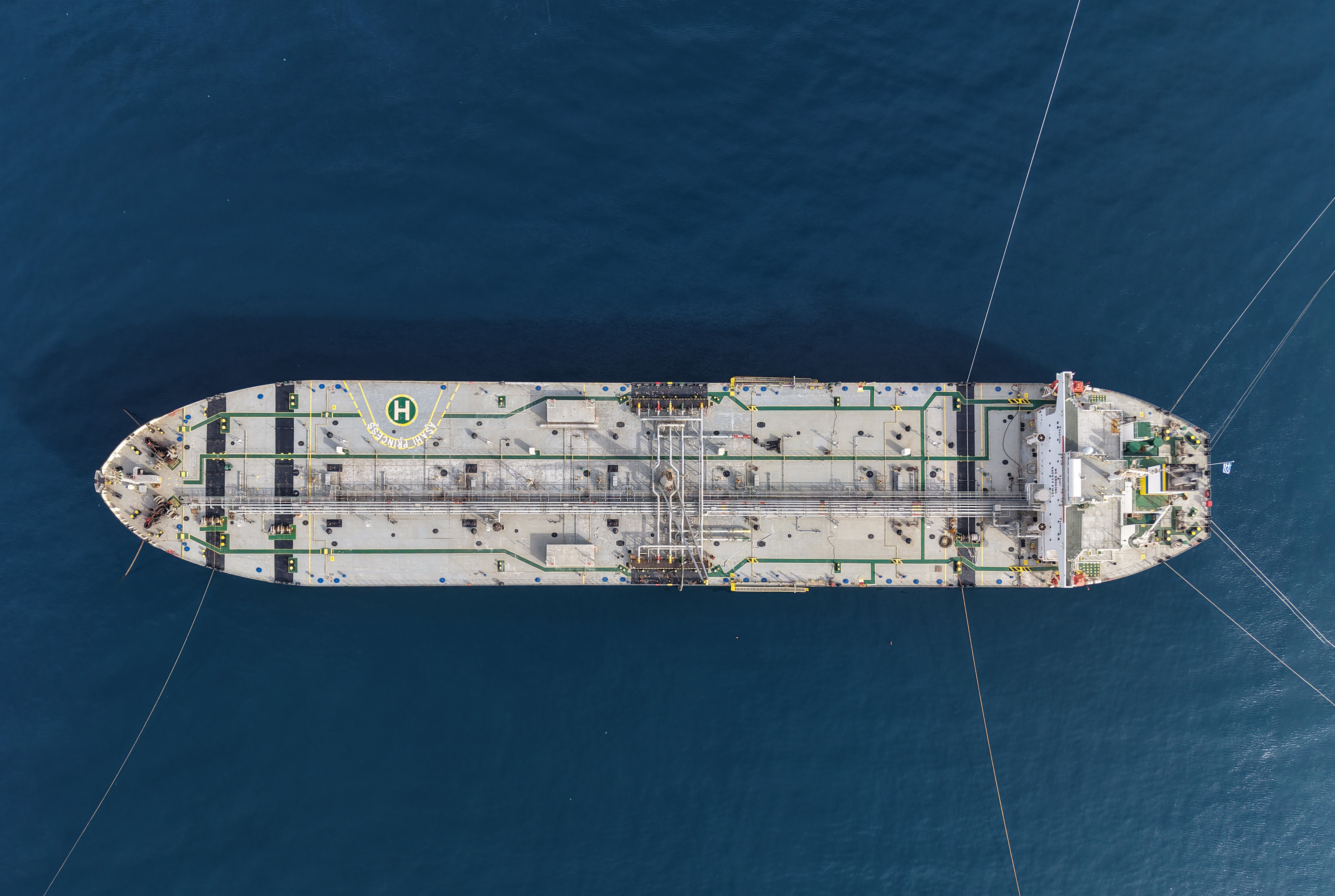
At the same time, the latest sharp increase in oil prices has been driven not only by Iran’s actions but also by those of its proxies—Yemen’s Houthis, who have sought to damage Saudi Arabia’s oil infrastructure while also disrupting another crucial maritime passage, the Bab el-Mandeb Strait, as well as the Gulf of Aden. Repeated attacks on tankers reduce shipping traffic and drive up freight rates.
Today, the actions of Russia’s ally Iran and its proxies are the main factor driving higher petroleum-product prices, as Saudi Arabia, the UAE, Qatar, Kuwait, and other countries are major energy partners of Europe and the United States. Disruptions affecting their exports are therefore reflected in global fuel prices.
Ukraine’s actions, meanwhile, are driven by a single objective: to make the war too expensive for Russia to continue. Kyiv is already prepared to sit down at the negotiating table if doing so can bring the fighting to an end.
Discuss this article:



-c439b7bd9030ecf9d5a4287dc361ba31.jpg "Photo of Katherina Popilnichenko")