- Category
- World
UK Sanctions Russian Scientists Linked to Novichok and Navalny Poisoning
 Prefer U24 Media on Google
- Authors

-72b63a4e0c8c475ad81fe3eed3f63729.jpeg "Photo of Cyril Barabaltchouk")
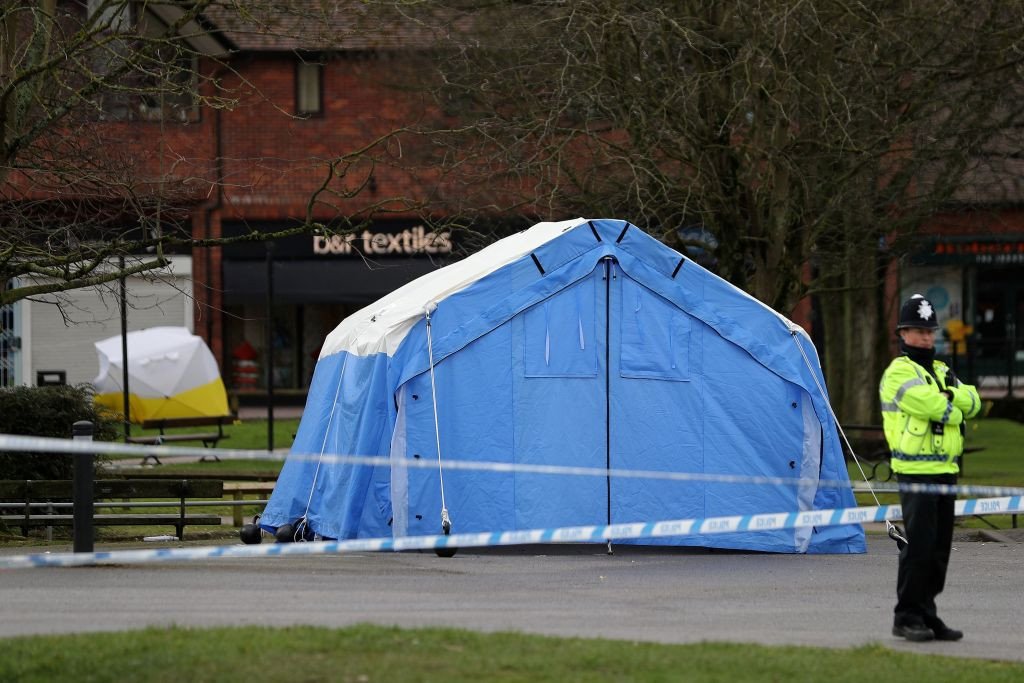
The British government has introduced a new round of sanctions targeting Russian scientists and scientific institutes involved in the development of prohibited chemical weapons, The Telegraph reported on July 6.
The Foreign Office stated that the restrictions, which include asset freezes and travel bans, specifically target individuals and laboratories linked to the synthesis of the Novichok nerve agent used in the 2018 Salisbury poisonings and the Epibatidine toxin deployed against Russian opposition leader Alexei Navalny in Siberia.
We bring you stories from the ground. Your support keeps our team in the field.
Foreign Secretary Yvette Cooper condemned Moscow’s actions, calling the repeated use of chemical weapons a severe violation of international law and a direct threat to global security, The Telegraph wrote.
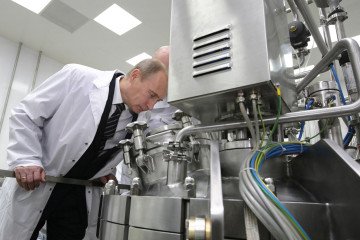
The restrictions apply to seven individuals and two state-directed scientific entities. The targeted institutions include SC Signal and the State Scientific Research and Testing Institute for Military Medicine (GNIII VM). According to data published by The Telegraph, British authorities identified specific technical specialists working in these institutions, including Vladimir Kondratyev, who co-authored research on the toxicity of Epibatidine, as well as Andrei Antokhin and Viktor Taranchenko, who researched Novichok.
SC Signal director Artur Shirov, chief scientist Aleksandr Makhlay, senior researcher Ivan Kravstov, and GNIII VM head Sergei Chepur were also added to the sanctions list.
-72e32e2e8a42f8347acfef3f0316f46d.jpg)
The deployment of Epibatidine—a highly toxic compound naturally found in South American poison dart frogs—against Navalny prompted joint assessments from British and European officials earlier this year, concluding that only the Russian state possessed the capacity and motive to manufacture the substance. The Telegraph notes that the newly announced designations bring the total number of Russian individuals and organizations sanctioned by the UK to approximately 3,400.
Russian forces have also deployed chemical weapons on the battlefield more than 13,300 times since the full-scale invasion of Ukraine began, according to Ukraine’s Ministry of Defense. What began as isolated incidents in 2023 has escalated into a sustained frontline tactic extending into 2026.
These sanction measures follow a previous decision by the British government to sanction Russia’s military intelligence agency, the GRU, in its entirety. That action was taken after a formal public inquiry concluded that Russian leadership was responsible for the 2018 Novichok poisoning in Salisbury.
At the time, Prime Minister Keir Starmer cited the findings as evidence of the Kremlin’s disregard for civilian lives, implementing sweeping restrictions that also targeted individual officers involved in hostile operations across Europe.
Discuss this article:

-c439b7bd9030ecf9d5a4287dc361ba31.jpg "Photo of Katherina Popilnichenko")
-111f0e5095e02c02446ffed57bfb0ab1.jpeg "Photo of Roman Kohanets")