- Category
- World
Ukraine Eyes Seven More NATO Drone Deals After Finalizing Pacts With Six Nations
 Prefer U24 Media on Google
- Authors

-72b63a4e0c8c475ad81fe3eed3f63729.jpeg "Photo of Cyril Barabaltchouk")
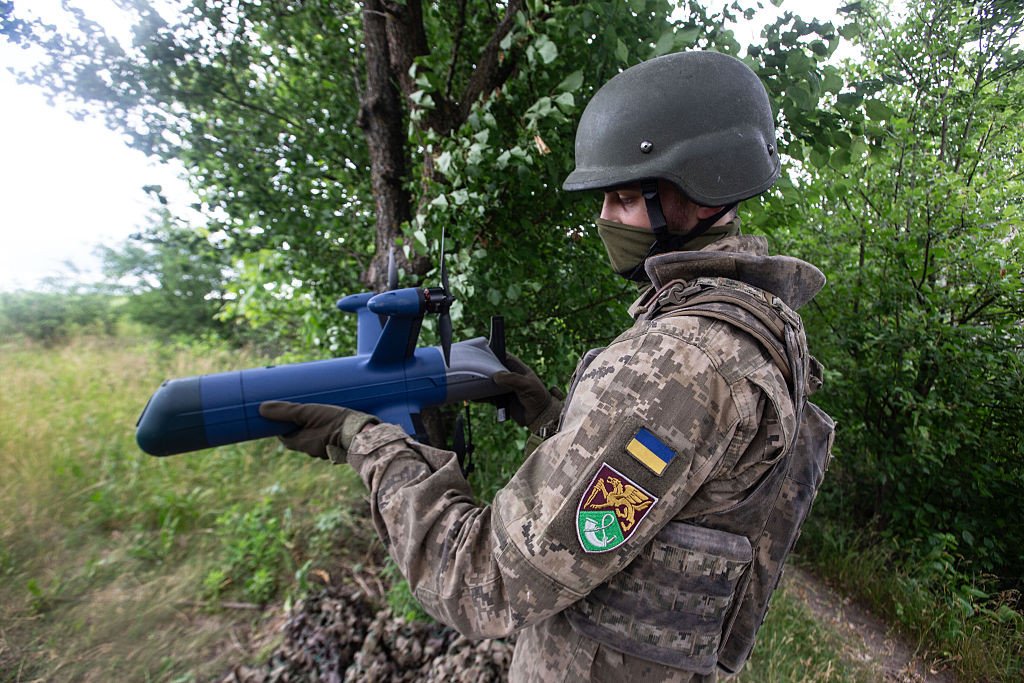
Ukraine intends to secure comprehensive defense agreements with at least seven NATO member states by the end of the year to export its combat-tested drone expertise, The Guardian reported on July 6.
Kyiv has already finalized “drone deals” with six countries in recent months, expanding its foreign policy footprint to prove it can act as a specialized security provider rather than a mere recipient of military hardware. The Guardian reported that three Middle Eastern nations—Saudi Arabia, the UAE, and Qatar—signed pacts to secure Ukrainian anti-drone insights after being targeted by Shahed drones. Azerbaijan, Latvia, and Lithuania have likewise entered into bilateral agreements.
We bring you stories from the ground. Your support keeps our team in the field.
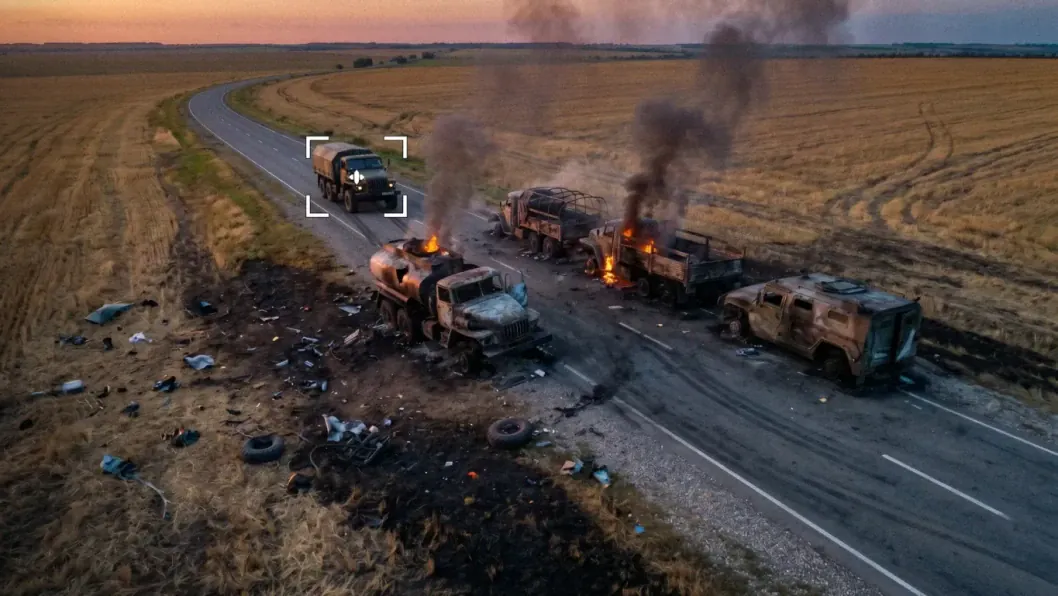
The Shahed is an Iranian-designed suicide drone used heavily by Russia to strike Ukrainian cities. Their low cost and widespread use have turned them into a major threat.
The initiative extends beyond hardware delivery to cover operational knowledge. Davyd Aloian, deputy secretary of Ukraine’s security council, explained to the publication that “the initiative is called the drone deal, but it actually covers way more than just drones … what’s even more important is the experience and knowledge, the access to all the components that form the system here in Ukraine.”
Aloian emphasized that sophisticated interception requires comprehensive radar frameworks, noting that “the interceptor drone is only a drone. It doesn’t mean that you will be able to shoot down Shaheds with it.”
While strict domestic controls focus Ukrainian manufacturing primarily on immediate frontline defense needs, partners are leveraging Kyiv’s strategic integration data. According to analysis shared with The Guardian by Mike Kofman of the Carnegie Endowment for International Peace, Ukraine’s value lies in this holistic integration, as “they can provide an ecosystem of products for organising air defence or developing a strike drone capability.”
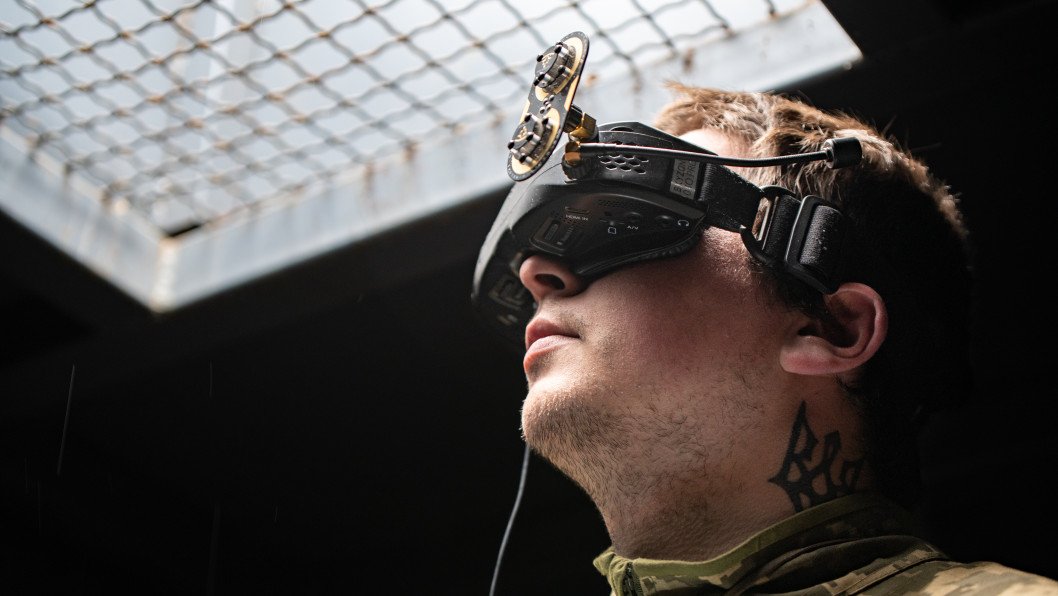
The strategic focus is now pivoting toward European NATO partners, particularly those sharing borders with Russia or Ukraine, where electronic warfare measures have occasionally pushed drones off course into allied territory. The Guardian noted that the Latvian government fell in May following political fallout when two long-range Ukrainian drones, diverted by Russian electronic jamming, hit a domestic oil storage facility.
Following the incident, Latvia partnered with Kyiv to establish a joint drone production site, a step also mirrored by Lithuania.
Several additional alliance members have expressed interest in the initiative, with formal negotiations expected to advance during this week’s NATO leaders summit in Ankara, according to the publication. Concurrently, Kyiv is pursuing political talks to develop a European analogue to the scarce and expensive US-made Patriot missile defense system.
Ukraine’s ambassador to NATO, Alyona Getmanchuk, reflected on the changing international perception of Kyiv’s capabilities, telling The Guardian, “When I arrived at NATO and talked about Ukraine’s potential as a security provider, there was often a look of hesitancy in people’s eyes. Now, some of the same people often start conversations by saying this. It’s become fashionable to talk about Ukraine in this way.”
This initiative follows a regulatory framework previously approved by the Ukrainian government. The policy introduced a transparent mechanism for exporting domestic defense systems and military technologies valued at approximately $335,000 or more to partner states.
Under the guidelines, local manufacturers can fulfill foreign orders to scale production lines that currently exceed domestic purchasing power, provided they simultaneously satisfy existing state defense contracts. The framework also protects Ukrainian intellectual property by prohibiting unauthorized re-exports and requiring a 20% royalty to the state budget if the technology is used by partners for third-party sales.
Discuss this article:
-9a7b3a98ed5c506e0b77a6663f5727c5.png)



-111f0e5095e02c02446ffed57bfb0ab1.jpeg "Photo of Roman Kohanets")