- Category
- World
Ukrainian Interceptor Drones Bumblebee And Vertex Debut at Poland’s Defence24 Days
 Prefer U24 Media on Google
- Authors

-c439b7bd9030ecf9d5a4287dc361ba31.jpg "Photo of Katherina Popilnichenko")
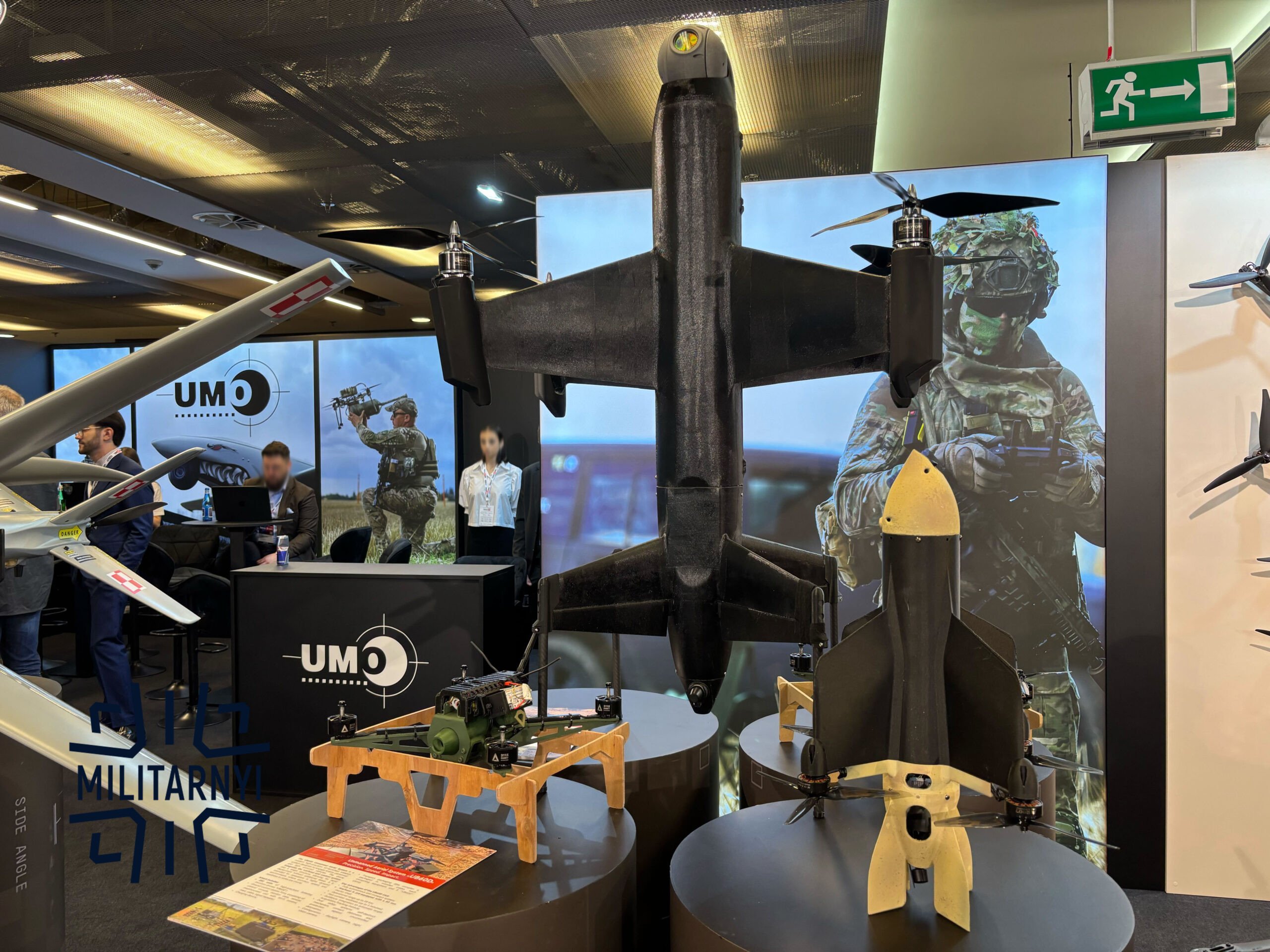
Ukrainian companies have presented their latest interceptor drones, named Vertex and Bumblebee, during the Defence24 Days exhibition in Poland.
The hardware was showcased by UMO, the Polish representative of the Ukrainian firm Ukrspecsystems, according to Militarnyi on May 6.
We bring you stories from the ground. Your support keeps our team in the field.
The Bumblebee is a large interceptor built for operations at strategic depths. It can reach speeds of up to 350 km/h and has a flight range of 30 kilometers.
The drone is capable of flying for 14 minutes at altitudes of up to 4 kilometers. This autonomous system carries a 1.2 kg warhead and can detect targets from a distance of 700 meters.
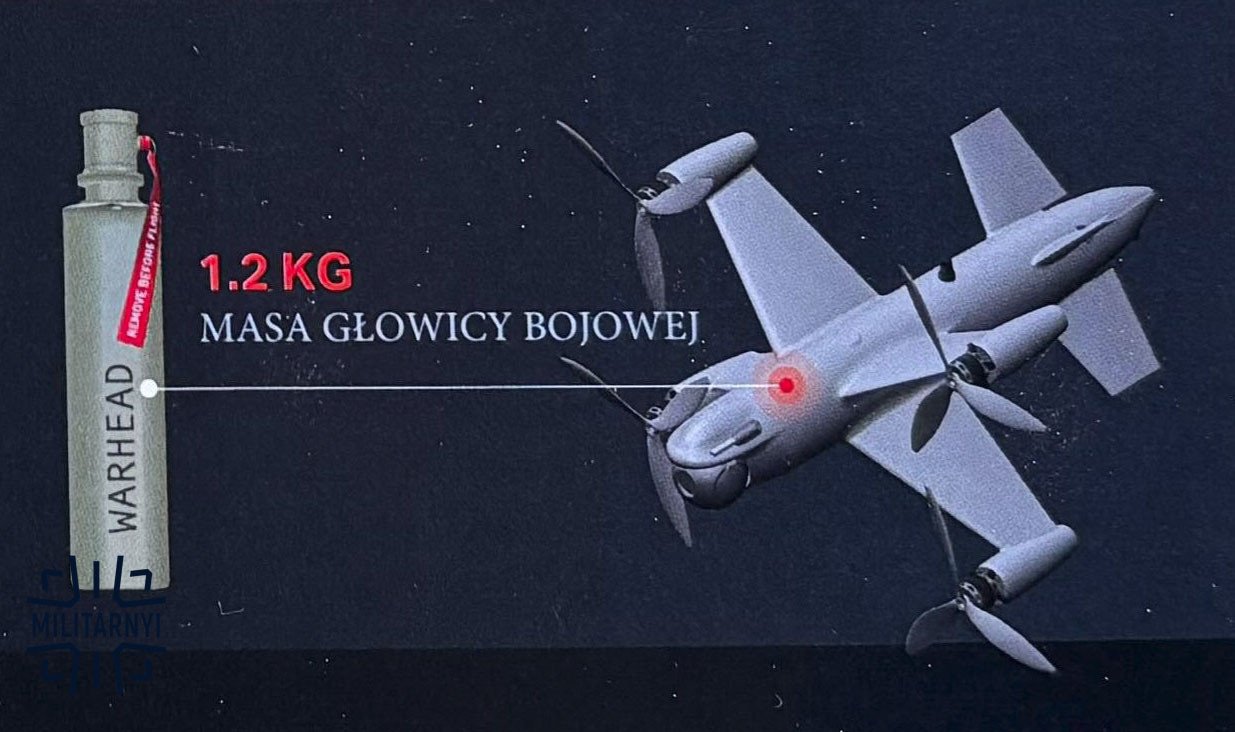
According to the developers, “It closes gaps in the coverage area of traditional air defense.” When an aerial threat is detected, data is gathered from various sources such as radars, acoustic systems, or ground tablets. The target is then classified based on its direction, height, and speed. Once verified, a unit commander authorizes the interception.
The Bumblebee utilizes a vertical launch system. Operators use advanced optics to lock onto a target from 700 meters away and can make manual adjustments until the moment of impact. The interceptor is designed to detonate upon reaching its target, as reported by Militarnyi.
In addition to the Bumblebee, UMO presented a more cost-effective model currently named Vertex. This smaller interceptor carries a 500-gram warhead. It has a flight time of up to 15 minutes and covers a distance between 7 and 10 kilometers.
The body of the Vertex drone is made from carbon filament reinforced with small carbon fibers. This material ensures the drone's components are rigid and resistant to deformation during high-speed operations.
Previously, the Dutch startup Intelic announced the launch of Intelic BASE, a project designed to help defense departments acquire drones more efficiently. This platform addressed the fragmentation of defense procurement in Europe, which had slowed down deployment and limited transparency in weapon selection.
Maurits Korthals Altes, CEO of Intelic, noted that Europe possessed the industrial potential for UAV production, and the platform aimed to shorten the path for these drones to reach military units.
Conceptually, Intelic BASE followed the model of the Ukrainian Brave1 Market, functioning as a marketplace where manufacturers listed their products with technical specifications and prices.
Discuss this article: