- Category
- War in Ukraine
Europe Urged to Develop Missiles With Ukraine After US Refuses Tomahawk Deployment
 Prefer U24 Media on Google
- Authors


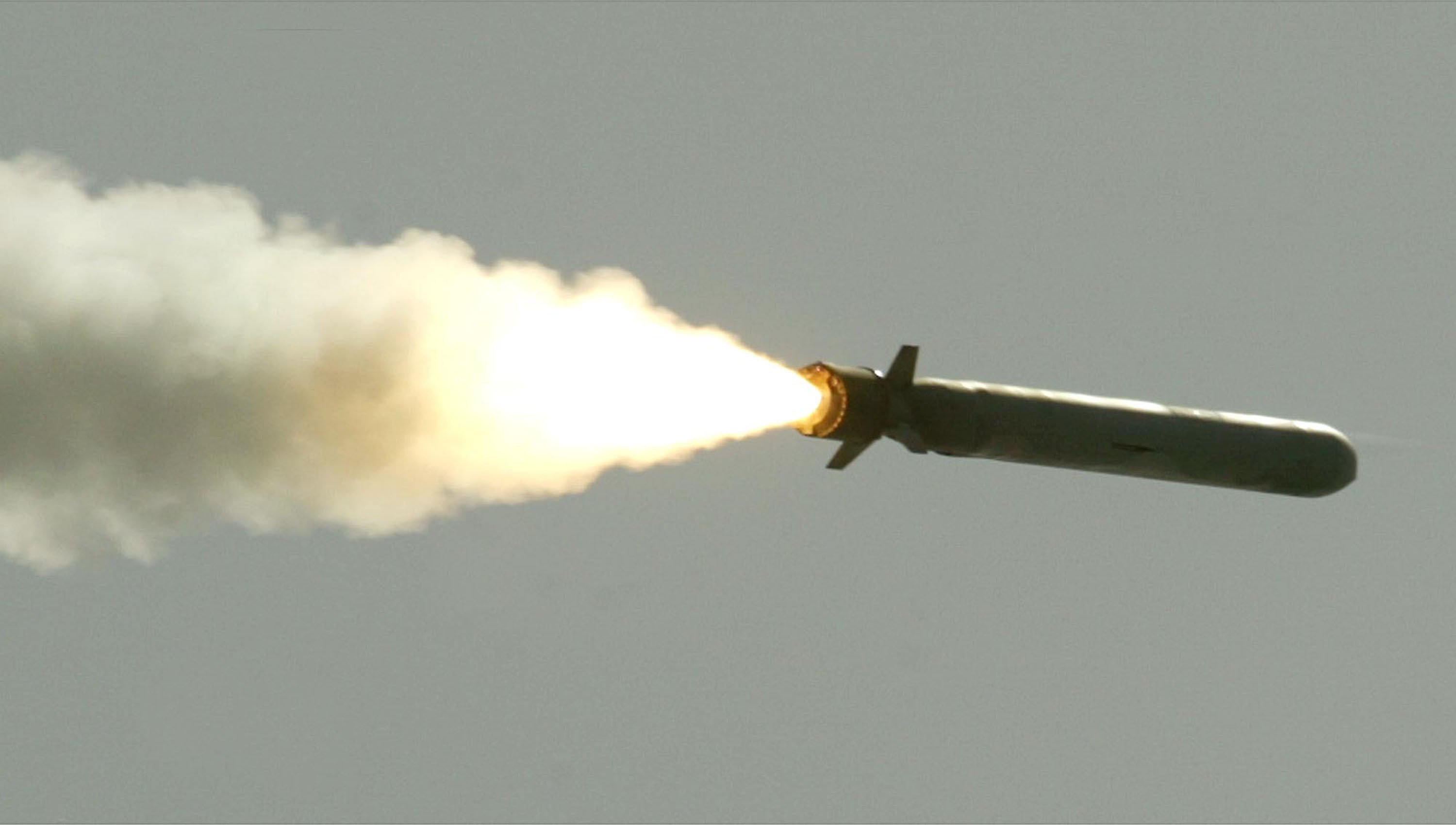
Europe should consider jointly developing missile systems with Ukraine, German lawmaker and defense expert Roderich Kiesewetter said.
He made the comments following the United States’ refusal to deploy Tomahawk cruise missiles in Germany, according to German broadcaster Tagesschau on May 4.
The comments come amid growing criticism of Washington’s decision, which Kiesewetter described as a “huge mistake” that could increase security risks across the region.
We bring you stories from the ground. Your support keeps our team in the field.
According to the politician, European countries need to reassess their security strategy and strengthen their defense capabilities in light of evolving threats.
He warned that the absence of US medium-range systems capable of countering Russia’s nuclear threat directly affects the level of protection for European nations. Kiesewetter added that the consequences could prove more serious than a reduction of US military presence, including the potential withdrawal of 5,000 American troops from Germany.
As a potential solution, he proposed focusing on the development of a European alternative to US weapons systems, including through cooperation with Ukraine.
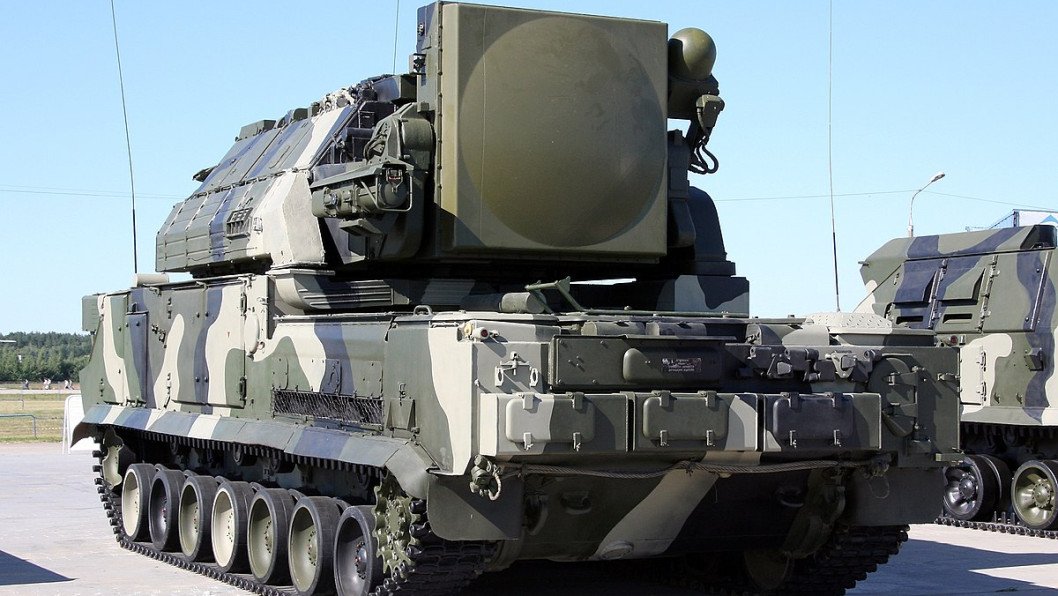
“The way forward is to develop something similar together with Ukraine so that by 2030 such systems are already in place,” Kiesewetter said.
He also cautioned that the decision not to deploy Tomahawk missiles could be interpreted by Moscow as a dangerous signal. Kiesewetter noted that Russia had already violated the Intermediate-Range Nuclear Forces Treaty in 2017.
“Russia does not negotiate, it presents faits accomplis. And the fact that we are now essentially abandoning a standard modernization program is a huge mistake,” he said.
Security expert Nico Lange also voiced support for developing alternative deterrence systems. He stressed that Europe needs its own long-range strike capabilities that are independent of US decisions.
“If American missiles are not deployed, we will need German or European systems, or at least deterrence capabilities independent of US decisions that enable long-range engagement,” Lange said.
He added that Russian Iskander missile systems stationed in Kaliningrad pose a threat to all of Europe, and without US missile deployments, this gap in deterrence will remain.
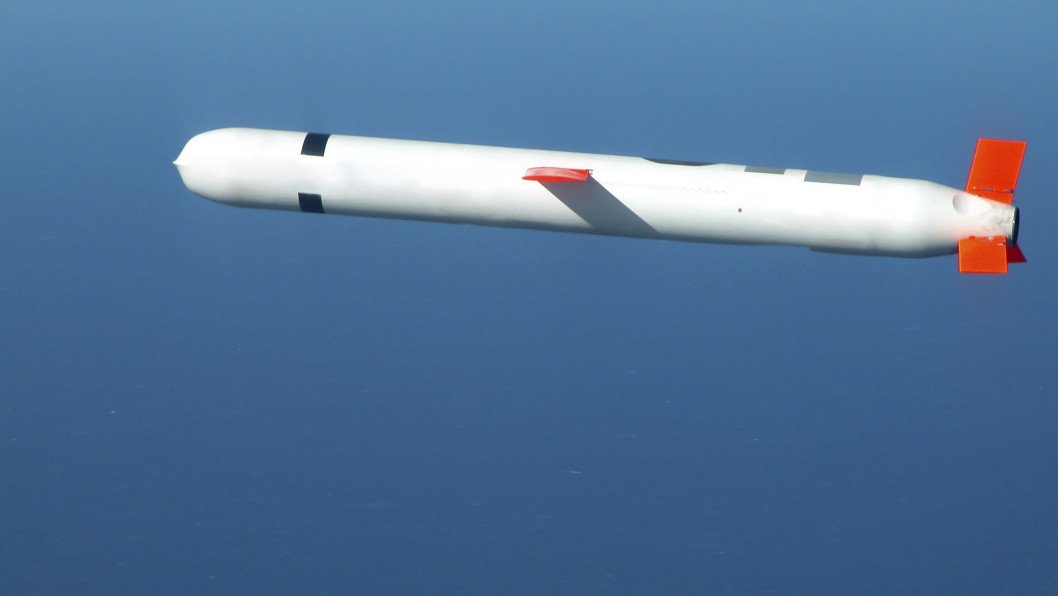
Separately, in February, US Senator Lindsey Graham urged President Donald Trump to begin supplying Ukraine with Tomahawk cruise missiles and to step up pressure on Russian leader Vladimir Putin following Russia’s latest large-scale strikes on Ukrainian cities.
“Clearly, the pressure we’re applying to Putin to come to the peace table and stop massive attacks against Ukraine is not working,” Graham said in a statement posted on X.
He also called on the United States and Europe to pursue tougher economic measures targeting countries that continue purchasing Russian oil, arguing that such buyers are effectively sustaining Moscow’s war effort. Graham pointed to US tariffs on India as an example of how economic pressure could curb imports of Russian energy, suggesting similar steps by other major consumers.
Previously, the Pentagon has cleared a possible transfer of long-range Tomahawk missiles to Ukraine, determining that such a move would not impact US reserves.
The ultimate decision now lies with US President Donald Trump. While Trump previously told Ukrainian President Volodymyr Zelenskyy during a White House meeting that he was hesitant to supply the missiles—saying the US should not give away weapons needed for its own defense—he has not completely dismissed the possibility.
Discuss this article: