- Category
- Latest news
Ukraine’s New “Flamingo” Missile Revives Cold War US Design Once Meant to Strike the USSR
 Prefer U24 Media on Google
- Authors


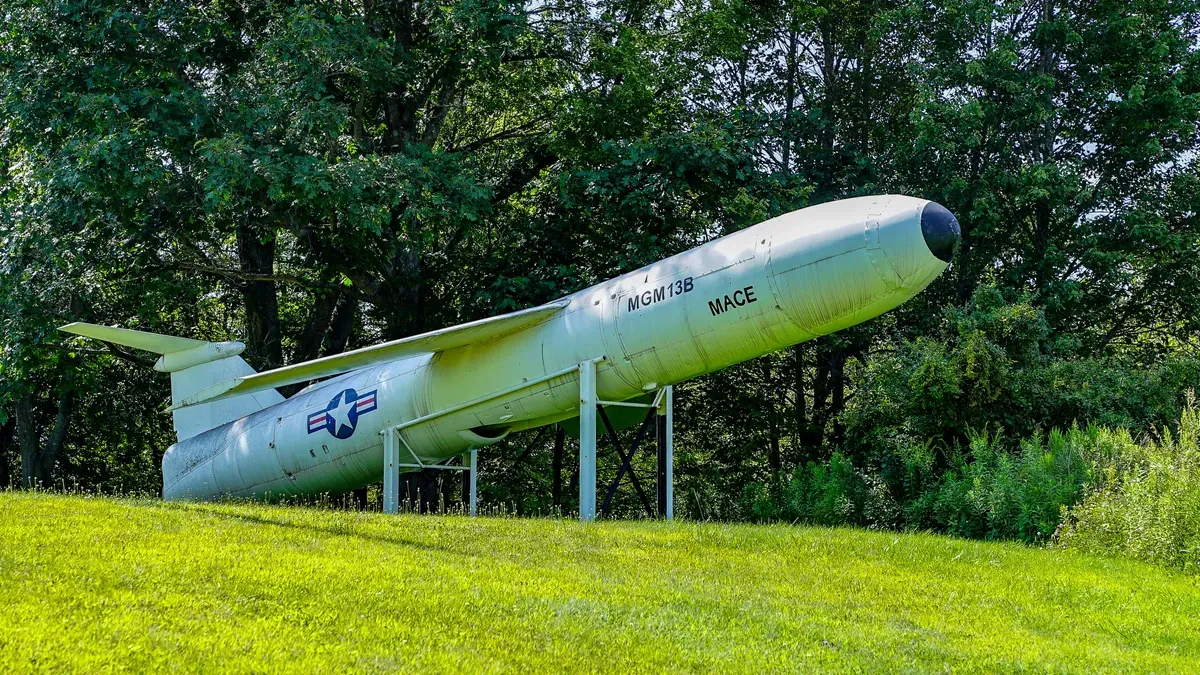
Ukraine’s newly unveiled FP-5 “Flamingo” cruise missile stands out for its significant launch weight of around six tons, carrying a one-ton warhead—dimensions that sharply contrast with the current Western trend toward miniaturization.
According to Defense Express on August 18, the deployment of such large-scale missiles is not without precedent.
During the Cold War, the United States fielded the MGM-13 Mace, a development of the earlier MGM-1 Matador, both of which were deployed against the Soviet Union between the 1950s and early 1970s.
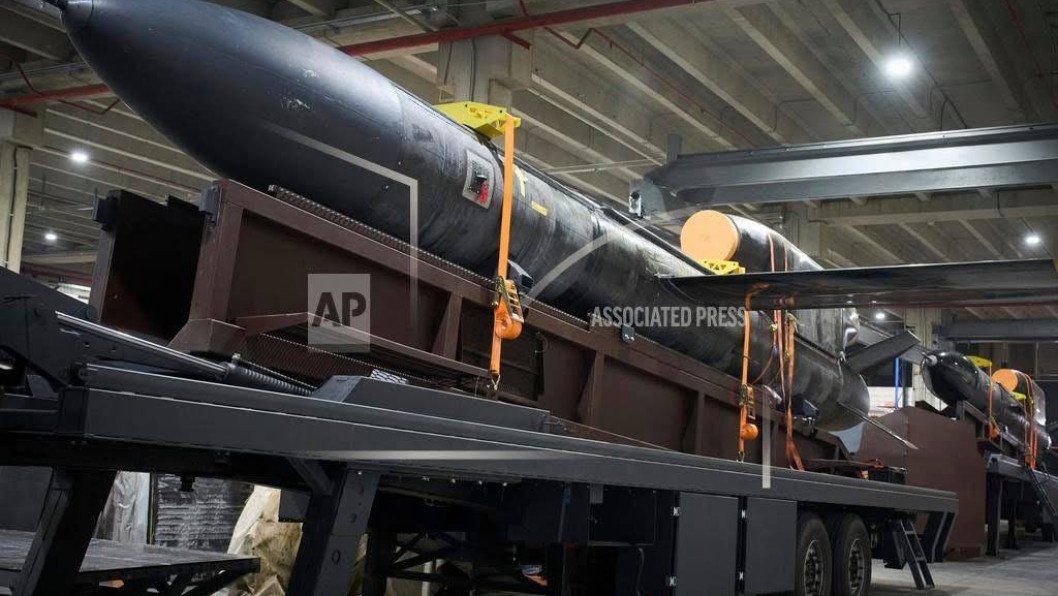
The FP-5 “Flamingo,” with its six-meter wingspan and extended range of up to 3,000 kilometers, is designed to deliver a one-ton payload over long distances.
By comparison, the US Tomahawk missile, developed in the 1980s, has a maximum launch weight of just 1,470 kilograms and a wingspan of 2.67 meters. Russia’s Kh-101 cruise missile, another modern system, weighs around 2,200–2,400 kilograms with a three-meter wingspan.
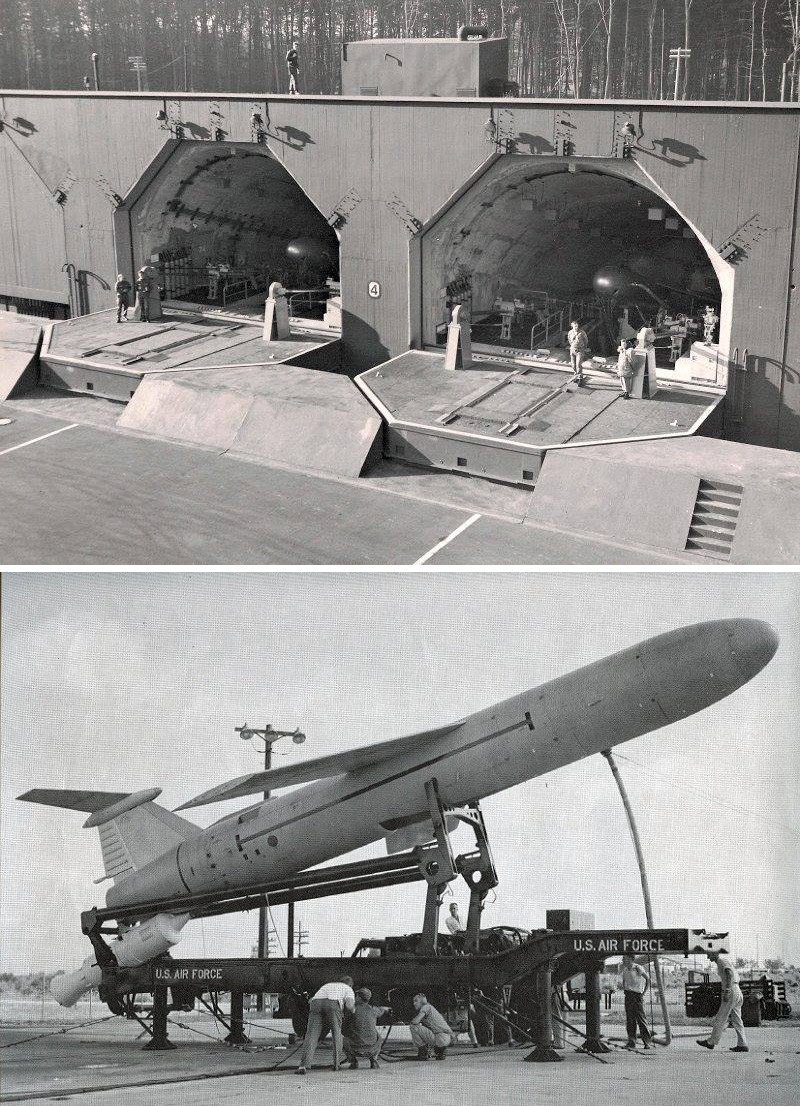
The MGM-1 Matador, first fielded in 1952, had a launch weight of 5,400 kilograms and carried a nuclear warhead weighing over one ton. Initially guided by line-of-sight radio commands, the missile’s range was later extended to 1,000 kilometers with the introduction of the SHANICLE radio navigation system.
Its successor, the MGM-13 Mace, introduced in 1959, incorporated a more advanced navigation system known as ATRAN (Automatic Terrain Recognition and Navigation), an early analog predecessor of terrain contour matching.
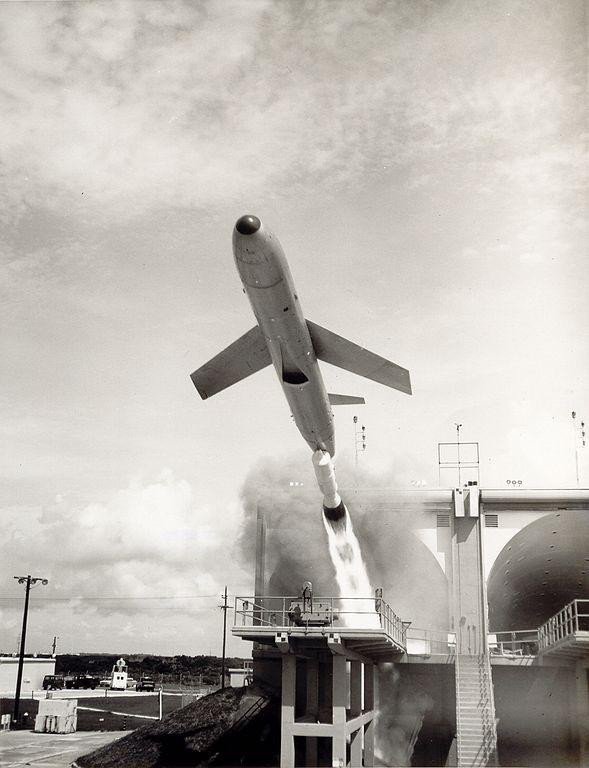
The Mace’s upgraded Allison J33-A-41 engine increased its range to 2,300 kilometers. It carried the W28 nuclear warhead, also weighing close to one ton.
These missiles were deployed in West Germany, South Korea, and Japan’s Okinawa as part of US nuclear deterrence strategy against the Soviet Union.
By the early 1970s, however, they were phased out, replaced by smaller, more accurate systems enabled by advances in navigation and warhead miniaturization. Both the Matador and Mace were later repurposed as target drones.
Earlier, Ukraine introduced an upgraded version of its domestically produced Neptune missile, now capable of striking targets up to 1,000 kilometers away. Originally designed as an anti-ship system, Neptune proved its effectiveness by sinking Russia’s Black Sea Fleet flagship Moskva in 2022 and has since been adapted for long-range land strikes.
Discuss this article:


-c439b7bd9030ecf9d5a4287dc361ba31.jpg "Photo of Katherina Popilnichenko")