- Category
- World
US Army Pushes Ukraine-Style FPV Drones Down to Platoon Level in Live-Fire Test
 Prefer U24 Media on Google
- Authors


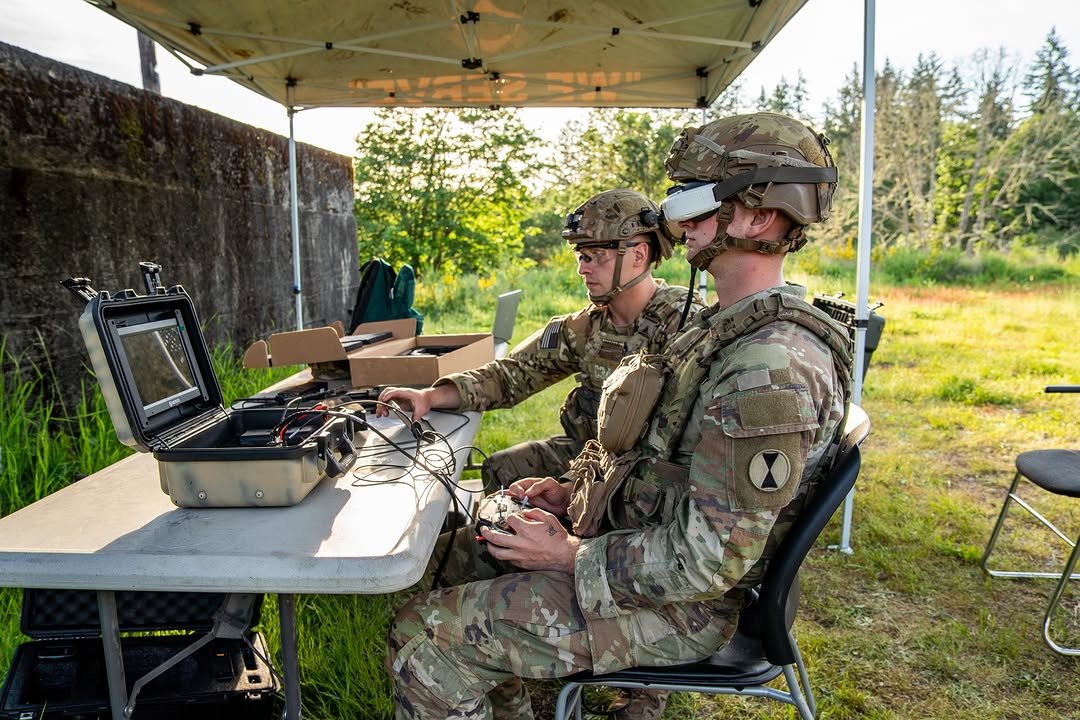
The US Army is moving FPV drones deeper into frontline infantry operations after lessons from Ukraine showed how low-cost unmanned systems can reshape small-unit combat, Army Recognition reported on May 25.
Soldiers from the 1st Battalion, 23rd Infantry Regiment conducted their first platoon-level validation of the Neros Archer FPV drone during a live-fire exercise at Joint Base Lewis-McChord in Washington, according to Army Recognition.
We bring you stories from the ground. Your support keeps our team in the field.
US Army Pacific disclosed the test and marked a shift from limited experimentation toward routine FPV drone integration in conventional infantry units.
The Neros Archer gives platoon-level formations the ability to identify, track, and engage targets beyond direct line of sight while reducing the need to expose soldiers on the battlefield.
According to Army Recognition, the drill reflects the Army’s broader push toward distributed combat, autonomous systems, and faster kill-chain execution as US forces prepare for high-intensity operations in the Indo-Pacific and other contested environments.
Soldiers with 7ID (Multi-Domain Command - Pacific) tested their skills on the Neros Archer FPV drone during an LFX at JBLM, Washington. The exercise marked 1-23 IN’s first infantry platoon-level FPV drone validation as we continues integrating drone capabilities across the force. pic.twitter.com/VKPDgxAv0V
— U.S. Army Pacific (@USARPAC) May 24, 2026
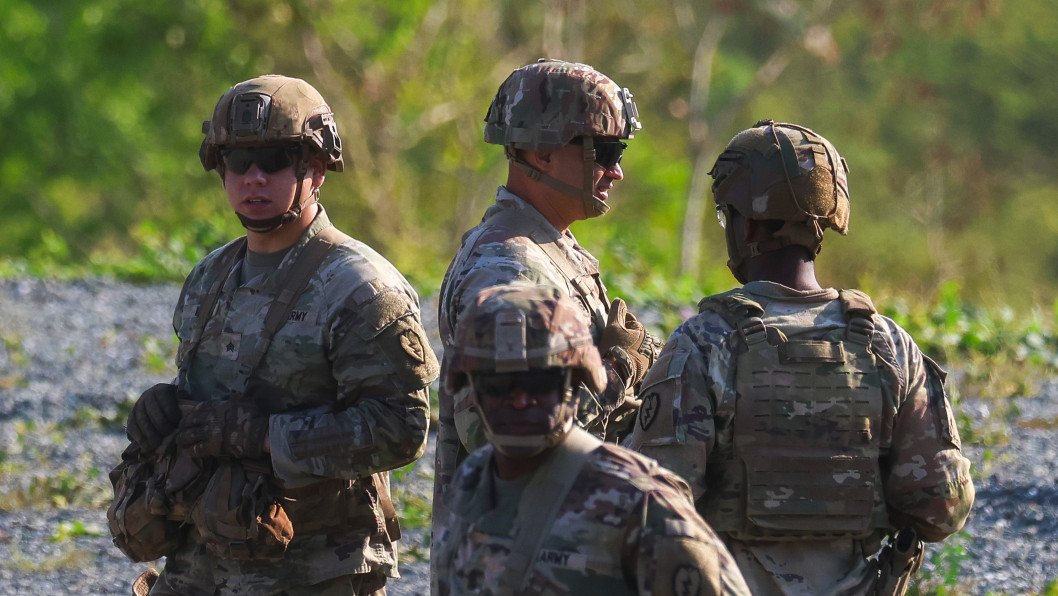
The exercise involved soldiers from the 1-23 Infantry Regiment, part of the 2nd Stryker Brigade Combat Team, 7th Infantry Division.
While the Army did not release detailed information on how the drone was used during the live-fire event, the validation itself shows that infantry platoons are beginning to fold FPV drone operations into field maneuver and combat training.
FPV drones are controlled through a live onboard video feed, allowing operators to fly at low altitude, maneuver through complex terrain, and provide rapid battlefield visibility.
Their portability and relatively low cost have made them especially valuable for small units that need immediate reconnaissance or precision strike options without waiting for higher-level assets.
U.S. Marines have money, helicopters, and the institutional appetite to experiment — so they turned a UH-1Y into a flying drone command post. In theory it extends FPV range, improves link quality, and keeps crews out of the threat envelope. What I don't quite follow: why not just… pic.twitter.com/yPKahbict2
— Dylan Malyasov | 🧐 (@DylanMalyasov) May 21, 2026
Army Recognition noted that this growing US interest has been heavily shaped by recent conflicts, especially Ukraine, where FPV drones have become one of the most visible and consequential tools of the battlefield.
Ukrainian forces have used them for reconnaissance, precision strikes, vehicle hunting, and rapid targeting at the tactical level.
The US Army’s approach represents a major change from earlier drone operations, which were often managed at the battalion or brigade level. Now, unmanned aerial capabilities are being pushed directly into platoon formations, making small-drone operations a standard part of frontline infantry readiness.
The Neros Archer is produced by Neros Technologies, a US company specializing in tactical unmanned systems for military use.
Army Recognition reported that using an American-made FPV drone also fits Washington’s wider effort to strengthen domestic drone production and reduce reliance on foreign-manufactured systems.
The involvement of the 7th Infantry Division’s Multi-Domain Command–Pacific structure also points to the growing importance of drones for Indo-Pacific operations.
In a theater defined by distance, dispersion, and contested communications, compact FPV systems could give infantry units faster awareness and more flexible strike options.
Army Recognition notes that the message from Ukraine’s drone war is now reaching US training grounds: future infantry units will not only carry rifles and radios, but also their own eyes—and possibly their own precision strike tools—in the sky.
Earlier, reports emerged that the United States Department of Defense requested to test a variety of Ukrainian defense products, including drones and electronic warfare systems, as Washington evaluates them for potential military procurement.
Discuss this article:


-c439b7bd9030ecf9d5a4287dc361ba31.jpg "Photo of Katherina Popilnichenko")