- Category
- World
US Army Tests Counter-Drone Defenses With NATO Allies Near Belarus
 Prefer U24 Media on Google
- Authors

-111f0e5095e02c02446ffed57bfb0ab1.jpeg "Photo of Roman Kohanets")
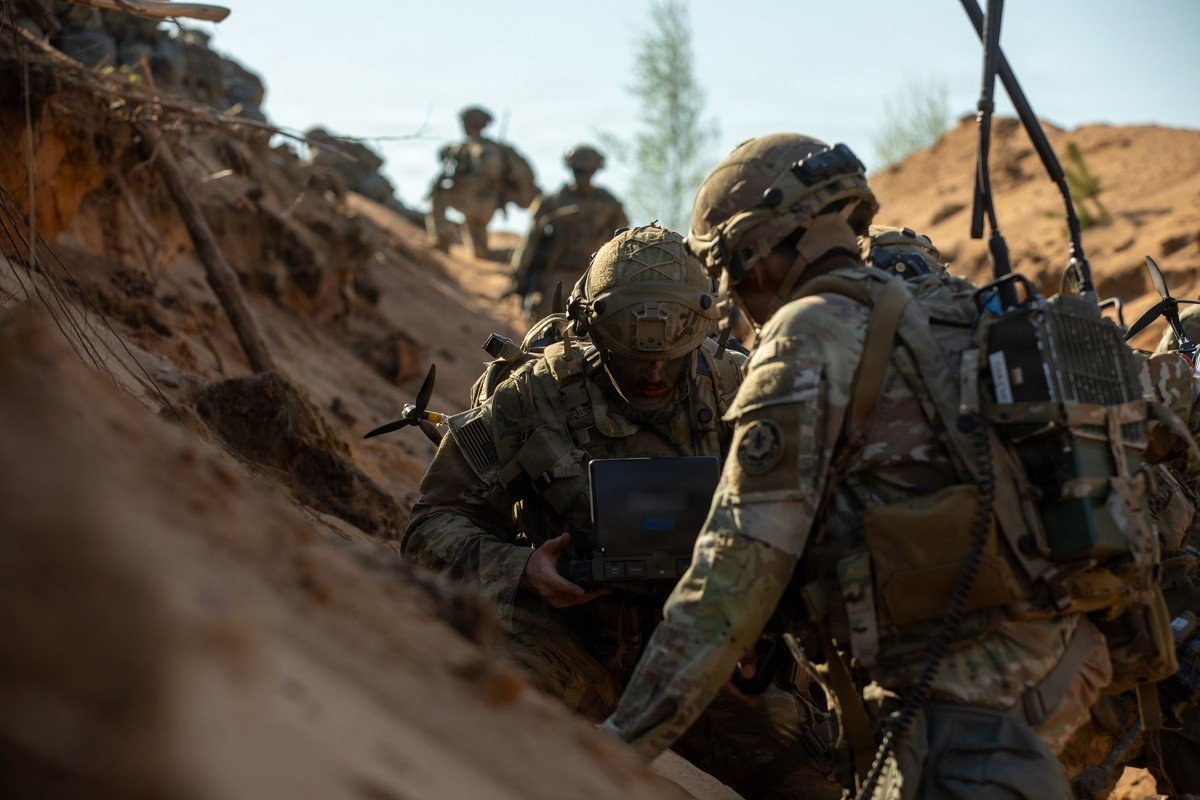
The US Army conducted a joint exercise with British troops in Lithuania this month to combine drone-warfare tactics and strengthen counter-drone capabilities across NATO, according to Forbes on May 31.
The drill, named Project Flytrap 5.0, took place about 30 kilometers from the border with Belarus and marked a significant expansion in allied forces' ability to defeat unmanned aircraft systems in mobile combat.
We bring you stories from the ground. Your support keeps our team in the field.
The Flytrap series, launched last year, forms part of NATO's Eastern Flank Deterrence Initiative to protect the alliance's eastern borders. Previous iterations were held in Germany and Poland, growing progressively larger to match the expanding dimensions of drone warfare.
Led by the US Army's V Corps and US Army Europe and Africa, the exercise pitted American units against British paratroopers repelling drone attacks at the squadron level.
Participants tested more than 50 innovations, including counter-drone interceptors, sensors, and unmanned ground vehicles, while giving instant feedback to the manufacturers represented. The next iteration will scale up to brigade level.
Dr. Alexander Miller, the US Army's Chief Technology Officer, explained that successive exercises have sharpened NATO forces' ability to respond cohesively to drone incursions by merging tactics and technology.
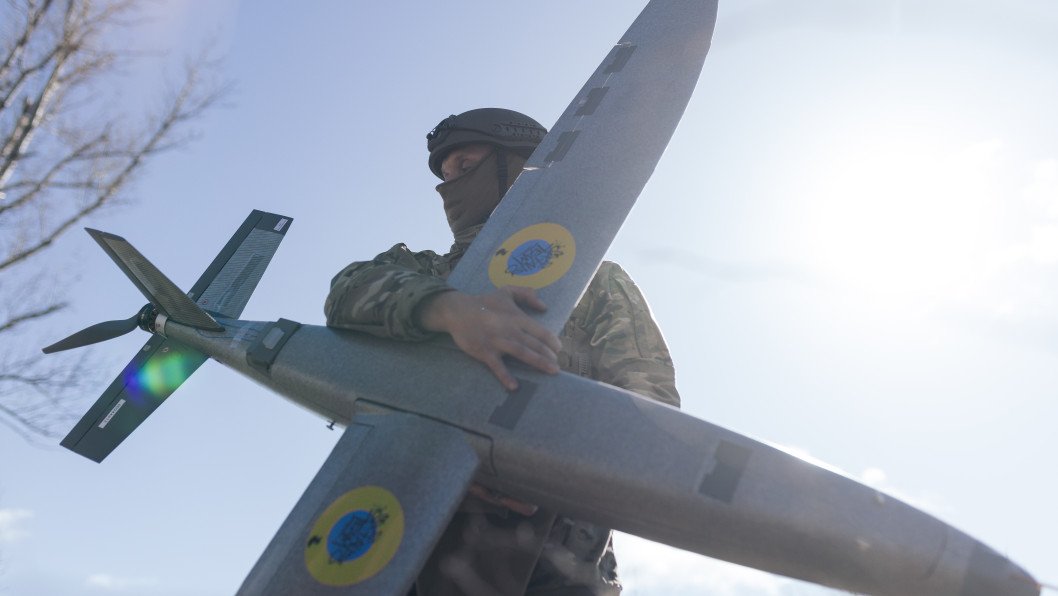
The project emerged from a need to move past defending static targets and to fold sensors and counter-drone methods into close combat and maneuver warfare, he told Forbes.
"How do you bring this all together in a way that soldiers can still fight, move and communicate with the defense system working around them to protect them? That is the origin of Flytrap," Miller stated.
He stressed that the strategy spans both advanced systems and basic field measures, naming maneuver, camouflage, and netting among the simple tactics that matter as much as the high-end technology.
British and American troops combined a tactical data architecture system to use against attacking drones, and Miller described the UK as a reliable partner from the project's outset. He noted that British forces are advancing soldier-worn protection to alert individual riflemen to nearby threats, alongside new drone systems they are fielding.
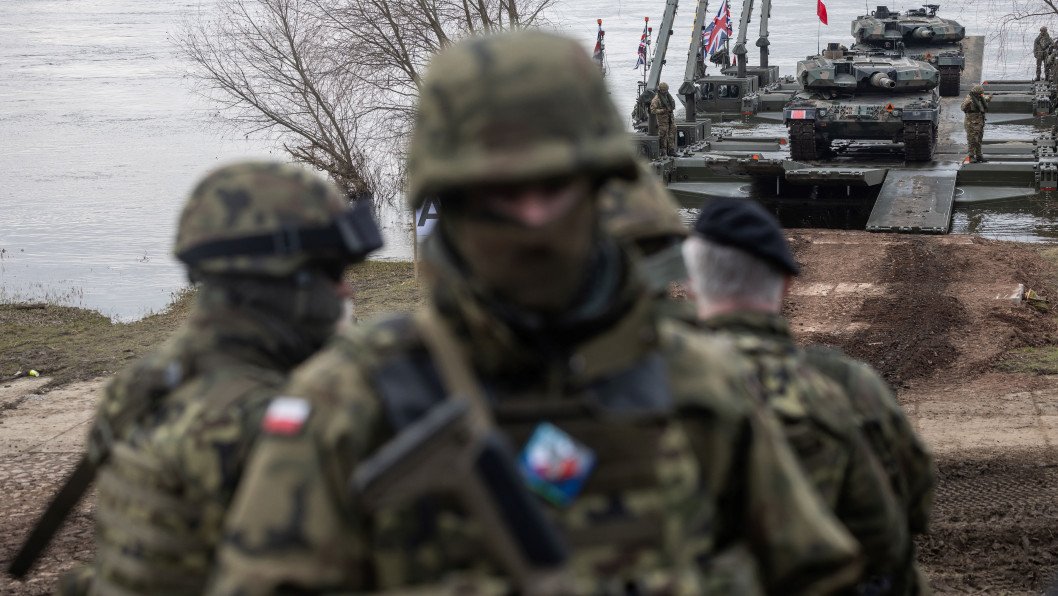
Other NATO members contributed varied tactical approaches, including distinctive European methods for operating in close urban environments,
Miller added. He framed the alliance's shift from defense toward offense directly: "We have a saying: 'How do you kill what's killing you?' Instead of just being defensive, how do you take it back to the enemy?" he explained.
The Flytrap series has already served as a proving ground for Ukraine-tested systems. US troops launched Hornet one-way strike drones at the Pabradė training area in Lithuania in early May, part of a broader push to integrate AI-enabled loitering munitions shaped by the war in Ukraine.
The Hornet, a loitering munition that destroys its target on impact, is built to keep flying toward its objective even under heavy GPS and communications jamming, and is marketed as a lower-cost alternative to traditional indirect fire.
Discuss this article:



-c439b7bd9030ecf9d5a4287dc361ba31.jpg "Photo of Katherina Popilnichenko")