- Category
- World
US Forces Launch Ukraine-Tested Hornet Strike Drones in Major NATO Exercises
 Prefer U24 Media on Google
- Authors


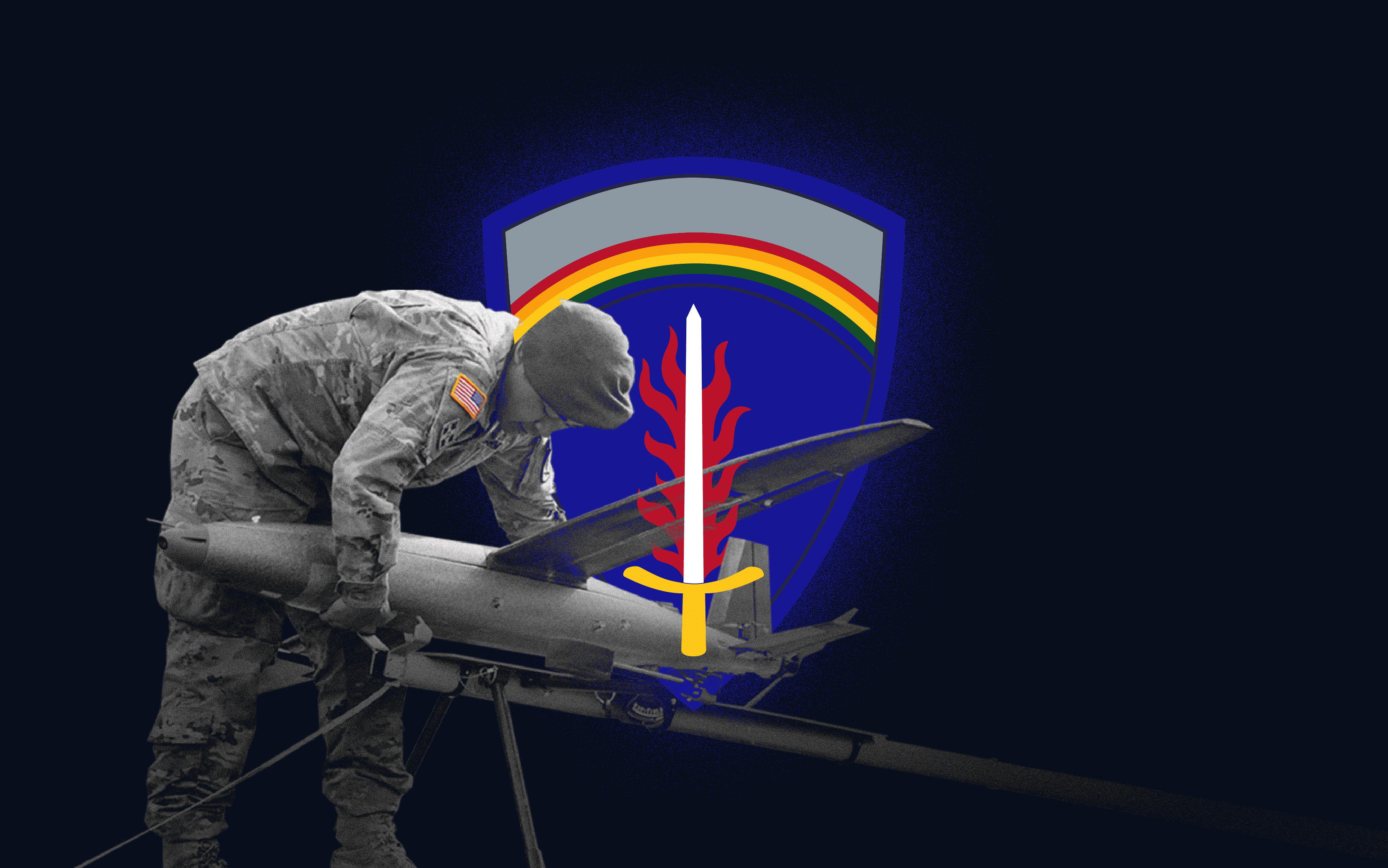
US Army troops have begun deploying Hornet one-way strike drones across multiple NATO exercises in Eastern Europe, signaling growing interest in AI-enabled loitering munitions shaped by lessons from the war in Ukraine.
According to Defence Blog, soldiers from the 2nd Squadron, 2nd Cavalry Regiment launched the Hornet drone at the Pabradė Training Area in Lithuania on May 3 as part of Project Flytrap exercises.
We bring you stories from the ground. Your support keeps our team in the field.
The same drone system also appeared during Saber Strike 26 at the Bemowo Piskie Training Area in Poland, while additional demonstrations took place earlier this year at the Grafenwoehr Training Area in Germany, according to Defence Blog.
The rapid appearance of the Hornet system across several NATO exercises and countries within the same operational window suggests the platform is moving beyond experimental evaluation and into broader operational integration among American forces stationed on NATO’s eastern flank, Defence Blog reported.
The Hornet is a one-way strike drone—a loitering munition designed to locate and destroy a target by detonating on impact. Unlike reusable UAVs, the drone itself functions as the weapon.
According to Defence Blog, the system is marketed as a lower-cost alternative to traditional indirect fire weapons while offering higher precision and reduced exposure to counter-battery fire.
The drone is intended for strikes against troop concentrations, lightly armored vehicles, fuel depots, and ammunition storage sites—targets increasingly viewed as critical in modern high-intensity warfare.
The platform is reportedly developed by Swift Beat, a company linked to former Eric Schmidt, who has become increasingly involved in military AI and defense technology projects.
One of the Hornet’s defining features is its extensive AI integration, which allows the drone to continue toward its target even in environments where GPS signals or communications links are heavily jammed.
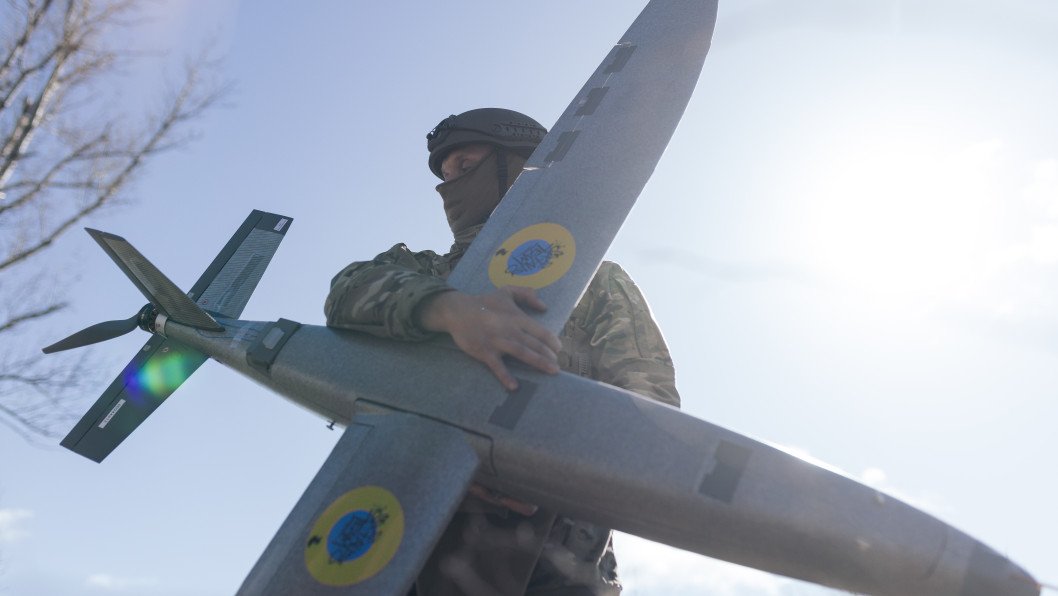
As Defence Blog notes, this capability addresses one of the main weaknesses of long-range drone warfare: maintaining control in contested electronic warfare conditions.
Although official specifications remain undisclosed, footage from Ukraine has reportedly shown Hornet-type drones successfully striking Russian logistics targets at distances exceeding 100 kilometers.
That battlefield experience appears to be a major factor behind the growing US Army interest in the platform. Systems tested under real combat conditions—particularly in Ukraine’s dense electronic warfare environment—provide military planners with operational insights that cannot be replicated on conventional testing ranges.
Defence Blog noted that the locations chosen for these deployments also carry strategic significance.

Pabradė in northeastern Lithuania lies near the Suwalki Gap, the narrow corridor connecting Poland and the Baltic states that NATO considers one of its most vulnerable regions in the event of a conflict with Russia.
Bemowo Piskie in northeastern Poland occupies the same broader strategic corridor. According to Defence Blog, deploying AI-assisted strike drones with long-range capabilities in both locations during the same exercise cycle sends a clear signal about how NATO is adapting to modern battlefield realities.
The expanding use of the Hornet across multiple exercises suggests the US Army is no longer simply testing the technology, but actively exploring how AI-enabled loitering munitions could fit into future operational doctrine on NATO’s eastern flank.
Ealrier, NATO forces launched a sweeping series of military exercises stretching from the Baltic states to the Arctic.
Discuss this article:



-c439b7bd9030ecf9d5a4287dc361ba31.jpg "Photo of Katherina Popilnichenko")