- Category
- Latest news
Pentagon Tests Ukraine-Style Drone Swarm Attack in Florida, Exposing Gaps in US Defenses
 Prefer U24 Media on Google
- Authors


The US military has simulated a large-scale Ukrainian-style drone attack during classified exercises at Eglin Air Force Base in Florida, reflecting a growing shift in Washington’s approach to countering unmanned threats.
We bring you stories from the ground. Your support keeps our team in the field.
According to Defense One on April 25, the drills—conducted under Operation Clear Horizon—were designed to replicate battlefield conditions observed during Russia’s full-scale war against Ukraine, including tactics used in Ukraine’s 2025 “Spiderweb” operation targeting Russian strategic aviation.
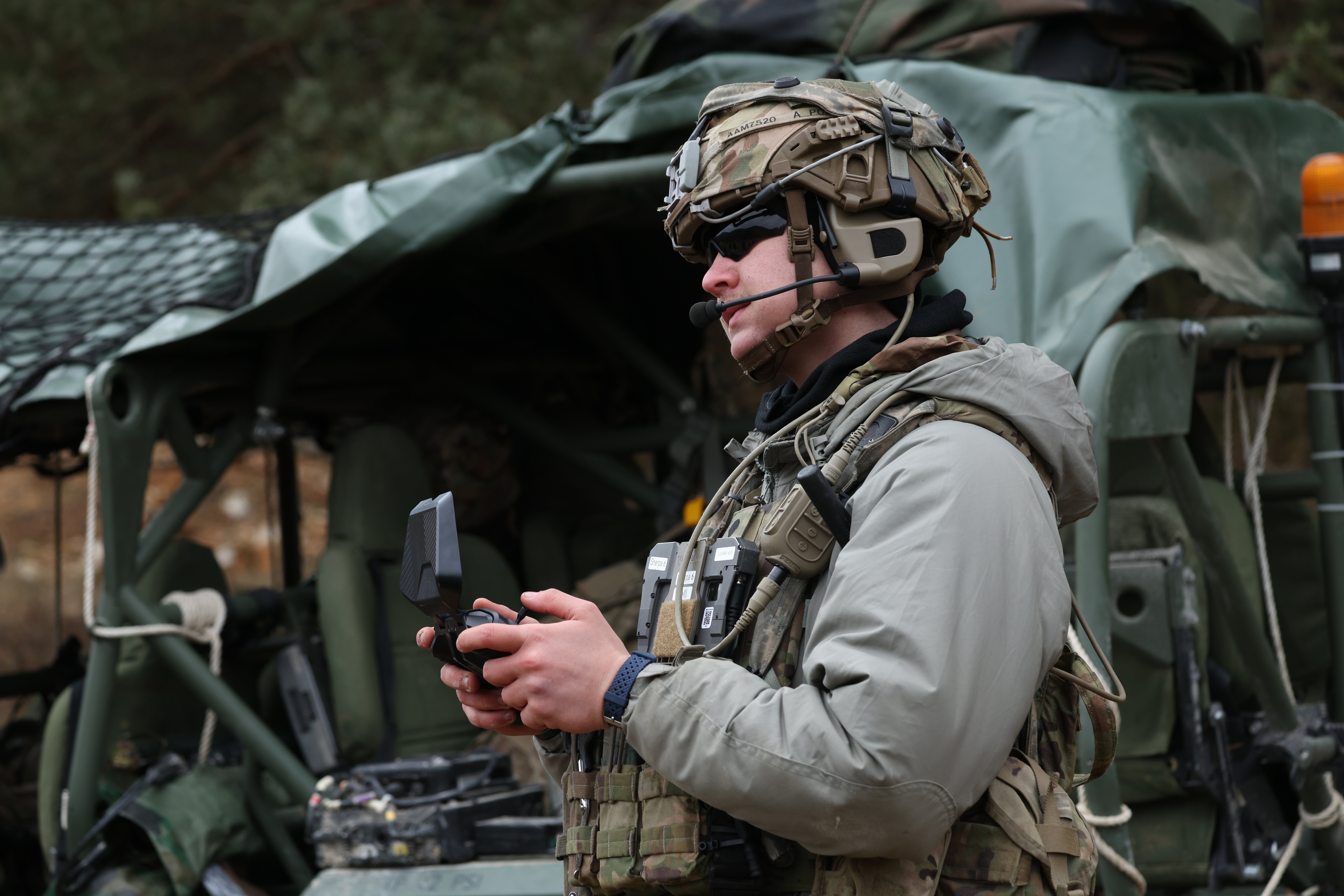
US Special Forces units carried out simulated drone strikes mirroring the Ukrainian operation, while counter-drone units from multiple branches acted as defenders. Brig. Gen. Matt Ross, who leads the Pentagon’s Joint Counter-Small Unmanned Aircraft Systems Office, said the exercise helped identify key priorities for US forces.
“We were in Ukraine about six weeks ago, engaging with the Unmanned Systems Forces… We looked at the most promising technologies and referenced their effectiveness in Ukraine, not internal department testing,” Ross stated.
According to Defense One, the exercise involved a wide range of unmanned systems, from commercial quadcopters to more advanced platforms designed to resist electronic warfare and radar detection.
US forces also tested drones equipped with frequency-hopping communications and directional antennas to maintain control in contested electromagnetic environments.
A notable element of the drills was the use of fiber-optic-controlled drones and systems operating over LTE networks. This setup enabled operators located in Colorado to control drones targeting simulated objectives in Florida—described by Ross as a first for US military exercises.
The findings highlighted several gaps in current US capabilities. According to Defense One, military officials concluded that a unified data integration system is needed to combine inputs from radars, drones, and interception tools.
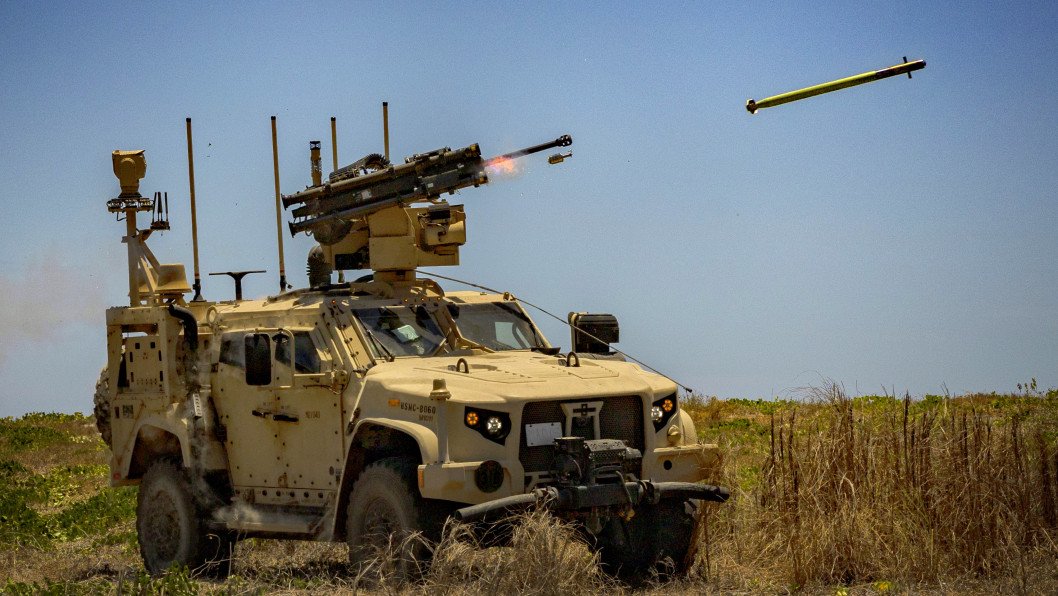
The exercise also reinforced the need for low-cost interceptor drones, as US forces continue to rely on high-value missiles costing millions of dollars to destroy inexpensive UAVs.
Ross noted that the Pentagon has allocated more than $600 million over the past six weeks to accelerate the integration of new counter-drone technologies. He also pointed to a broader challenge, stating that the pace of development in autonomous systems is outstripping traditional annual defense budgeting cycles.
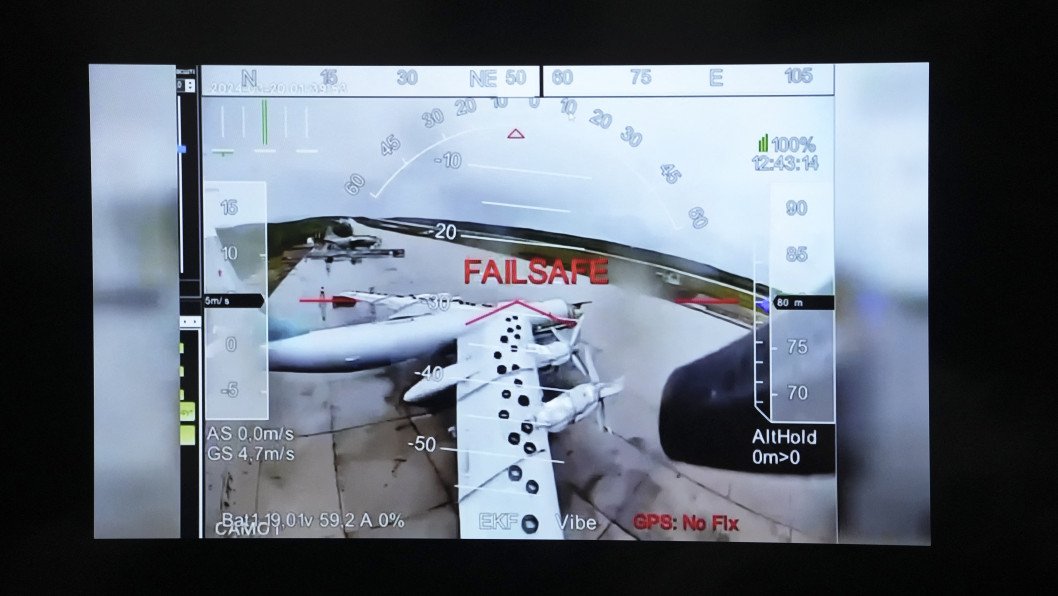
The exercise draws directly on lessons from Ukraine’s “Spiderweb” operation, conducted by the Security Service of Ukraine (SBU) in June 2025. The coordinated drone strikes targeted multiple Russian airbases deep behind the front line, damaging or destroying dozens of strategic aircraft.
Ukrainian officials later said the operation was executed simultaneously across multiple time zones and had been in preparation for over a year.
Earlier, Ukraine’s June 2025 “Spiderweb” operation was compared by British historian Damien Lewis to a “modern SAS raid.” The attack, which Ukrainian officials said destroyed dozens of aircraft across multiple air bases, echoed World War II-style special operations by striking deep behind enemy lines using unconventional tactics and precise coordination.
Discuss this article:
-9a7b3a98ed5c506e0b77a6663f5727c5.png)