- Category
- Latest news
A Tale of Two Bomber Fleets: US Modernizes B-52s, While Russia’s Bombers Cripple After Operation Spiderweb
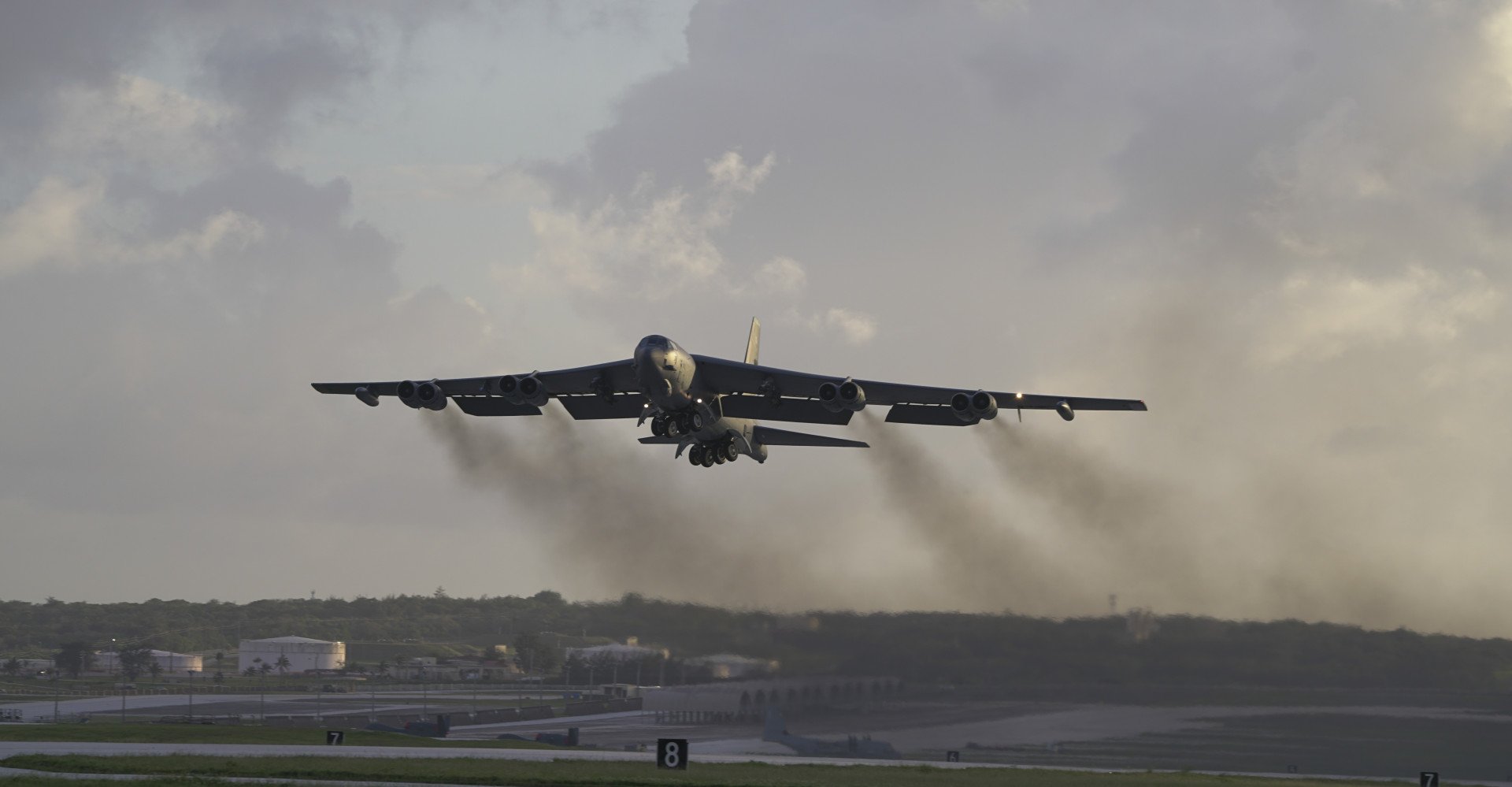
The B-52 Stratofortress, a Cold War icon once expected to retire decades ago, is being reborn for 21st-century warfare. As part of a sweeping modernization program, the US Air Force is upgrading the bomber with new engines, advanced avionics, and enhanced weapons capabilities—transforming the 70-year-old aircraft into a central pillar of America’s long-range strike forces.
 Prefer U24 Media on Google
- Authors


The US Air Force is taking a major step forward in modernizing its B-52 Stratofortress fleet, as the first unit of the new AN/APQ-188 radar heads to Edwards Air Force Base for flight testing, according to Army Recognition on September 1.
Lieutenant General Andrew J. Gebara, the Air Force’s Deputy Chief of Staff for Strategic Deterrence and Nuclear Integration, said the program is “turning the corner” after years of delays, cost overruns, and congressional reviews.

The upgrade is part of a broader effort to keep the B-52 relevant until at least 2055—meaning the Cold War–era bomber could reach a century of service in the skies.
The new radar, based on the AESA AN/APG-79 system used by the Navy’s F/A-18E/F Super Hornet and EA-18G Growler, will replace the outdated Cold War AN/APQ-166.
The upgrade promises sharper synthetic aperture imaging, ground moving target tracking, and stronger resistance to jamming, while preserving limited air-to-air capabilities.
A B-52 at RAF Fairford last year using its landing chute as normal 🪂 pic.twitter.com/13aYoLLF1y
— Saint1 (@Saint1Mil) August 30, 2025
General Gebara noted that the Air Force deliberately adapted an existing fighter jet radar to reduce costs, though not all naval features are needed for the B-52’s mission.
“Certain air-to-air functions may be excluded to prioritize essential capabilities,” he said. The plan allows for an initial “lean” operational version, with advanced features potentially added later if budgets allow.
Despite its importance, the radar program has struggled with environmental testing, software development, and parts procurement.
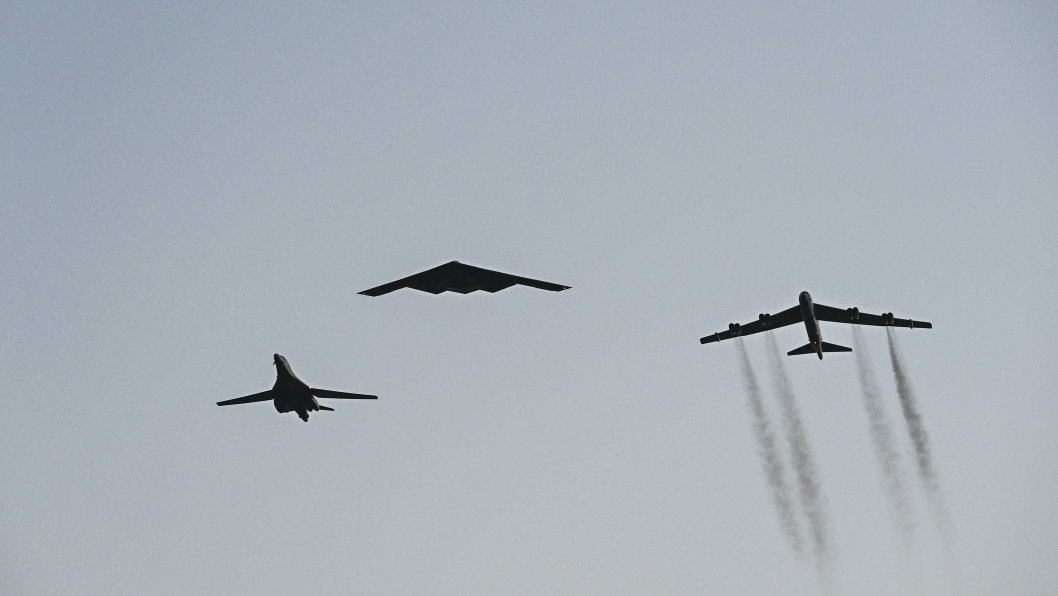
Flight tests initially scheduled for 2024 are now delayed to fiscal year 2026, with operational capability unlikely before 2028–2030.
A Government Accountability Office report and the Pentagon’s testing office both flagged major integration issues, including difficulties fitting the system into the bomber’s nose. Rising costs even triggered a Nunn-McCurdy breach this spring, requiring a full congressional review.
Beyond radar: a full B-52 makeover
The radar overhaul is just one piece of the broader B-52J modernization plan. The Commercial Engine Replacement Program (CERP) will swap out the bomber’s eight 1960s-era Pratt & Whitney TF33 engines for new Rolls-Royce F130s, built in Indianapolis.
The upgrade should deliver 30% better fuel efficiency and significantly longer range—though operational service is not expected until 2033, with the full fleet unlikely to be re-engined before 2036.
Other upgrades include:
a complete digital overhaul with modern avionics and displays;
satellite navigation and Link 16 communications;
internal rewiring and a new electronic warfare suite, including the AN/ALQ-249(V)1 jammer;
specialized pylons for future hypersonic weapons such as the Hypersonic Attack Cruise Missile (HACM), expected to be integrated by 2027.
Even without stealth, the B-52 remains a unique long-range strike “arsenal,” meant to launch standoff cruise missiles and hypersonic weapons from outside hostile air defense zones.
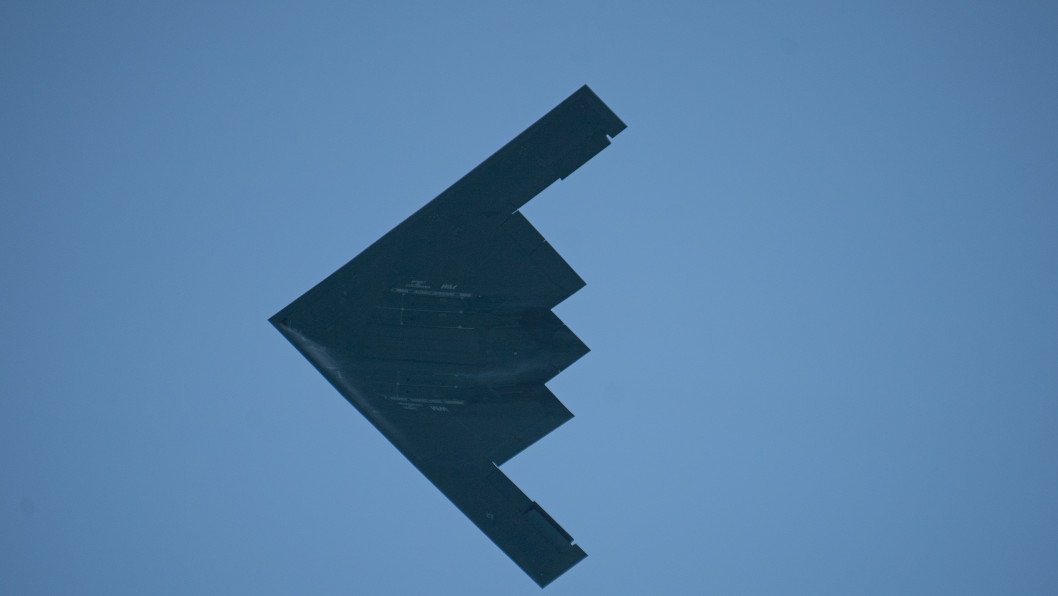
Alongside the stealthy new B-21 Raider, the bomber will continue to form the backbone of America’s nuclear deterrent.
US modernization push amid Russian struggles
The B-52 radar milestone comes as the US Navy is also investing in upgrades to its nuclear carrier fleet—part of a sweeping effort to sustain America’s global strike capabilities.
Meanwhile, Russia’s own long-range bomber force is showing signs of strain after Ukraine’s June 1 “Spiderweb” operation, which targeted Russian airbases deep inside the country.
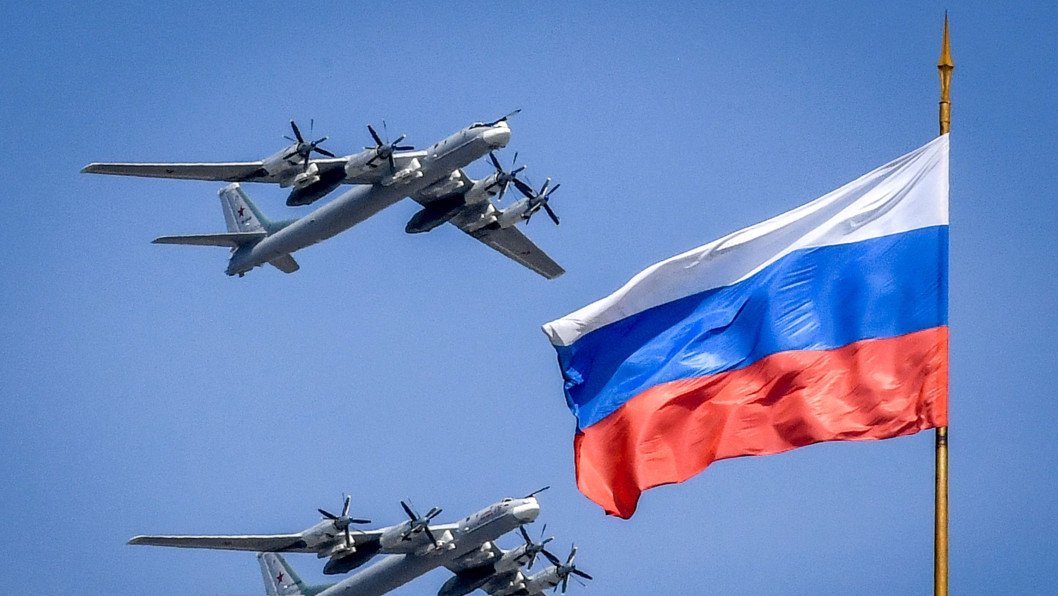
Ukraine’s Security Service (SBU) claimed 40 long-range aircraft were damaged—roughly a third of Russia’s strategic fleet. Independent Western estimates are more cautious, with the International Institute for Strategic Studies (IISS) confirming 14 bombers hit and another seven possibly affected.
Even so, the damage is significant. Ukraine’s Air Force has tracked multiple Tu-95MS bomber launches since June, but most originate from bases in Russia’s Far North, suggesting Moscow’s options are increasingly limited.
Analysts caution against prematurely declaring Russia’s bomber arm “finished,” noting the Kremlin still retains strike capacity.
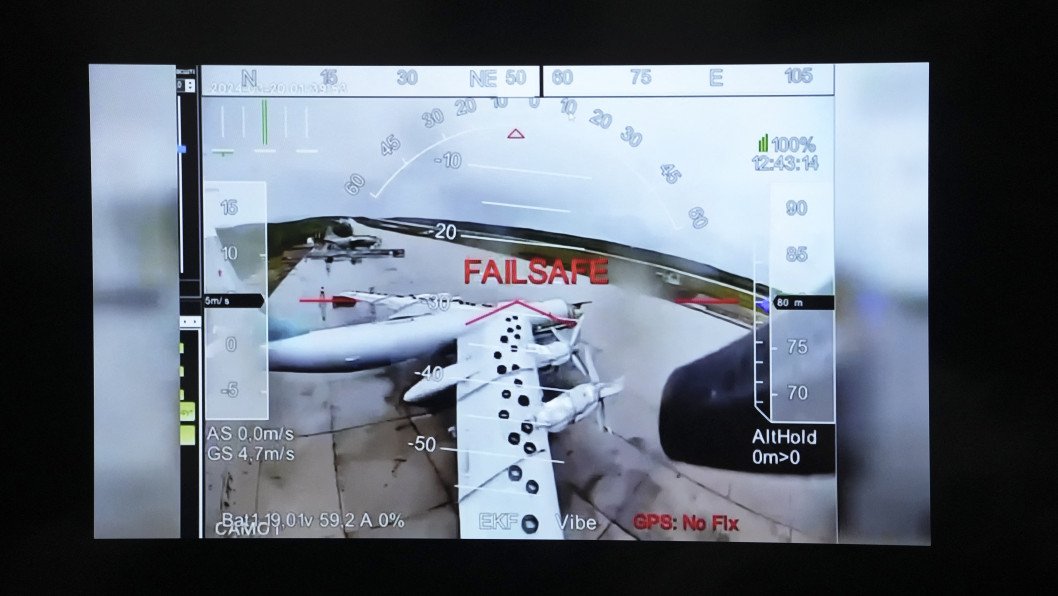
But with mounting aircraft losses, dwindling maintenance resources, and Ukraine’s long-range drone and missile strikes showing no sign of slowing, Moscow’s strategic aviation faces mounting pressure just as Washington doubles down on modernizing its own nuclear-capable platforms.
Earlier, Russia had begun constructing protective infrastructure at several of its airbases following Ukraine’s June 1 drone strikes, known as Operation Spiderweb, which targeted long-range aviation assets across four Russian regions.
Discuss this article:



-111f0e5095e02c02446ffed57bfb0ab1.jpeg "Photo of Roman Kohanets")

-72b63a4e0c8c475ad81fe3eed3f63729.jpeg "Photo of Cyril Barabaltchouk")