- Category
- Latest news
What Ukrainian Operation Spiderweb Taught the Pentagon About Drone Defense—and Why It Matters
 Prefer U24 Media on Google
- Authors


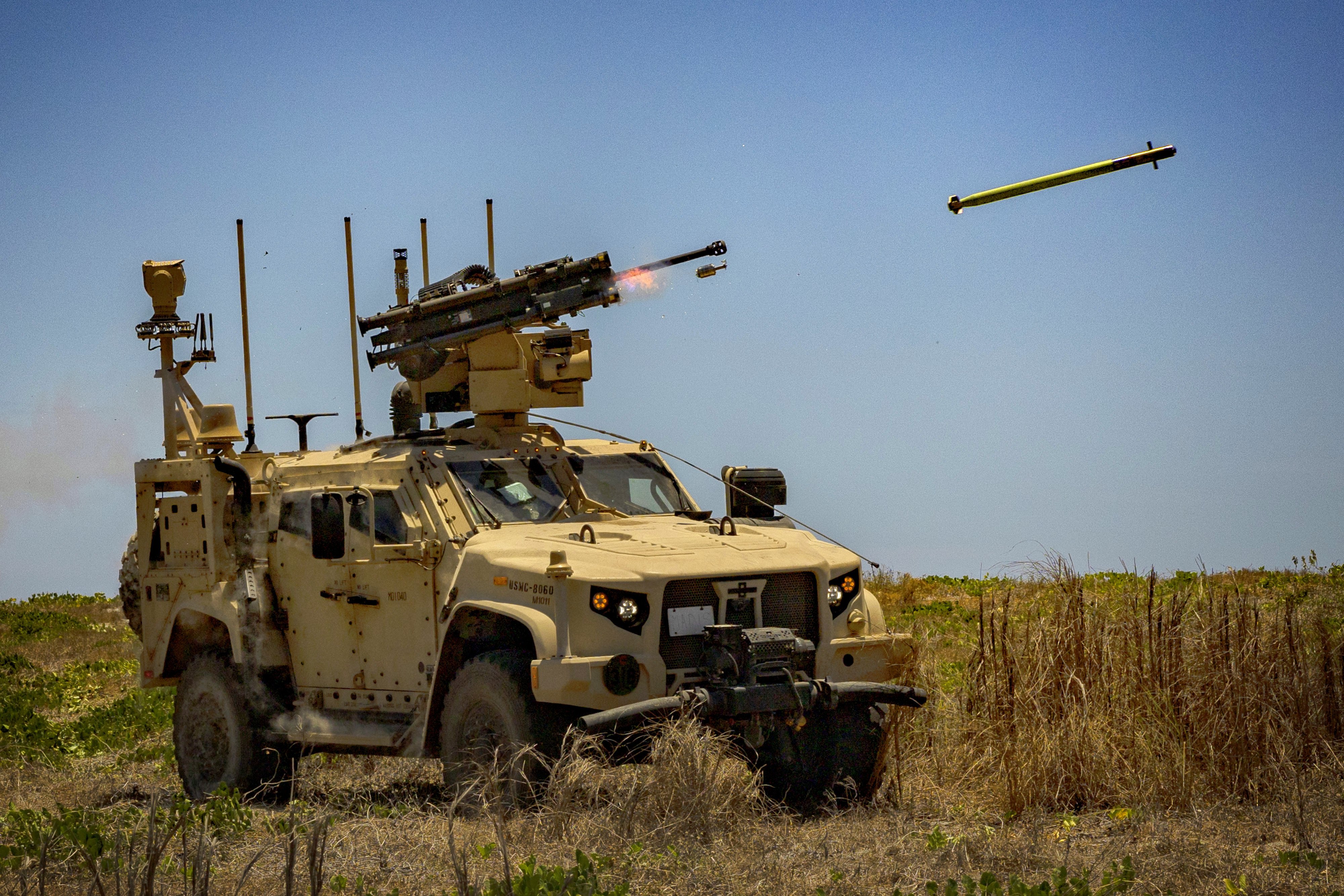
Recent drone incidents near US military facilities—combined with Ukraine’s battlefield experience—have prompted Washington to take a closer look at how well its own defense infrastructure is protected against unmanned aerial threats.
The problem, however, appears to lie less in technology and more in bureaucratic fragmentation, according to Ukrainian defense outlet Defense Express, which analyzed the issue on January 28.
We bring you stories from the ground. Your support keeps our team in the field.
As Defense Express notes, the appearance of unidentified drones over US defense sites, along with Ukraine’s successful long-range drone operation “Spiderweb” against Russian military aviation, has pushed American defense planners to reassess assumptions about domestic base security.
The Ukrainian operation demonstrated how relatively low-cost unmanned systems can exploit organizational and procedural gaps rather than brute-force defenses.
According to Defense Express, this reassessment was reinforced by a recent report from the US Department of Defense Inspector General, which warned of “significant vulnerabilities” in protection against unmanned aircraft systems.
🇺🇸 A Chinese satellite image shows Patriot air defense systems deployed at the US airbase in Qatar.
— Cyrus Intel (@Cyrus_Intel75) January 28, 2026
The US is positioning itself to be ready to strike Iran and absorb the response at any time. pic.twitter.com/p8OqNrjvyf
The document—cited by Defense News and titled “Management Advisory: Immediate Attention Required to Protect DoD Covered Assets Against Unmanned Aircraft Systems (UAS)”—points to what it describes as bureaucratic confusion rather than a lack of sensors or counter-drone weapons.
One of the most striking issues highlighted by Defense Express involves how US law defines which facilities are entitled to counter-drone protection.
Under current interpretations of the United States Code, certain military sites—including training bases—are not explicitly listed as assets that must be defended against drones. As a result, installations such as Luke Air Force Base in Arizona, where fifth-generation F-35 pilots are trained, are not formally designated as sites authorized to employ counter-UAS measures.
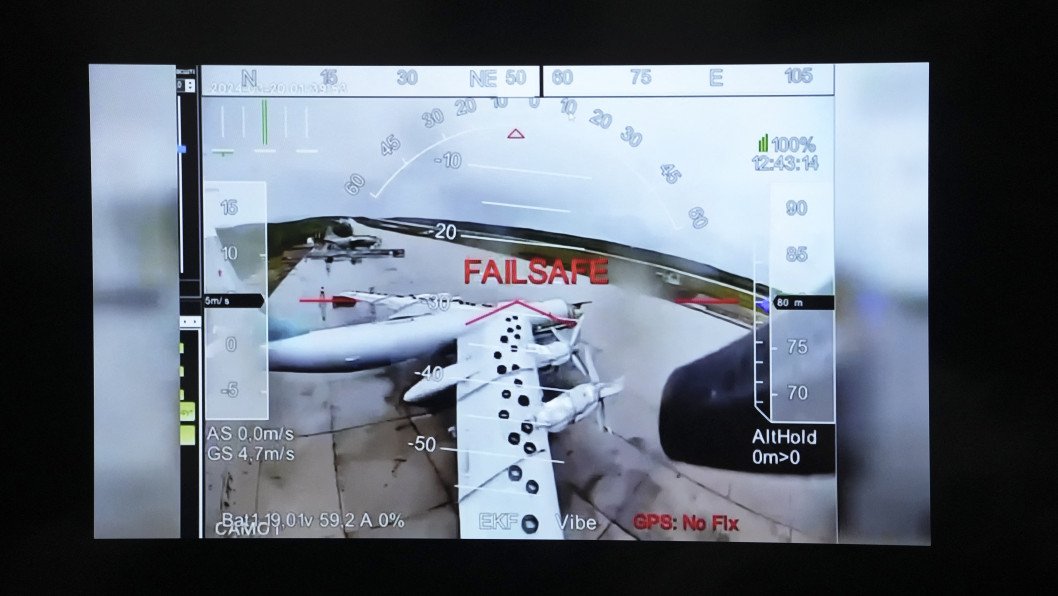
Defense Express emphasizes that this creates a legal gray zone: if drones were to appear over such a base, personnel might lack the authority to deploy countermeasures—even if those systems were available—because the facility itself is not classified as a protected site under existing rules.
The outlet also points to a case involving US Air Force Plant 42 in Palmdale, California. Two years ago, the facility was repeatedly overflown by unidentified drones. While the plant is formally listed as a site requiring protection, conflicting statements emerged afterward.
The US Air Force suggested the facility was not actually covered, while Pentagon officials were reportedly unable to clarify its status—underscoring the institutional confusion Defense Express says remains unresolved.
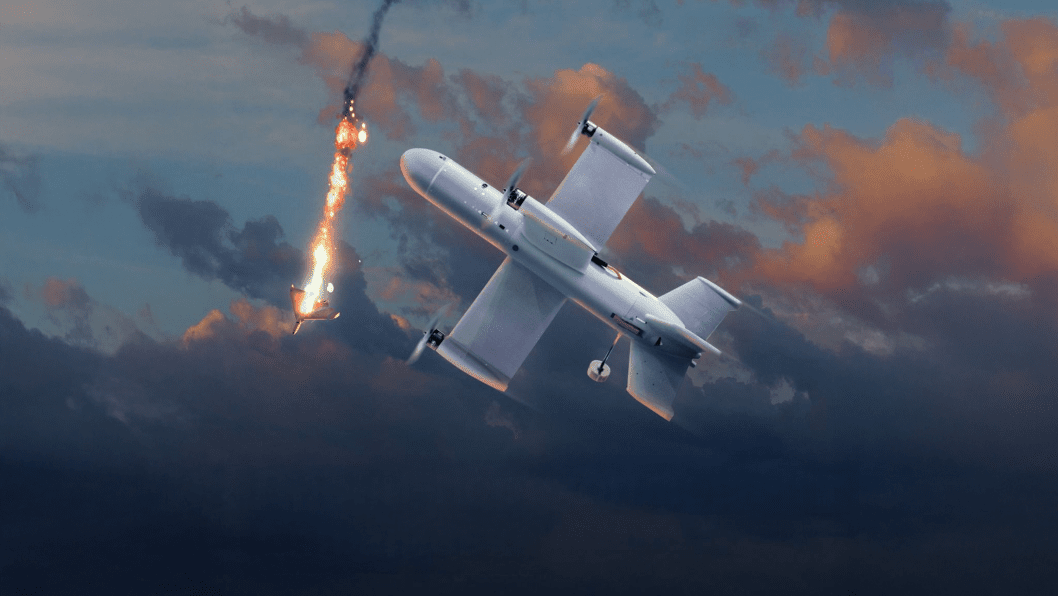
Beyond legal definitions, Defense Express highlights a broader coordination problem. Counter-drone exercises conducted in the US revealed the absence of a unified structure capable of synchronizing responses among federal, state, local, tribal, and territorial authorities during a drone incident.
Those exercises produced a sobering metric: once a drone appears over a sensitive site, authorities have just 67 seconds to communicate, determine whether the aircraft is friendly or hostile, and decide how to respond. Defense Express argues that Ukraine’s experience shows how quickly such windows close in real combat conditions—and how costly hesitation can be.
Ukrainian Operation Spiderweb is an 18-month covert drone campaign that smuggled armed quadcopters into Russia inside prefabricated cabins and culminated in a June 1 strike on multiple strategic bomber airfields that damaged dozens of aircraft.
Earlier, Russia tried launching its own Operation Spiderweb in Odesa, using two agents linked to Russia’s military intelligence service, known as the GRU, detained just days before a planned strike armed with one drone, 2kg of explosives, and small arms.
Discuss this article: