- Category
- Latest news
UK Historian Hails Ukraine’s Operation Spiderweb as a “Modern SAS Raid”
 Prefer U24 Media on Google
- Authors

-72b63a4e0c8c475ad81fe3eed3f63729.jpeg "Photo of Cyril Barabaltchouk")
Operation Spiderweb—Ukraine’s bold June 2025 drone strike deep inside Russia—has drawn striking comparisons to the sabotage missions carried out by Britain’s SAS during the Second World War, according to British military historian Damien Lewis, speaking to BFBS Forces News on November 6.
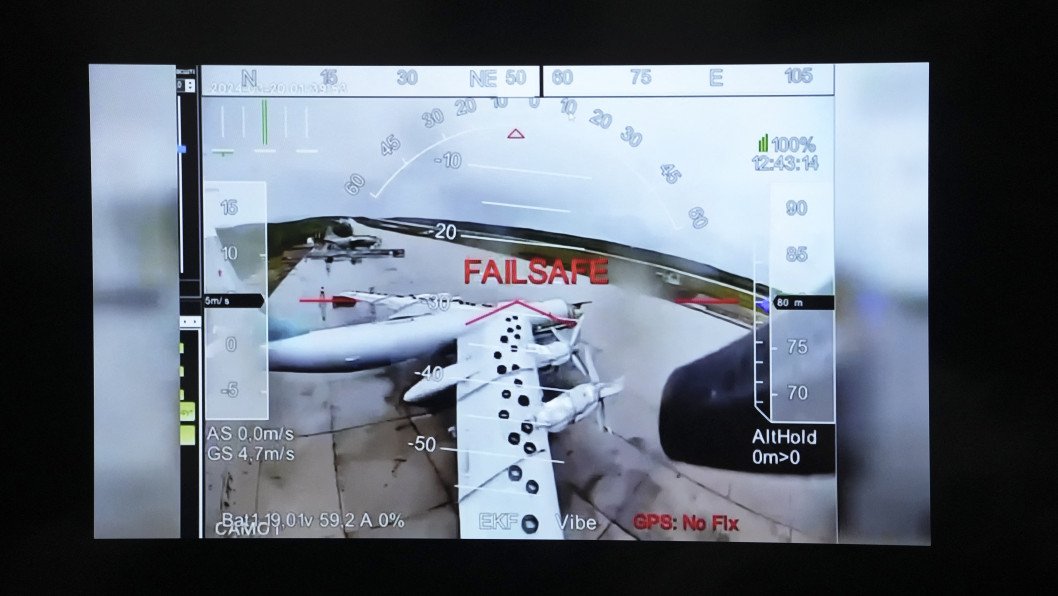
Lewis said the Ukrainian operation, which destroyed 41 Russian aircraft across multiple air bases, echoed the tactics of early SAS raids. “When I saw that breaking news of Spiderweb, it struck me immediately. Oh my God, this is like Paddy Mayne and his raiders in a North African desert translated to the modern day,” he said.
Spiderweb, which Kyiv’s security services say took 18 months to plan, saw 117 drones launched from trucks inside Russia, inflicting an estimated £5 billion in damage to Moscow’s air force. Lewis called it “a carbon copy” of how the SAS once infiltrated enemy territory to destroy aircraft using lightweight explosives—only now, the explosives were carried by drones instead of soldiers.
The historian compared Spiderweb to Operation Loco, a 1943 SAS mission to liberate prisoners from a concentration camp in Italy by hijacking a train—both operations, he noted, relied on audacity and precise navigation behind enemy lines. Ukrainian drones used a “dead reckoning” guidance method similar to that once used by SAS raiders to navigate deserts undetected, BFBS Forces News wrote.
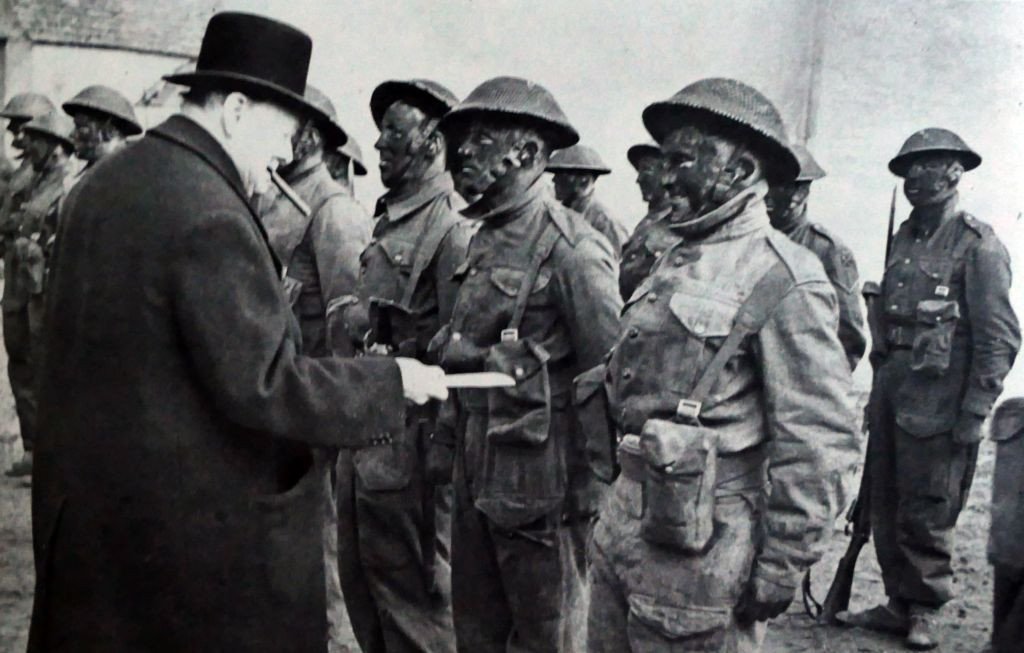
Winston Churchill famously encouraged the SAS to make the enemy feel unsafe even far behind the front lines—to strike unexpectedly and vanish before they could react. He called surprise “the golden elixir of guerrilla warfare,” insisting that no German soldier should ever sleep peacefully.
That same philosophy, Lewis said, is visible in Ukraine’s Operation Spiderweb. By targeting senior Russian commanders and high-value assets deep inside enemy territory, Ukraine has recreated Churchill’s strategy of psychological warfare.
-04df4aadbcb4826e9e7fd30da33613f4.jpg)
“If the generals aren’t even safe, what about us?” he quoted, adding that the strikes shattered morale and spread paranoia across Russia—where, after Spiderweb, “every truck became a potential threat.”
“We have to take our hats off to the Ukrainians… for the innovative way in which they have fought their defence of their country,” Mr Lewis said. “They have been remarkable and they’ve taken that SAS spirit of think the unthinkable and then do the unthinkable and made it a reality.”
Previously, it was reported that Russia’s FSB head, Alexander Bortnikov, accused British intelligence services of backing Ukraine’s SBU operation “Spiderweb,” which targeted Russian military aircraft at several airfields in June.
Bortnikov claimed the UK facilitated the attack and spread misleading narratives about the damage and its origins. He also alleged that British intelligence, in collaboration with Ukraine, was planning attacks on critical infrastructure, including using combat divers.
Bortnikov provided no evidence to support his claims about Britain’s role in organizing sabotage in Russia.
Discuss this article:

-c439b7bd9030ecf9d5a4287dc361ba31.jpg "Photo of Katherina Popilnichenko")