- Category
- World
Von der Leyen Says Russia Must Stop Strikes on Ukrainian Energy System to Prove It Wants Peace
 Prefer U24 Media on Google
- Authors


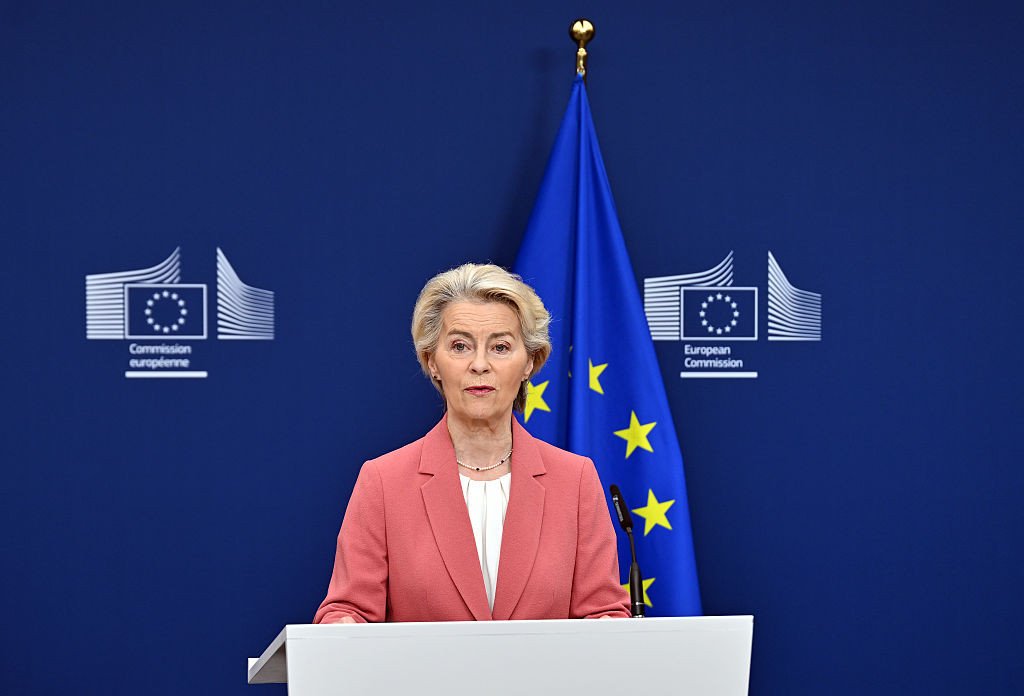
European Commission President Ursula von der Leyen stated that a winter ceasefire on Ukraine’s energy infrastructure and a Black Sea truce would demonstrate whether the Russian leader Vladimir Putin is serious about peace negotiations, Politico reported on November 25.
Speaking to European lawmakers in Strasbourg, von der Leyen called on Russia to halt attacks on Ukraine’s energy infrastructure and guarantee safe passage for Ukrainian food exports through the Black Sea. The proposals were discussed during last week’s Coalition of the Willing meeting, according to Politico.
We bring you stories from the ground. Your support keeps our team in the field.
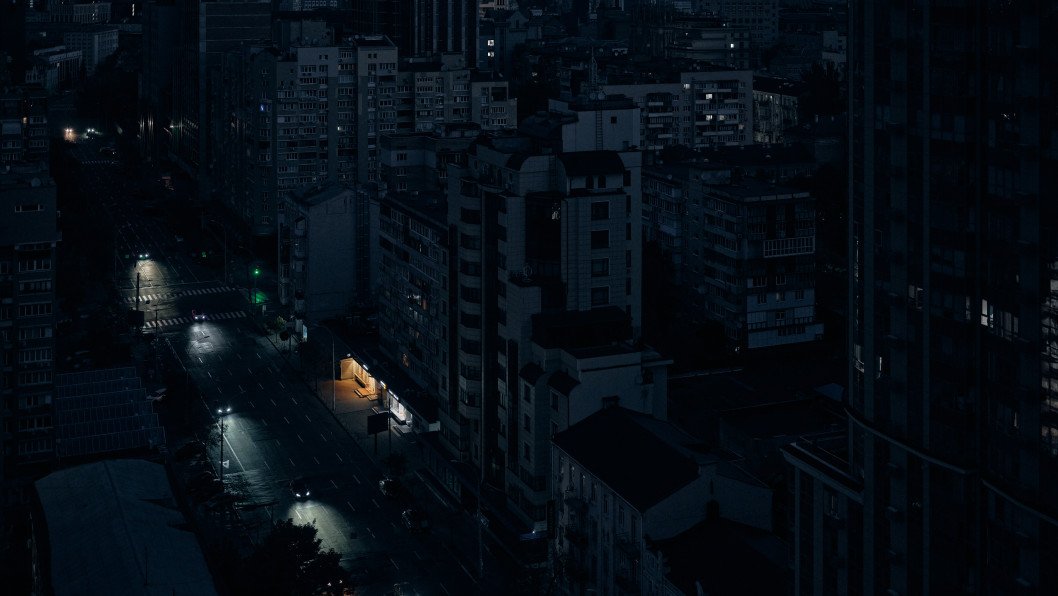
Russia has intensified attacks on Ukraine’s power system ahead of winter, repeatedly targeting generation facilities, substations, and transmission networks. In early November, hundreds of thousands of Ukrainians were left without electricity as strikes hit energy infrastructure across the country. A recent UNITED24 Media feature reported that Russia was striking Ukraine’s grid almost every night, putting power, heat, and running water at risk.
“Russia should agree to a winter ceasefire on energy infrastructure, and a truce to ensure the safe passage of food exports through the Black Sea,” von der Leyen stated.
She argued that Russian compliance with both measures “would show that Russia is serious about negotiations,” as preparations continue for another round of Ukraine-Russia peace talks mediated by US President Donald Trump.
Von der Leyen also emphasized that Europe intends to take part directly in the negotiations. Politico reported that she described the European approach as combining continued support for Ukraine with increased pressure on Moscow.
“First, maximum support for Ukraine, combined with maximum pressure on Russia. And second, full European engagement in negotiations for lasting peace,” she stated.
The European Commission proposed its 22nd sanctions package against Russia on November 23. The measures include restrictions on additional Russian banks, energy services, members and former members of Russia’s armed forces, and Europeans serving on the governing bodies of Russian companies.
Von der Leyen argued that sanctions are weakening Russia’s ability to sustain its war and pointed to a worsening outlook for the Russian economy. She also emphasized that European financial support for Ukraine forms part of efforts to strengthen Kyiv’s position in negotiations.
“A strong European team will participate in the next round of talks,” von der Leyen stated. “We will judge progress based on Russia’s actions, not simply on its words.”
European leaders had already called on Russia to accept a winter energy ceasefire and protect Black Sea navigation following the November 19 Coalition of the Willing meeting in Berlin. The leaders also backed legally binding security guarantees and continued military support for Ukraine after any ceasefire.
Discuss this article: