- Category
- World
White House Monitors Suspected Plague Outbreak in Russia After Fatal Lab Breach
 Prefer U24 Media on Google
- Authors

-111f0e5095e02c02446ffed57bfb0ab1.jpeg "Photo of Roman Kohanets")
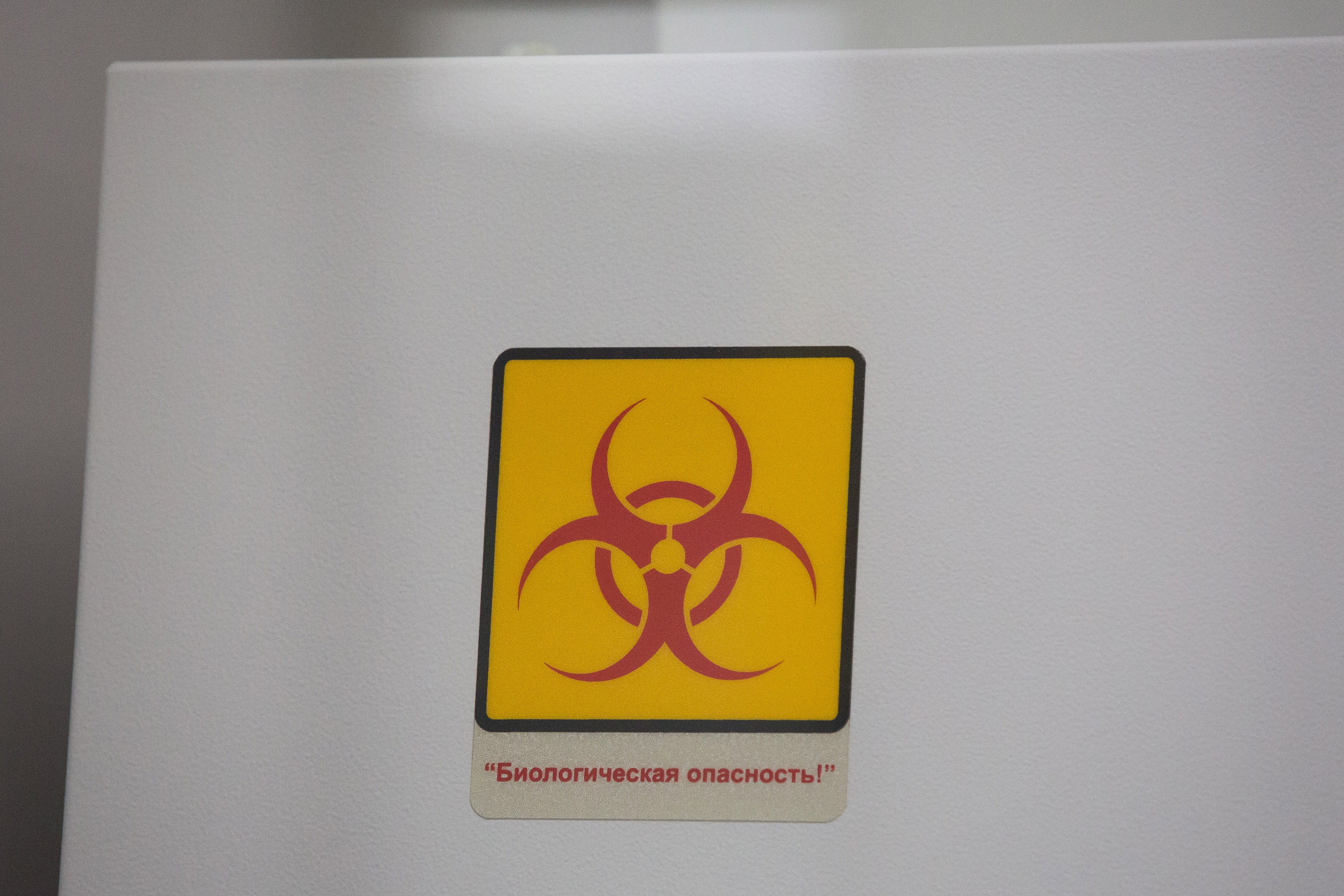
The White House is monitoring reports of a suspected plague case and related quarantines in Russia, Axios reported on October 4, citing a Trump administration official.
Axios reported that Russian health authorities introduced precautionary measures after the death of a woman who worked at an anti-plague research facility in Russia’s Irkutsk region. Authorities have not confirmed that she contracted plague.
We bring you stories from the ground. Your support keeps our team in the field.
The Trump administration "is aware, monitoring the outbreak, and assessing options," the official told Axios. White House spokespeople referred Axios to the State Department, which did not respond to the outlet’s request for comment.
The outlet identified the woman as 28-year-old Daria Shipilova, an employee of an anti-plague research institute in the Irkutsk region. According to local reports cited by Axios, Shipilova broke a test tube containing the pneumonic plague pathogen on September 25.
Shipilova was hospitalized on September 29 with severe pneumonia symptoms and died overnight between October 1 and 2, Axios reported. Authorities subsequently quarantined several medical facilities and placed nearly 200 people who had contact with her under medical observation.
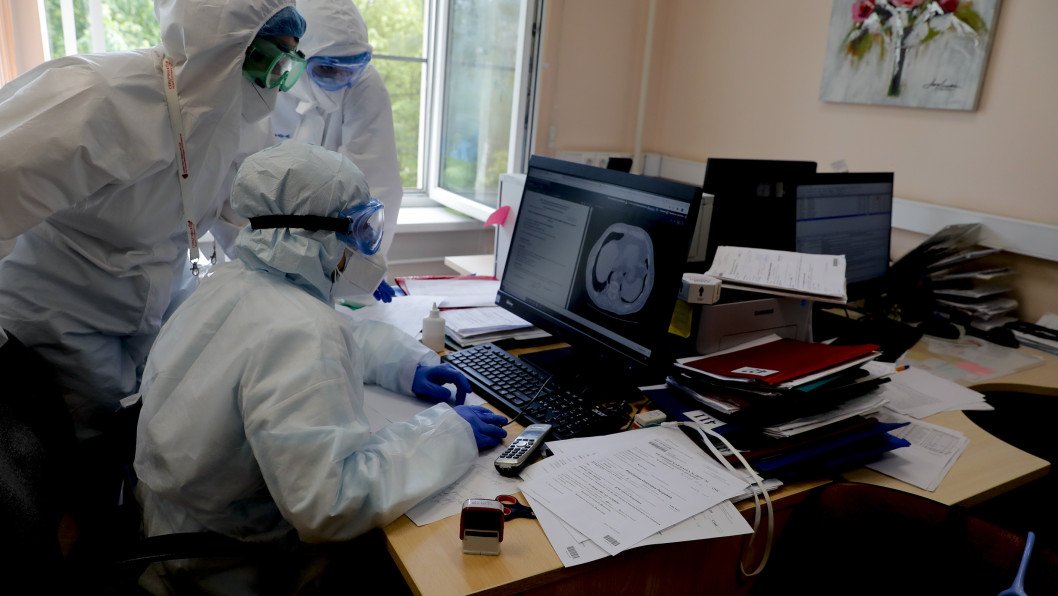
Irkutsk Governor Igor Kobzev reported that those being monitored showed no signs of illness and tested negative. Russian media reports cited by Axios suggested Shipilova may have contracted pneumonic plague, but health authorities have not confirmed the diagnosis.
Russia’s public health agency described Shipilova’s illness as "pneumonia of unknown etiology," according to Axios. The agency reported that further testing detected no microorganisms associated with her work and maintained that the epidemiological situation in the region remained stable.
The White House scrutiny follows emergency measures that emerged in the Irkutsk region after Shipilova’s death. Russian authorities referred publicly only to a suspected "particularly dangerous infection," while 189 people were isolated, public events were canceled, and Russia’s chief sanitary official traveled from Moscow to oversee the response.
Discuss this article:


-c439b7bd9030ecf9d5a4287dc361ba31.jpg "Photo of Katherina Popilnichenko")



-72b63a4e0c8c475ad81fe3eed3f63729.jpeg "Photo of Cyril Barabaltchouk")