- Category
- Anti-Fake
Russian State Television Fed Putin a Version of Reality Cut Off From Truth, Ex-Propagandist Reveals
 Prefer U24 Media on Google
- Authors

-111f0e5095e02c02446ffed57bfb0ab1.jpeg "Photo of Roman Kohanets")
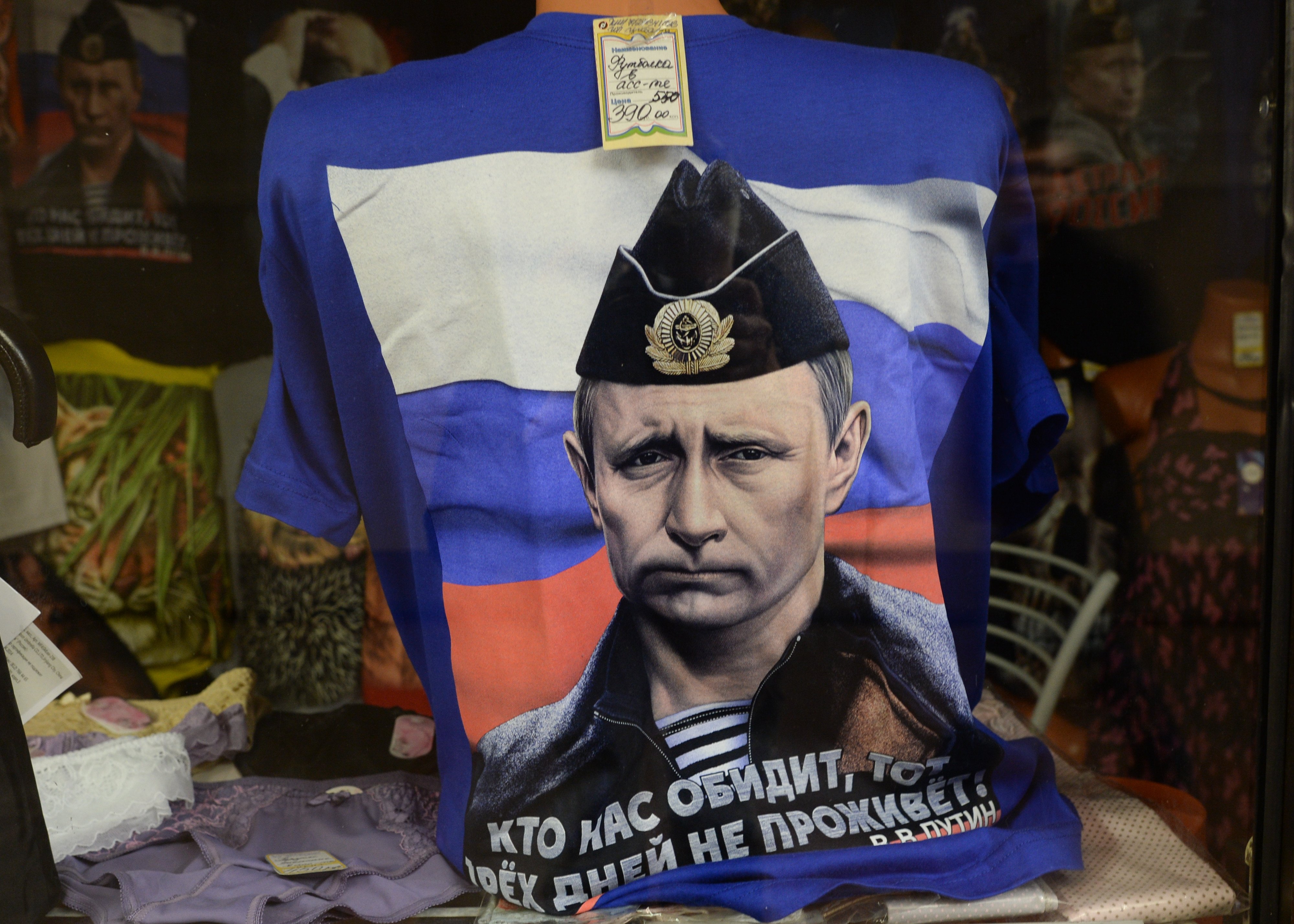
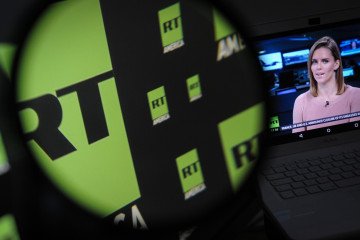
Russian state television has produced separate, off-air news broadcasts for Russian leader Vladimir Putin since 2011, tailoring an idealized picture of the country for him alone.
Dmitry Skorobutov, a former chief editor of the "Vesti" news program on Rossiya 1, described the arrangement in an interview on YouTube, which The Moscow Times reported on June 14.
We bring you stories from the ground. Your support keeps our team in the field.
The result, by Skorobutov's account, is a leader cut off from an objective picture of his own country and, above all, of the war against Ukraine. Putin, he indicated, now governs from a reality assembled for him rather than the one Russians actually face.
During Skorobutov's time at the channel, the project was known as "The Main Viewer." After the regular 8 p.m. edition of "Vesti" aired, the crew would stay behind to assemble a second version meant only for the president.
They worked from instructions on what to keep, what to add, where to embellish, and what to remove, he explained. The aim was to present Putin with a flawless image of a prosperous Russia and of himself as a benevolent president.
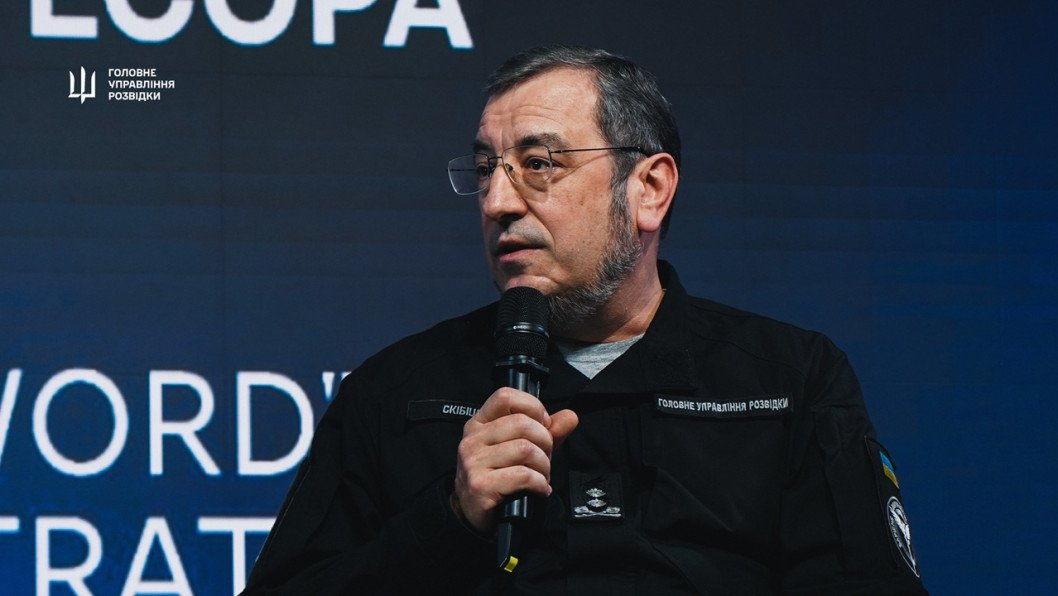
The shift, as relayed by The Moscow Times, followed the mass "For Fair Elections" protests in Moscow in 2011 and 2012, among the largest in modern Russian history. Putin's inner circle was rattled by the Bolotnaya Square demonstrations, Skorobutov recounted, and moved to seal the president off from unfiltered information.
"They tried to start isolating him precisely from real events, from the information environment, not to mention contacts with the outside world," he added.
By the account published in The Moscow Times, Putin now receives even less truthful information, particularly about the war in Ukraine. Front-line reporting prepared for the president began to be censored after April 2022, when Ukrainian forces sank the Moskva, the flagship cruiser of Russia's Black Sea Fleet.
"What I see now is just a nightmare," Skorobutov stated. "He knows little about real events and very little about what is happening in the war."
Skorobutov began his television career in 2000 before moving to the state broadcaster VGTRK. He became chief editor of "Vesti" in 2006 at the age of 26. Once a committed Putin supporter who believed an information war was being waged against Russia, he later reversed those views.
-13cc5c0df689640f05cd412243cd07cc.jpg)
After his dismissal in 2017, he began speaking publicly about censorship on state television, took legal action against his former employer, and was granted political asylum in Switzerland in 2020.
That picture of a leader sealed inside a curated reality aligns with a wider reading of the Kremlin's trajectory. Bill Browder, a financier who has tracked the Russian leader for two decades, has argued that Putin is now isolated and fearful of losing his grip on the narrative, spending long stretches in bunkers.
He contends the long-reliable strategy of using foreign wars to distract from domestic failure is faltering as the invasion's costs reach ordinary Russians.
At the same time, the audience for the very channels that produce such messaging is shrinking. Russia's three main state broadcasters—Rossiya 1, NTV, and Channel One—shed roughly 14% of their viewers on average over the past four months, with NTV losing the most. The political talk shows of the state's best-known television host, Vladimir Solovyov, have slid from the top twenty to below the seventieth slot in the ratings, while state television's overall audience has fallen by some 25 to 26 million people since 2017.
Discuss this article:
-4a56a6b482ec132402c16ef6fcabf9a2.png)

-206008aed5f329e86c52788e3e423f23.jpg "Photo of Oleksandr Moiseienko")
-72b63a4e0c8c475ad81fe3eed3f63729.jpeg "Photo of Cyril Barabaltchouk")