- Category
- Latest news
Kremlin Says “Hostile” Social Media Limits Its Ability to Spread Narratives Abroad
 Prefer U24 Media on Google
- Authors


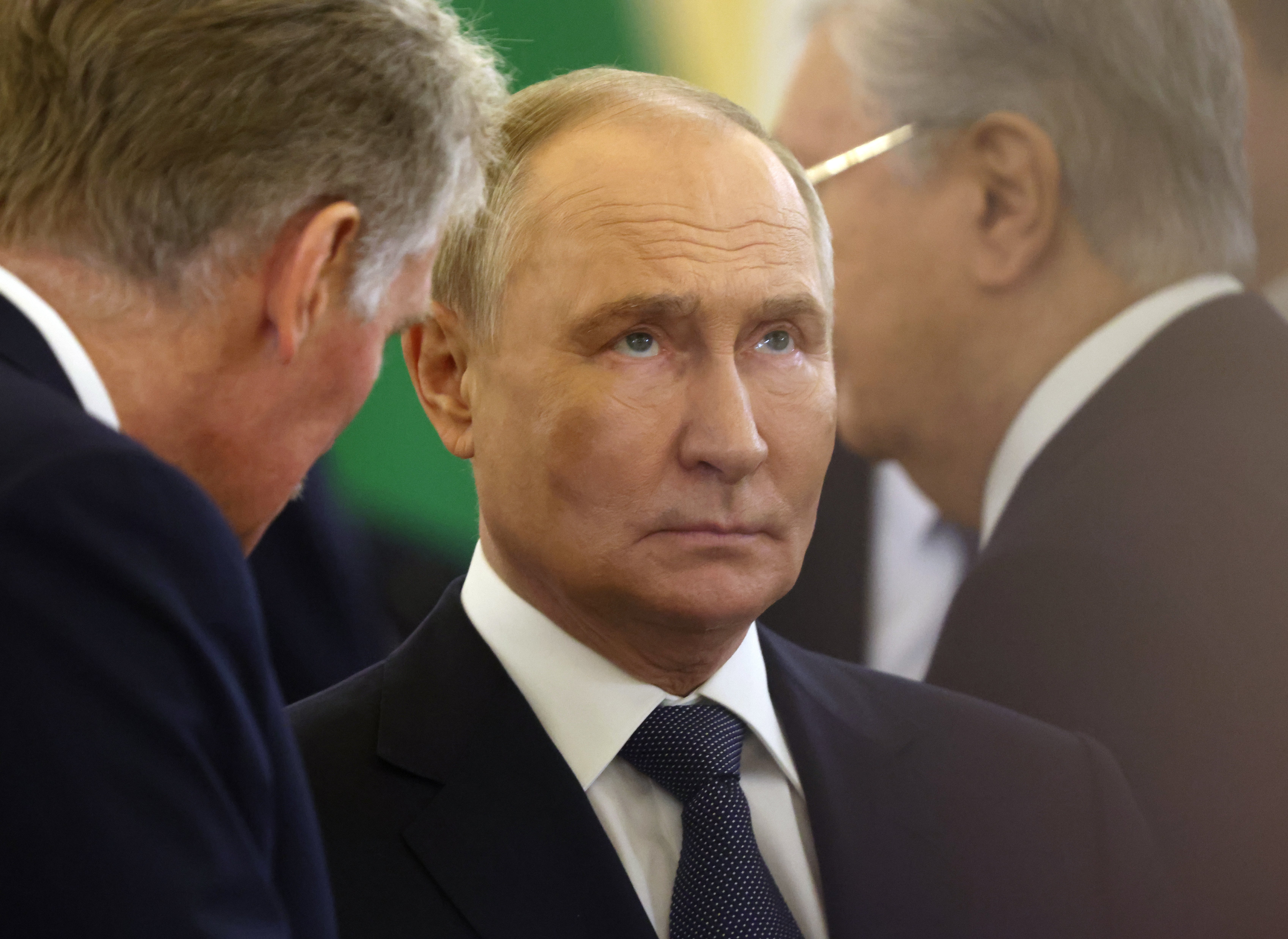
Russia is rapidly losing the tools it previously used to distribute state messaging abroad, Kremlin spokesperson Dmitry Peskov said, citing the dominance of foreign social media platforms and messaging apps in neighboring countries.
We bring you stories from the ground. Your support keeps our team in the field.
Peskov made the remarks during the conference “Modern Media: Technologies, Meanings, Personnel” held at Russia’s Higher School of Economics on March 11.
“We are now rapidly losing the tools for our propaganda work abroad. Especially in the near abroad,” Peskov said. “Television broadcasting is a relative thing these days—it can be switched off with a click of a button.”
Peskov said the Kremlin faces increasing difficulty distributing its narratives because widely used communication platforms are controlled by companies outside Russia.
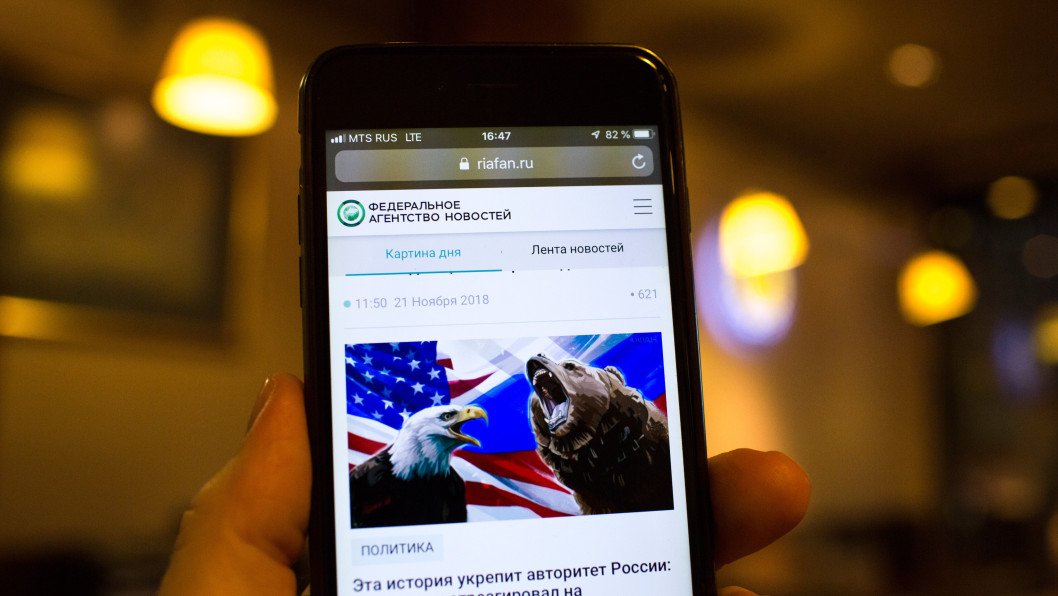
“We are dealing with hostile social networks that are at the peak of competitiveness in the CIS space and across the world,” Peskov said. “We do not work in these environments, and we need to figure out how we will do it further. We do not work with Telegram. And where should we deliver meanings then? This is something we will have to figure out.”
Russian authorities have simultaneously taken steps that further limit the platforms they say they cannot operate on. Russia’s communications regulator Roskomnadzor has gradually restricted the operation of several foreign messaging services.
The restrictions began with blocking voice calls through messaging applications and later expanded to slowing down their overall performance.
The Kremlin is attempting to replace these platforms with a domestic alternative. Peskov said the government-backed messaging application Max, developed by the Russian technology company VK, should expand its user base so authorities can “introduce their position” to audiences in neighboring countries.
Russia’s push to create a national messaging platform accelerated in June 2025, when Vladimir Putin signed legislation establishing the framework for a state-backed communication service.
Authorities have since promoted Max using administrative mechanisms, including transferring school and residential chat groups, government communications, and state-company correspondence to the platform. The service is also being integrated with Russia’s government services portal.
-8ffaf6d25d407f2887667c2a01f657a7.jpg)
At the same time, the Russian government has expanded restrictions on foreign platforms. WhatsApp has already been blocked in Russia, while Telegram has faced growing technical limitations.
Since the start of Russia’s full-scale invasion of Ukraine, Russian authorities have blocked or restricted access to many major online platforms, including YouTube, Instagram, Facebook, X, Discord, and LinkedIn.
According to NOS on March 9, Dutch intelligence agencies warned that Russian state-linked hackers targeted the Signal and WhatsApp accounts of Dutch officials, military personnel, and journalists in a campaign aimed at gaining access to sensitive communications.
Discuss this article:
-4a56a6b482ec132402c16ef6fcabf9a2.png)