- Category
- Latest news
Russian Soldiers Resist Orders to Install State Messaging App “MAX” in Donetsk Region
 Prefer U24 Media on Google
- Authors


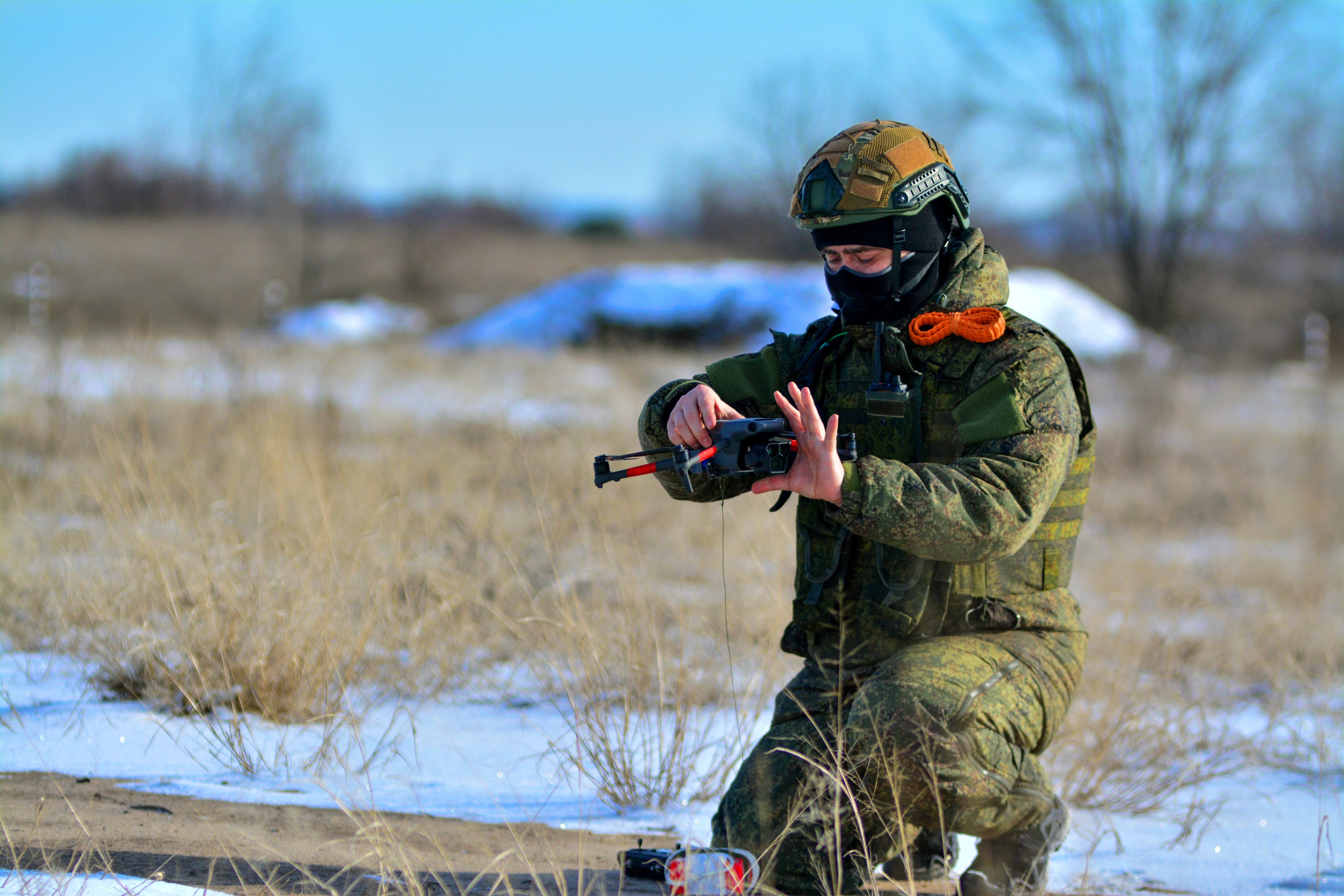
Russian servicemen in the Donetsk region are reportedly resisting orders to install the state-controlled messaging app “MAX,” according to agents of the ATESH partisan movement on February 15 operating within the 27th and 144th motorized rifle divisions of Russia’s 2nd Combined Arms Army.
ATESH reports that Russian command has ordered all personnel to switch to “MAX” by February 18 and banned the use of any other messaging platforms. The directive has triggered open dissatisfaction among rank-and-file soldiers and some officers.
We bring you stories from the ground. Your support keeps our team in the field.
The situation has reportedly worsened following the recent disruption of Starlink services, which led to significant communication and command difficulties within Russian units. According to ATESH, this has resulted in personnel losses and the loss of previously held positions, particularly in the Huliaipole direction.
“Rank-and-file soldiers and part of the officer corps are actively looking for ways to avoid installing the Russian state messenger ‘MAX’—essentially spyware fully controlled by the security services,” the movement stated.
According to the agents, many servicemen have said they plan to purchase a second phone specifically for inspections, with only “MAX” installed on it. At the same time, officers are reportedly willing to overlook continued use of Telegram by the main personnel.
ATESH claims that many Russian soldiers believe the use of the state messenger could eventually lead to criminal or disciplinary cases against them.
-1afe8933c743567b9dae4cc5225a73cb.png)
“All servicemen are convinced that the use of the state messenger will sooner or later result in criminal or disciplinary charges, because it is impossible to wage war strictly in accordance with existing laws and orders,” the movement said.
The reported internal resistance over the “MAX” messenger comes amid broader communication setbacks for Russian forces on the front line.
According to The Moscow Times, citing a senior NATO official, Ukrainian troops have begun making advances in the Zaporizhzhia region after Russian units lost access to Starlink satellite internet. Speaking on condition of anonymity, the official said the disruption significantly weakened Russia’s operational command and control capabilities, adding that any alternative system Moscow introduces is unlikely to match Starlink’s effectiveness.
Pro-war Russian military bloggers had previously cautioned that cutting off Starlink would severely disrupt frontline coordination, with some describing the system as irreplaceable for battlefield communications and management.
-6ead6a9dd508115a5d69759e48e3cad1.jpg)
The Moscow Times also reported that the Starlink terminals used by Russian forces had been operating illegally. The devices were allegedly smuggled into Russia and activated because they were technically registered as being located in temporarily occupied Ukrainian territory.
The issue had earlier been raised in discussions between the Pentagon and SpaceX. While hundreds of unauthorized terminals were disabled in the summer of 2024, the broader problem was not fully resolved, allowing some Russian units to continue relying on the system until the latest reported disruptions.
Earlier, a priest of the Russian Orthodox Church called on parishioners to pray for Telegram to be restored after Russia’s media regulator imposed tighter restrictions on the messaging service.
Alexander Mikushin, who serves at the Pokrovsky Cathedral in Barnaul, urged Russians to “ask God” to grant “wisdom” to officials at Roskomnadzor responsible for the decision to block the platform. He said Telegram was not merely a messaging app, but also a space “for prayer, heartfelt conversation, and helping one’s neighbor.”
Discuss this article:
-4a56a6b482ec132402c16ef6fcabf9a2.png)


-c439b7bd9030ecf9d5a4287dc361ba31.jpg "Photo of Katherina Popilnichenko")