- Category
- Culture
UK Lawmakers Criticize Eurovision Director Over Comments on Potential Russian Return to Contest
 Prefer U24 Media on Google
- Authors


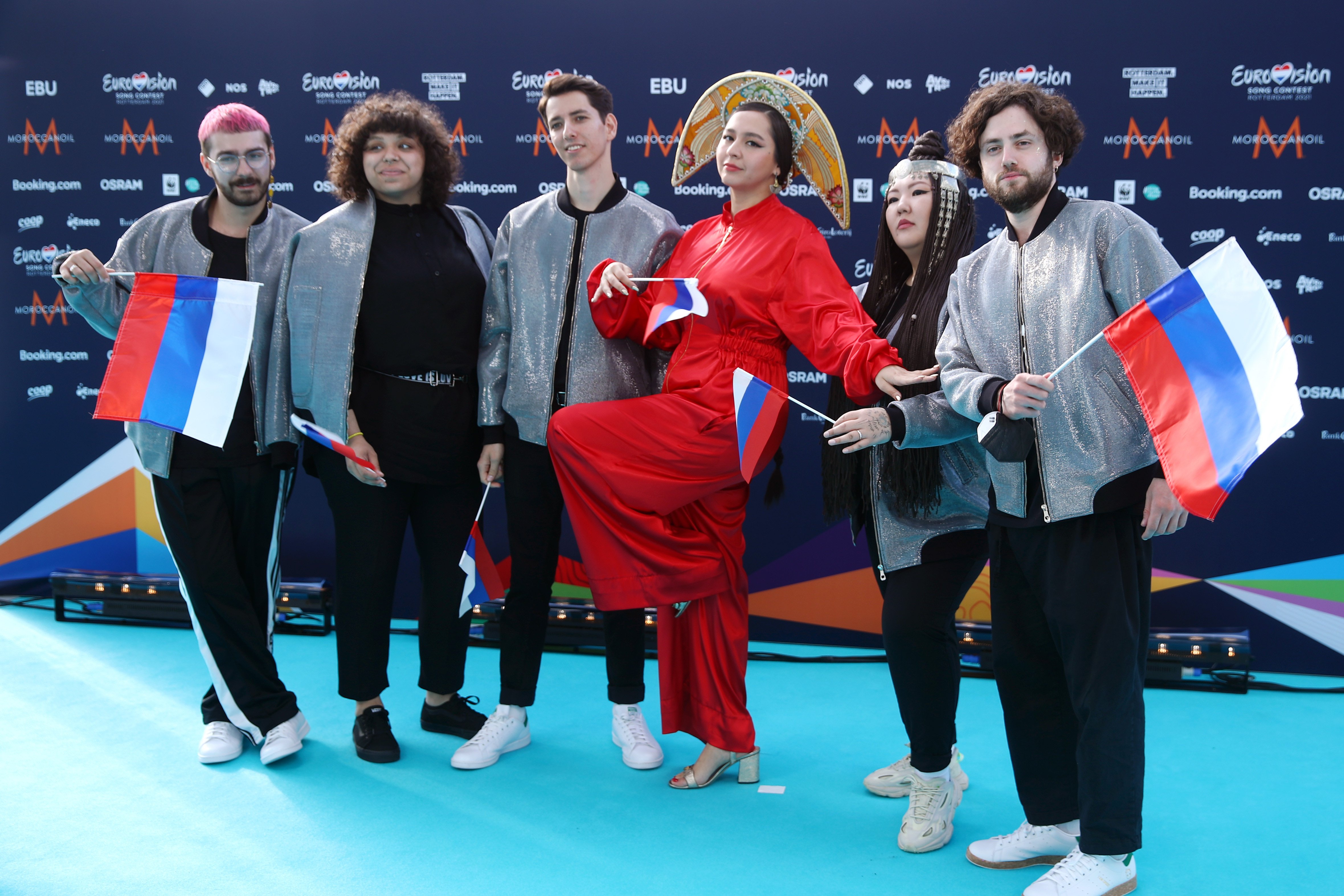
British lawmakers criticized Eurovision Song Contest director Martin Green after he declined to rule out the possibility of Russia returning to the competition while its war against Ukraine continues.
We bring you stories from the ground. Your support keeps our team in the field.
According to independent journalist Pablo O’Hana on May 15, Green said Russia could theoretically return to Eurovision if a Russian broadcaster demonstrated independence from the Kremlin.
During an interview discussed by British broadcaster LBC and cited by Pablo O’Hana, Green was asked whether Russia could participate in the contest again under such conditions. He responded: “Theoretically, yes.”
My exclusive interview with Eurovision director Martin Green👇 He tells me:
— Pablo O'Hana (@PabloOHana) May 15, 2026
💥Russia could return, even if the war in Ukraine is ongoing
💥No EBU discussion of a neutral Palestinian entry
💥No room for improvement in the way Israel debate was handled this year
💥Happy with every… pic.twitter.com/Ey0hQRraTw
Green said Russia’s exclusion from the contest was tied to issues surrounding media independence rather than the invasion itself. He also stated that the European Broadcasting Union (EBU), which organizes Eurovision, does not automatically ban countries involved in military invasions.
“When asked if the European Broadcasting Union (EBU), which organizes the song contest, excludes countries that invade foreign territories from participating, Green replied, saying, ‘No, because then you get into really difficult territory of making very subjective value judgments.’”

The comments drew criticism from several British lawmakers. According to a press release published by Pablo O’Hana, British Shadow Culture Secretary Nigel Huddleston said: “The Eurovision Song Contest brings nations together through creative competition, underpinned by the principle of international cooperation. Russia stands completely against that principle. It would be outrageous to allow Russia to participate.”
British MP Josh Newbury also criticized Green’s remarks, saying: “For four years, the EBU has hidden behind the language of values and democratic process. We now know that when it mattered, the decision to ban Russia had nothing to do with values or principle at all.”
“The EBU is making it up as it goes along, and the BBC — a public broadcaster accountable to this country — is sitting at that table nodding along. That has to change,” Newbury added, according to Pablo O’Hana.
Russian participation in Eurovision was suspended indefinitely on February 25, 2022, one day after the start of Russia’s full-scale invasion of Ukraine. At the time, the EBU said Russian broadcasters had been removed from the organization due to concerns over compliance with its standards and values.
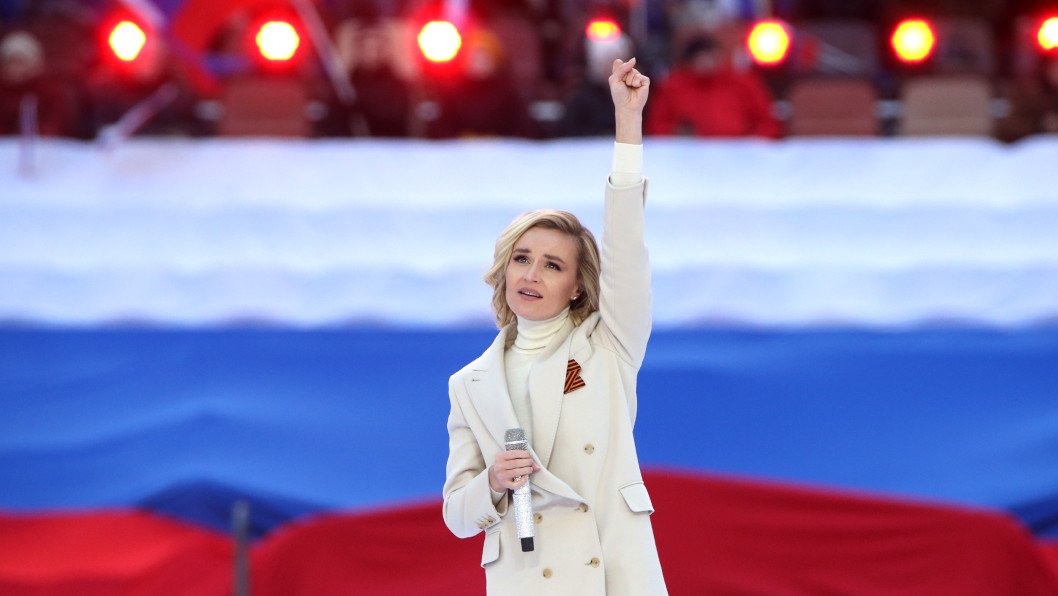
According to Pablo O’Hana’s reporting, Green argued that participation rules are linked to broadcaster independence rather than geopolitical conflicts. He said a Russian broadcaster would theoretically be eligible if it no longer acted as “a mouthpiece for the Kremlin” and met EBU standards of independence.
Russia has since revived the Soviet-era Intervision music competition. The contest, originally held between 1965 and 1980 as an alternative to Eurovision, returned in 2025.
This year’s Eurovision Song Contest is taking place from May 12 to May 16. Ukraine advanced to the final on May 14, where singer Leleka is set to compete alongside performers from other qualifying countries.
Discuss this article:
-9a7b3a98ed5c506e0b77a6663f5727c5.png)

-480d70a36b9b34492b0b32ca04af4489.jpg "People attend the funeral ceremony of the famous Ukrainian writer Victoria Amelina at the Garrison Church, in Lviv, Ukraine, on July 5, 2023. (Source: Getty Images)")

-32d15505fc2972c43cc64011a4cf60cd.jpg "Sir Paul McCartney performs during a concert at Estadio BBVA on November 8, 2024 in Monterrey, Mexico. (Source: Getty Images)")
-58027ba3c731b844e3279bf1086a8d0b.jpg "Ukrainian DJ KOROLOVA. (Source: @korolova.dj/Instagram)")