- Category
- Anti-Fake
Why Russia Is (and Isn’t) at the 2026 Olympics—“Neutral” Athletes Explained
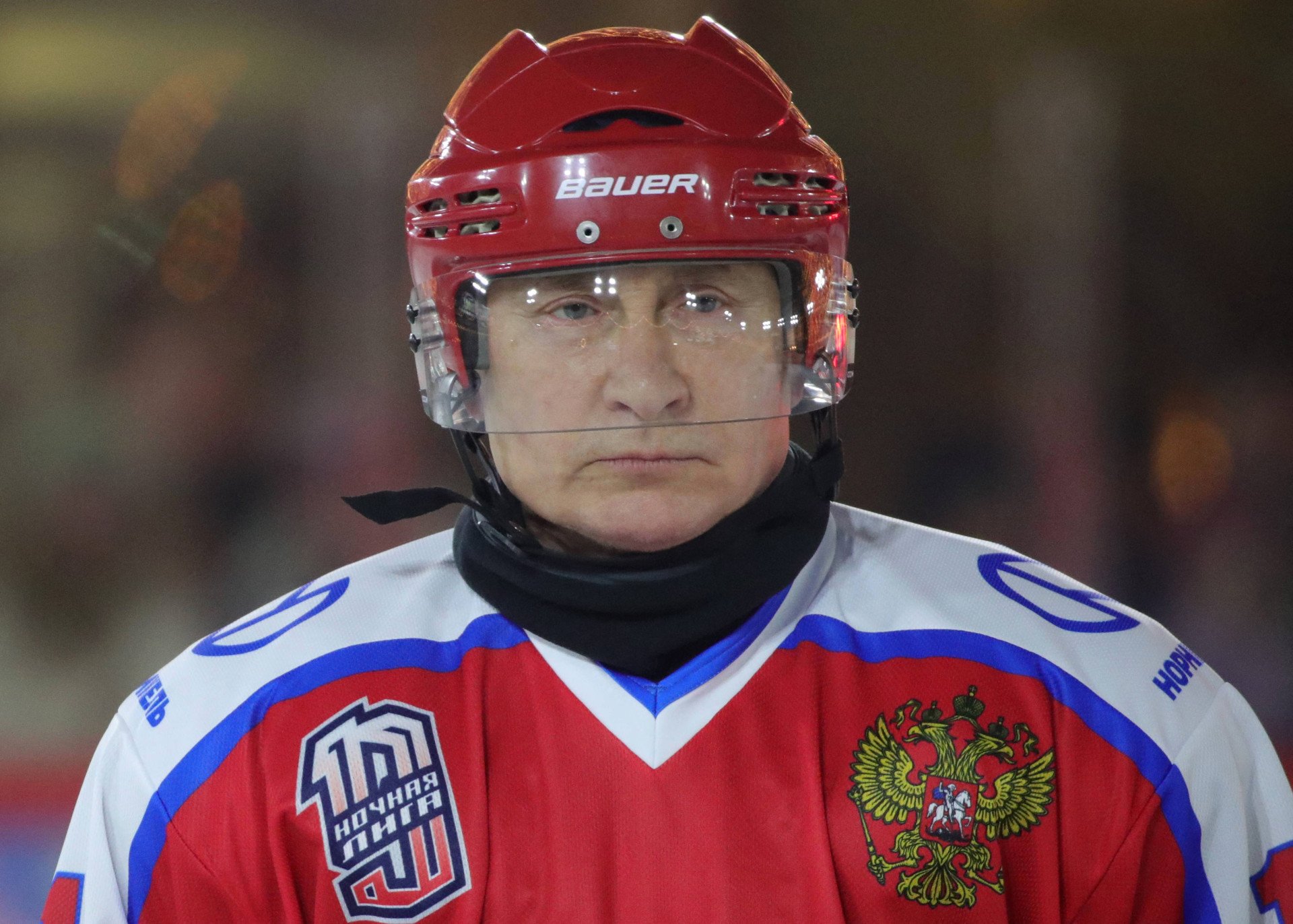
Russia is banned from the Olympics—but its athletes are still competing. Labeled “neutral,” their presence and affiliations raise questions about accountability.
 Prefer U24 Media on Google
- Authors


The decision to suspend Russia from the Olympic Games was neither sudden nor necessarily politically motivated.
After the launch of Russia’s full-scale invasion of Ukraine in 2022, the International Olympic Committee (IOC) recommended that international federations bar Russian and Belarusian athletes from competition. The official grounds were a serious violation of the Olympic Charter: a state engaged in aggression cannot enjoy full participation in a global sports movement that declares peace and mutual respect as its core values.
Yet, as the 2026 Winter Olympic Games kick off with the opening ceremony, 13 Russian and seven Belarusian athletes will compete.
Why was Russia banned from the 2026 Winter Olympics?
The Russian Olympic ban did not begin in 2022. The latest restrictions followed years of scrutiny tied to the Russian doping scandal.
Russia has the highest number of athletes caught doping in Olympic history. The 2022 measures were layered on top of previous sanctions, including the widely discussed World Anti-Doping Agency (WADA) Russia ban.
The Sochi 2014 doping scandal
Doping tests at the Olympics began in 1968. As of the 2020 Summer Olympic Games, there had been 442 positive doping tests, resulting in the loss of 173 medals. Of those, Russian athletes accounted for 133 violations and forfeited 63 medals—the highest totals of any country.
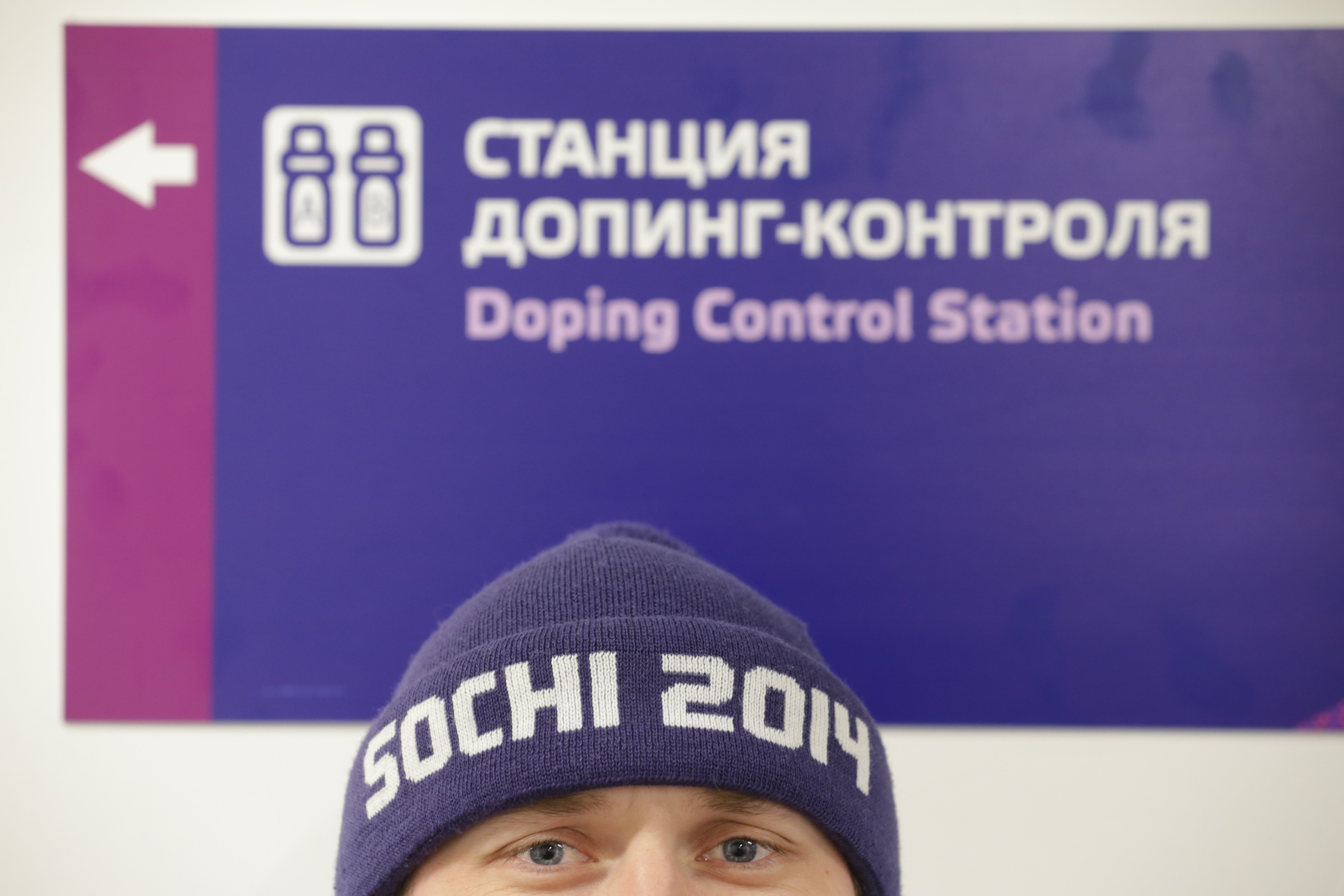
After the 2014 Sochi Games—during which Russia invaded Ukraine—it became clear that this was not a matter of numerous isolated incidents but part of a state-run doping system. A WADA report detailed an entire sample-swapping program in which athletes submitted clean urine samples before resuming doping.
Subsequent contaminated samples were secretly removed from laboratories and replaced with clean ones by agents working with Russia’s Federal Security Service (FSB). Even when this was publicly revealed by Grigory Rodchenkov, the longtime head of Russia’s anti-doping laboratory who fled the country, the Kremlin continued to deny the obvious.
Following WADA findings, Russian authorities denied systemic wrongdoing. The period after the WADA-Russia ban saw legal appeals, rebranding efforts, and attempts to preserve access to international competition.
Thus, Russia had already competed at previous Games under restrictions—without its flag and anthem, and under the designation Olympic Athletes from Russia (OAR).
The Russian Olympic Committee creation
The Russian Olympic Committee (ROC) is Russia’s national Olympic body, responsible for representing the country within the Olympic movement.
Following the doping scandals, the ROC Olympic structure enabled athletes to compete without the national flag while maintaining organizational continuity.
The IOC suspended the ROC in 2017 over its involvement in the state doping program. Yet it reinstated the body the following year—even though Russian athletes once again failed doping tests at the 2018 Winter Games. In 2019, WADA called for Russia to be banned from all international sport for four years after determining that Russian authorities had manipulated data to shield dopers.
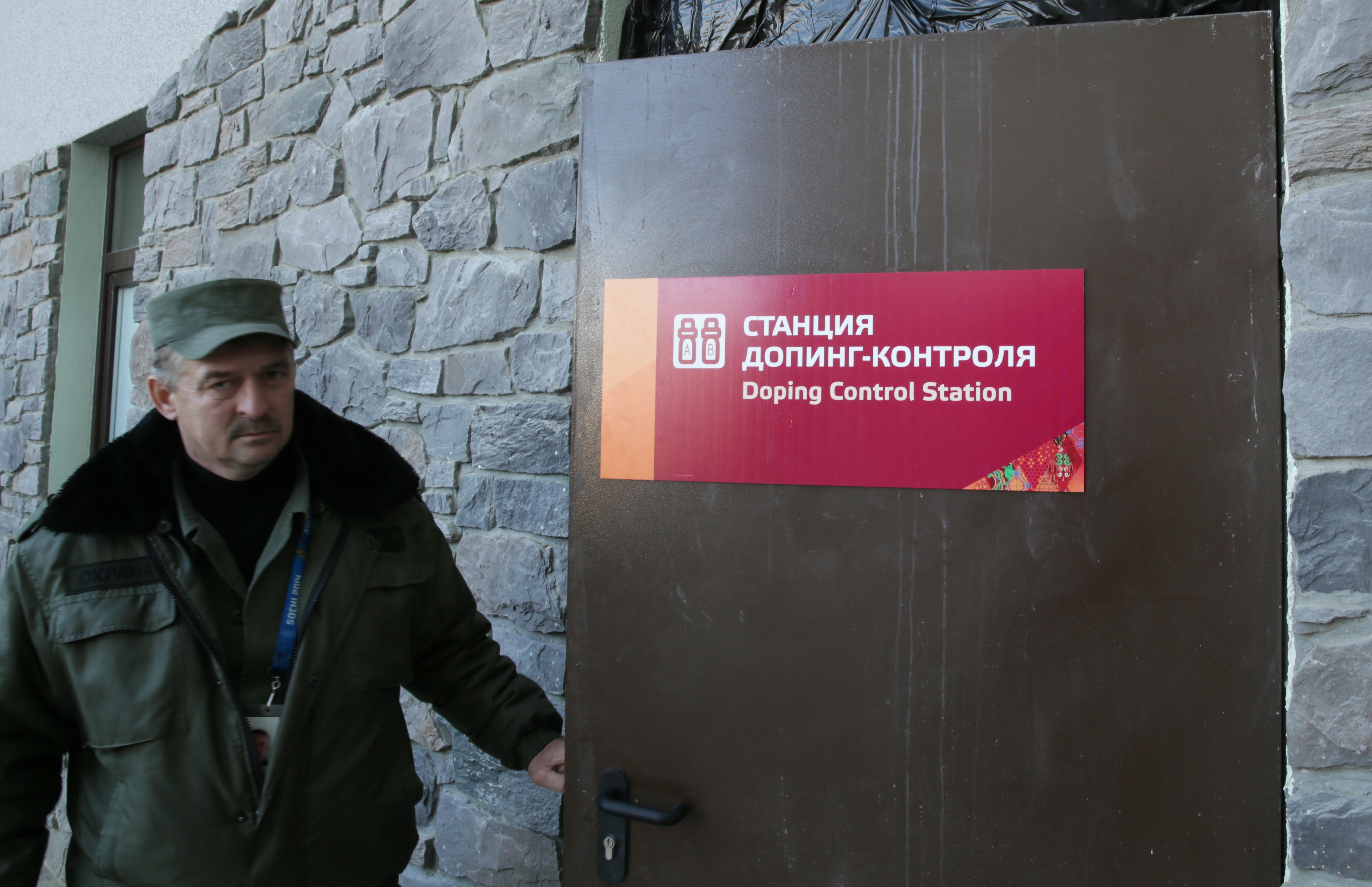
Despite this, in 2021, the IOC announced that Russia would compete under the acronym ROC. This amounted to a gradual reintegration despite an entire state-run doping system. But Russia soon demonstrated that nothing had fundamentally changed.
The IOC suspends the ROC again
On February 24, 2022, Russia’s army, air force, and navy attacked Ukraine from multiple directions. The attack was carried out, in particular, from the territory of Belarus. The scale and unprovoked nature of the assault shocked even sports officials who had previously shown leniency toward professional dopers. The day after the invasion, the IOC called on all international federations to relocate or cancel sporting events scheduled in Russia or Belarus.
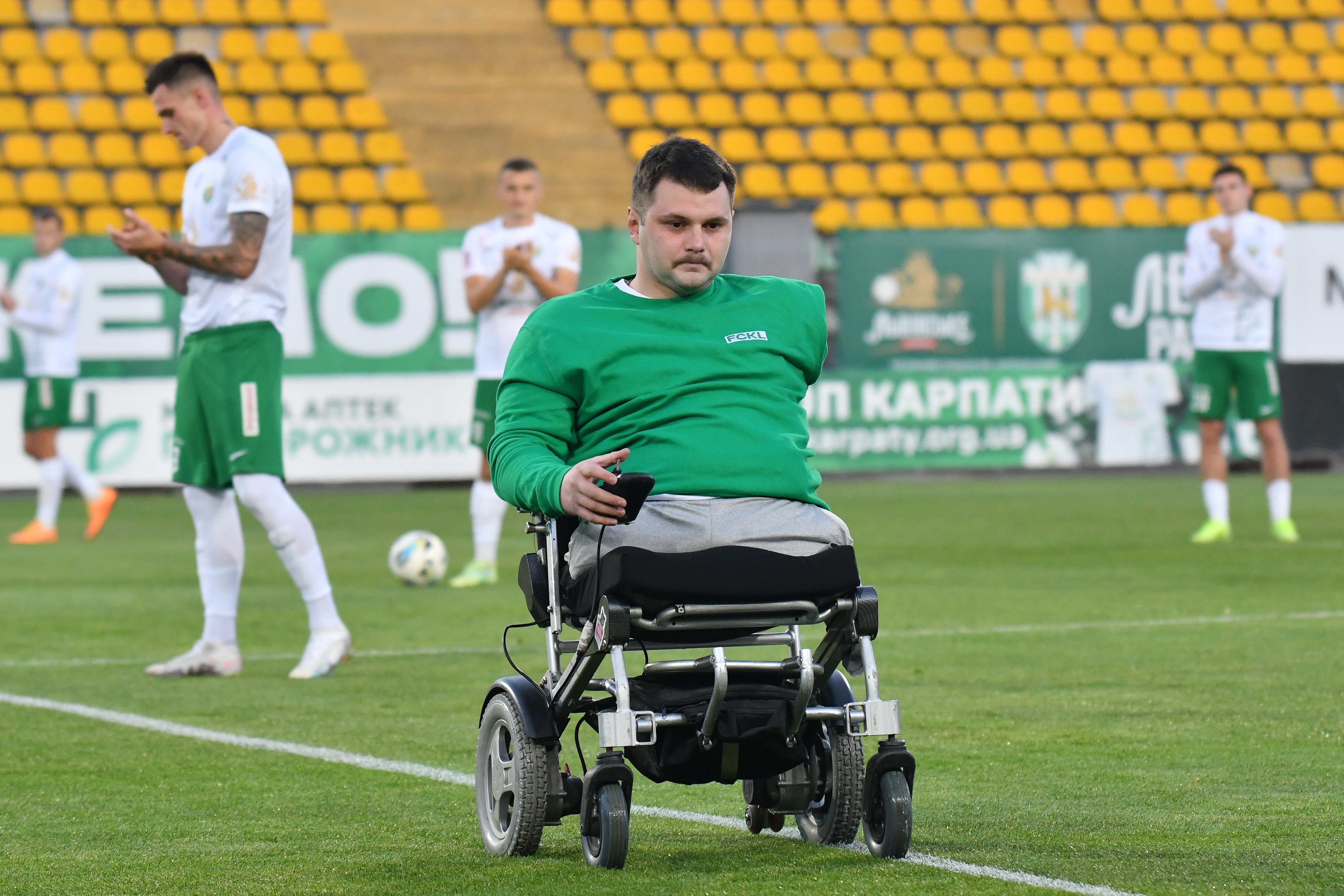
This did not appear to trouble Russian sports officials. In the fall of 2022, as Russia suffered heavy battlefield losses, Russian leader Vladimir Putin announced a mobilization. In support of it, ROC President Stanislav Pozdnyakov stated:
“From the point of view of the Russian Olympic Committee, we, being citizens of the country, consider service to the motherland an honorable duty and an honor for every citizen, including members of national teams.”
The IOC suspended the ROC once again in October 2023, over a year after Russia’s full-scale invasion of Ukraine. The reason was a decision by Russian officials to incorporate sports organizations from the temporarily occupied Ukrainian territories—Donetsk, Luhansk, Kherson, and Zaporizhzhia regions—into its structure. This was deemed a violation of Ukraine’s territorial integrity and of the Olympic Charter.
Russians are excluded from the Games both because of the state doping system and because of the legitimization of occupation through sports structures.
What is the AIN status of the Russian and Belarusian athletes at the Olympics?
Athletes holding Russian or Belarusian passports who qualified for the Milano Cortina 2026 Games will compete under AIN status. In total, 13 Russian athletes and seven from Belarus have been cleared to participate.
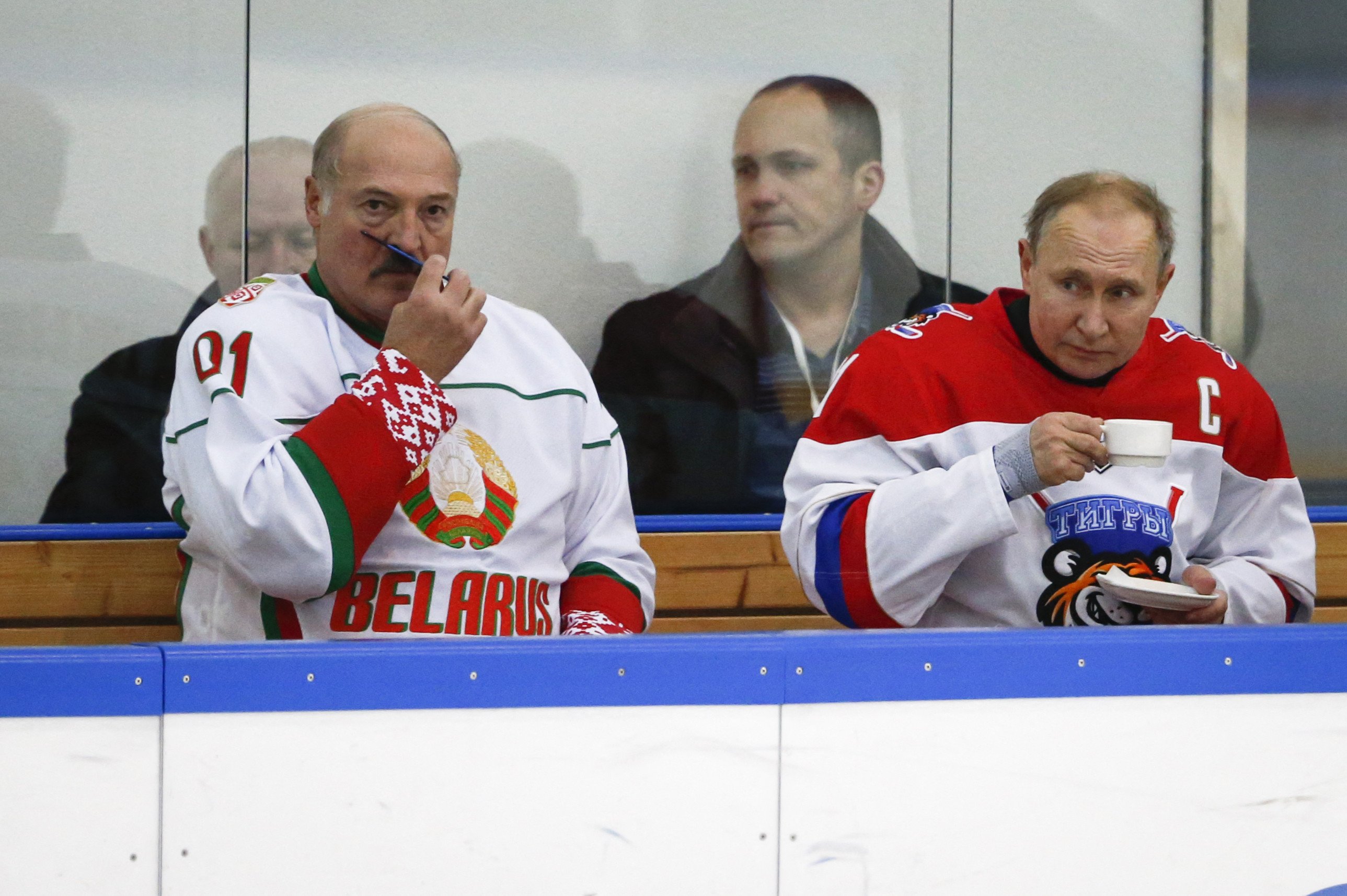
AIN status was introduced ahead of the 2024 Paris Olympics, replacing the ROC designation. Under the Individual Neutral Athlete framework, competitors are eligible only if they can demonstrate the absence of direct funding or support from military or security structures.
Olympic neutrality rules suggest that they will compete without national team colors or their country’s flag and without a national anthem, with a lyric-free melody played instead. They are also barred from marching in the opening ceremony parade. Formally, they represent only themselves, not the state.
ROC vs AIN: What’s the Difference?
ROC | AIN | |
|---|---|---|
Representation | State-affiliated | No national affiliation |
Flag | ROC symbol on white background | Neutral teal AIN banner |
Anthem | Tchaikovsky’s Piano Concerto No. 1 | Instrumental melody (no lyrics) |
Uniform colors | Russian colors (red, white, blue allowed) | No national colors or symbols |
Eligibility criteria | Russian nationality | Must prove no military/security ties |
Are Russian and Belarusian athletes truly neutral at the Olympics?
Many Russian athletes hold contracts with clubs affiliated with the army or security services, such as Central Army Sports Club CSKA or Dynamo. Some have publicly supported the aggression against Ukraine or participated in events backing the Russian military. And the “neutral” Olympians cleared for the 2026 Winter Games were no exception to that.
According to a BBC Sport investigation published on February 4, several Russian athletes approved to compete as neutrals at the upcoming Winter Olympics have faced scrutiny over ties to activities supporting Russia’s war in Ukraine.
Concerns have been raised about some athletes’ associations with pro-war figures, including connections to Russian officials and military-backed entities, BBC Sport reported.
Among those named are figure skater Petr Gumennik and cross-country skier Saveliy Korostelev, who have been linked to individuals holding pro-war positions or affiliated with Russian military organizations. Gumennik performed in a Russian military uniform in 2024, produced by Ilya Averbukh, a coach who openly supports Russia's invasion of Ukraine and visits temporarily occupied territories of Ukraine. Korostelev’s mother and uncle were both members of CSKA, with his mother holding the rank of senior lieutenant.
Ksenia Korzhova and Dariya Nepryaeva have faced criticism for supporting military-related figures—like the former leader of the Russian paramilitary group Yunarmia—or attending training camps in Crimea, which has been occupied by Russian forces since 2014. Russian figure skater Adeliia Petrosian held a masterclass in 2025 at a Moscow festival that raises funds for the Russian military.
Editor’s note: Since this article was first published, the International Olympic Committee has begun easing restrictions on Russian and Belarusian athletes.
On June 26, 2026, the IOC lifted its recommendation that Belarusian athletes compete only as neutrals, allowing international sports federations to admit Belarusian competitors under their national flag, anthem, and state symbols.
On July 7, 2026, the IOC also withdrew its recommended participation restrictions on Russian athletes, returning authority over eligibility to individual international sports federations, and provisionally reinstated the Russian Olympic Committee. The IOC has deferred its specific ruling on whether Russian flags, anthems, or national symbols will be permitted at the upcoming Olympic Games.
The human cost of Russia’s war for Ukrainian sport
For Ukraine, this issue is not abstract. Ukrainian athletes are killed at the front and in their homes, training under Russian missile fire every day.
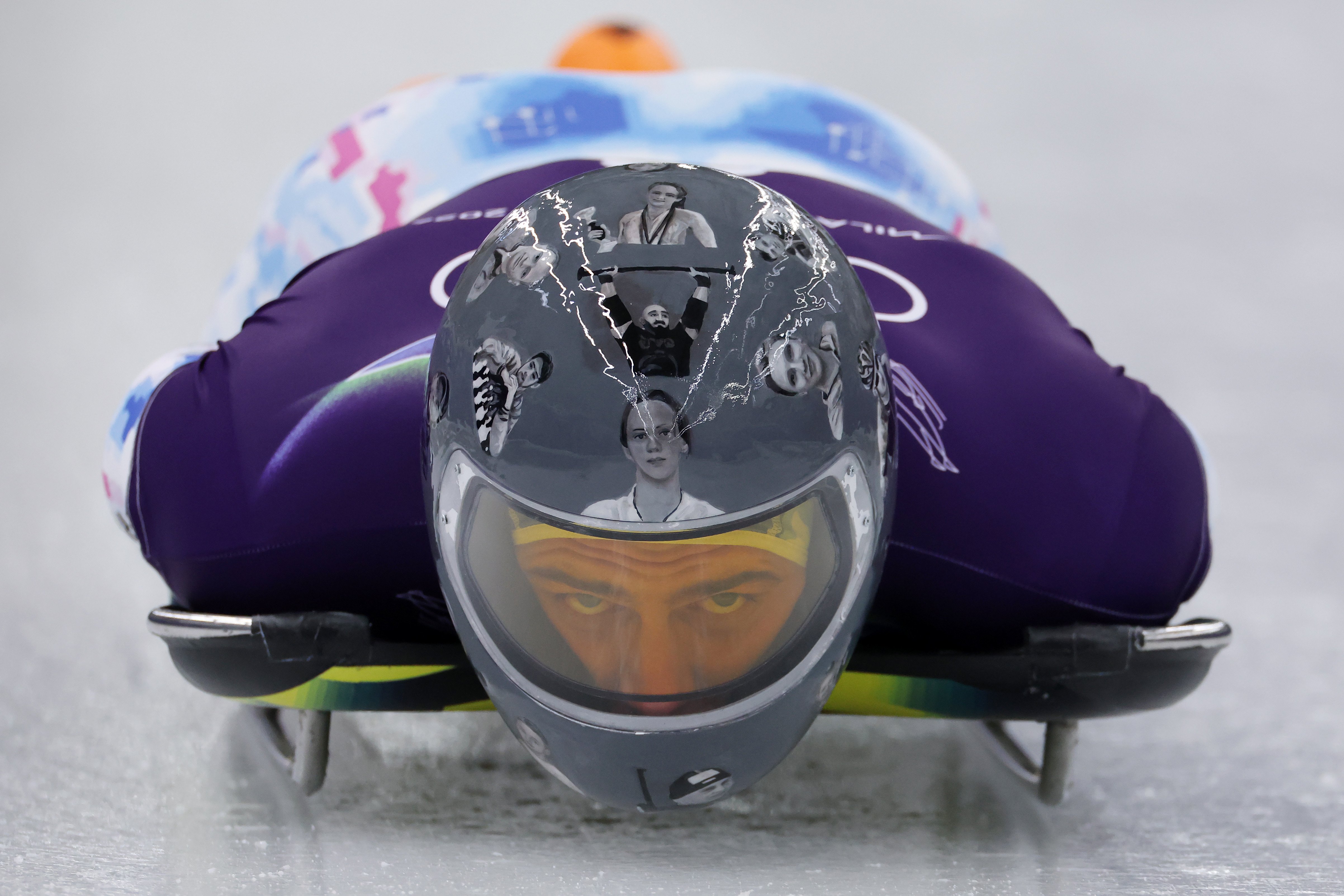
The IOC banned Ukrainian skeleton racer Vladyslav Heraskevych from wearing a helmet featuring images of Ukrainian athletes killed as a result of Russia’s invasion.
Even under “neutral” status, the Russian state uses these performances for domestic and international propaganda. Inside the country, any victory is presented as proof of the “unjust Western sanctions” and of the state’s strength. The team name may omit the word “Russia,” but the media clearly label the winners as Russian.
Participation on the international stage allows the Kremlin to advance a narrative about depoliticizing sport and gradually returning to “normalcy.” This forms part of a broader strategy—to achieve the lifting of restrictions through international fatigue and the erosion of principles.
The question of Russia’s participation in the Olympic Games is not about medals. It is about accountability, the rule of law, and the line between individual careers and state policy. Russian athletes were restricted because of an entire doping ecosystem, and the full-scale invasion added another layer of responsibility. Russia still holds the record for the highest number of doping violations in Olympic history, and the war continues. Nothing has changed. Yet voices are being raised calling for Russia’s return to global sport.
The 2026 Olympics opened on February 6. That same evening and in the early hours of February 7, Russia launched its largest attack on Ukraine of 2026, firing a total of 447 missiles and drones at critical energy infrastructure. This occurred even as the world called for peace—including during the opening ceremony of the 2026 Winter Olympic Games.
Discuss this article:
-4a56a6b482ec132402c16ef6fcabf9a2.png)

-c439b7bd9030ecf9d5a4287dc361ba31.jpg "Photo of Katherina Popilnichenko")

-206008aed5f329e86c52788e3e423f23.jpg "Photo of Oleksandr Moiseienko")

-72b63a4e0c8c475ad81fe3eed3f63729.jpeg "Photo of Cyril Barabaltchouk")