- Category
- Culture
Donetsk Pulse Room Archive Becomes “Pulse Agglomerate” Performance at Art Basel 2026
 Prefer U24 Media on Google
- Authors


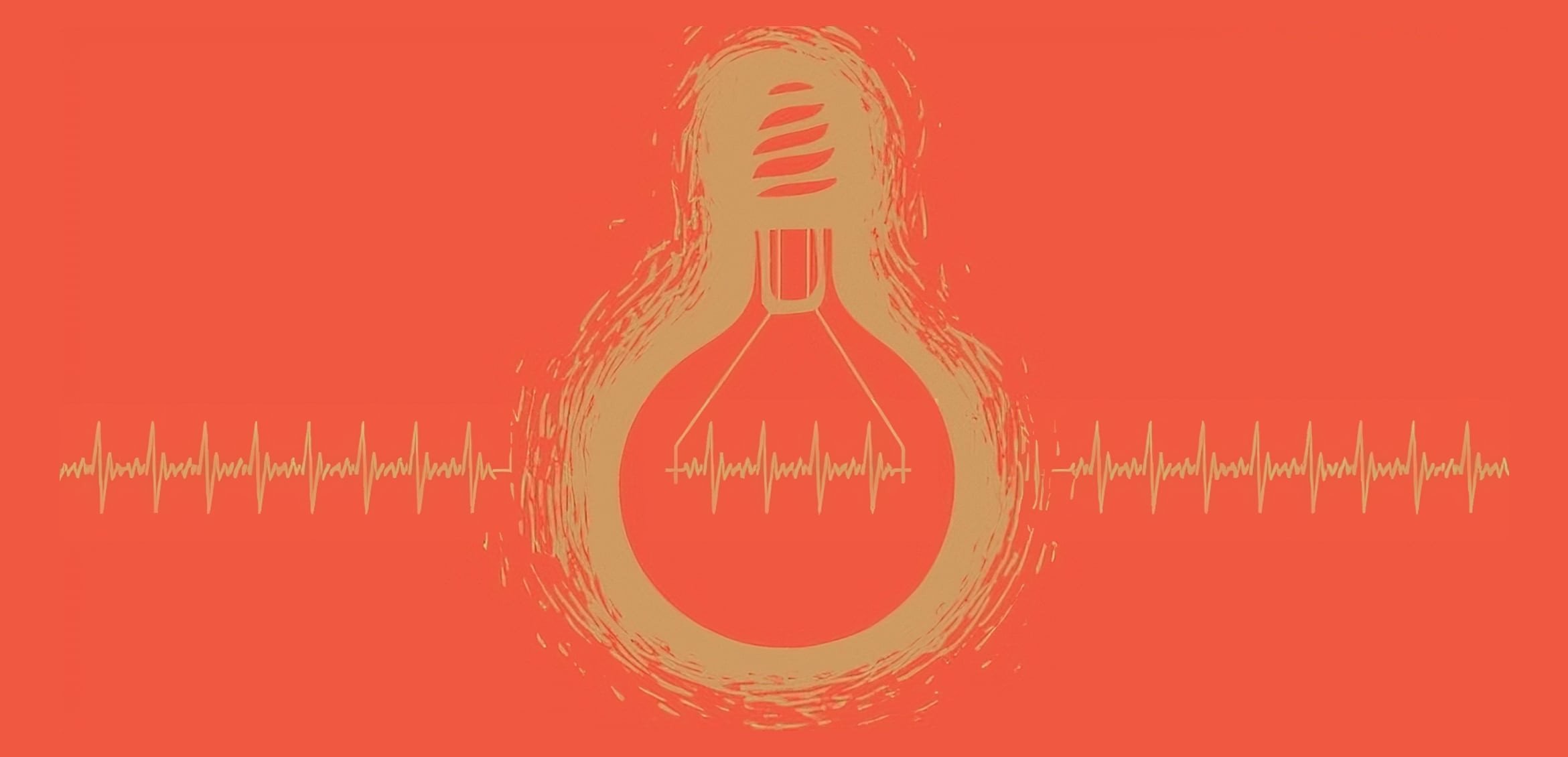
A biometric memorial performance titled Pulse Agglomerate will take place in Basel on June 15 as part of the Art Basel programme, the IZOLYATSIA cultural centre announced.
We bring you stories from the ground. Your support keeps our team in the field.
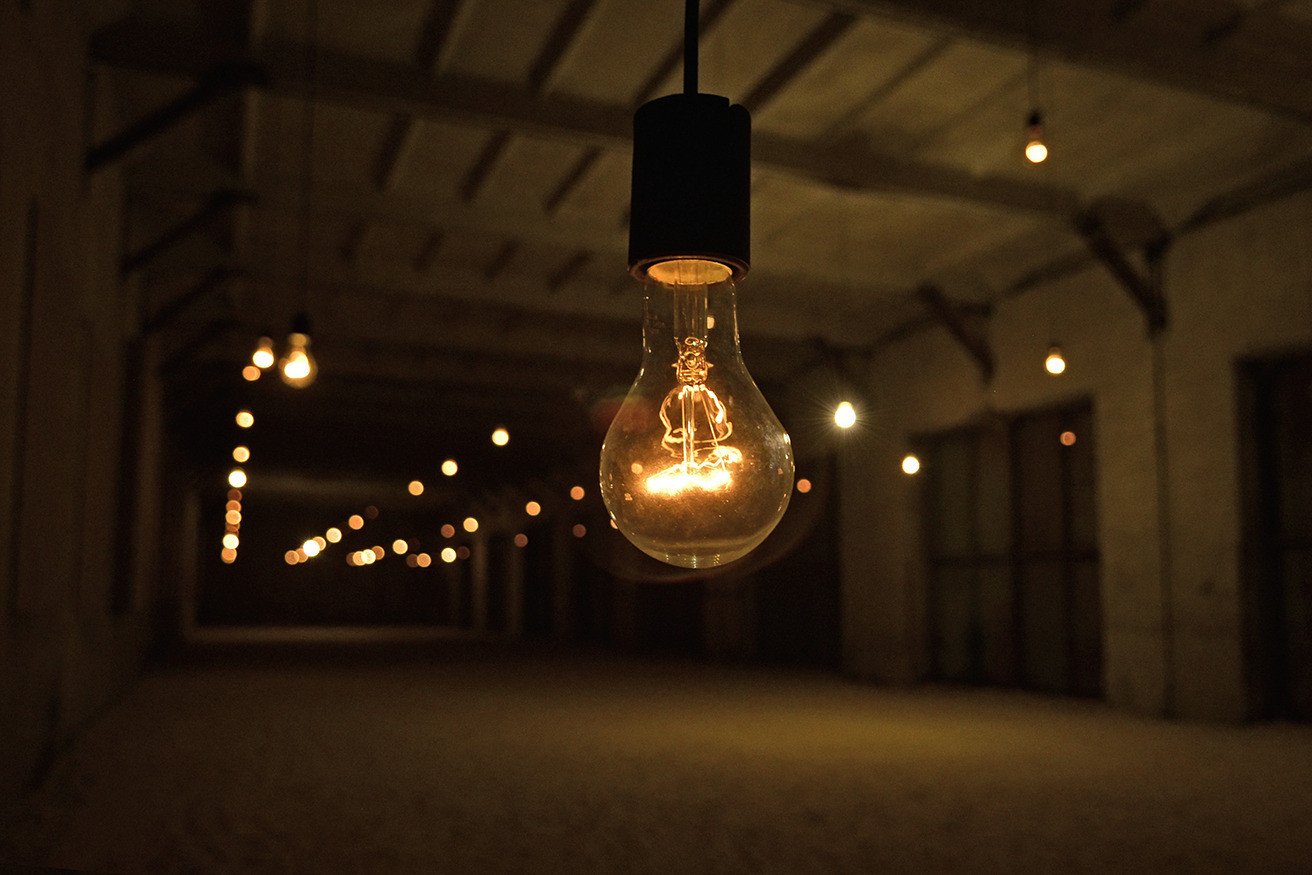
The installation consists of 100 light bulbs, each blinking in sync with real human heartbeats recorded in Donetsk in 2013 during the Pulse Room installation by artist Rafael Lozano-Hemmer hosted at the Izolyatsia cultural centre.
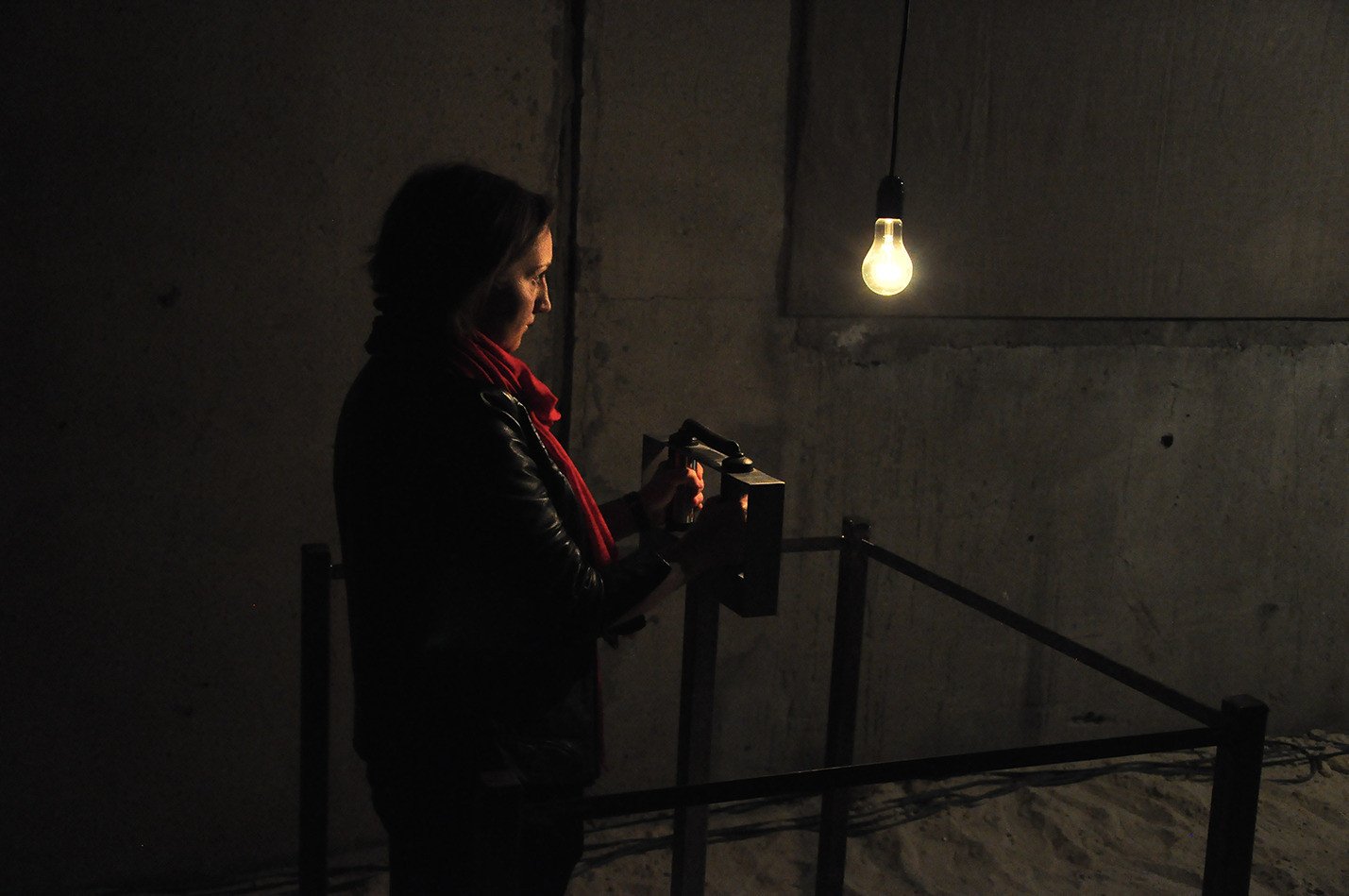
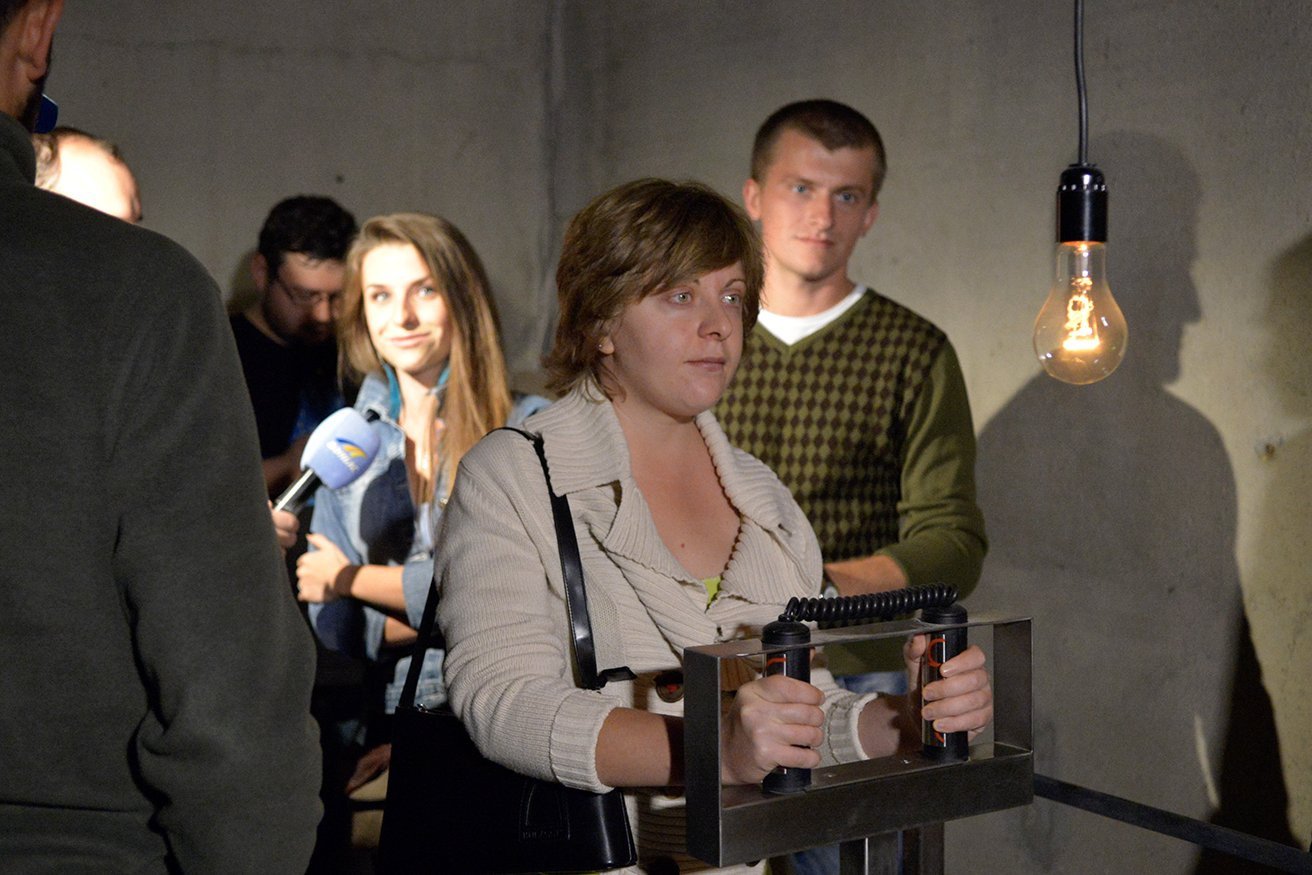
At the time, visitors placed their hands on sensors, converting their pulse into a light signal that activated a blinking bulb, creating a living archive of individual heartbeats.
In 2014, the recordings were evacuated from Donetsk shortly before the city came under occupation and the Izolyatsia centre was transformed into a site of detention and torture. The preserved archive now forms the basis of the new performance.
In Basel, the project will be presented under the title Pulse Agglomerate. Ukrainian artist Maria Kulikovska will take part in the work, alongside the Izolyatsia Foundation and international galleries and partners.
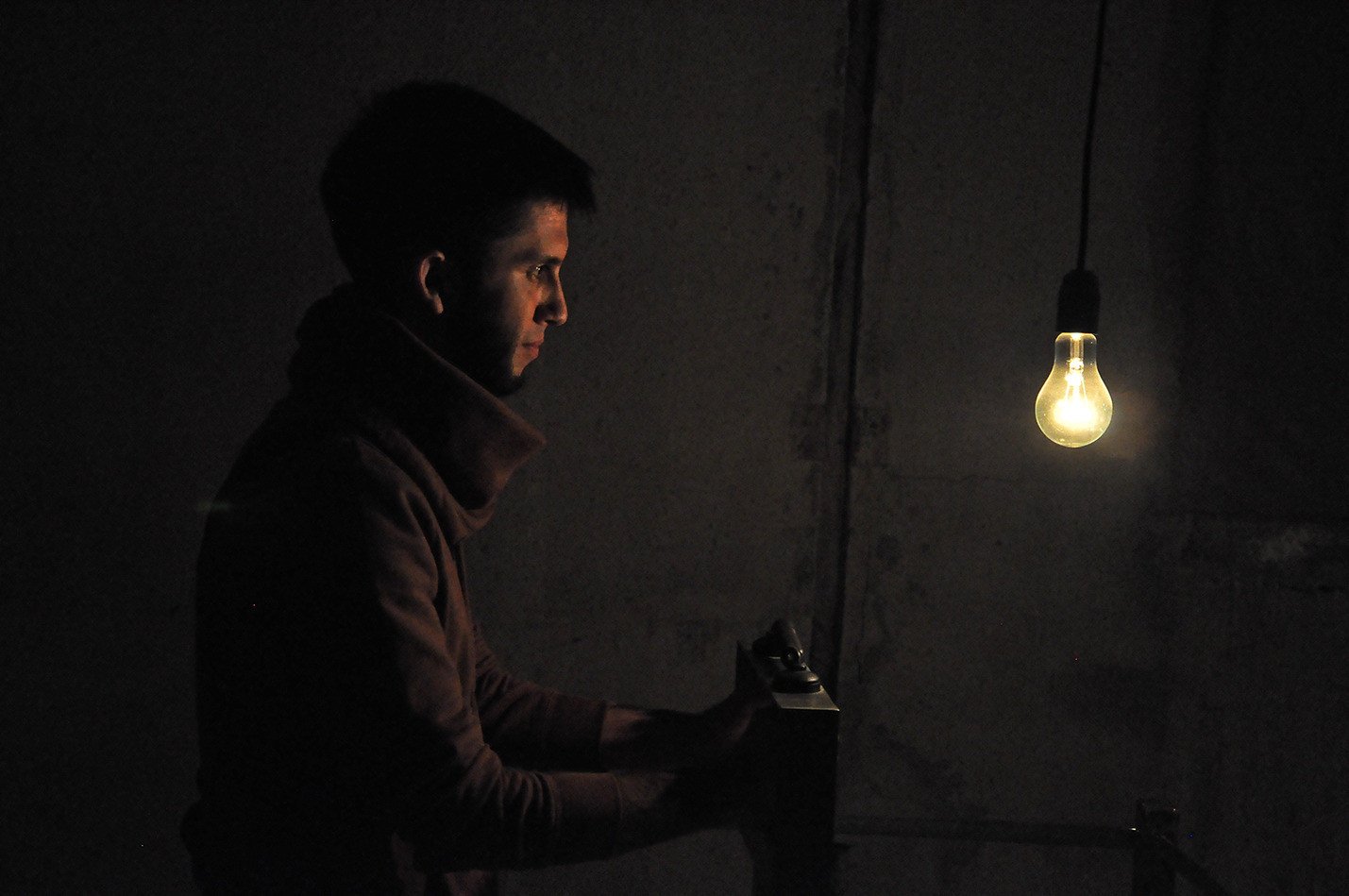
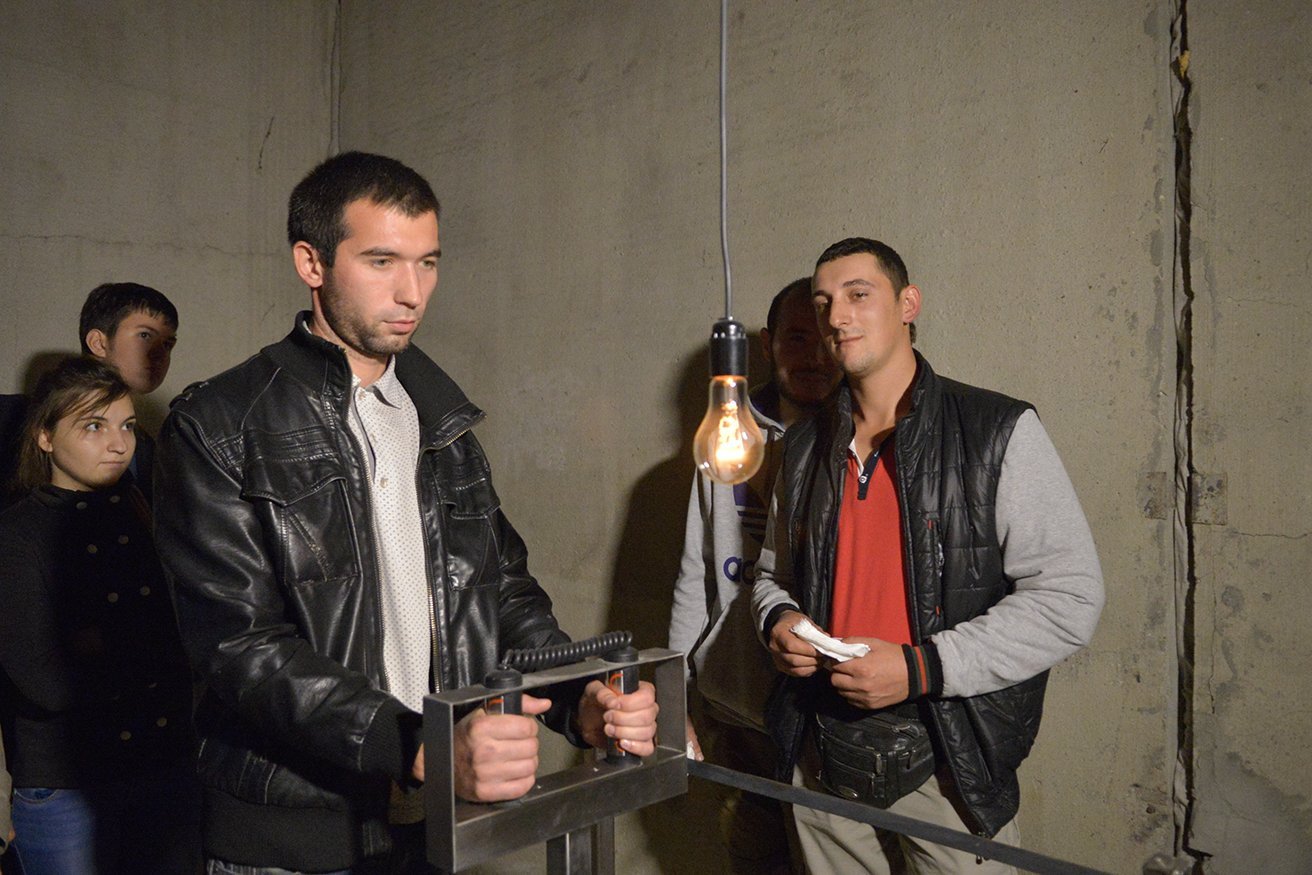
The installation will also be interactive: visitors will be able to contribute by placing their hand on a sensor. Their heartbeat will be added to the sequence, while the oldest recorded pulse will be removed.
“Each new recording replaces the oldest one—simultaneously provoking mourning and affirming continuity, solidarity, and resilience in the face of war,” the announcement of the performance stated.
The project comes amid a series of recent artistic initiatives that use physical remnants of the war as cultural testimony. Italian artist and designer Walter Espedito Trento has launched an independent project titled Reliquiae, which presents objects brought from Ukraine as material evidence of the ongoing war.
The project was presented in Venice on May 8–9, ahead of and on the opening day of the Venice Biennale, according to remarks the artist gave to Ukrinform on May 5. The presentation will take the form of a secular procession moving from Venice’s central railway station through the city’s main tourist routes.
Participants were able to carry individual “relics” placed on red velvet cushions, including a scorched fragment from a Russian drone strike on the Bernardine monastery in Lviv, a brick fragment from a destroyed residential building in Odesa, a bullet-riddled city sign from Ukraine, and other symbolic artefacts.
![Rebelia [1991], the Musical That Made Ukraine’s Independence Story Go Viral](https://storage.united24media.com/thumbs/1058x596/9/22/(x0-y599-w6000-h3389)-5577ec6dbc710eff4c16fc242512c229.jpg)
Espedito Trento said the project was conceived as a deliberately provocative response to the decision by Biennale organizers to reopen the Russian pavilion, a move justified by the argument that “culture is outside politics.”
At the same time, the Invisible Pavilion—an unofficial artistic initiative taking place across Venice during the Venice Biennale—is drawing attention to the human toll of Russia’s war against Ukraine.
Running in parallel with the 61st Biennale from May 6 to November 22, 2026, the project deliberately forgoes a conventional gallery format in favour of a citywide poster campaign in public spaces. Each poster mimics standard cultural announcements such as book launches, film screenings, or poetry readings, but is stamped with the word “CANCELLED.”
Discuss this article:

-e00d178a31a987cd514e15ad3a8c2131.jpeg "Max Klymenko wearing the Etnodim, featuring embroidery inspired by traditional Ukrainian crafts. (Source: Ian Treherne)")
-e88c01988249cd60b6f04f79d29156b7.jpeg "Damage to “Cosmogony,” the largest painting in Ukraine, following a Russian drone attack on Lutsk on October 13, 2026. (Source: @sashyyna/Instagram)")
-480d70a36b9b34492b0b32ca04af4489.jpg "People attend the funeral ceremony of the famous Ukrainian writer Victoria Amelina at the Garrison Church, in Lviv, Ukraine, on July 5, 2023. (Source: Getty Images)")