- Category
- Culture
Ukrainian Odyssey: How the Stories of Mariupol’s Defenders Came to the Stage
On the day “Odyssey. Maeotis” was set to premiere in Kyiv, the city recorded an all-time daily high of 13 air raid alerts. A story of a man returning home after years of war was ready to take its first steps on stage in a city that knows all too well what it means to wait for peace, only for the war to once again interrupt the journey home.
 Prefer U24 Media on Google
- Authors


-2865137c7f83ccc2b728b2627d93a536.png "Photo of Daryna Udovenko")

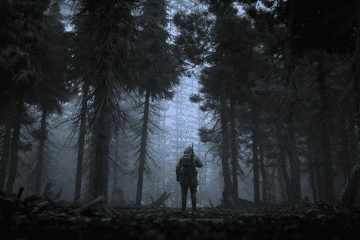
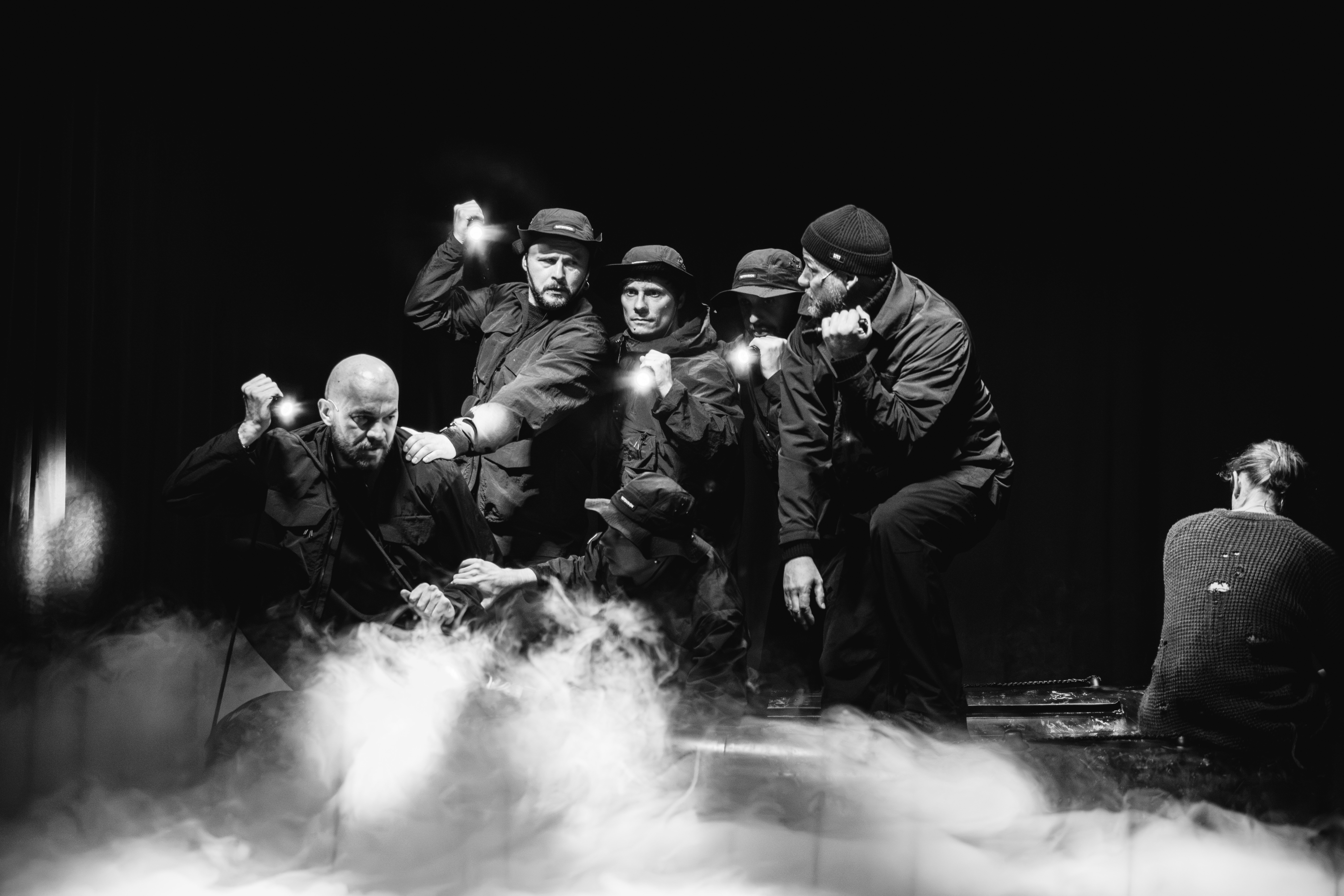
As the world is gripped by Christopher Nolan’s Odyssey, Ukraine is telling an Odyssey of its own. Here, the ancient journey home takes place against the backdrop of Russia’s war, reimagined through the stories of Mariupol’s defenders, with soldiers and actors bringing a modern war epic to life. Drones and robots replace mythical monsters, turning the familiar tale into echoes of Ukrainian reality.
A myth reborn in wartime
Kyiv has premiered Odyssey. Maeotis, the latest production by acclaimed Ukrainian director Ivan Uryvskyi, whose The Witch of Konotop and Caligula have become some of the most sought-after productions in the country, with tickets selling out within minutes and the shows traveling abroad on tour. Yet Odyssey. Maeotis takes Uryvskyi into new territory: it is his first work with contemporary Ukrainian drama and the first time a national theater in Ukraine has collaborated with a military corps on a theatrical production.
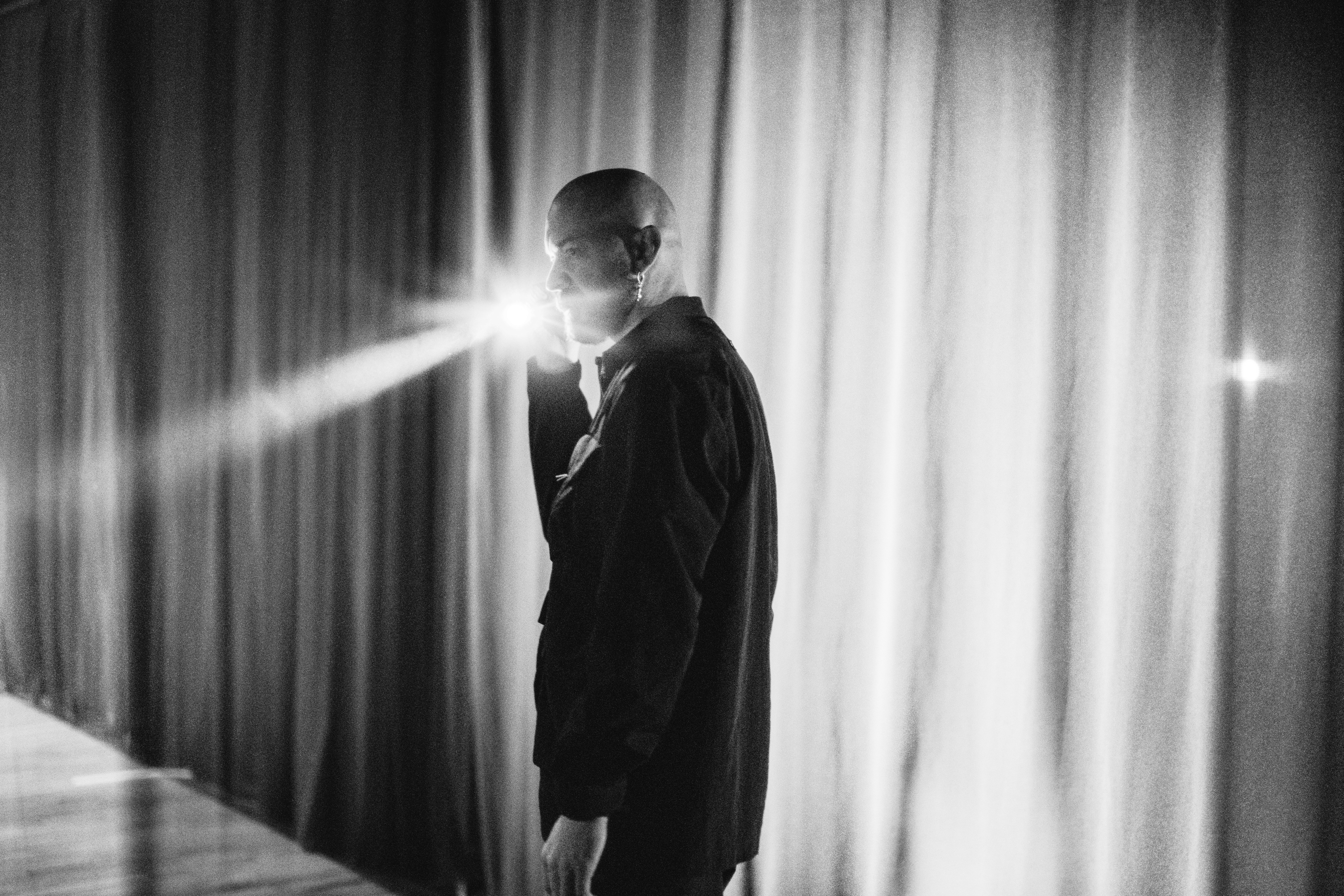
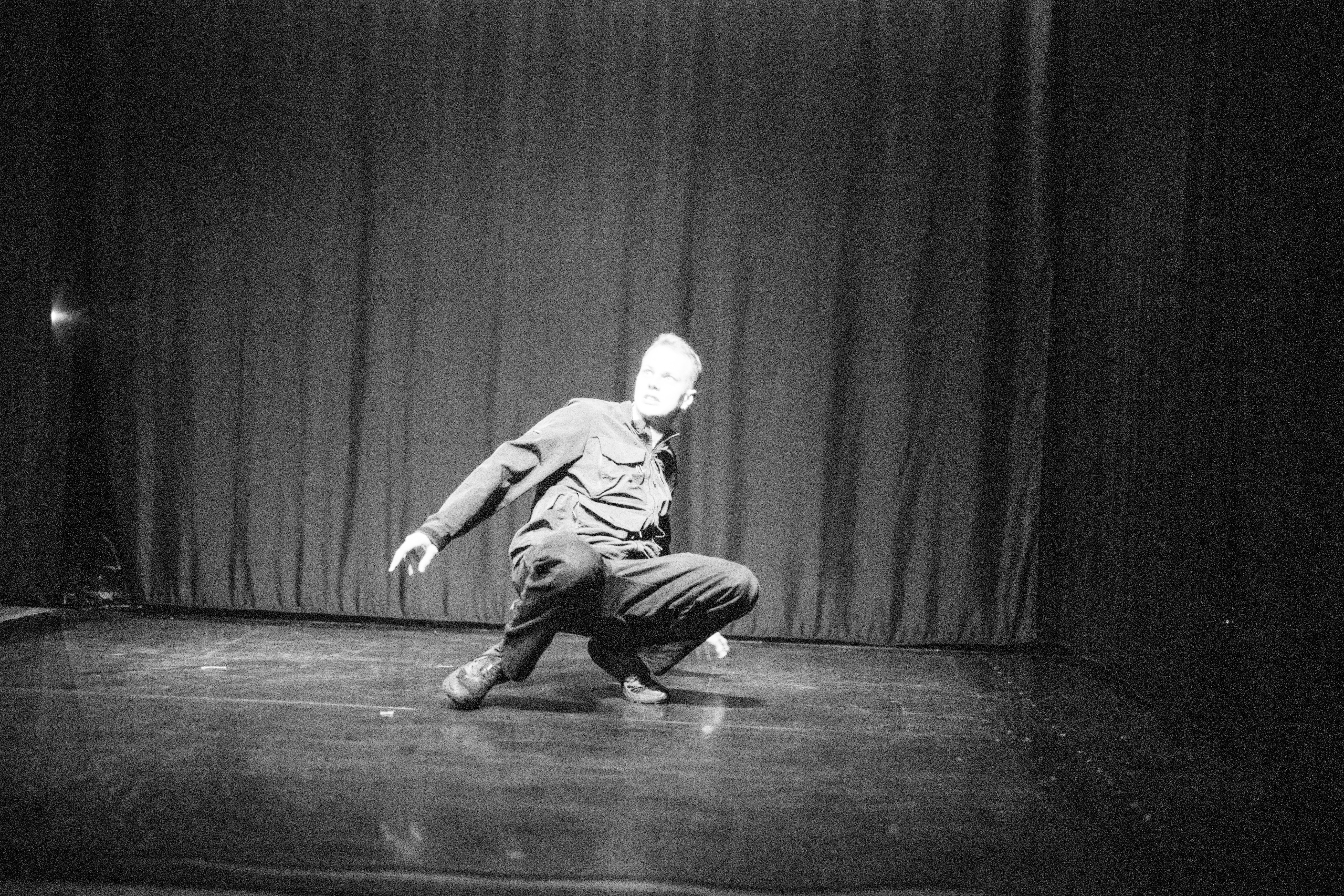
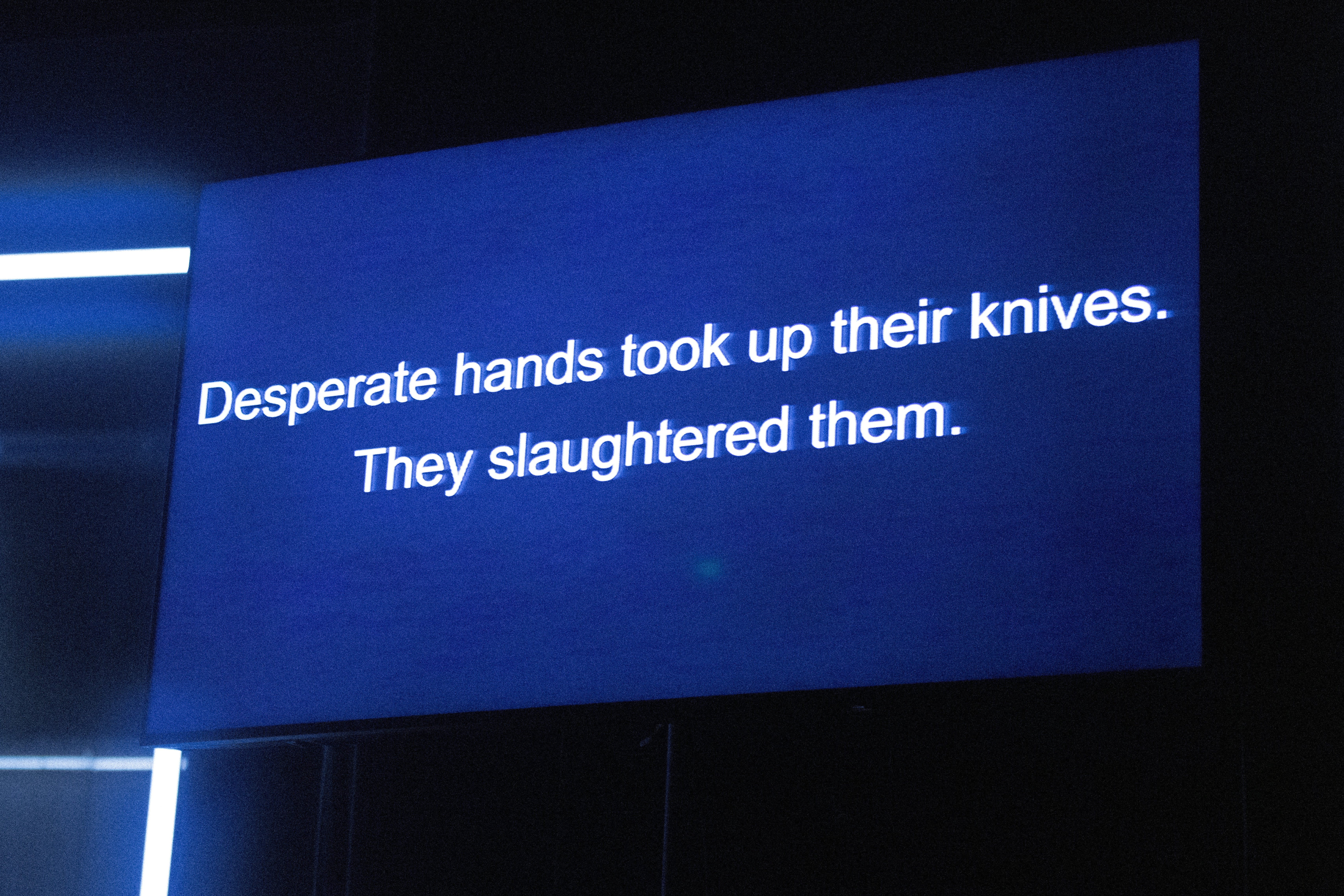
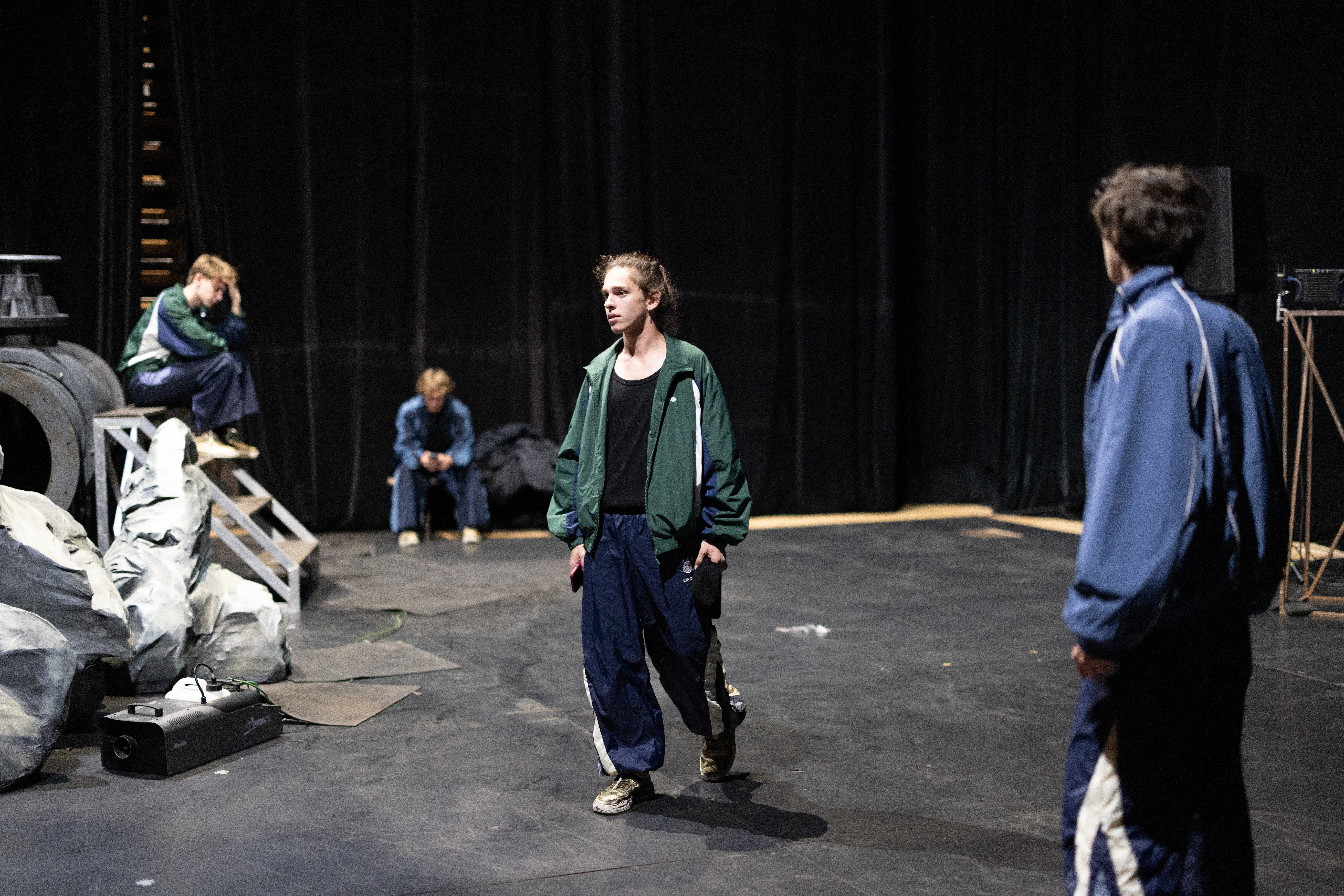
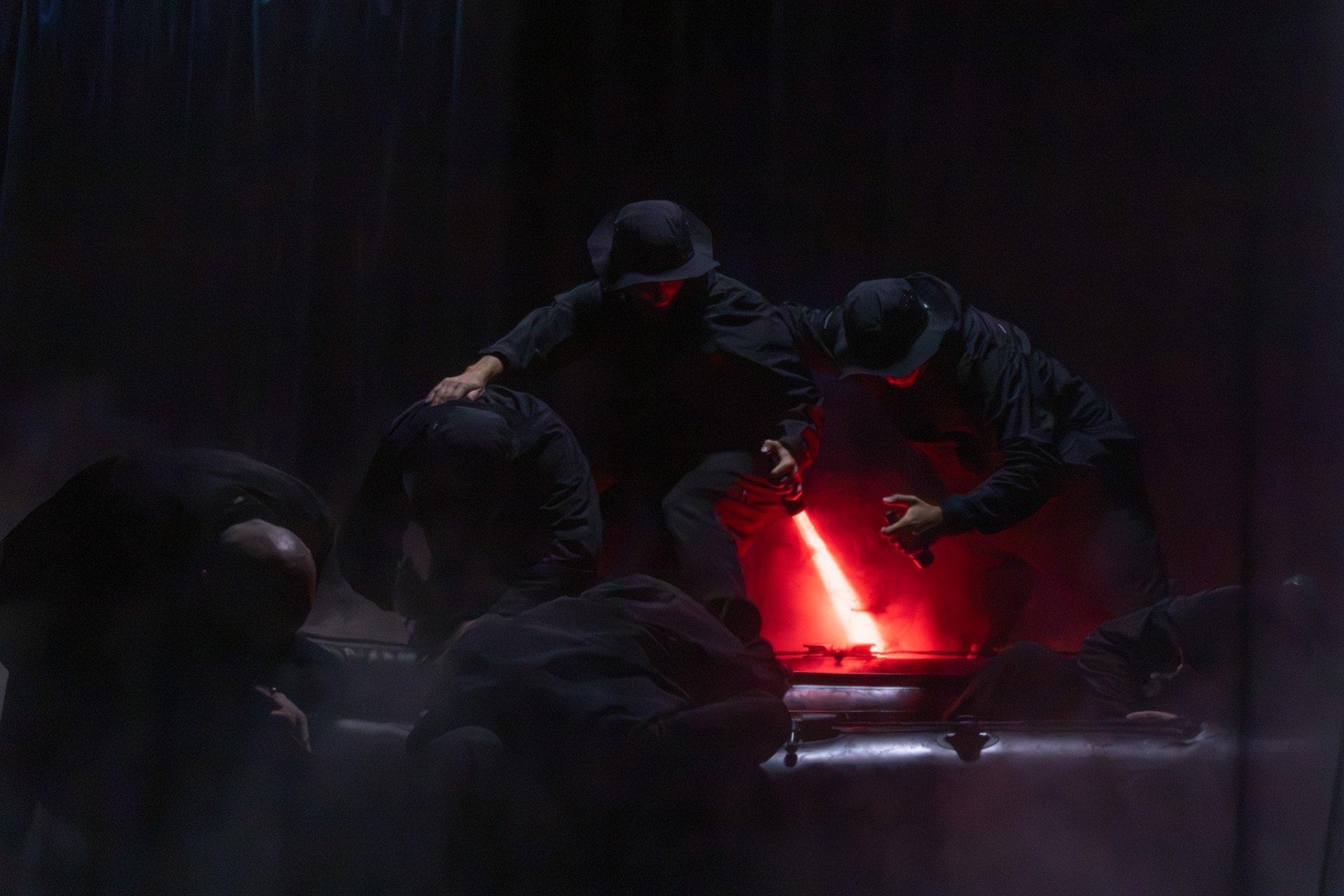
A joint project of the Ivan Franko National Academic Drama Theater and the Ukrainian National Guard of Ukraine Azov Corps, the production originated from an idea by Azov itself. Its text was written by Oleksii “Fish” Dorychevskyi, an Azov serviceman, drawing on conversations with the defenders of Mariupol—a city on the shores of the Sea of Azov, or Maeotis, as it was known in ancient Greek. Now under Russian occupation and forever marked by the devastation of war, Mariupol gives the title another, deeply contemporary resonance.
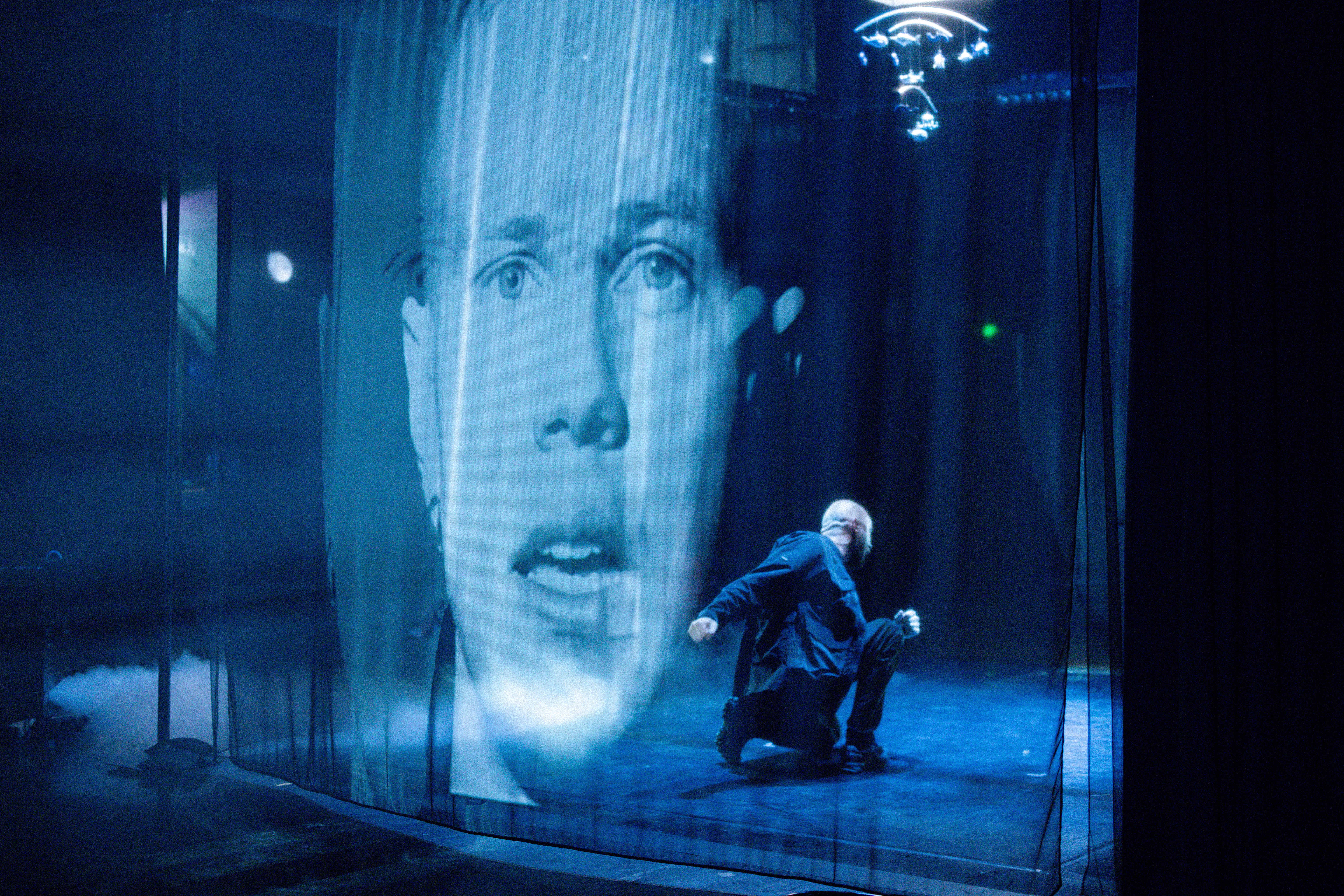
At the heart of Odyssey. Maeotis is the idea of returning home—a journey through the storm that becomes one of the production’s central motifs. Through the language of theater, it reimagines and reflects on the painful experiences shared by so many Ukrainians: the long wait for loved ones to return from war, the weight of memory, and the pain of loss. Throughout the production, these themes unfold against a constant struggle between darkness and light.
When the journey becomes personal
For the actors themselves, the realities of war make it impossible to approach their characters without drawing on their own experiences. For Daniil “Kultura” Mireskin, an Azov officer, who plays Odysseus and also served as the production’s military consultant, that connection was painfully direct.
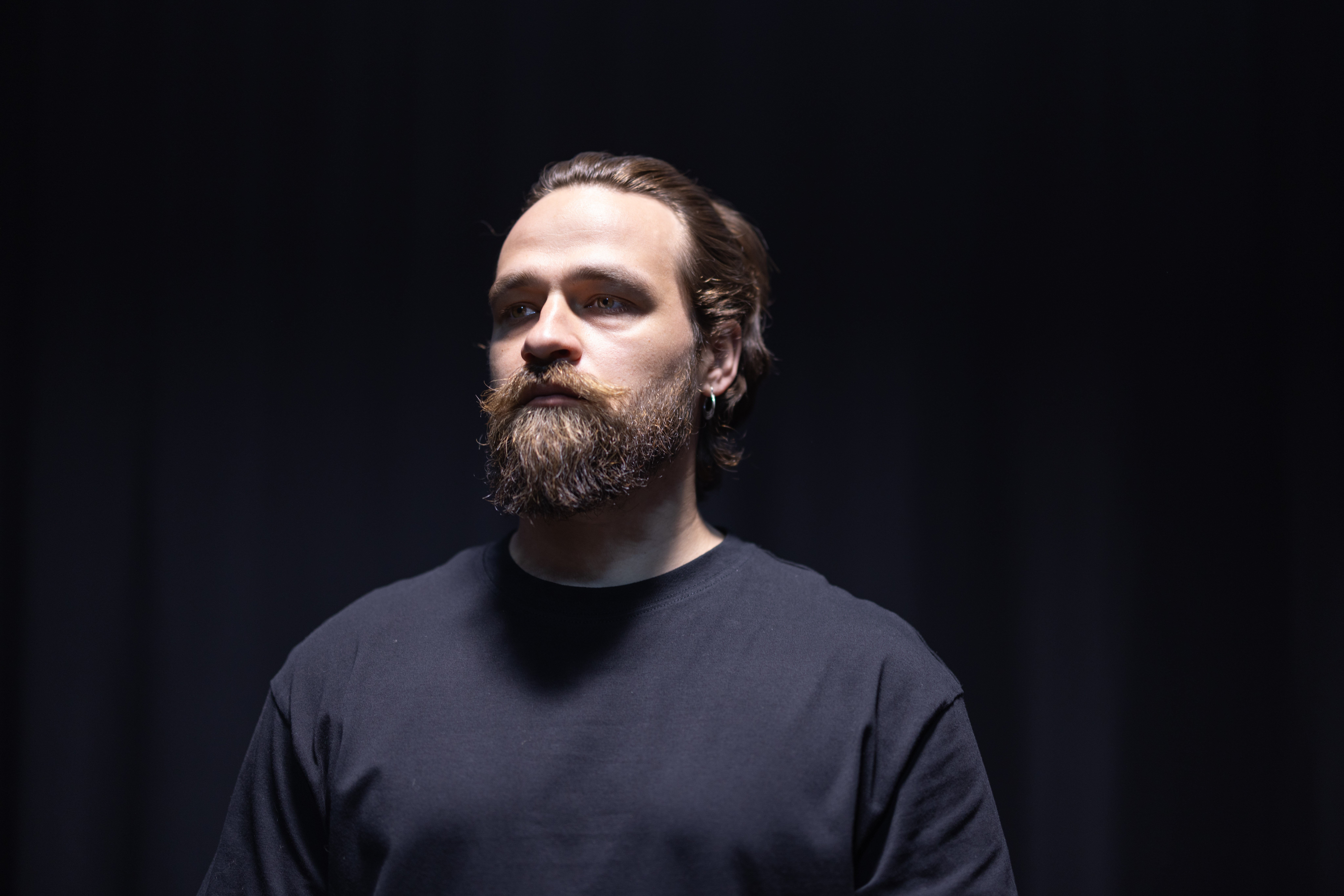
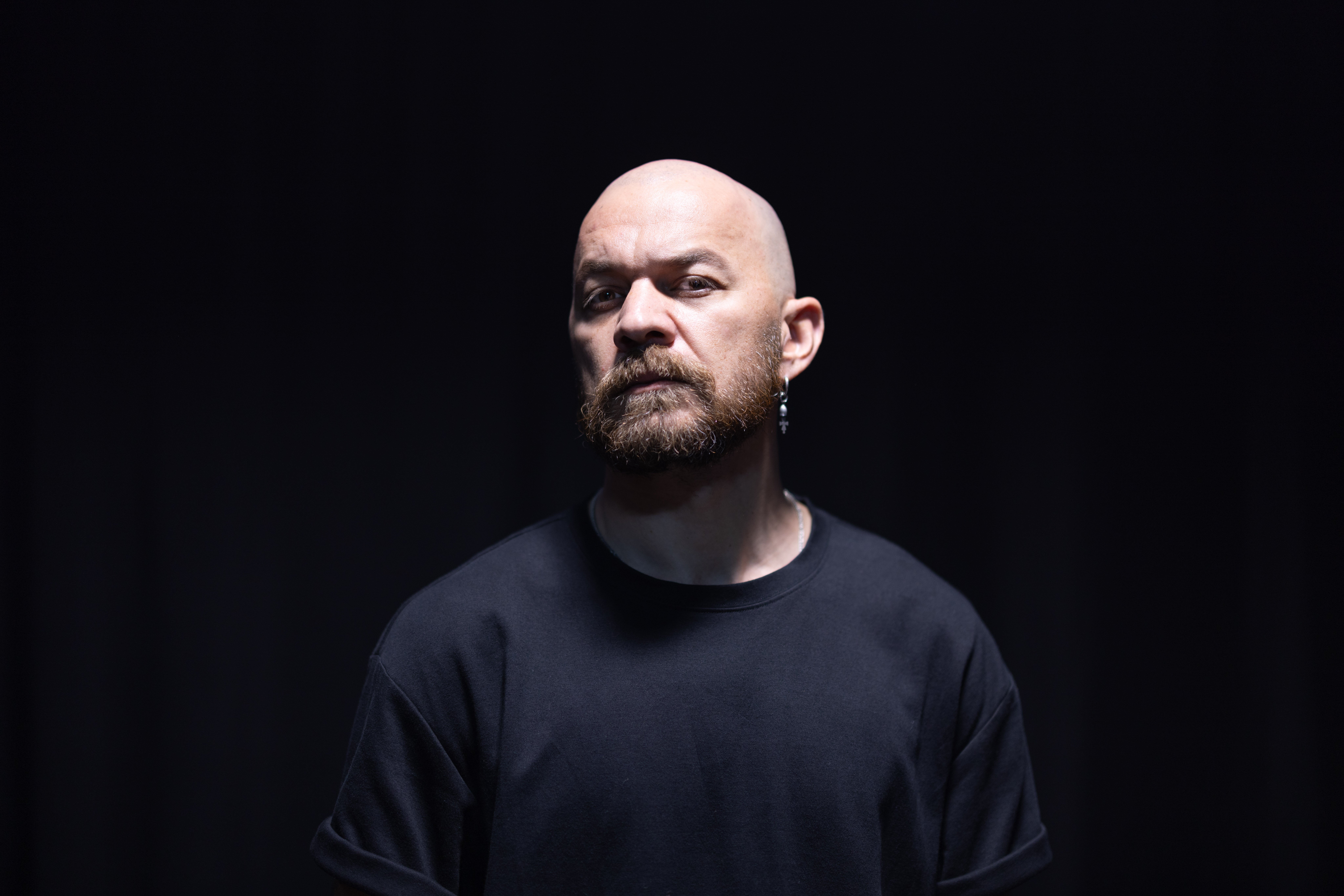
My military experience became the foundation of this role for me. Оne of the forces driving Odysseus, at least in our story, is guilt of not being able to save your brothers in arms. It is a deeply traumatic experience that stays inside you, and I think it guides Odysseus in many ways. The difficult part was having to return to this experience again and again.
Daniil “Kultura” Mireskin
actor, Azov officer
"These are things you rarely talk about in everyday life, and certainly not with many people," he says. "But here, I had to bring something deeply intimate into the open and make it accessible to the entire team, and eventually to the audience."
For the cast, the line between playing a character and drawing on lived experience is often blurred. Daria Leheida, who plays Penelope, has a husband serving in the military. Akmal Guryezov, who plays Odysseus, has a mother living in Russian-occupied territory. And the home of Olena Khokhlatkina, who plays Anticlea, Odysseus’s mother, was destroyed in Donetsk. Their personal stories inevitably become part of the characters they portray, giving the ancient myth a personal dimension.
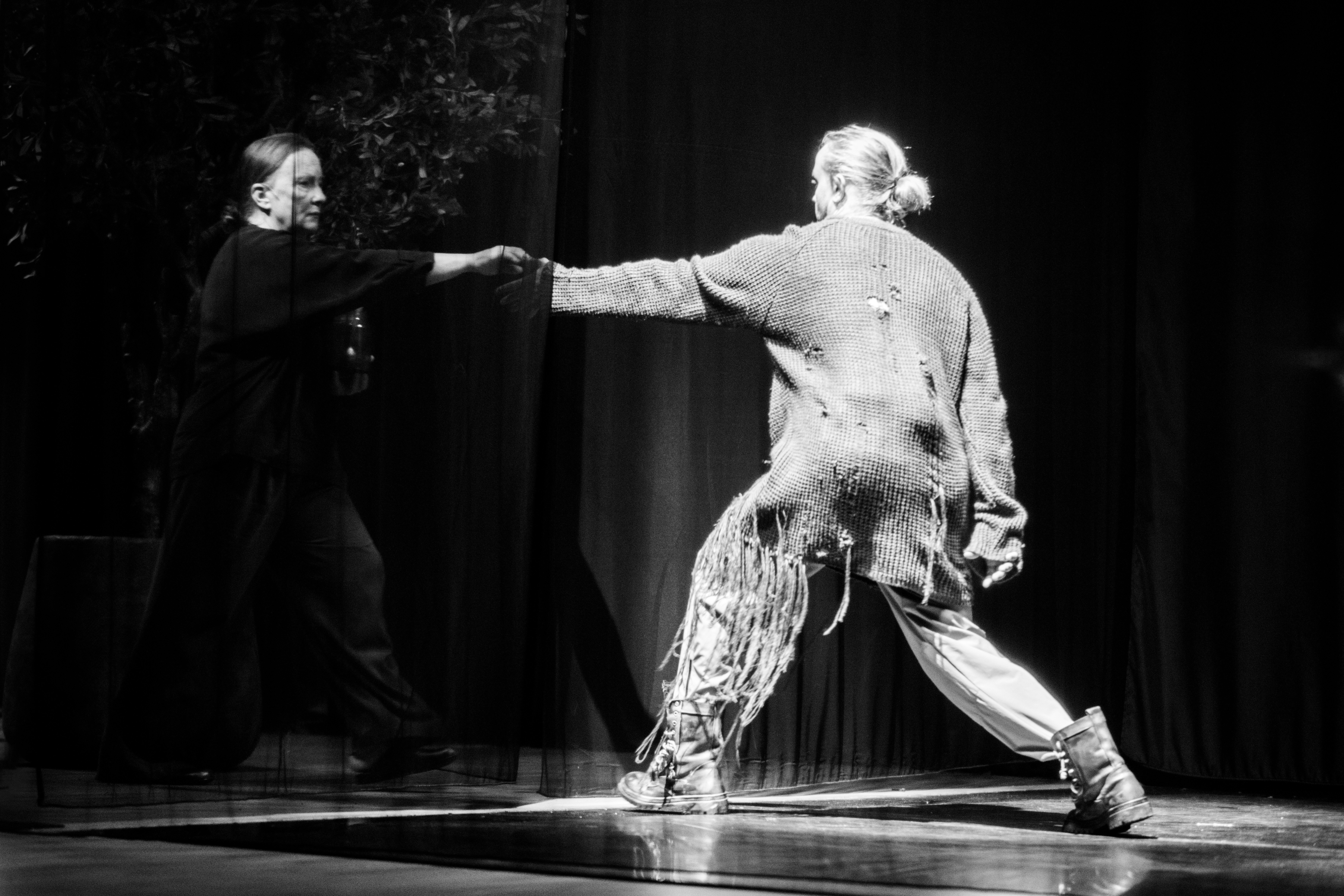
Although the play was born from conversations with the defenders of Mariupol, Odyssey. Maeotis does not attempt to document the war. It uses myth as a language through which experiences that are often difficult to articulate directly can be explored.
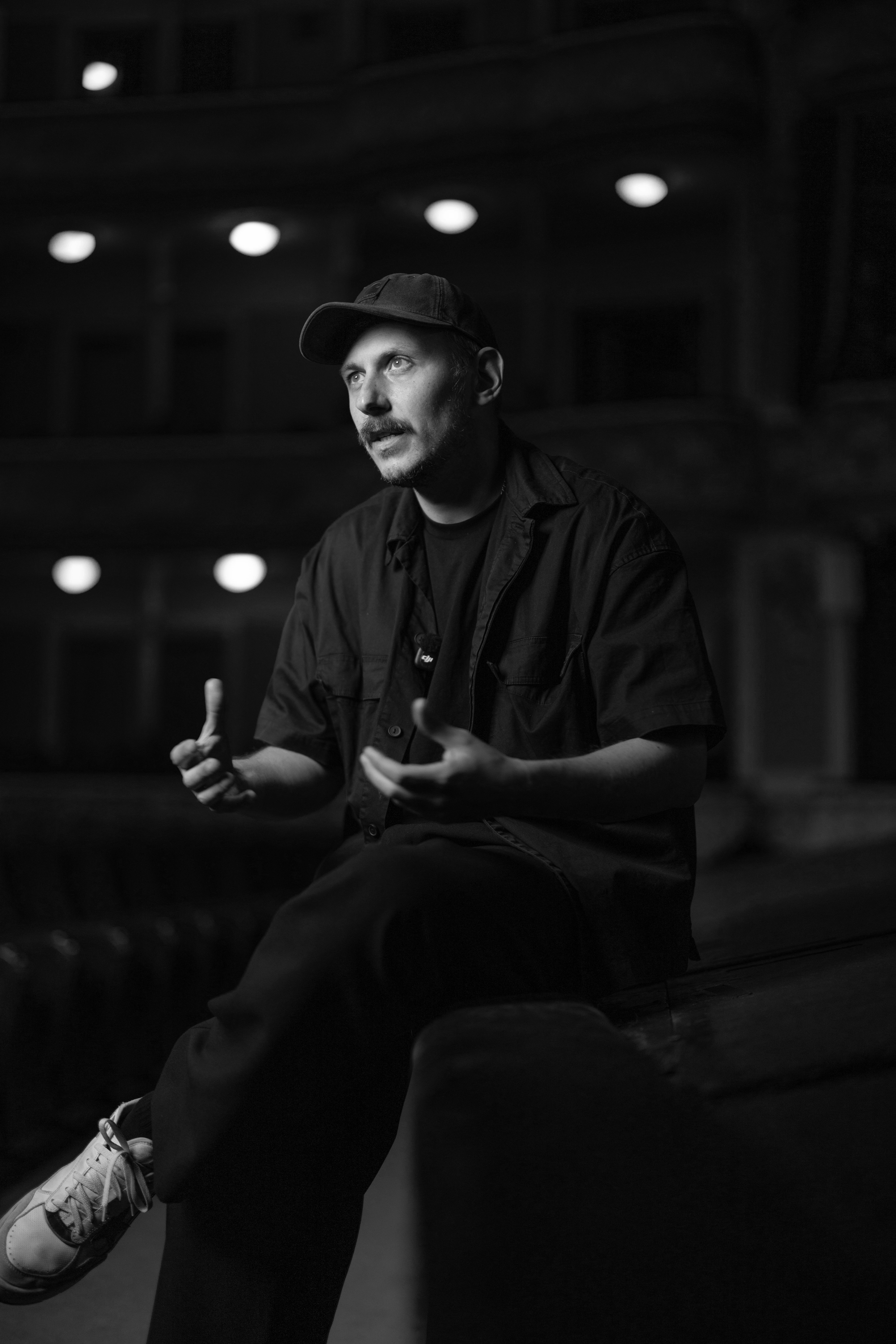
This is an attempt to explore important themes, memory in particular. A kind of fantasy built around something both significant and painful. We chose to approach it through metaphors and imagery, even within the text itself.
Ivan Uryvskyi
Odyssey. Maeotis Director
And yet the realities of war repeatedly find their way into the production through details drawn directly from military experience. For instance, at one point, a military chant rings out: “Fortune favors the prepared.” The phrase was brought into the production by Mireskin and belonged to Captain Mykhailo “Mishania” Zharkov of the 12th Azov Brigade, who was killed while defending Ukraine.
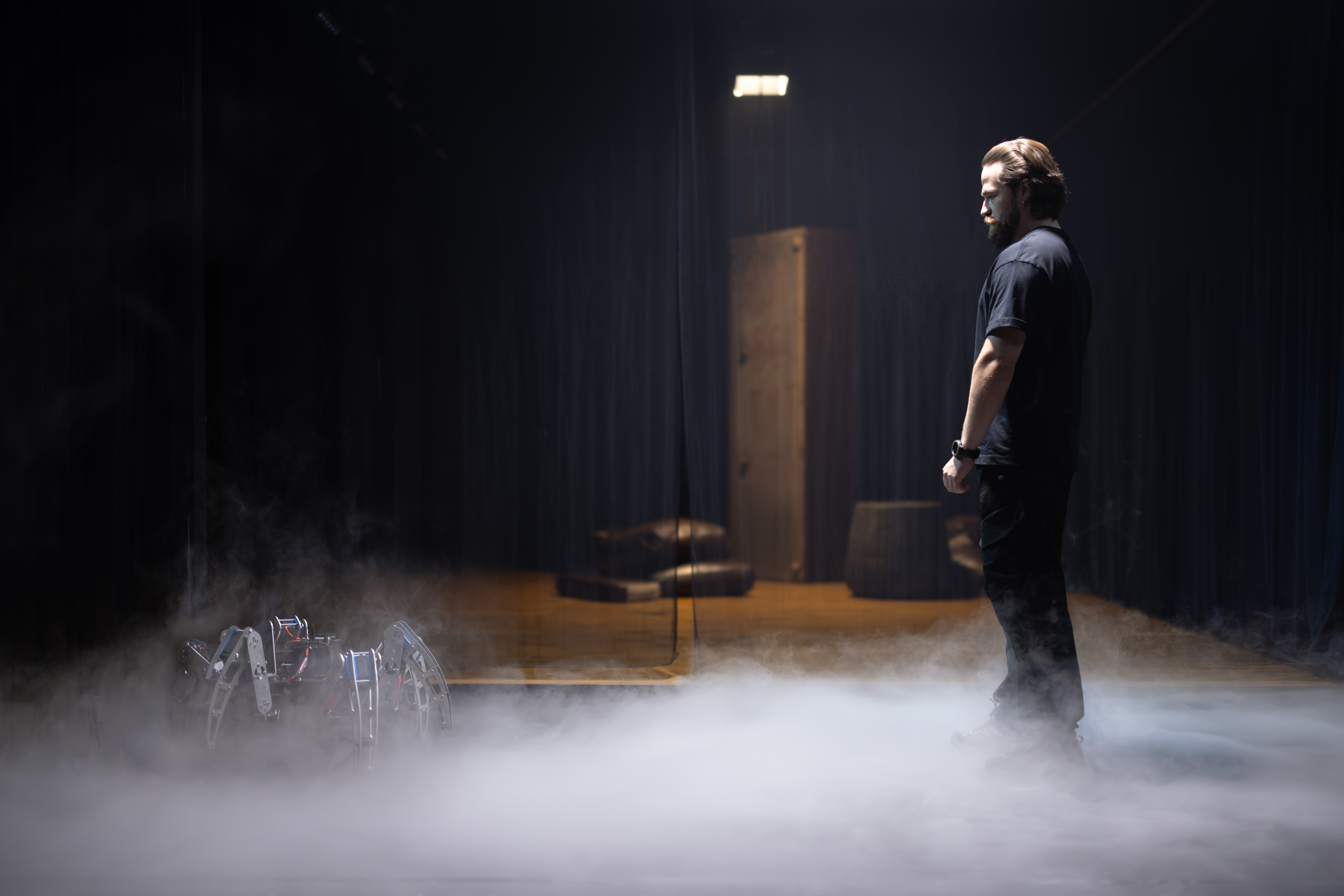
Ancient gods, modern machines
The production is striking in its use of technology—a language that has become characteristic of director Ivan Uryvskyi and set designer Petro Bohomazov. For Odyssey. Maeotis, engineers from the Azov Corps created a giant spider-like robot constructed from the wreckage of Shahed drones. In another scene, a drone takes flight above the stage, further blurring the line between the world of the ancient epic and modern warfare.
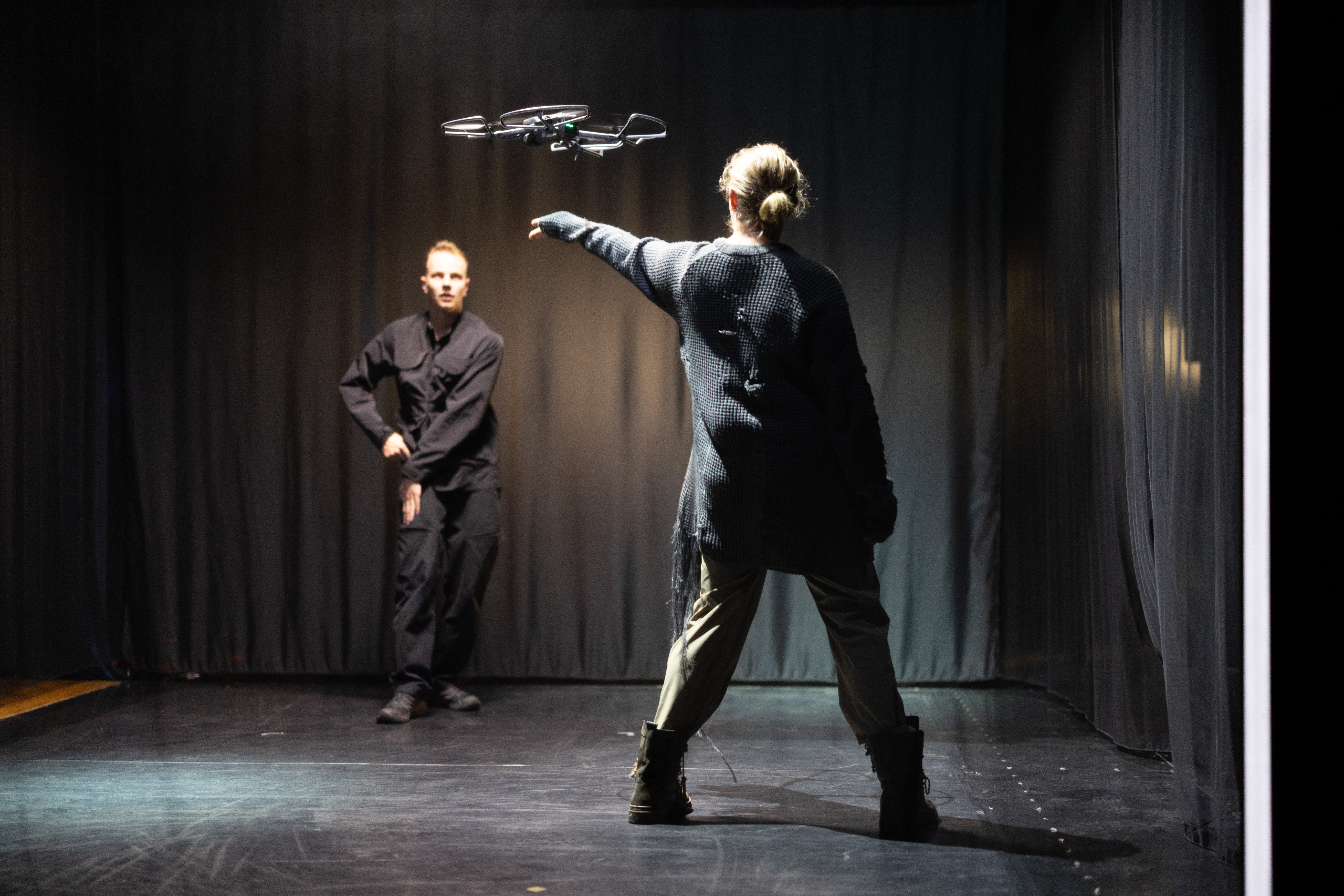
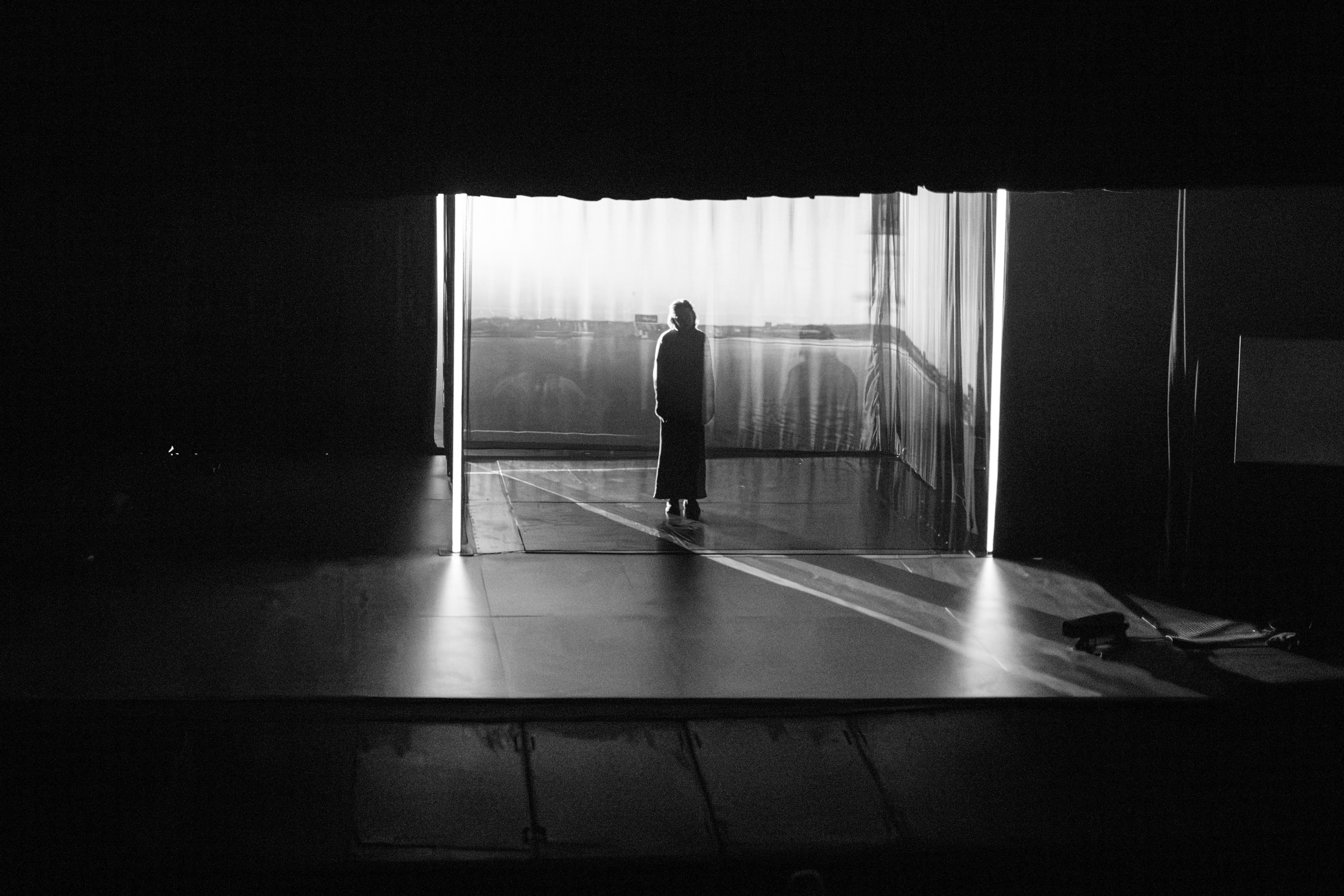
The stage itself is divided. “There are two worlds in this story: Odysseus’s world—the world of those who leave and eventually return—and Penelope’s world, the world of those who wait,” says Uryvskyi. “These two realities cannot fully meet. It was important for me not to speak only about Odysseus, but also about the people who remain beside him, waiting, carrying on with their lives, and bearing the weight of his absence.”
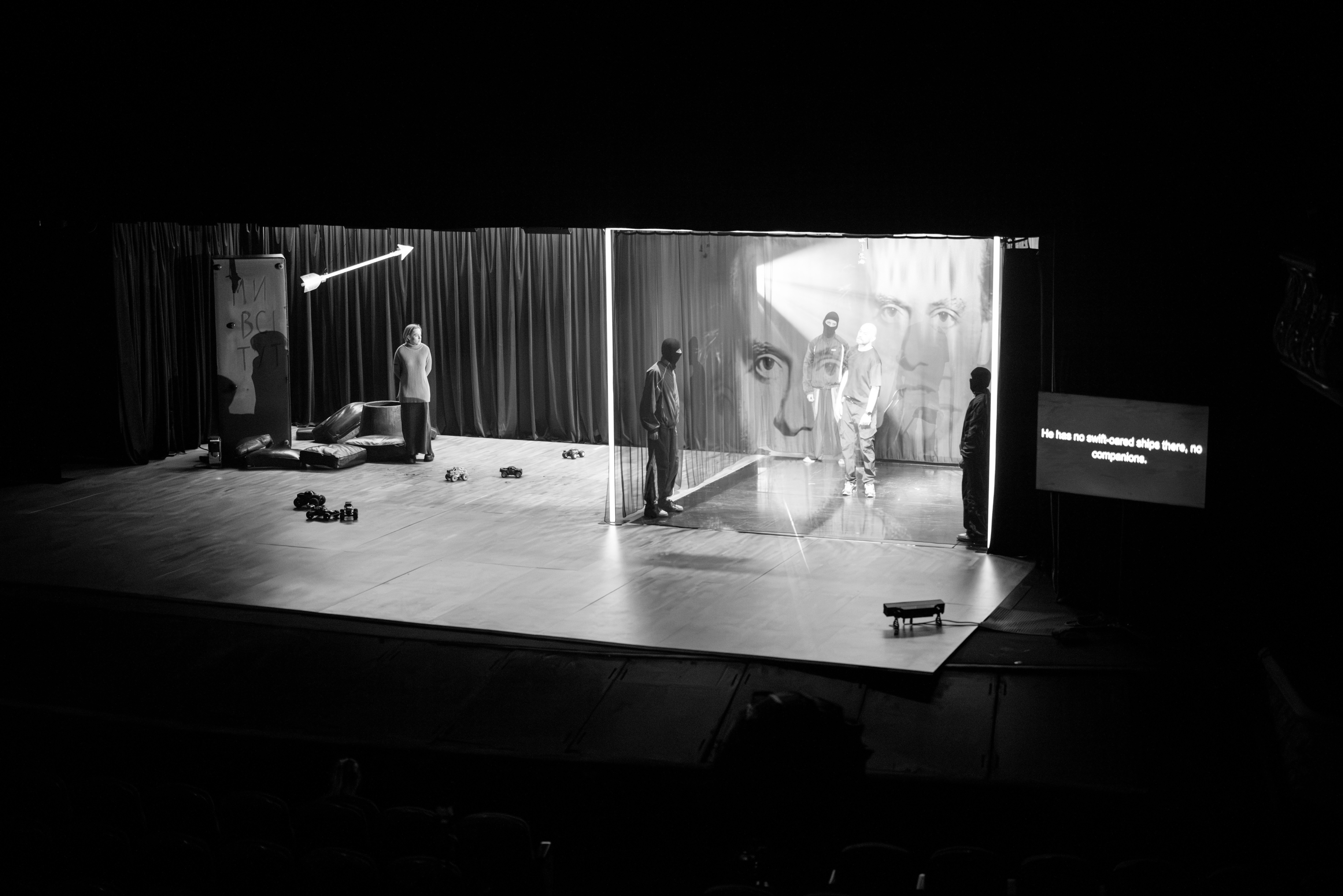
Despite the weight and complexity of its themes, the production is full of movement and unexpected shifts in tone, balancing moments of humor with scenes of tension and profound emotion. The costumes carry that same playful spirit, bringing together the familiarity of vintage tracksuits with the modern aesthetic of Ukrainian brand Riot Division, a label loved by military personnel for its tech-driven approach to functional clothing.
And as the audience sits in rapt anticipation of the finale, the curtain unexpectedly falls, leaving the outcome of Odysseus’s journey unknown. Ultimately, the ending belongs to us: we decide whether darkness or light will prevail. And, against all odds, we choose to believe in the latter.
Discuss this article:


-e00d178a31a987cd514e15ad3a8c2131.jpeg "Max Klymenko wearing the Etnodim, featuring embroidery inspired by traditional Ukrainian crafts. (Source: Ian Treherne)")

-e88c01988249cd60b6f04f79d29156b7.jpeg "Damage to “Cosmogony,” the largest painting in Ukraine, following a Russian drone attack on Lutsk on October 13, 2026. (Source: @sashyyna/Instagram)")
-480d70a36b9b34492b0b32ca04af4489.jpg "People attend the funeral ceremony of the famous Ukrainian writer Victoria Amelina at the Garrison Church, in Lviv, Ukraine, on July 5, 2023. (Source: Getty Images)")