- Category
- Culture
What Happens When Ukrainian Artists Start Singing to the World
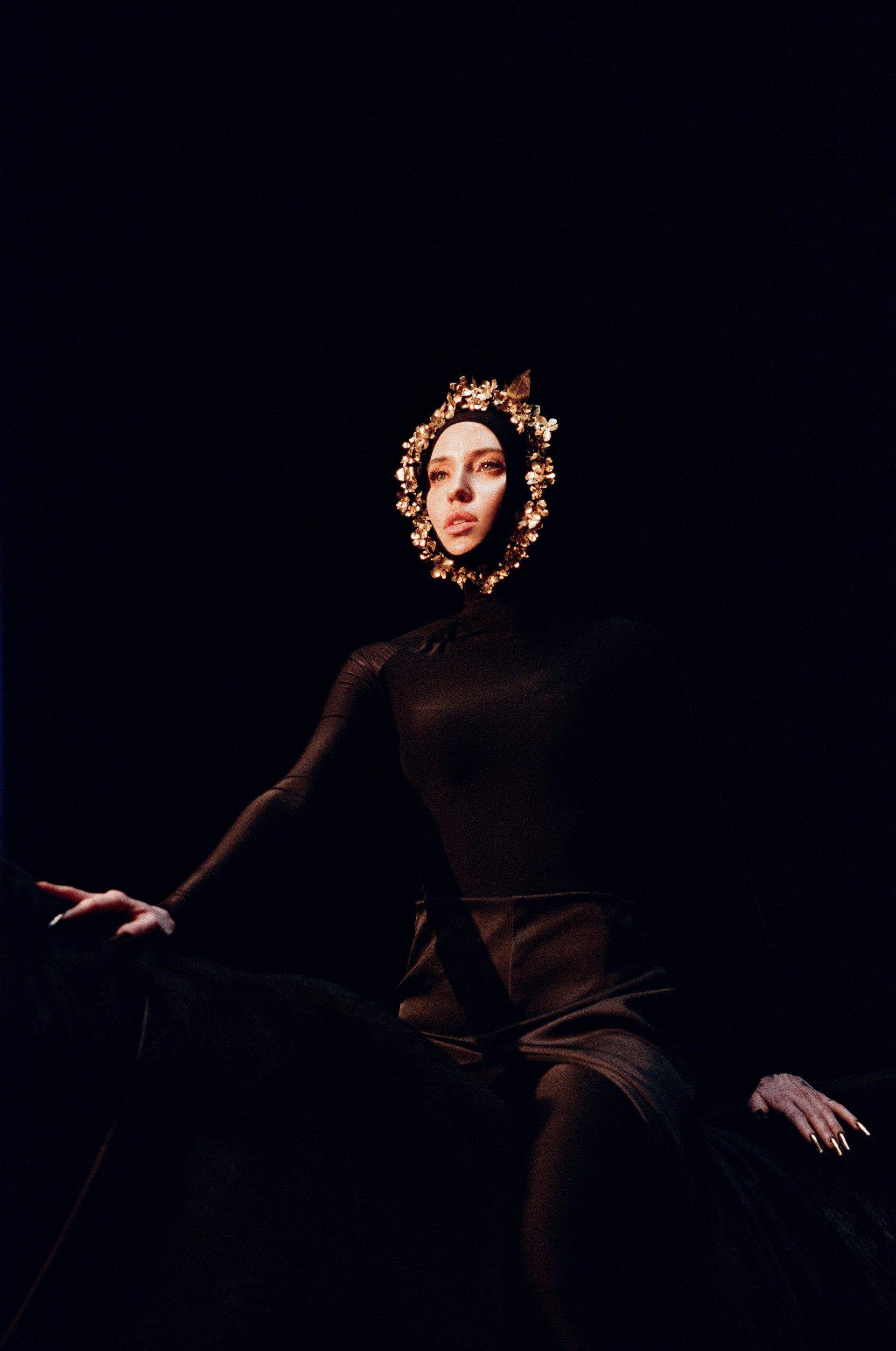
Sometimes, the chorus starts in English, and sometimes, the next verse turns to Ukrainian. For a growing number of Ukraine’s biggest artists, that blend has become the soundtrack of a nation determined to tell its story to the world.
 Prefer U24 Media on Google
- Authors


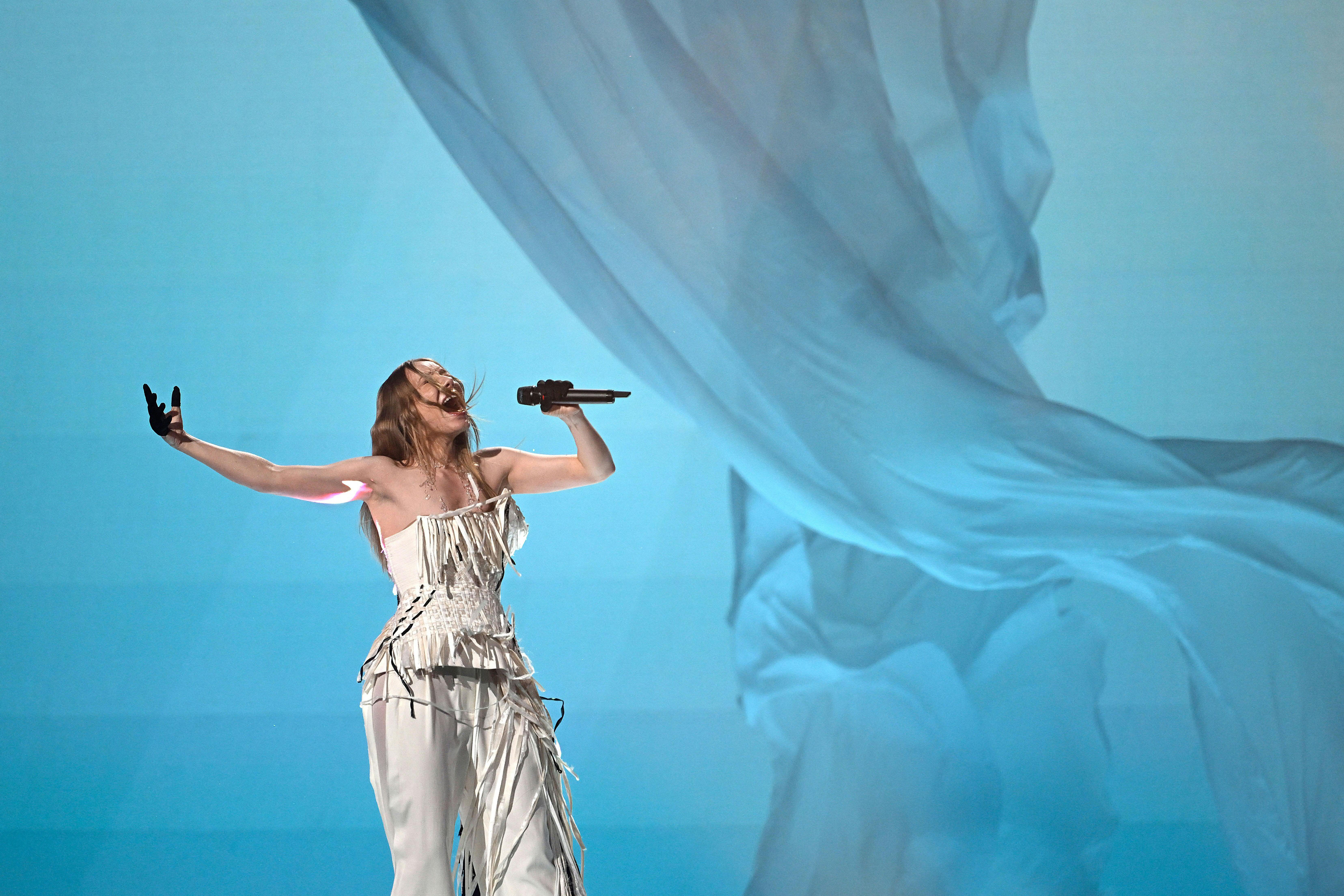
With another Eurovision song contest now over, musical mash-ups are in the news again. When Leléka took the Eurovision stage this year, she switched between Ukrainian and English.
Her song, "Ridnym" ("To Loved Ones"), is a moving dedication to friends and family, and to hope for a more peaceful future amid the terror and displacement brought by Russia’s war.
"When all the seeds we’ve sown / Blossom and lead us home / We’ll see the trees grow even taller," Leléka's song says.
But the language shift is not limited to Eurovision. Other Ukrainian artists are embracing English to engage listeners abroad.
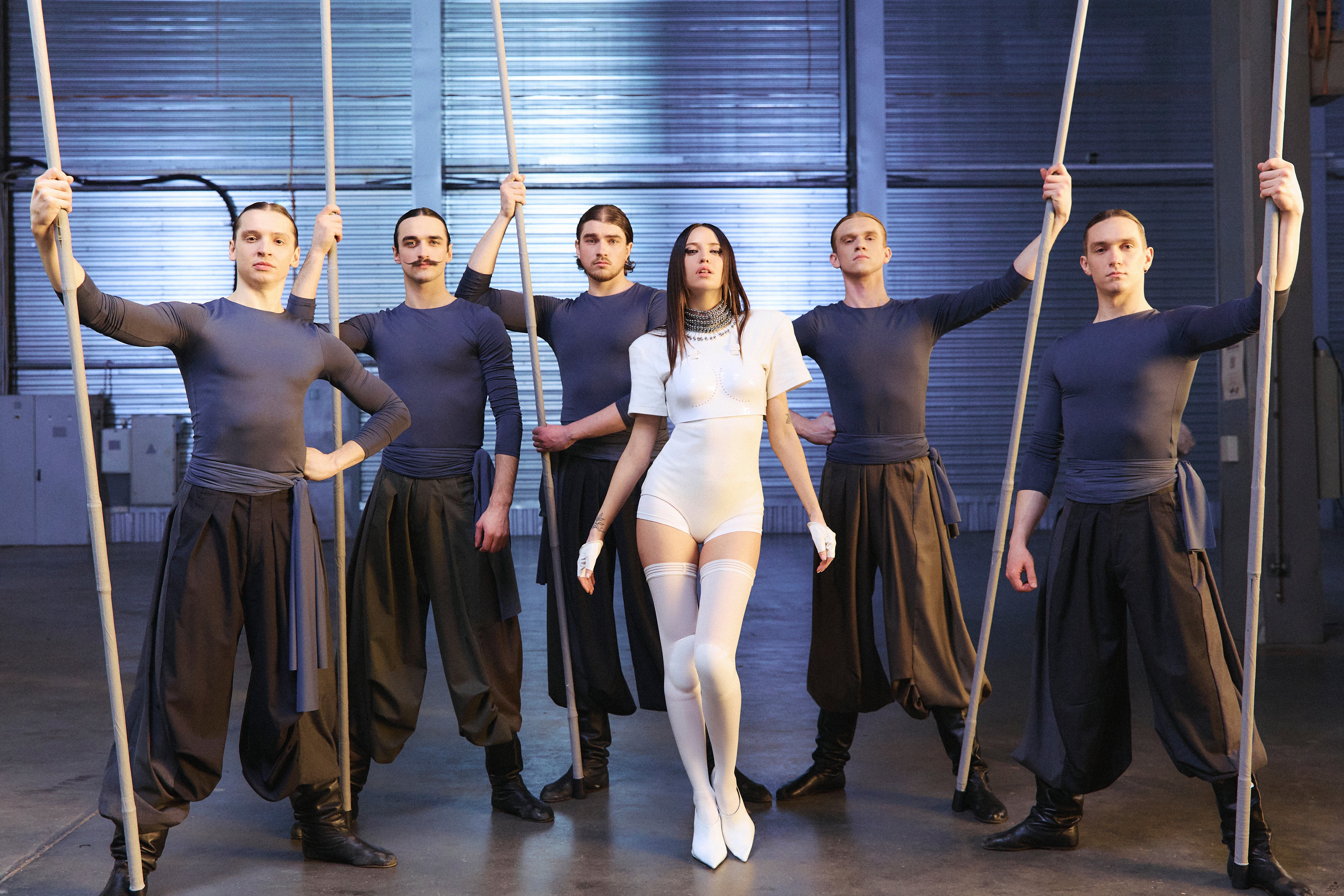
For years, pop superstar Dorofeeva was one of Ukraine’s biggest Russian-language singers. Today, she releases music in Ukrainian and English. When Jerry Heil stepped onto the stage of Kyiv’s Palace of Sports in April, she addressed the audience in English after air raid alerts interrupted preparations for the show. The folk-electronic artist Alina Pash has embraced English, too. And this shift is visible across genres and generations of Ukrainian artists.
Why are so many Ukrainian artists now singing in English?
Connecting through English
“An English-language release, for me, isn't just a creative experiment or a way to reach a new audience,” Dorofeeva said, speaking with UNITED24 about her first-ever English-language single, Feel the Heat. "It's also an opportunity to speak to the world directly. English is a language most people understand… [They] don't just hear the music—they immediately feel what you're trying to say."
Dorofeeva embodies Ukraine’s turn away from Russian language and cultural identifiers. Since the start of Russia’s full-scale invasion in 2022, she, like many Ukrainian performers, has stopped singing in Russian.
That move reflected a larger national shift, in which ordinary listeners consumed more Ukrainian- or English-language music. According to a Ministry of Culture study released in November found that, before the full-scale invasion, music in Ukrainian accounted for a third of total music consumed in Ukraine. In 2025, that figure stood at 57%, the study said.
Nearly 80% of Ukrainians listen to some English-language music, 16% to other languages, and just 12% to Russian, the study found.
In essence, a new generation of creatives and consumers have embraced Ukrainian, English, and other language formats.
Dorofeeva collaborated with UNITED24 for a “Feel the Heat” promotional video, which also raised funds for the media organization’s “Sky Defense” campaign, in support of Ukraine’s air defense capabilities. The joint effort has already raised more than $80,000.
Leléka and Dorofeeva are not the only Ukrainian artists choosing English as a means of global expression. In April, the artist Jerry Heil, who has also released war-themed songs in English, hosted a sold-out concert at Kyiv’s Palace of Sports.
-213c839ba4b6f7bad401acf62b43fd48.jpeg)
Speaking in English at the event, the singer talked about the difficulties of organizing a concert amid conflict. Preparations for the show were interrupted when air-raid sirens went off—but the performers took the stage again as soon as possible.
“But this is for me what it means to be Ukrainian,” right now, Jerry Heil said. “And I’m very proud of it.” The show raised more than $900,000 for the Ukrainian military.
The evening united artists from Ukraine and other parts of Europe. Nemo, a Swiss singer who won Eurovision in 2024, and Irina Rimes, a Romanian artist, joined the Ukrainian headliner on stage. Jerry Heil represented her country at Eurovision in 2024, alongside Alyona Alyona, a Ukrainian rapper who also performed at the Palace of Sports last month. Jerry Heil debuted her single “Dark Disco,” with lyrics in English as well as Ukrainian, during the concert.
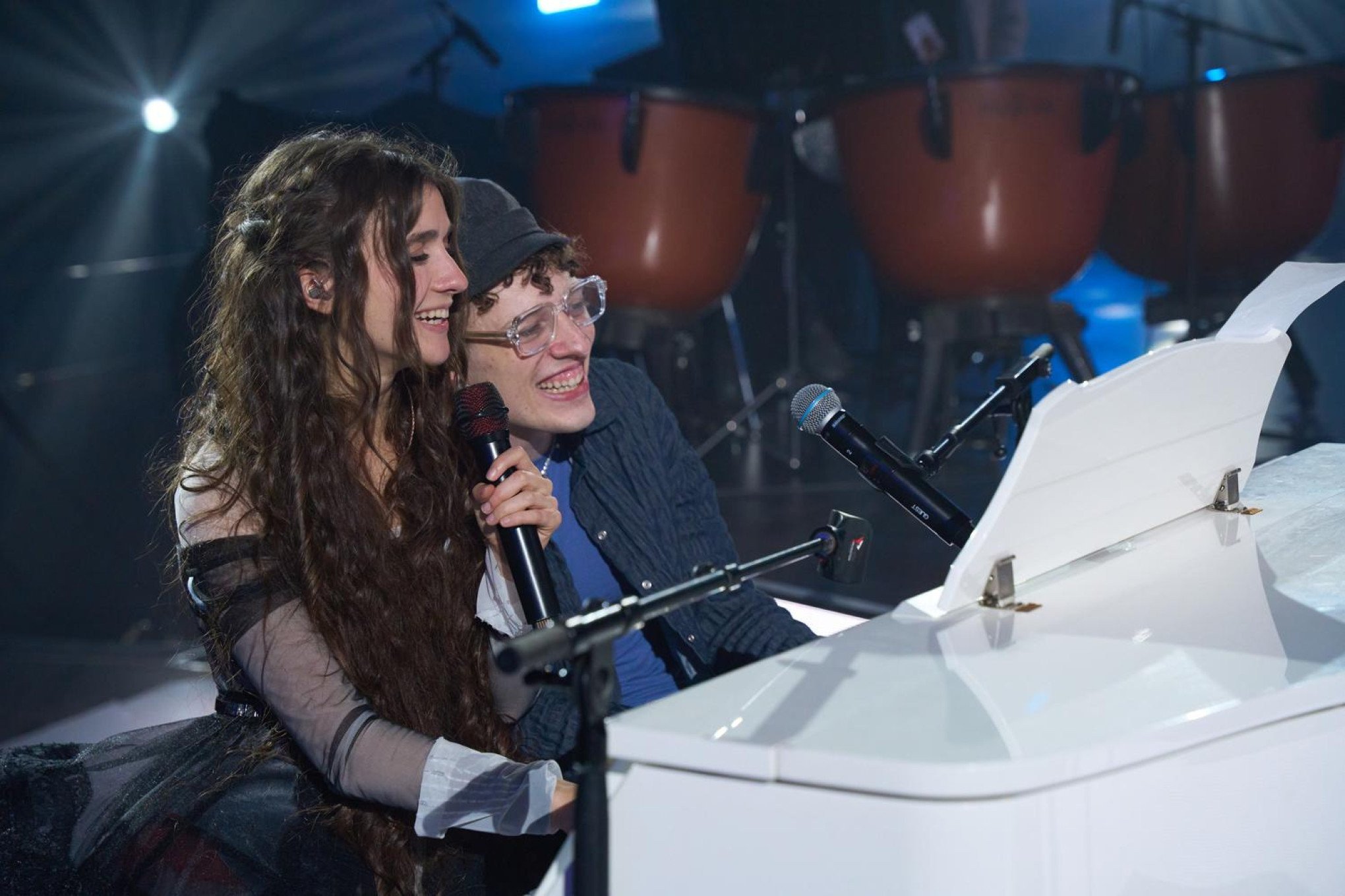
Fans of one artist became new fans of other artists, as a collective use of English helped connect music-makers and their listeners across cultures and borders.
A longer trend, accelerated by war
If Ukrainian artists’ embrace of English has accelerated since the start of full-scale war in 2022, the trend actually stretches back years.
Last October, the electro-folk-pop star Olya Polyakova released “Warrior,” an all-English song that channels a superhero persona and the bravery that Ukrainians, on and off the front lines, have to find in themselves every day. Polyakova is currently at work on a full-length album of tunes in English. Polyakova, like Dorofeeva, used to perform in Russian; she has used English and Ukrainian since 2022.
In 2024, Jerry Heil released #AllEyesOnKids, a track dedicated to one of the many children whom Russia has abducted from occupied areas and deported illegally to Russia.
“I want this track to be the voice of every child dreaming of returning home,” the artist said. She hopes that the choice to sing in English will help spread awareness of the child-abduction issue around the world.
The same year, Okean Elzy—Ukraine’s analog to U2, and for decades the country’s most popular rock band—released “Voices Are Rising.” The single, and its accompanying album Lighthouse, represent the band’s first album-length record in English.
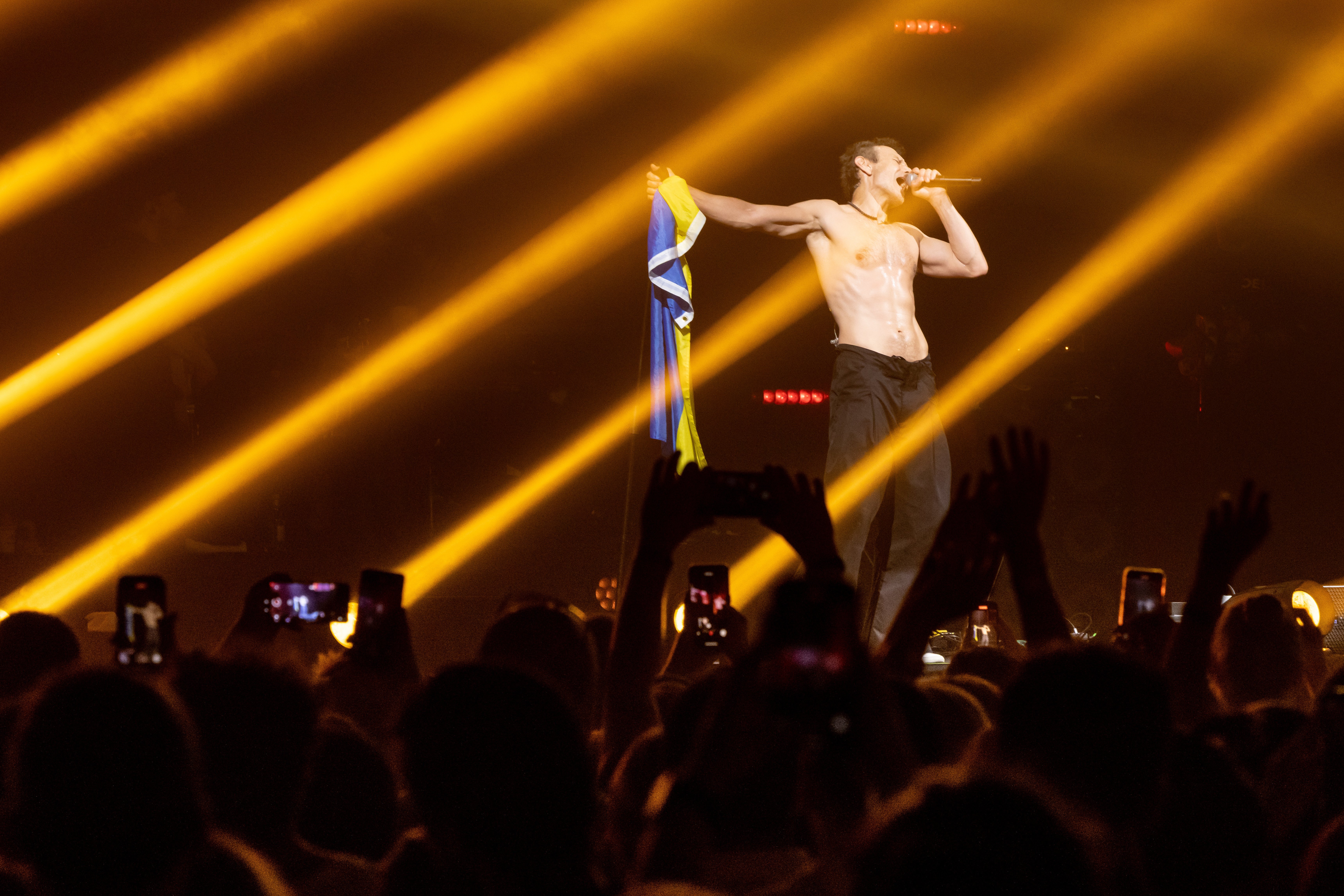
In a sign of the respect Ukraine is earning in global pop platforms, Eurovision-focused independent media have rallied around Ukraine’s past and present performers. William Lee Adams, the founder of Wiwibloggs, a leading Eurovision blog that has tens of millions of social media views, spoke highly about Leléka. For Adams, the use of English and Ukrainian is what gave this year’s Ukrainian entry its strength.
“She sings in English, then in Ukrainian, then in English, then in Ukrainian… That’s very effective,” Adams said. “It makes everything more powerful by mixing the two flavors.”
Adams has made his positive take on Ukraine’s Eurovision legacy a personal one. The title of his 2023 memoir, Wild Dances: My Queer and Curious Journey to Eurovision, refers to Ukraine’s winning entry from 2004. That year, the artist Ruslana sang “Wild Dances”—and became Ukraine's first-ever Eurovision champion. Like “Ridnym,” “Wild Dances” used both Ukrainian and English.
Bringing the world to Ukraine through music
Adams also sees artists like Leléka as a cultural bridge leading the other way: from the world to Ukraine. Global audiences can become aware of Ukrainian music through English, an English-and-Ukrainian mix, or Ukrainian alone.
This year’s Eurovision song, with its images of scattered seeds, can spotlight Ukraine for the world, he said – and sustain support for Ukraine in a long-running war. Adams praised Leléka’s use of vibrant Ukrainian symbols, like the sunflower, as elements of “a Ukraine resurgent in the face of a belligerent Russia.”
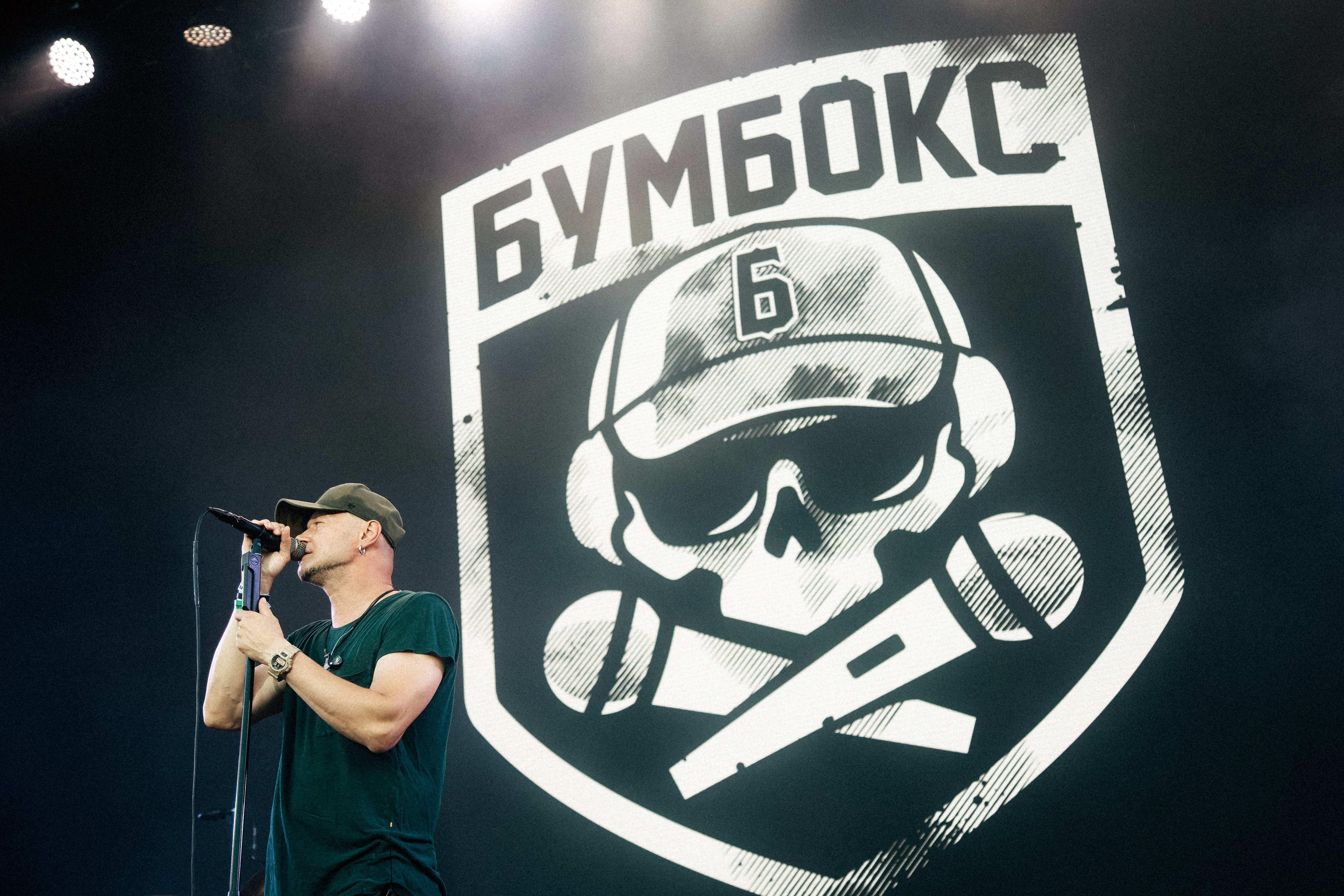
Other artists have embraced Ukrainian sounds since the start of the full-scale conflict. In April 2022, the legendary rock band Pink Floyd joined with Andriy Khlyvnyuk, frontman of the Ukrainian band BoomBox and now a servicemember of the Ukrainian Armed Forces, for the song “Hey Hey Rise Up.” With its title in English and lyrics reprising a Ukrainian patriotic song from the early 20th century, the collaboration shares Ukraine’s cause with diverse audiences.
In December of the same year, the British mega-group Coldplay, performing a concert in Warsaw, invited the Ukrainian musician Romario Punch on stage. Once Punch had tied a Ukrainian flag around a microphone stand, the artists together covered “Obiymy,” an Okean Elzy tune.
Another collaboration showed the global presence of Ukrainian music. Alina Pash, who blends folk, rap, and electronica, was credited with helping create the Ukrainian part of the Spanish pop star Rosalía's 2025 song "De Madrugá." American music mogul Pharrell Williams co-wrote and co-produced the track.
This January, Pash released the war-themed Hymns of Resilience EP with the Belgian artist Apashe. At a joint US concert in November, the two performed at the famous Red Rocks amphitheater. The result was a new kind of musical statement, in two languages.
“Red Rocks… my heart is still full,” Pash wrote after the show. “Singing in Ukrainian and English on that stage felt like worlds uniting.” Listeners discovering Pash that night probably felt the same.
Creating for a future beyond war
Looking ahead, Ukrainian artists want their use of English to bring Ukrainian expression to the world, defining their creativity for tomorrow while overcoming the bounds imposed by a war they never asked for.
“It’s very important to me that the people who hear this song feel their own inner strength, to change the reality around them for a better one,” in the future, Leléka said, speaking to Eurovoix News.
“I really want the world to see Ukrainians beyond the lens of war,” Dorofeeva told UNITED24. “And it feels like a really important moment for Ukrainian culture overall—when the world starts to see us not only through the news, but through what we create.”
Discuss this article:
-4a56a6b482ec132402c16ef6fcabf9a2.png)

-e00d178a31a987cd514e15ad3a8c2131.jpeg "Max Klymenko wearing the Etnodim, featuring embroidery inspired by traditional Ukrainian crafts. (Source: Ian Treherne)")

-e88c01988249cd60b6f04f79d29156b7.jpeg "Damage to “Cosmogony,” the largest painting in Ukraine, following a Russian drone attack on Lutsk on October 13, 2026. (Source: @sashyyna/Instagram)")
-480d70a36b9b34492b0b32ca04af4489.jpg "People attend the funeral ceremony of the famous Ukrainian writer Victoria Amelina at the Garrison Church, in Lviv, Ukraine, on July 5, 2023. (Source: Getty Images)")