- Category
- Defense Tech
America’s 48-Year-Old Nuclear Missiles Need Another Decade—So the Pentagon Is Calling in AI
 Prefer U24 Media on Google
- Authors


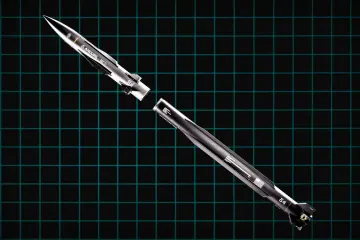
America’s Minuteman III nuclear missiles are approaching half a century in service, and the Pentagon is now looking to artificial intelligence to help keep them operational for more than another decade as their troubled replacement remains years away, according to Breaking Defense on August 10.
The land-based leg of the US nuclear triad consists of 400 silo-based LGM-30 Minuteman III intercontinental ballistic missiles.
We bring you stories from the ground. Your support keeps our team in the field.
The weapon entered service in 1970, and the final missile was produced in 1978, meaning even the youngest examples are now roughly 48 years old.
Yet the Minuteman III fleet is expected to remain operational for more than another decade while the LGM-35A Sentinel, its long-delayed and increasingly costly replacement, works toward operational readiness.
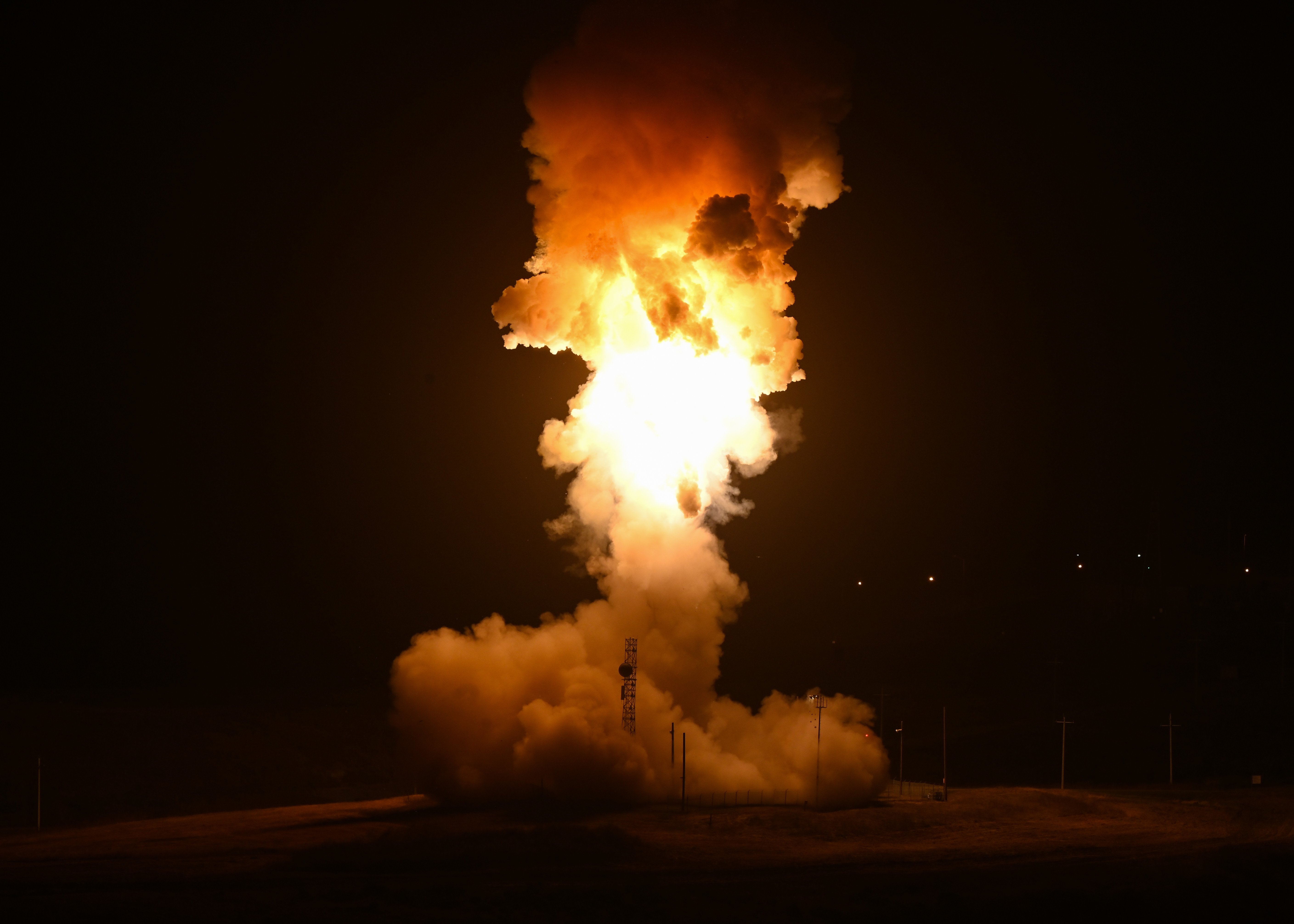
United States launched the Minuteman III silo-based intercontinental ballistic missile without a warhead. pic.twitter.com/qRVX6qlpPJ
— Clash Report (@clashreport) February 19, 2025
To help keep the aging missile force combat-ready, the US Air Force is exploring the use of agentic AI to manage maintenance and sustainment.
The Air Force has issued a request for information seeking proposals for an AI-based system capable of helping manage the enormous volume of maintenance data associated with the Minuteman III fleet.
According to Breaking Defense, information supporting the program is currently scattered across roughly 60 separate sources, ranging from local hard drives to shared networks, with no single organized interface providing access to all of it.
That fragmentation can significantly slow decision-making, including determining when individual components need to be repaired or replaced.
The proposed AI system would create a unified interface capable of accessing and processing information from those different sources, allowing maintenance personnel to retrieve and analyze relevant data much faster.
This is not the Pentagon’s first attempt to solve the problem. Previous efforts to build a unified maintenance-management system using conventional software approaches failed.
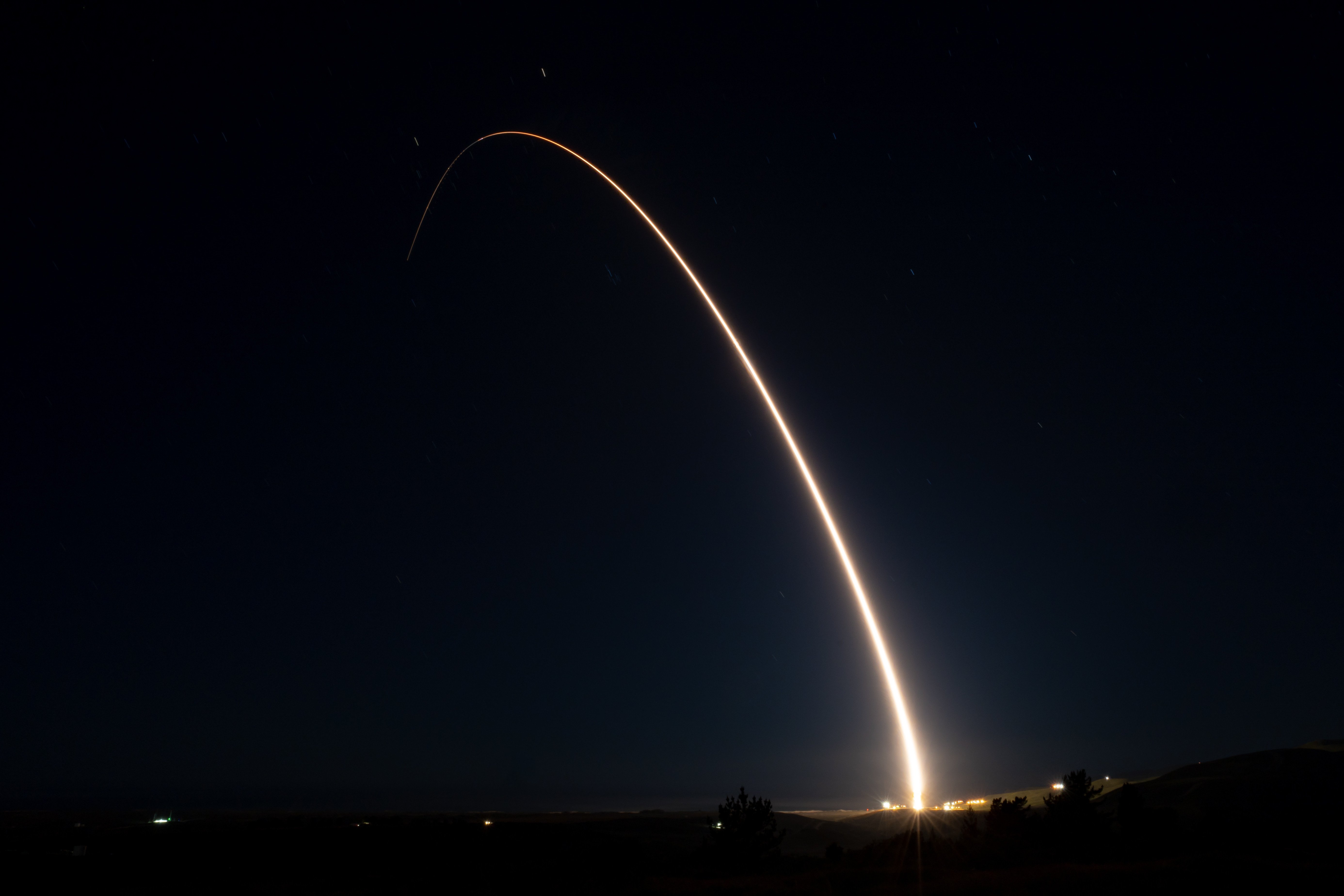
The United States conducted a test launch of the Minuteman III intercontinental ballistic missile
— Visegrád 24 (@visegrad24) May 21, 2026
The test launch of the Minuteman III ICBM from Vandenberg Space Force Base in California was carried out by the U.S. Air Force Global Strike Command. pic.twitter.com/y0u08zYdf1
The AI platform would initially work only with unclassified information. The Air Force eventually plans to expand its use to classified data as the system matures.
The US Department of Defense has already been moving rapidly toward wider military use of artificial intelligence. In May, the Pentagon announced plans to employ AI systems for work involving fully classified documents as well.
Companies responding to the Air Force request will be expected to provide concrete, measurable estimates showing how much their systems could accelerate data processing and what operational improvements they could deliver.

After reviewing those proposals, the Air Force plans to move toward a formal competition for the system.
The unusual effort highlights the challenge facing the US nuclear force: keeping hundreds of missiles designed and manufactured during the Cold War ready for duty well into the 2030s while waiting for the next generation of American ICBMs to arrive.
Earlier, the US Air Force Global Strike Command tested an unarmed Minuteman III intercontinental ballistic missile from Vandenberg Space Force Base in California.
The missile flew roughly 7,000 kilometers to a test range at the Kwajalein Atoll in the Marshall Islands, the command said.
Discuss this article:



-6ff4efaedd2092e0205aad37f9e7b98a.jpg "Illustrative image. US F-16 and Polish MiG-29 over Poland, 2005.")