- Category
- World
Western Nuclear Powers Outspend Russia Nearly 10 to 1 as Moscow Keeps Threatening Europe
 Prefer U24 Media on Google
- Authors


Repeated threats from Moscow to strike European countries with nuclear weapons are pushing Western governments to increase spending on nuclear deterrence and modernize their arsenals, The Moscow Times reported on June 9.
According to a report by the International Campaign to Abolish Nuclear Weapons, or ICAN, the 2017 Nobel Peace Prize laureate, all three Western nuclear powers increased nuclear weapons spending in 2025 at a much faster pace than Russia.
We bring you stories from the ground. Your support keeps our team in the field.
Total spending by the world’s nine nuclear-armed states rose by 19% to $119 billion, the highest level since ICAN began tracking the figure in 2020.
The United States recorded the largest increase, raising nuclear weapons spending by 22%, or $12.4 billion, to a total of $69.2 billion. That was more than all other nuclear-armed countries combined.
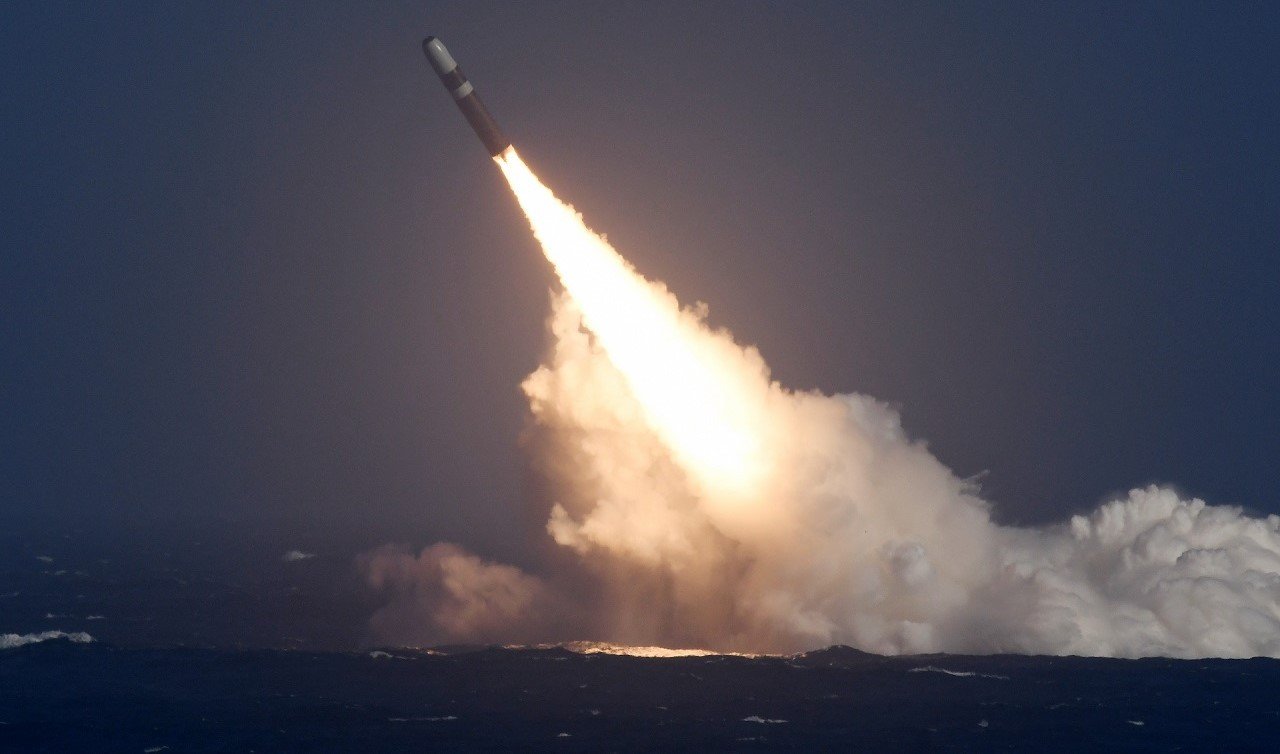
🇺🇸🚀"U.S. TEST FIRES 130,000-POUND NUCLEAR MISSILE"
— Defense Intelligence (@DI313_) September 24, 2025
The US Navy confirmed that an Ohio-class nuclear submarine tested a UGM-133 Trident II D5 ballistic missile off Puerto Rico on September 21. The launch, visible from the island, was part of four scheduled test flights. Reports… pic.twitter.com/e8tCLiQlvm
The United Kingdom increased spending by 17% to $12.6 billion, while France raised its nuclear spending by 8% to $7.7 billion.
Together, the three Western nuclear powers spent $89.5 billion on nuclear weapons—9.4 times more than Russia’s $9.5 billion.
ICAN noted that Russia’s military budget is primarily focused on its aggression against Ukraine. Its annual increase in nuclear weapons spending stood at 6%, lower than every other nuclear-armed state except Israel and North Korea.
France successfully test-fired its M51.3 Submarine-Launched Strategic Ballistic Missile for the first time.
— Clash Report (@clashreport) November 19, 2023
A modification of this missile is capable of covering a distance of 10,000 km and is a thousand times more powerful than the bomb dropped on Hiroshima.
The M51.3… pic.twitter.com/1yumAEJ2XF
Even so, ICAN calculated that Russia spent $21,147 on nuclear weapons every minute.
Moscow has compensated for its limited financial capacity with increasingly aggressive nuclear rhetoric. In late 2024, Russian leader Vladimir Putin approved an updated version of Russia’s nuclear deterrence doctrine, expanding the possible use of nuclear weapons in response to non-nuclear threats from countries supported by nuclear powers.
Among Russian officials, Dmitry Medvedev has been one of the most frequent voices threatening NATO countries. After one such outburst last year, Trump urged him to “watch his words.”
-a163287344d111be7286b1d419b901a9.png)
Kremlin-aligned foreign policy figures have also called for nuclear strikes “for intimidation,” including Sergei Karaganov, chairman of the Presidium of the Council on Foreign and Defense Policy, and Dmitry Trenin, who headed the Carnegie Moscow Center before the full-scale war.
Against this backdrop, EU countries are discussing the creation of a European nuclear defense system and holding talks with France, German Chancellor Friedrich Merz said in February.
“We will not allow zones with different levels of security to emerge in Europe,” Merz said, after Trump’s policy pushed European leaders to speak more actively about building their own nuclear umbrella.
French President Emmanuel Macron announced changes to France’s nuclear strategy in early March, describing a “new stage in French deterrence.”
-689076dcf5f357589547d1dbf6facd41.png)
France plans to increase its arsenal, currently estimated at around 290 warheads, and extend its nuclear shield to partners. Macron named Germany, Poland, Greece, the Netherlands, Belgium, Denmark, and Sweden as countries whose cooperation could include joint exercises involving nuclear weapons and temporary deployment of French nuclear-capable fighter jets on their territory.
Macron cited threats from Russia and China, as well as changing US defense priorities, as reasons for the shift. China increased its nuclear weapons spending by 7% to $13.5 billion, according to ICAN.
The United Kingdom, which has 225 nuclear warheads, is building four new nuclear-powered submarines and developing a new warhead.
In February, the last strategic offensive arms treaty between the United States and Russia, New START, expired.
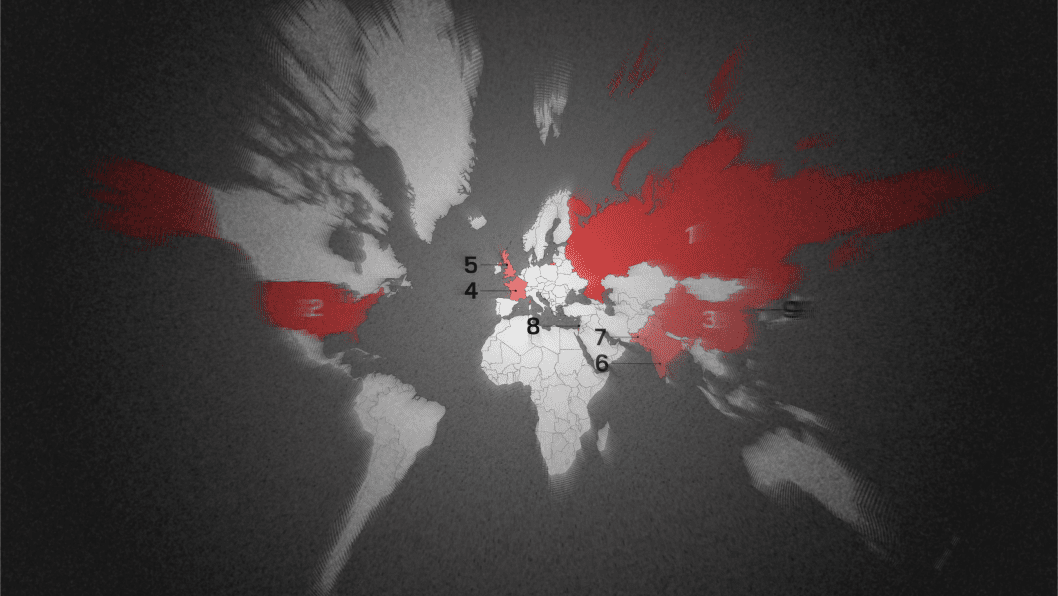
Washington, judging by Trump’s statements, is actively considering the possibility of deploying additional nuclear weapons. In 2025, Trump said he wanted to resume testing “on par” with China and Russia, although what exactly he meant remains unclear.
The figures show that Moscow’s nuclear threats are not weakening Western deterrence. Instead, they are helping drive a new wave of nuclear spending, modernization, and debate over Europe’s own nuclear shield.
Earlier, the US Air Force Global Strike Command tested an unarmed Minuteman III intercontinental ballistic missile from Vandenberg Space Force Base in California. Shortly before that, France officially declared its new M51.3 submarine-launched ballistic missile operational, marking the latest upgrade to the country’s strategic nuclear arsenal.
Discuss this article:

-c439b7bd9030ecf9d5a4287dc361ba31.jpg "Photo of Katherina Popilnichenko")