- Category
- Defense Tech
Challange Russia’s Drones Have a New Challenge—Ukraine’s SPYS Interceptor Hits 500 Km/h
 Prefer U24 Media on Google
- Authors


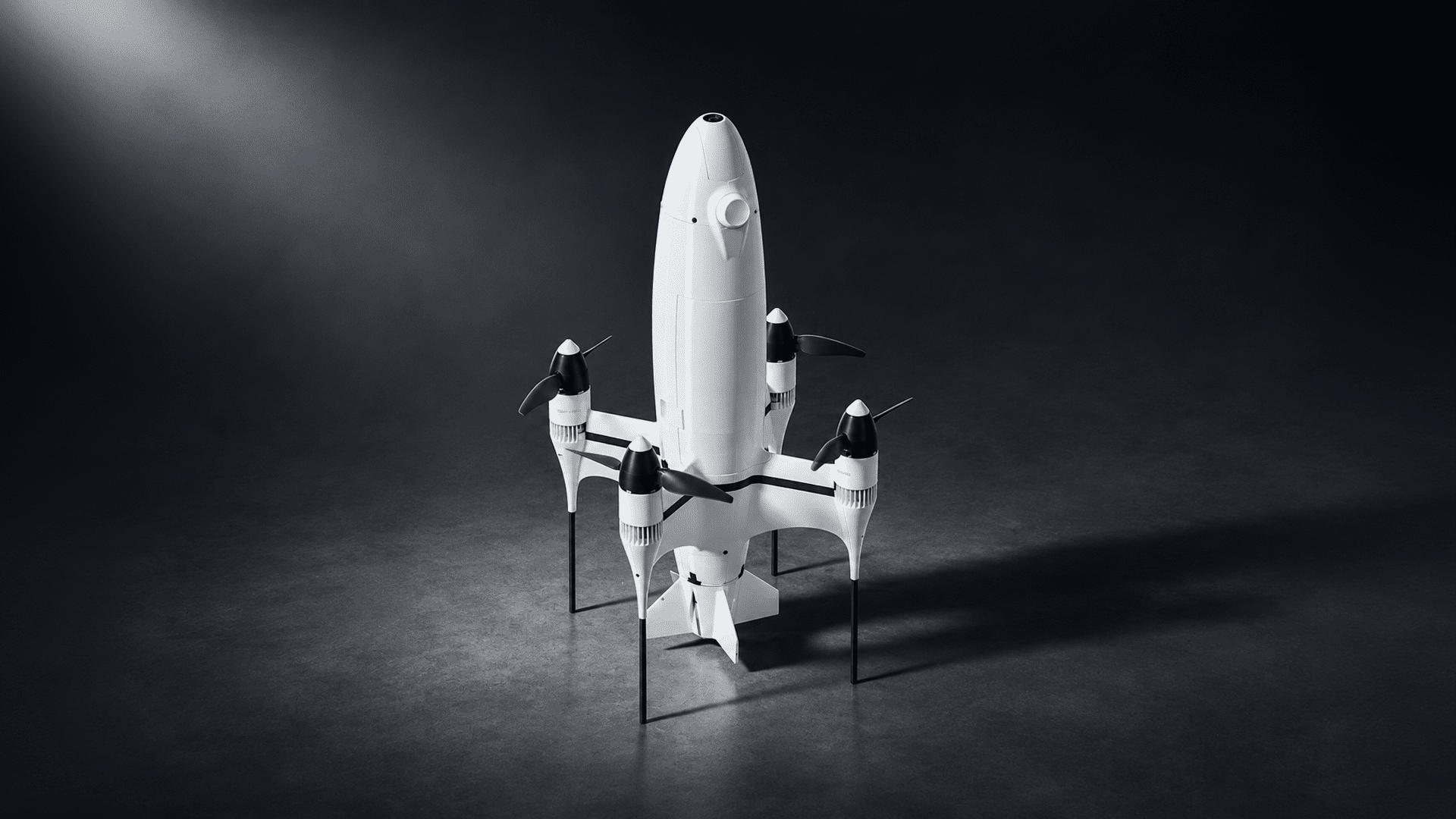
Ukrainian defense manufacturer Quantum Wiy Industries has unveiled an upgraded production version of its SPYS high-speed interceptor drone, featuring improved aerodynamics, an extended flight range, and a more powerful warhead designed to destroy enemy unmanned aerial vehicles.
The updated interceptor was presented in an interview with Ukrainian defense outlet Militarnyi on November 16.
We bring you stories from the ground. Your support keeps our team in the field.
According to the company, it is designed to rapidly intercept and destroy high-speed, maneuverable aerial targets, including Shahed-type attack drones, high-speed and jet-powered Geran-3, Geran-4, and Geran-5 variants, as well as reconnaissance drones.
The redesigned SPYS features narrower wings, a modified forward fuselage, and repositioned air intakes. Engineers also changed the placement and construction of the antenna, which had previously generated significant aerodynamic drag.
Another modification involves replacing the drone’s black exterior with white plastic to reduce overheating during summer operations.
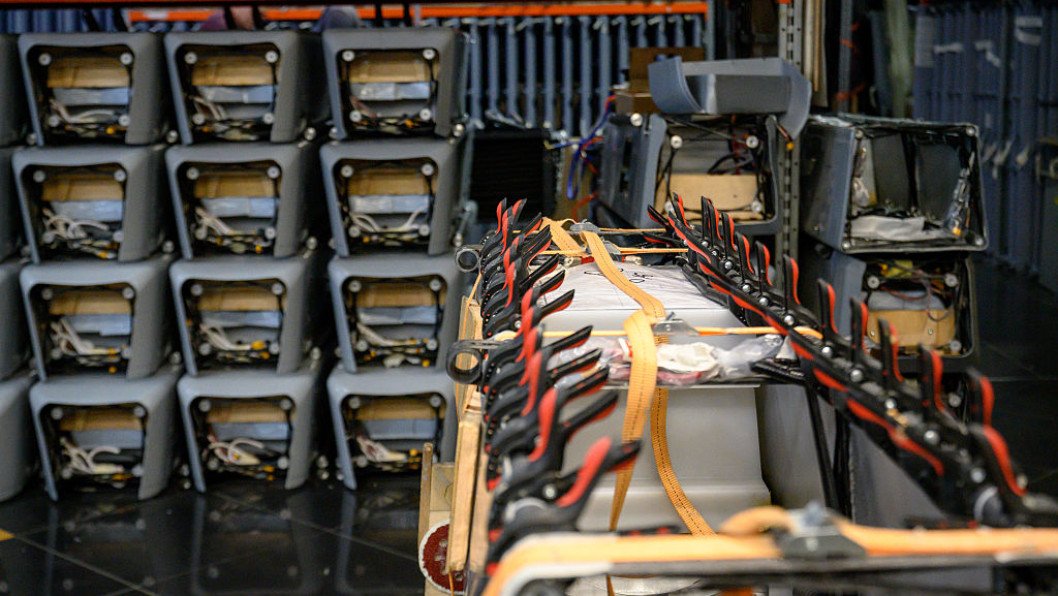
To streamline mass production, Quantum Wiy Industries has also reduced the number of individual components, increased the use of screw connections, and divided the aircraft into separate modules to simplify quality control.
The updated design additionally supports interchangeable cameras, video transmitters, batteries, and motors from different manufacturers, providing greater flexibility in component sourcing and maintenance.
The upgraded SPYS retains a takeoff weight of 4.6 kilograms despite the addition of new onboard systems. Its warhead has been increased from 300 to 500 grams, replacing improvised explosive charges previously installed by military personnel with a standardized, factory-produced high-explosive warhead equipped with a dedicated detonator and protective storage packaging.
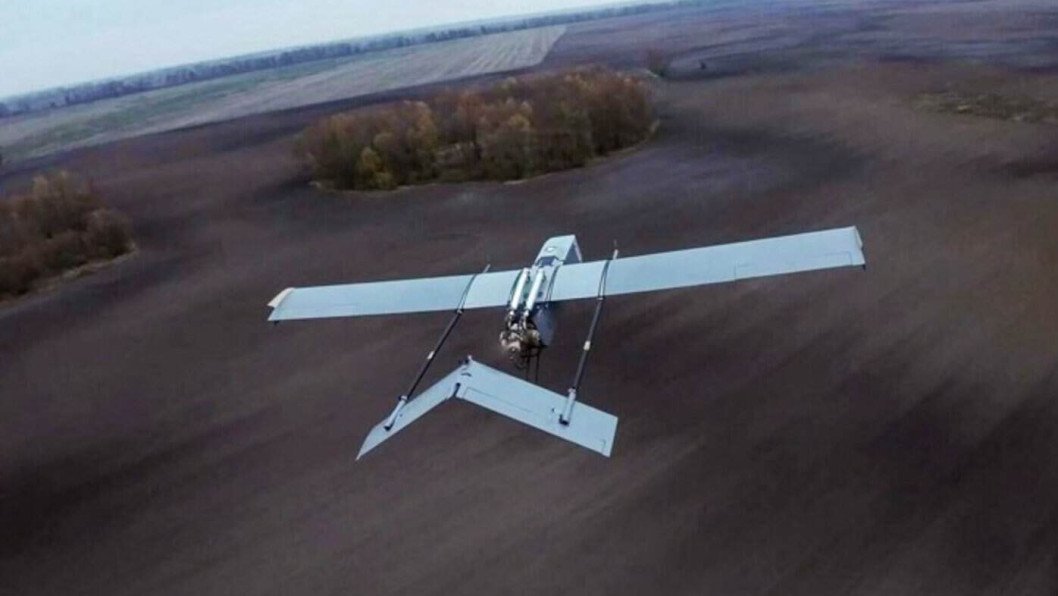
The warhead is designed to damage the structure of an enemy drone, disrupt its aerodynamic stability, reduce its speed, or trigger the detonation of its explosive payload.
The interceptor’s flight range has increased from 33 to 45 kilometers, while its sustained maximum speed now exceeds 450 kilometers per hour. The company representative added that the drone had reached speeds of up to 500 kilometers per hour during testing at a proving ground, Militarnyi reported
Engineers have also reinforced the drone’s power electronics, improving its stability and predictability at high speeds. These modifications allow the SPYS to be recovered and reused if an interception mission is unsuccessful.
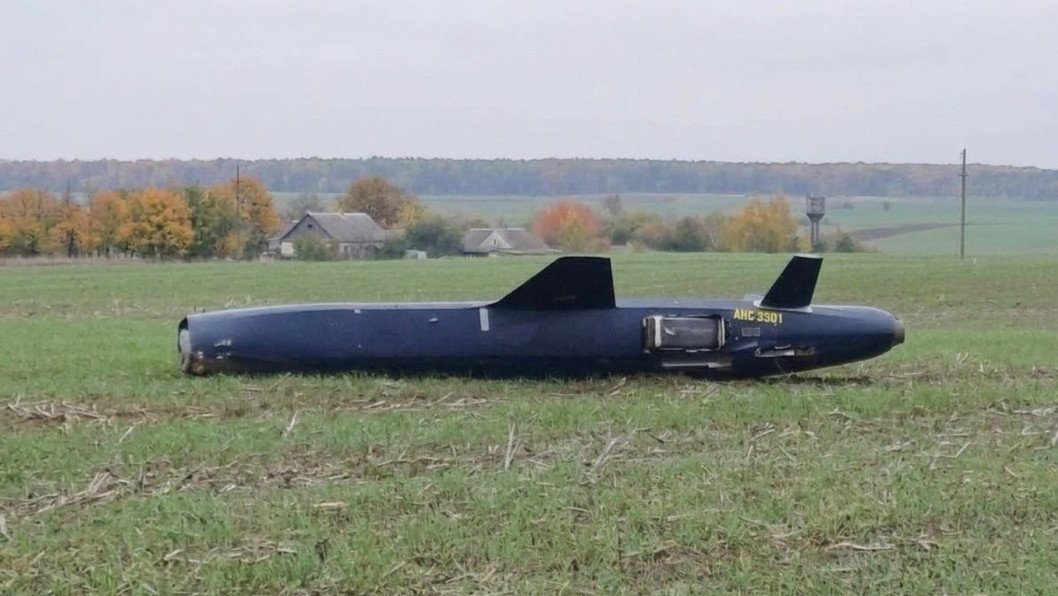
If operators cannot locate a target, the drone can return for landing, undergo battery recharging, and be deployed again.
The modernization also introduces automatic takeoff and autonomous navigation toward a designated interception area.
Through integration with radar stations and the Sky Map system, the drone’s onboard software can calculate a potential interception point based on the target’s speed and trajectory, automatically directing the interceptor toward that location without requiring continuous operator control during the initial flight phase.
To maintain reliable navigation and communications in environments affected by satellite signal jamming, Quantum Wiy Industries has implemented a radio beacon system that determines the interceptor's position through triangulation. The system also automatically adjusts the ground control station's antenna toward the drone to maintain a stable connection.
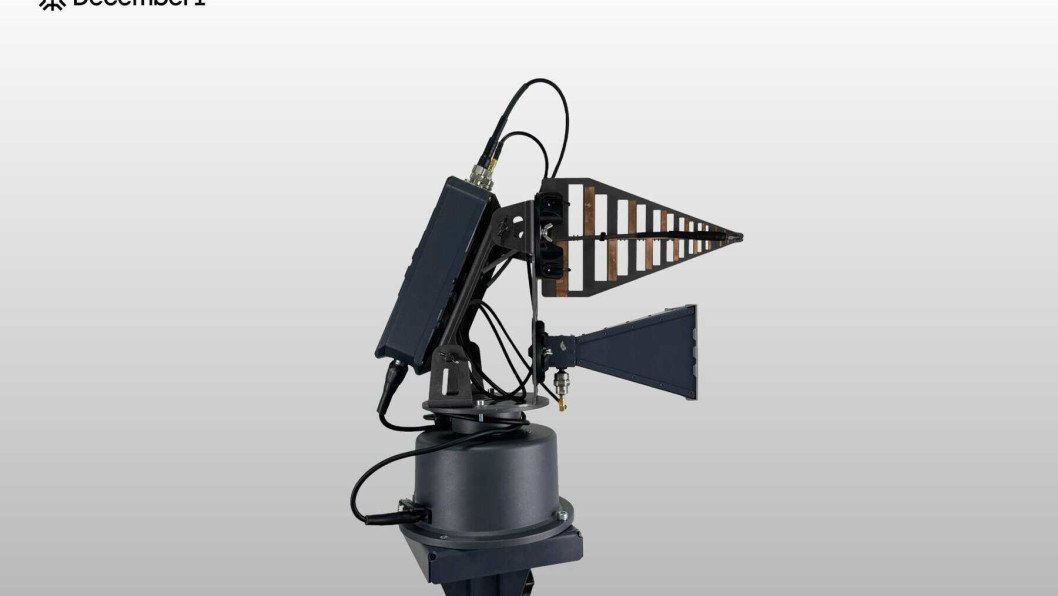
According to Militarnyi, approximately 70–80% of the components used in the upgraded SPYS are locally sourced, including a Ukrainian-made thermal imaging camera.
The SPYS modernization comes amid broader efforts by Ukrainian defense manufacturers to improve the reliability and operational capabilities of unmanned systems, particularly in environments where conventional communications may be disrupted.
In a separate development, Ukrainian defense company Militech Group has developed the HRIM LTE modem to maintain control of drones and ground robotic systems during Starlink outages.
The device delivers 1.5 watts of LTE signal output, six times that of standard modems, enabling reliable communication in areas with weak cellular coverage at distances of up to 45 kilometers.
Discuss this article: